Food guide
Can dogs eat…?
A clear answer for 107 everyday foods. Not "it depends", but yes, in moderation, no, or dangerous, and why.
107 foods listed.
All foods from A to Z
Can dogs eat alcohol?
No, dogs should never drink or taste any alcohol. Even small amounts of ethanol can cause sedation, loss of coordination, a drop in body temperature, and in severe cases respiratory failure. Get emergency veterinary help right away.
Can dogs eat almonds?
No, almonds aren't recommended for dogs. They're not toxic the way macadamia nuts are, but dogs digest them poorly, a whole nut poses a choking risk, and the high fat content can trigger pancreatitis.
Can dogs eat apples?
Yes, dogs can eat apples. The flesh is safe, full of fiber and vitamin C, and even gives teeth a light mechanical clean. Always remove the core and seeds, though, and don't feed large pieces at once.
Can dogs eat avocado?
No, avocado isn't recommended for dogs. It contains persin, which dogs tolerate better than birds or horses do, but the pit is a serious choking and blockage hazard, and the high fat content can trigger pancreatitis.
Can dogs eat bacon?
No, bacon is not recommended for dogs. It is extremely high in fat and salt and is one of the most common triggers of acute pancreatitis in dogs. An occasional small piece of crispy cooked bacon usually will not seriously harm a healthy large dog, but it is not a good regular treat.

Can dogs eat bananas?
Yes, dogs can eat banana, but only as an occasional treat. It's safe and dogs tend to love it, but it's high in sugar. A small dog only needs 2 to 3 slices, a large dog about half a banana.

Can dogs eat bay leaves?
No, don't give dogs bay leaves. The stiff leaf has sharp, rigid veins that can injure the esophagus or gut, and it contains essential oils that irritate the digestive tract.
Can dogs eat beans?
Yes, plain beans that are cooked thoroughly and unsalted are safe for dogs in small amounts and offer a good dose of fiber and protein. Raw beans are toxic due to lectins, though, and canned or baked beans usually carry too much salt and sugar.
Can dogs eat beef?
Yes, cooked or stewed lean beef is an excellent source of protein for dogs and is one of the most common ingredients in both homemade and commercial dog food. Just avoid fatty cuts, seasoning, and the risks that come with raw meat.
Can dogs eat bell peppers?
Yes, but only sweet bell peppers in small amounts. They aren't toxic and contain vitamin C, but hot varieties like chili peppers or jalapenos should never be given, capsaicin irritates the digestive tract and causes painful burning.
Can dogs eat blueberries?
Yes, blueberries are one of the healthiest fruits for dogs. They're small, low in calories, and packed with antioxidants, which is why they're often recommended as a training treat or a snack for older dogs.
Can dogs eat bread?
Yes, a piece of plain baked bread won't hurt a dog, but it has no nutritional value for them and just adds empty calories. Raw, yeasted dough is dangerous, though, and should never end up within a dog's reach.

Can dogs eat bread rolls?
Yes, a small piece of a plain bread roll won't hurt a dog, but it's just empty carbs and salt. It's not something to feed regularly — a few crumbs for a small dog, a quarter roll for a large one, and only occasionally.
Can dogs eat broccoli?
Yes, broccoli is safe for dogs in small amounts. It contains isothiocyanates, which in larger doses irritate the digestive tract and cause gas. Stick to small pieces, raw or cooked, with no seasoning.
Can dogs eat butter?
No, butter isn't recommended for dogs. It's almost pure fat with no useful nutrients to speak of, and even a small amount can cause digestive upset or contribute to pancreatitis in sensitive dogs.
Can dogs eat cabbage?
Yes, raw or cooked cabbage is safe for dogs in small amounts. In larger portions it causes noticeable gas, and heavy long-term intake can affect thyroid function. Skip sauerkraut because of its salt content.
Can dogs eat camembert?
Yes, a dog can eat a small piece of camembert, but only as an occasional treat. It's high in fat and salt, so larger amounts can cause digestive upset or stress the pancreas.
Can dogs eat carrots?
Yes, carrots are safe for dogs and rank among the best treats you can give them. They're low in calories, full of fiber and beta-carotene, and raw carrots even help clean teeth. Cut them to a size that suits your dog.
Can dogs eat cashews?
Yes, dogs can eat cashews, but only raw, unsalted ones and in small amounts. Cashews are high in fat, so larger portions can cause digestive upset or contribute to pancreatitis.
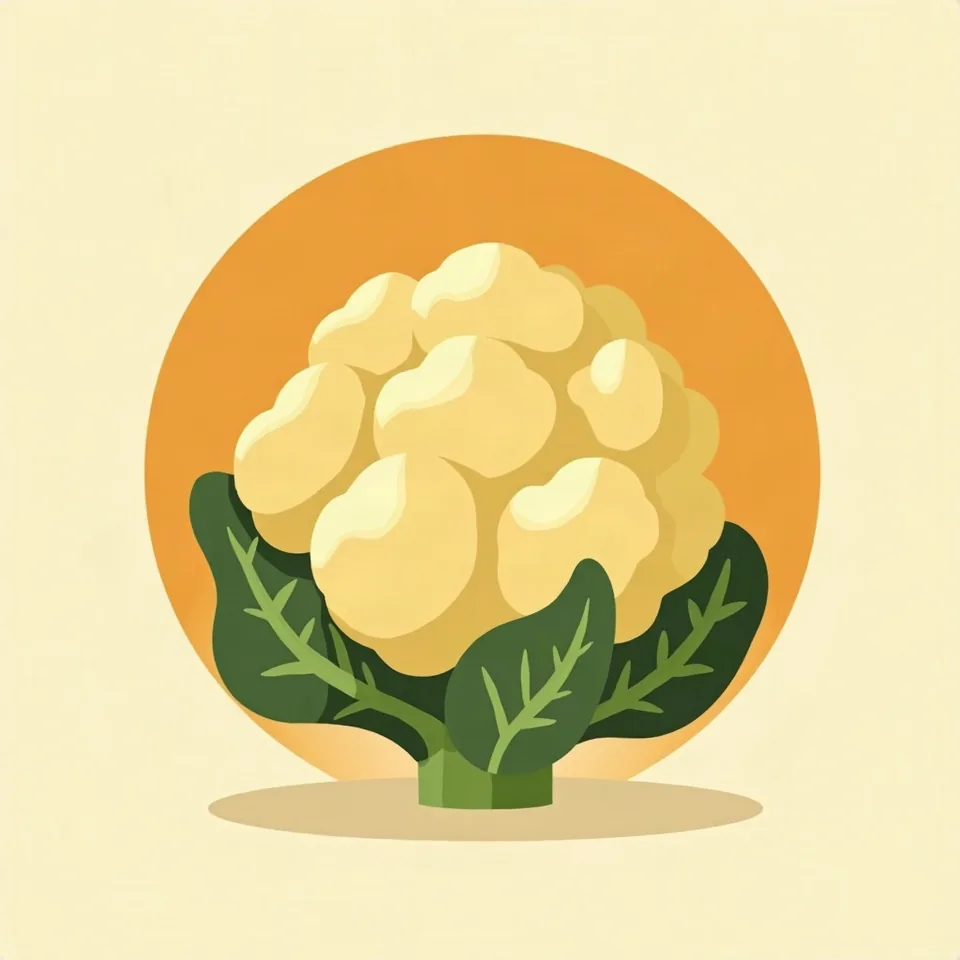
Can dogs eat cauliflower?
Yes, cauliflower is safe for dogs in small amounts. Like other cruciferous vegetables, larger portions can easily cause gas and bloating. Stick to a few small pieces, raw or cooked, with no seasoning.
Can dogs eat celery?
Yes, celery is safe and healthy for dogs and low in calories. Cut it into smaller pieces first, since the stringy stalks can cause choking in dogs that gulp their food.
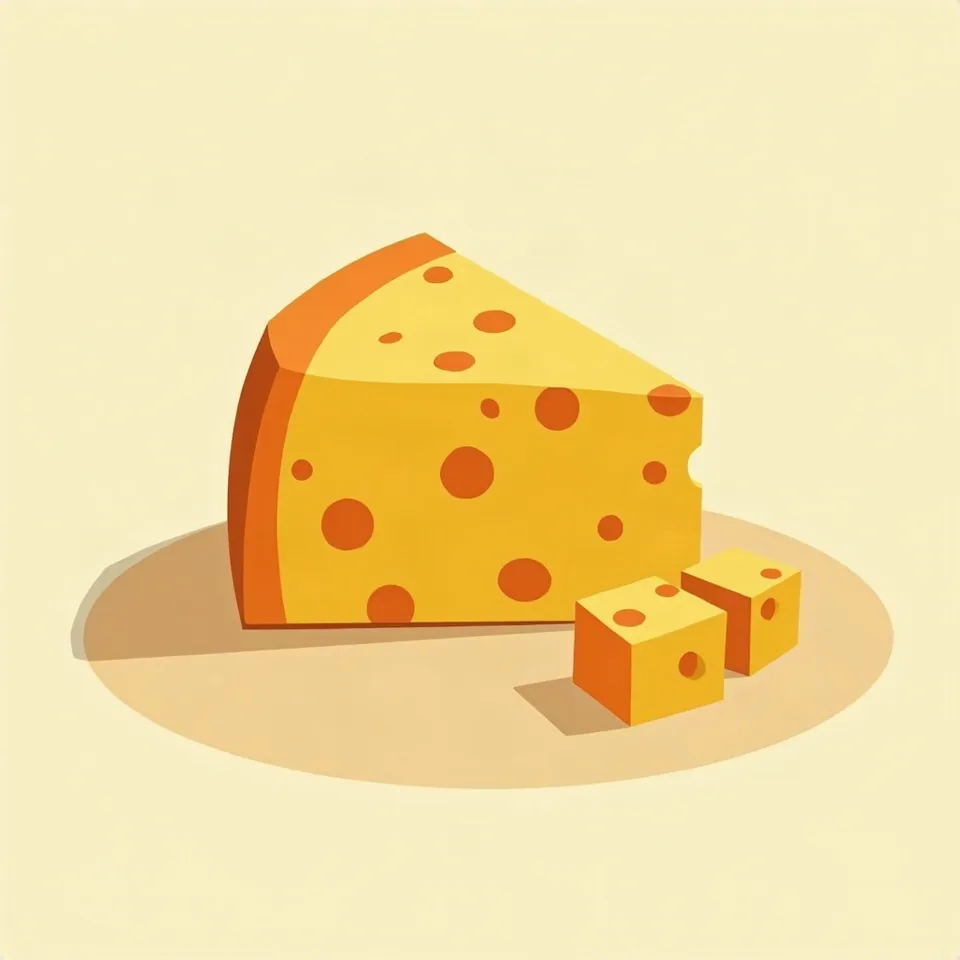
Can dogs eat cheese?
Yes, cheese can be an occasional reward for dogs, ideally a hard, lower-fat variety in small amounts. Because of its fat, salt, and lactose content, though, it should not be a regular part of the diet.
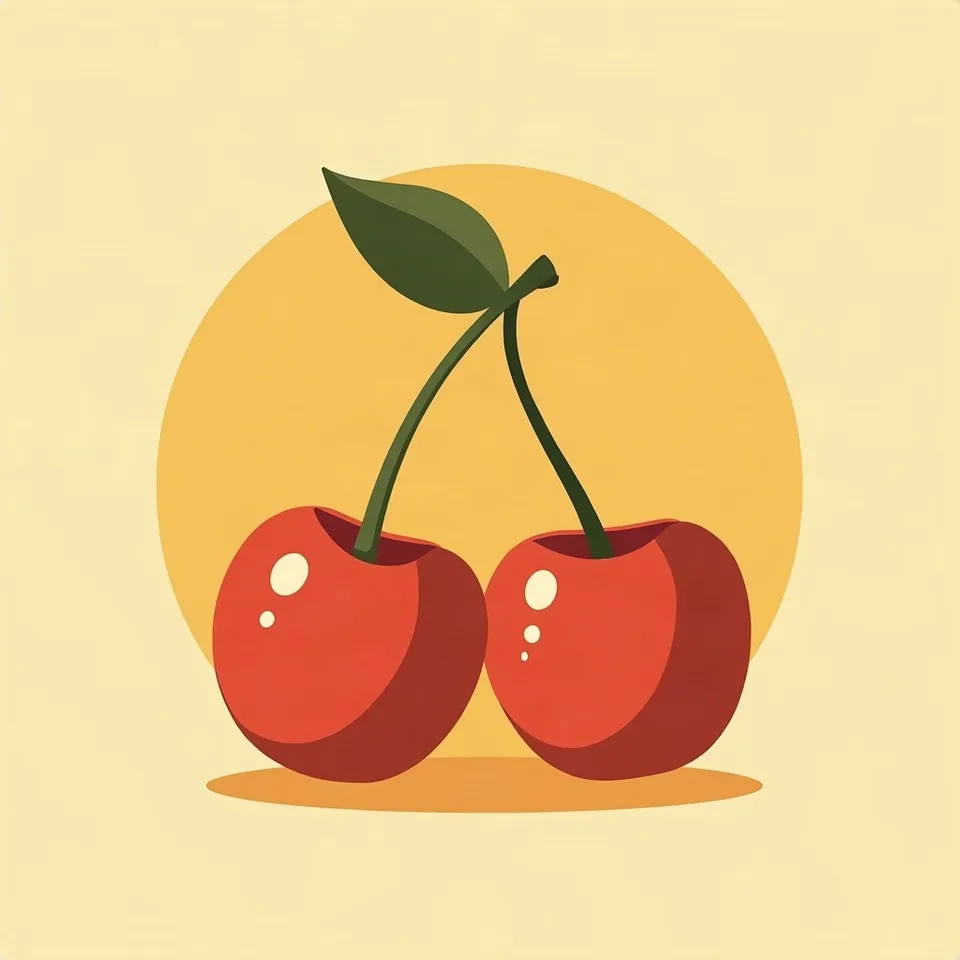
Can dogs eat cherries?
Yes, but only in moderation and always with the pit removed. The flesh of a cherry isn't toxic on its own, but the pit, stem and leaves contain traces of cyanide, and the pit can easily get stuck in the digestive tract. In practice, it's often simpler to skip cherries altogether.
Can dogs eat chewing gum?
No. Most sugar-free chewing gum today contains xylitol, which is highly toxic to dogs, even a single piece can be dangerous. Gum with sugar is risky too, because the sticky gum base itself can block the digestive tract.
Can dogs eat chicken?
Yes, cooked chicken with no skin, bones, or seasoning is one of the best and most digestible protein sources for dogs. Vets commonly recommend it as part of a bland diet for stomach upset too.
Can dogs eat chicken bones?
Yes, but only raw chicken bones of an appropriate size, never cooked. Cooked bones splinter into sharp shards that can pierce the throat or gut. Even raw bones carry a choking or injury risk, so always supervise your dog while feeding them.

Can dogs eat chocolate?
No. Chocolate is toxic to dogs. It contains theobromine, which dogs break down far more slowly than people do. The darker the chocolate and the smaller the dog, the greater the danger. Call your vet right away if your dog eats any.

Can dogs eat cinnamon?
Yes, a small amount of cinnamon is generally safe for dogs, and some sources suggest it may even have a mild positive effect on blood sugar. In larger amounts, or as a pure powder that gets inhaled, it irritates the airways and digestive tract, so use it sparingly.
Can dogs eat coconut?
Yes, a small piece of fresh coconut flesh with the shell removed usually won't hurt a dog. Because of the high fat content and the risk of injury from the hard shell, though, coconut should stay an occasional treat.
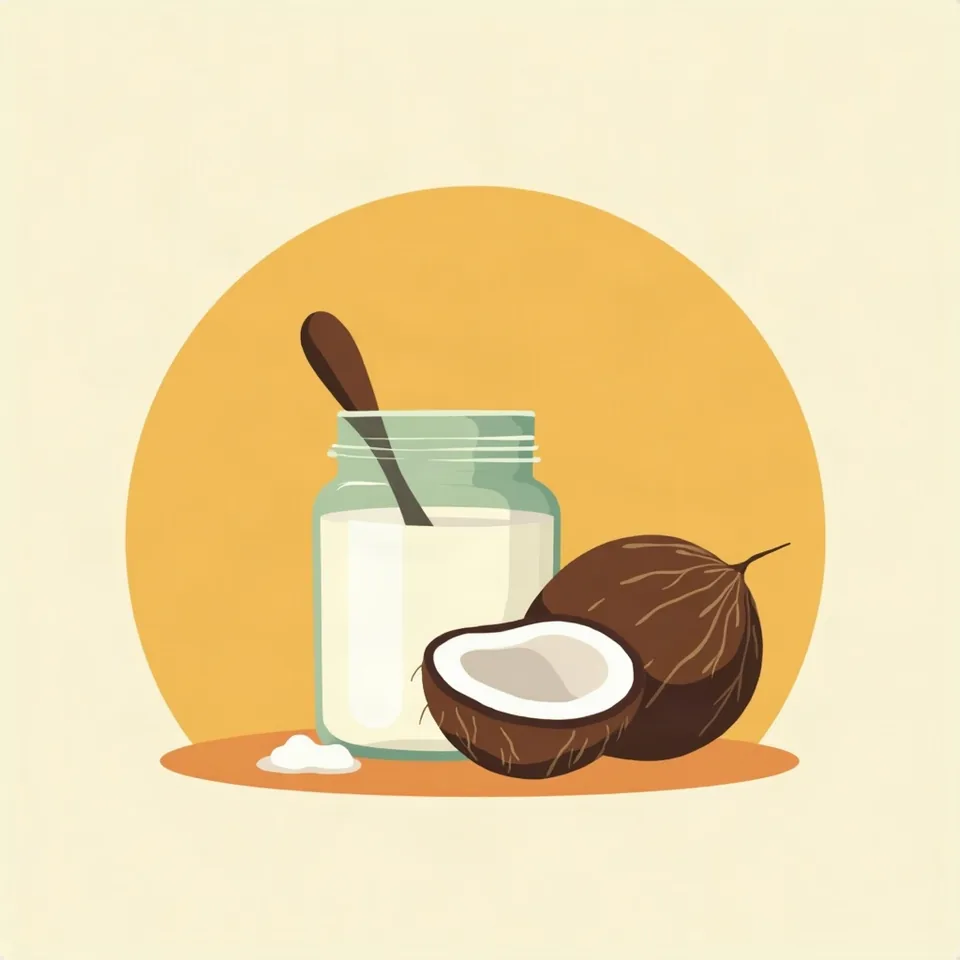
Can dogs eat coconut oil?
Yes, but only in small amounts. Coconut oil isn't toxic to dogs, but it's pure fat, so larger doses can easily cause diarrhea, weight gain, or pancreatitis.

Can dogs eat coffee?
No, dogs should never drink coffee or eat coffee beans or grounds. Caffeine is a methylxanthine that's toxic to dogs even in small doses and can cause a racing heart, tremors, and seizures. Call your vet right away if your dog gets into any.
Can dogs eat cooked bones?
No, don't give dogs cooked bones of any kind, whether from chicken, turkey, pork or beef. Cooking makes bones brittle, so they easily splinter into sharp fragments that can injure the oesophagus, stomach or intestines and even cause a fatal blockage.
Can dogs eat cookies?
No, regular cookies are not recommended for dogs. They are loaded with sugar and fat with no nutritional value, and many also contain chocolate, raisins, or the sweetener xylitol, all of which are toxic to dogs.
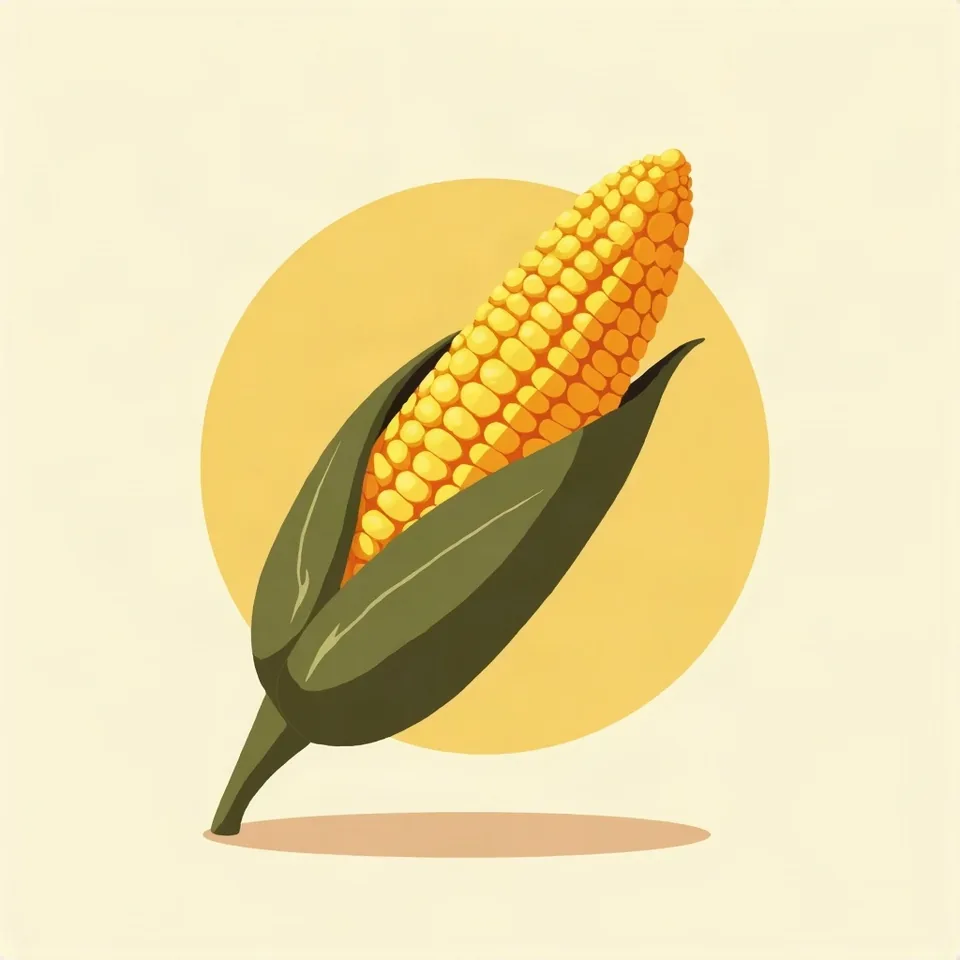
Can dogs eat corn?
Yes, plain cooked corn kernels with no salt are fine for dogs in small amounts. The corn cob is dangerous, though; dogs can't digest it, and it can cause a serious intestinal blockage that requires surgery.
Can dogs eat cottage cheese?
Yes, cottage cheese is one of the most easily digested dairy products for dogs. It's low in lactose and high in protein. Even so, it should stay an occasional addition to the diet, not a regular part of it.

Can dogs eat cream?
No, cream is not recommended for dogs. Like butter, it is a very high-fat dairy product that easily causes digestive upset and raises the risk of pancreatitis.
Can dogs eat cucumber?
Yes, cucumber is safe for dogs and very low in calories. It's about 95% water, making it a refreshing summer treat and a good option for overweight dogs. Serve it raw, and peel it for dogs with sensitive digestion.
Can dogs eat curry?
No, don't give dogs curry. The spice blend itself isn't automatically toxic, but curry powders and pastes often contain onion or garlic powder and are very spicy, both of which are hard on a dog's digestion.
Can dogs eat dates?
Yes, dogs can eat dates, but only occasionally and never with the pit. They're extremely high in sugar, so at most they work as a tiny, infrequent treat.
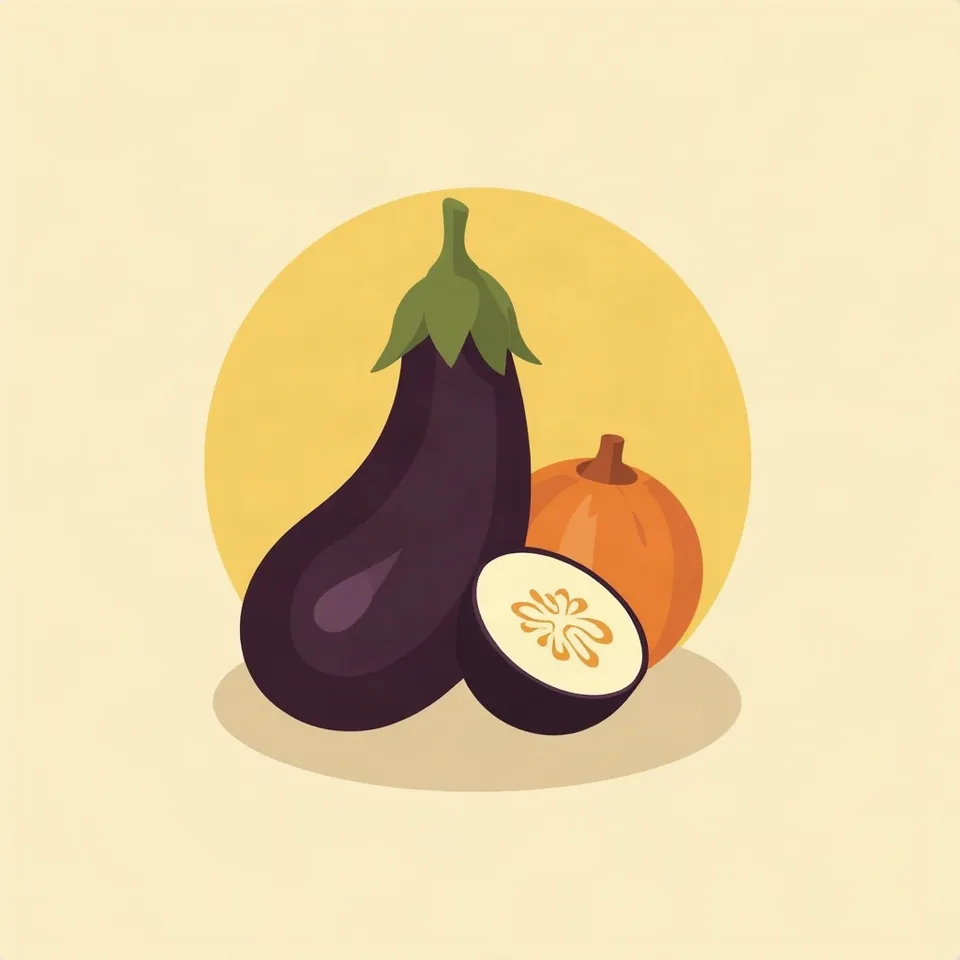
Can dogs eat eggplant?
Yes, but only cooked and in small amounts. Raw eggplant contains solanine and can upset a dog's stomach, though cooked, peeled eggplant is fine for most dogs in moderation.
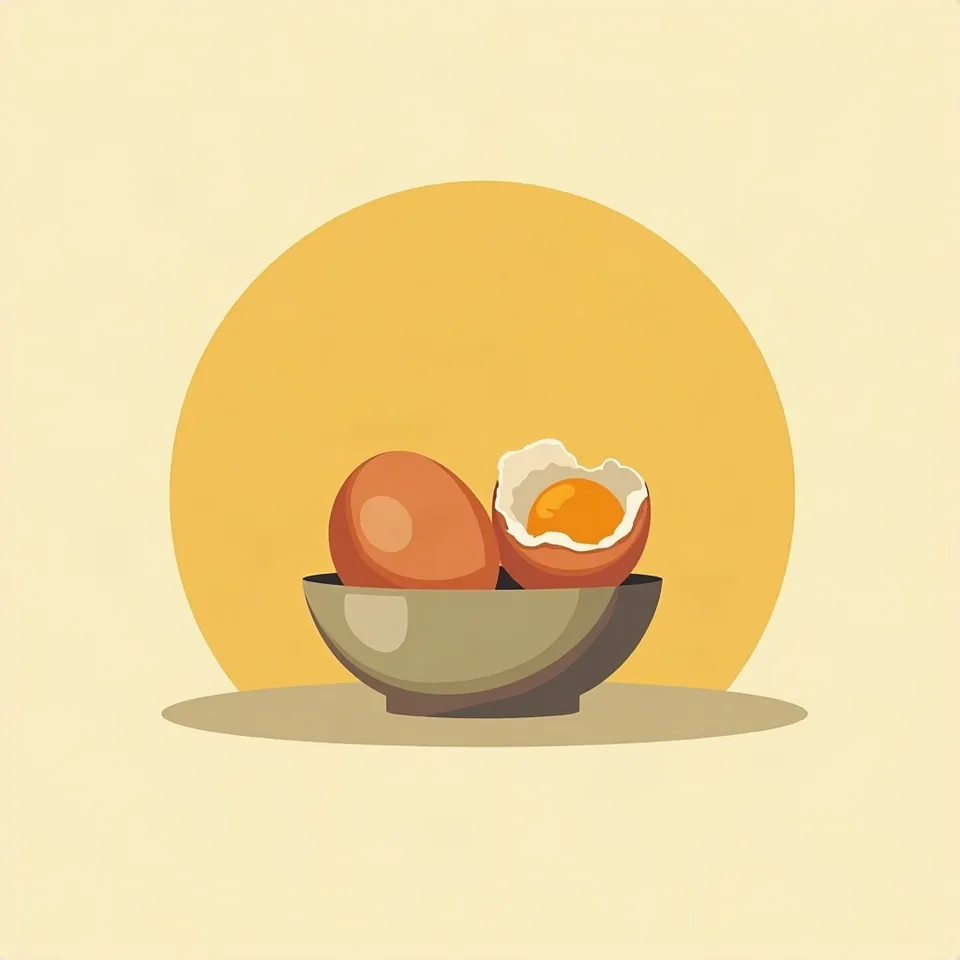
Can dogs eat eggs?
Yes, eggs are an excellent source of protein and biotin for dogs, ideally boiled or scrambled without salt or fat. Raw eggs aren't recommended because of the risk of salmonella and reduced biotin absorption.
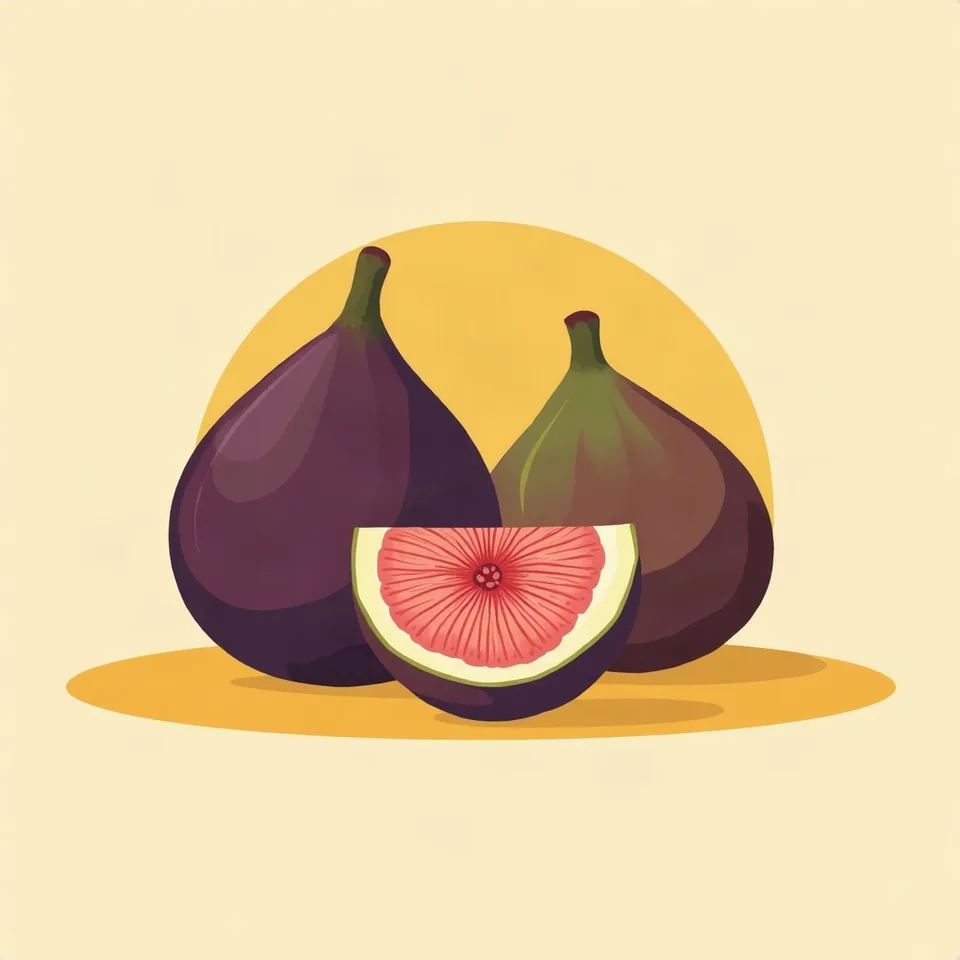
Can dogs eat figs?
Yes, a small amount of fresh, ripe, peeled fig is fine for most dogs. Figs are high in sugar and fiber, so they only work as an occasional treat, not a regular part of the diet.
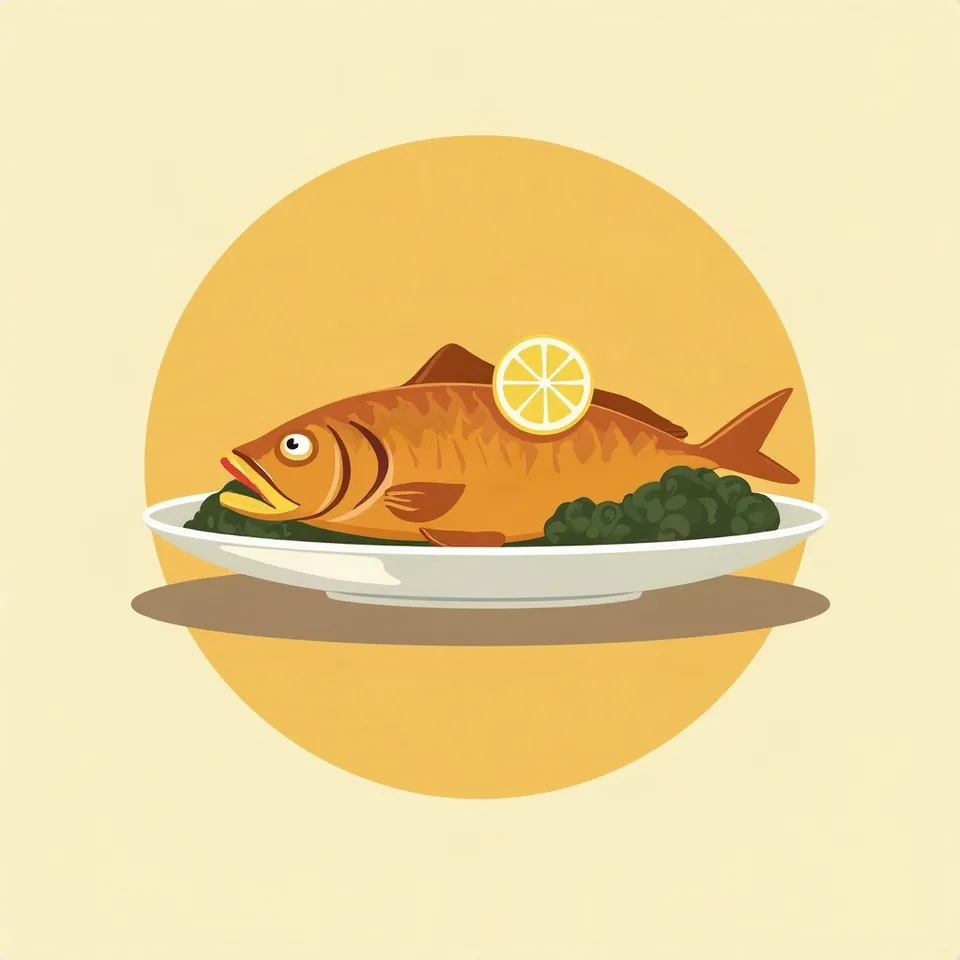
Can dogs eat fish?
Yes, well-cooked, boneless fish is a healthy source of protein and omega-3 fatty acids for dogs. Raw fish and fish bones are not recommended, though, because of the risk of parasites, thiamine deficiency, and injury to the digestive tract.
Can dogs eat french fries?
No, french fries aren't a good treat for dogs. They're deep-fried in a lot of oil and heavily salted, which strains the pancreas and kidneys. A few unsalted fries as a rare exception won't hurt a large, healthy dog, but they shouldn't become a regular reward.
Can dogs eat garlic?
No, garlic is toxic to dogs in every form, raw, cooked, dried, powdered, or as a supplement. It's in the same family as onion but far more concentrated, and it damages red blood cells, causing hemolytic anemia.

Can dogs eat ginger?
Yes, a small amount of fresh or ground ginger is safe for dogs, and it's sometimes even used to help with mild nausea or motion sickness. In large amounts it can irritate the stomach, so keep servings small.
Can dogs eat grapes?
No. Grapes are highly toxic to dogs and can cause acute kidney failure. There's no known safe amount, and it doesn't depend on breed or size. Call your vet immediately if your dog eats any.
Can dogs eat ham?
No, ham should not be a regular part of a dog's diet. Even lean ham is high in salt and often contains phosphates and flavorings that strain the kidneys and pancreas with regular feeding. An occasional piece of plain ham without rind or fat is usually fine for a healthy large dog.
Can dogs eat honey?
Yes, a small amount of honey is safe for a healthy adult dog, and some vets occasionally recommend it as a natural treat. It shouldn't be given to puppies under a year old, diabetic dogs, or dogs carrying excess weight.

Can dogs eat hot dogs?
No, don't give dogs hot dogs. They're high in fat, salt, and preservatives and often contain garlic or onion powder, raising the risk of pancreatitis and putting unnecessary strain on the body. One small bite of a cooked hot dog usually won't seriously harm a large dog.

Can dogs eat ice cream?
No, regular ice cream isn't recommended for dogs. It contains milk, which many adult dogs digest poorly, and a lot of sugar, and chocolate or light flavours can contain ingredients that are directly toxic, including xylitol.
Can dogs eat kale?
Yes, kale is healthy for dogs in small amounts; it contains vitamins and antioxidants. In larger amounts, though, its oxalates and isothiocyanates can irritate digestion or affect thyroid function, so serve it in moderation.
Can dogs eat kefir?
Yes, plain kefir is low in lactose and rich in probiotic cultures, making it easy for most dogs to digest. In small amounts, it can even be given fairly regularly as a dietary supplement.
Can dogs eat kiwi?
Yes, but in moderation. Peeled kiwi flesh is safe for dogs and full of vitamin C, but the fuzzy skin is irritating and hard to digest, and too much of the fruit's fiber can cause diarrhea.
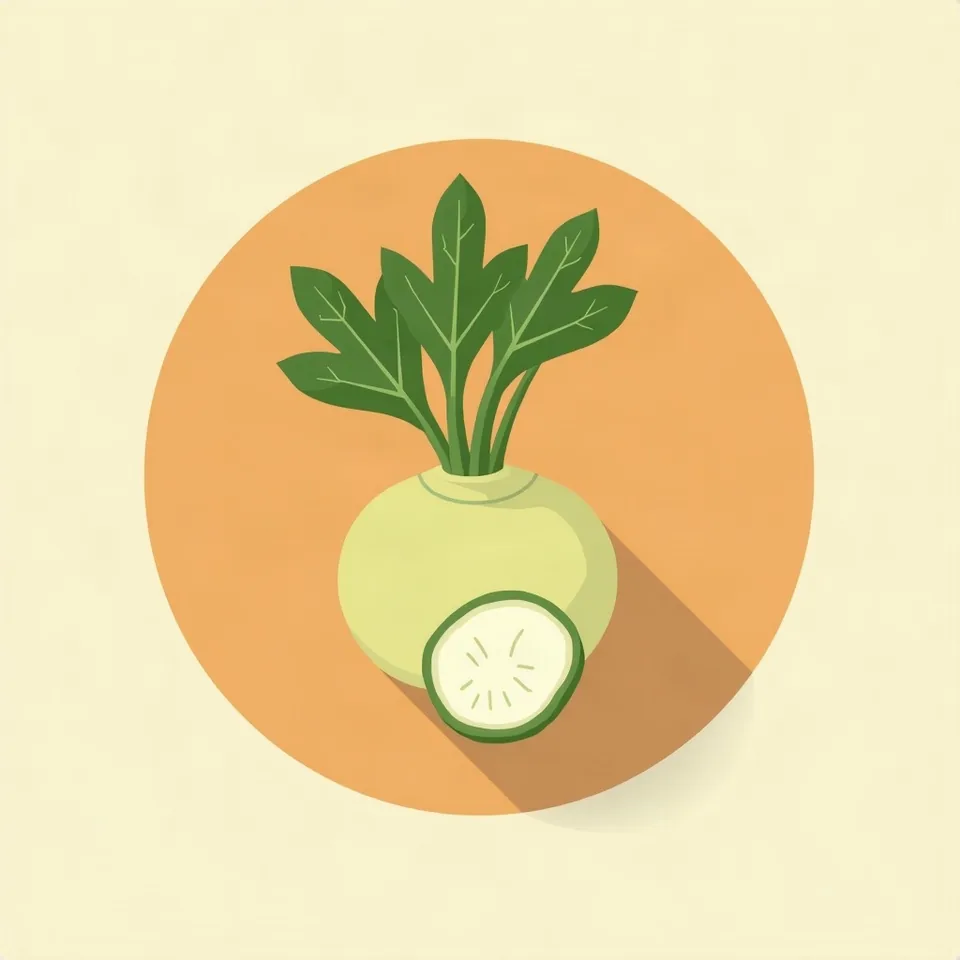
Can dogs eat kohlrabi?
Yes, dogs can eat kohlrabi. It's a safe vegetable that's high in fiber and vitamin C, but larger amounts can cause gas, so it's best kept as an occasional small-portion extra rather than a regular addition.
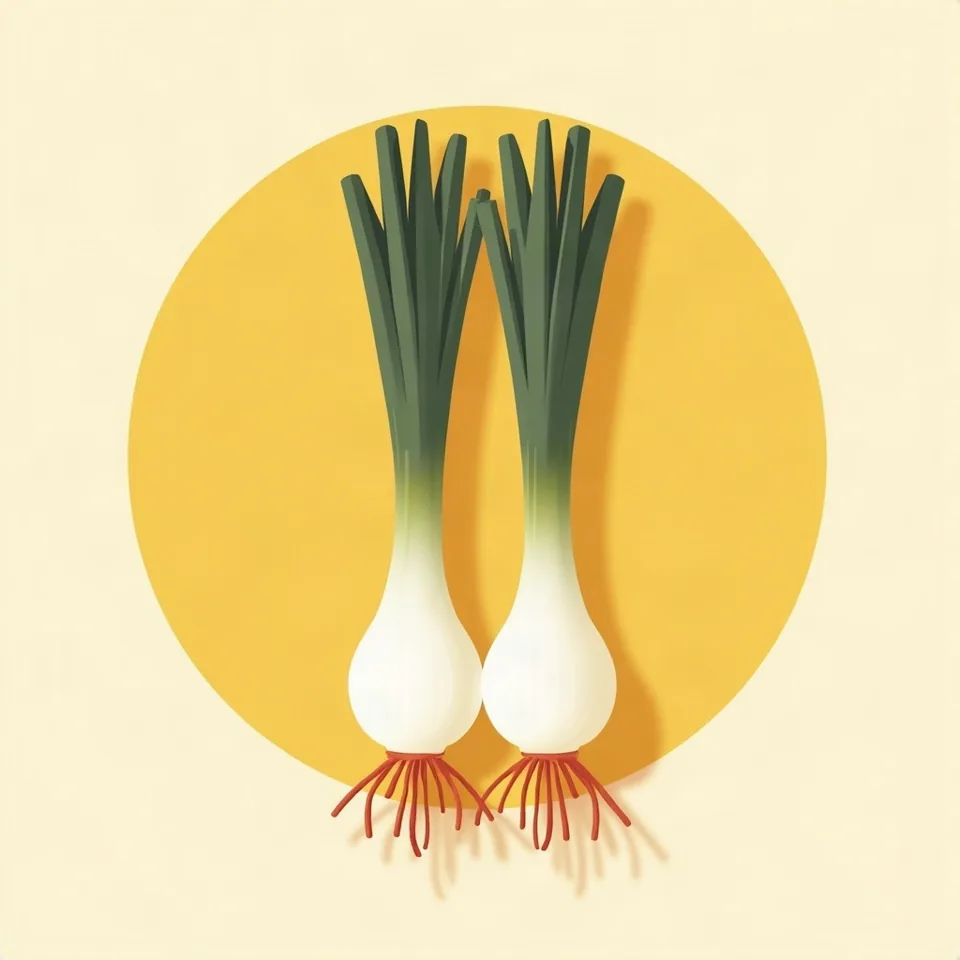
Can dogs eat leeks?
No, leeks are toxic to dogs. They belong to the Allium family along with onions, garlic, and chives, and contain compounds that damage red blood cells and can cause hemolytic anemia. Raw or cooked, leeks are equally dangerous.
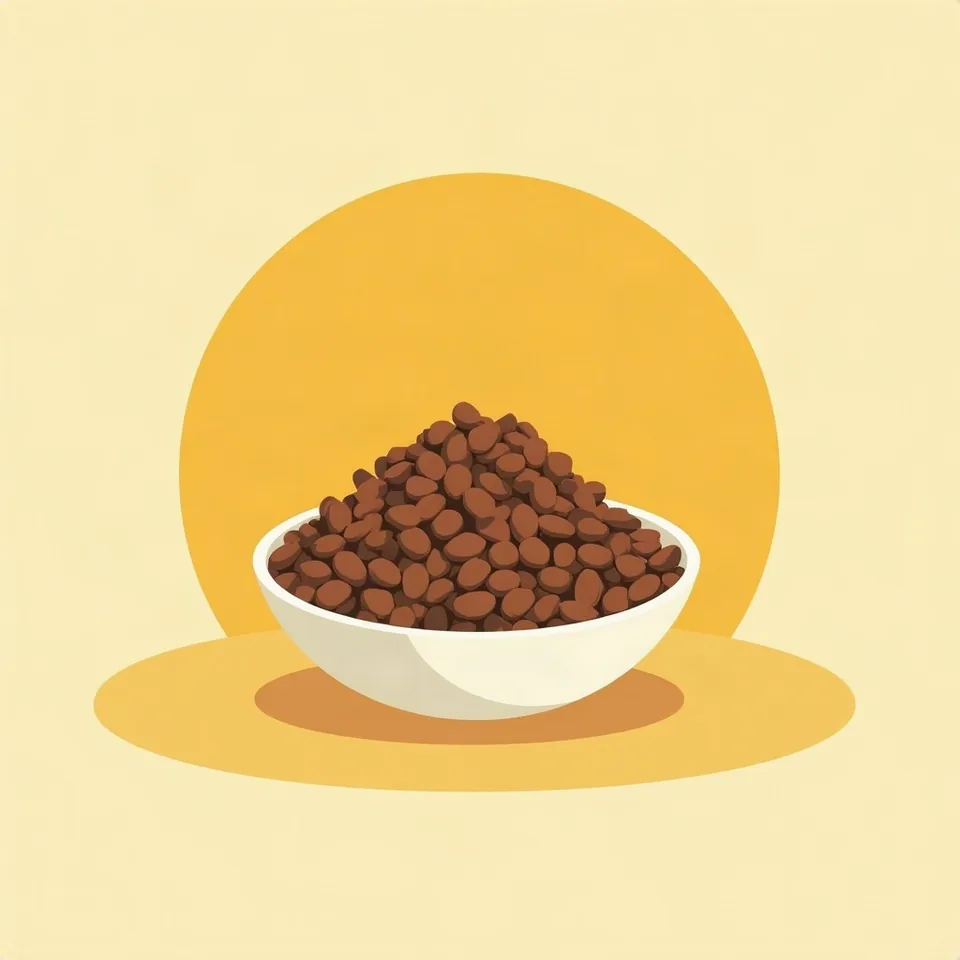
Can dogs eat lentils?
Yes, dogs can eat plain cooked lentils with no salt or seasoning, but only in small amounts as an occasional add-in. Raw lentils are a bad idea — they're hard to digest and cause gas.
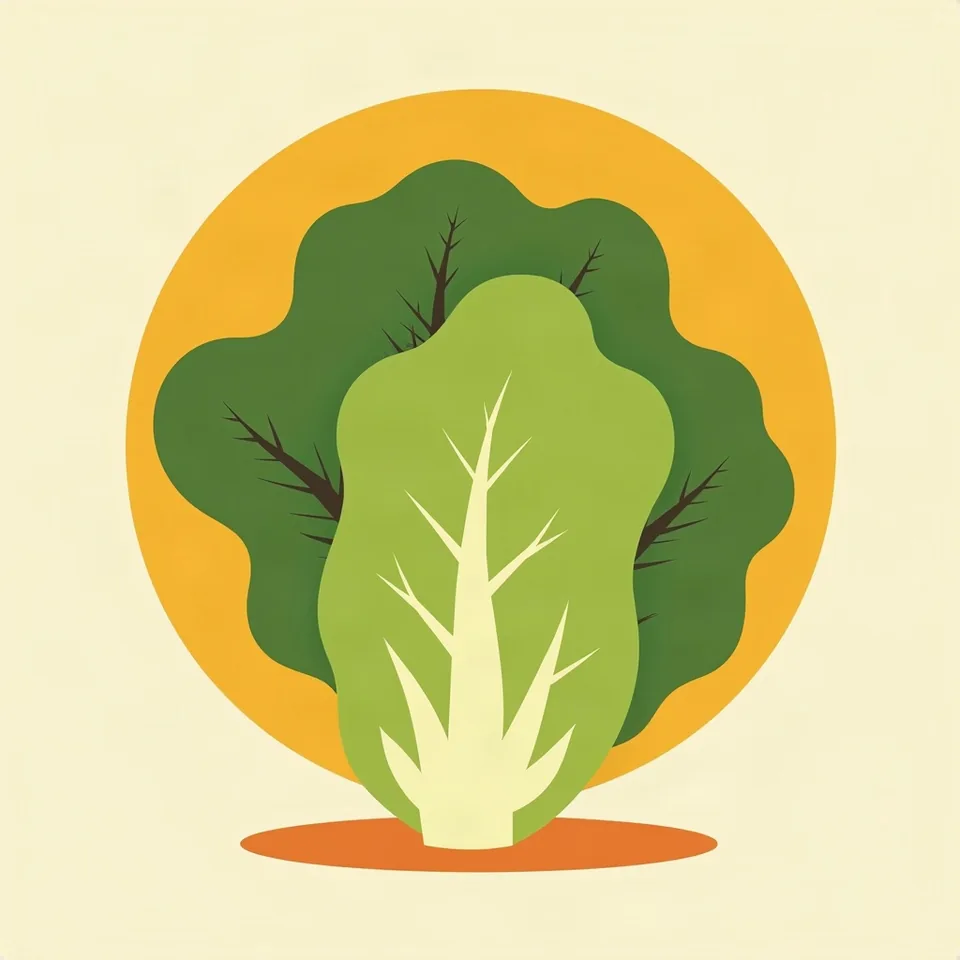
Can dogs eat lettuce?
Yes, both iceberg and leaf lettuce are safe for dogs. It is mostly water with few nutrients, so it is not a nutritional win, but as a low-calorie treat or cool snack it will not do any harm.
Can dogs eat macadamia nuts?
No, macadamia nuts are toxic to dogs. As little as 6 nuts for a 22 lb dog can cause weakness, tremors, and fever, so your dog should never get even one.

Can dogs eat mango?
Yes, but in moderation. Peeled mango flesh with no pit is safe for dogs and rich in vitamins, but it's high in sugar, and the pit is a serious choking and intestinal blockage risk.
Can dogs eat milk?
No, cow's milk isn't recommended for adult dogs. Most are at least somewhat lactose intolerant, and milk often causes diarrhea and bloating without offering any nutritional benefit that couldn't be gotten elsewhere.
Can dogs eat mushrooms?
No, don't give your dog mushrooms picked from the wild or the garden; some species are lethally poisonous. Store-bought button mushrooms or oyster mushrooms in small cooked amounts are fine, but treat anything found outdoors as strictly off-limits.
Can dogs eat nuts?
No, nuts aren't a good choice for dogs. Most types are too high in fat and hard to digest, and macadamia nuts are highly toxic to dogs.
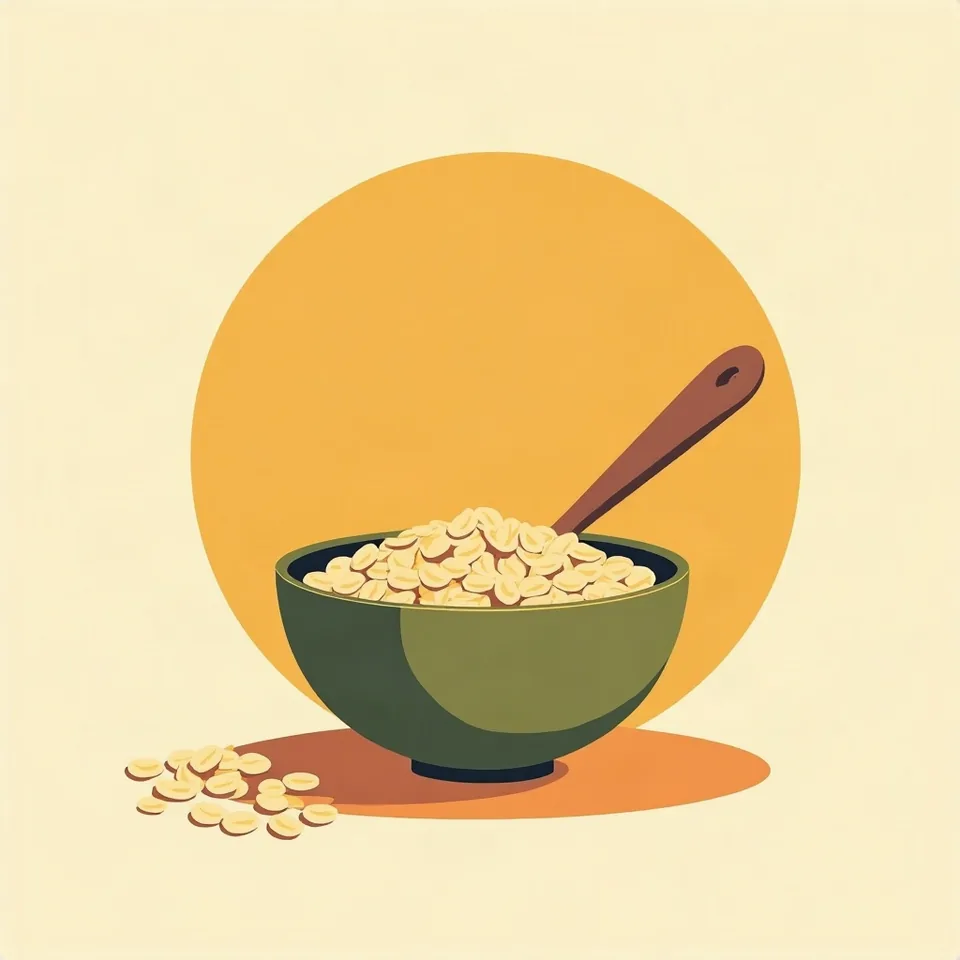
Can dogs eat oatmeal?
Yes, cooked oatmeal is safe for dogs and can be a healthy alternative to wheat-based grains, especially for dogs sensitive to gluten. Always serve it cooked and plain, with no flavoring, sugar, or raisins.
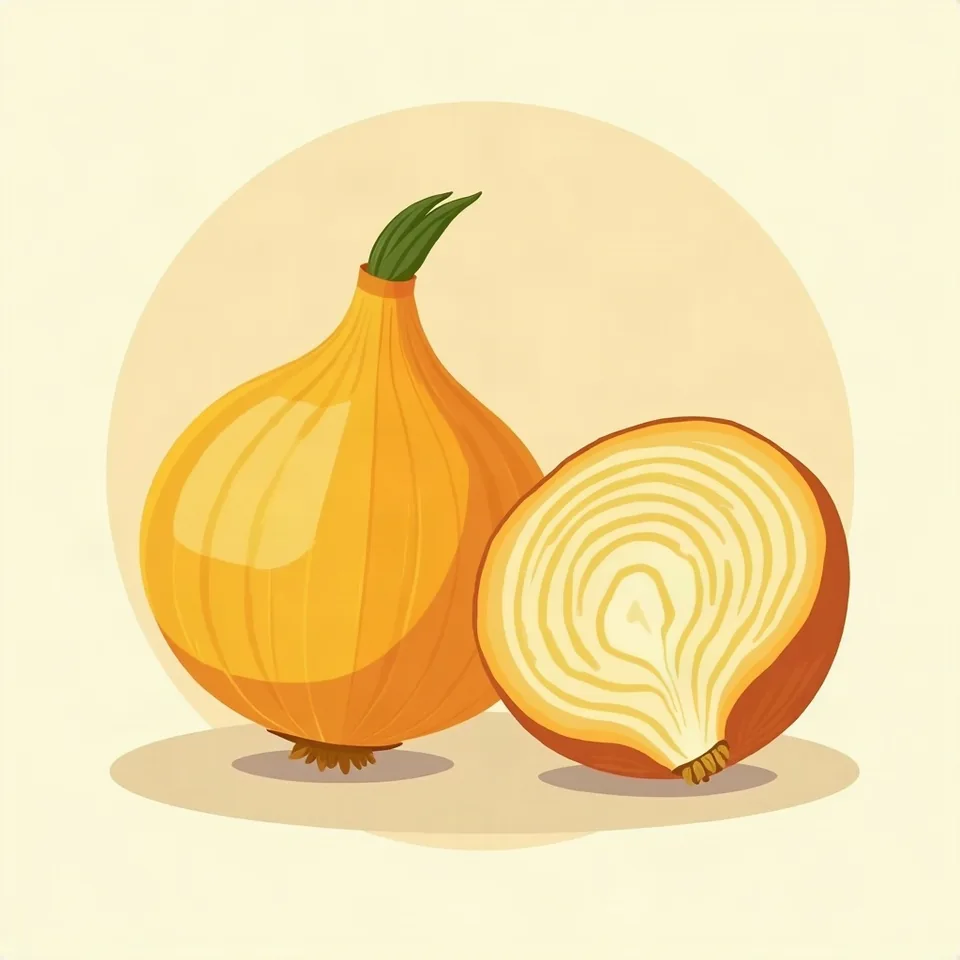
Can dogs eat onions?
No, onion is toxic to dogs in every form, raw, cooked, dried, or powdered. It damages red blood cells and causes hemolytic anemia. Symptoms often don't show up for a few days, so poisoning is easy to miss.
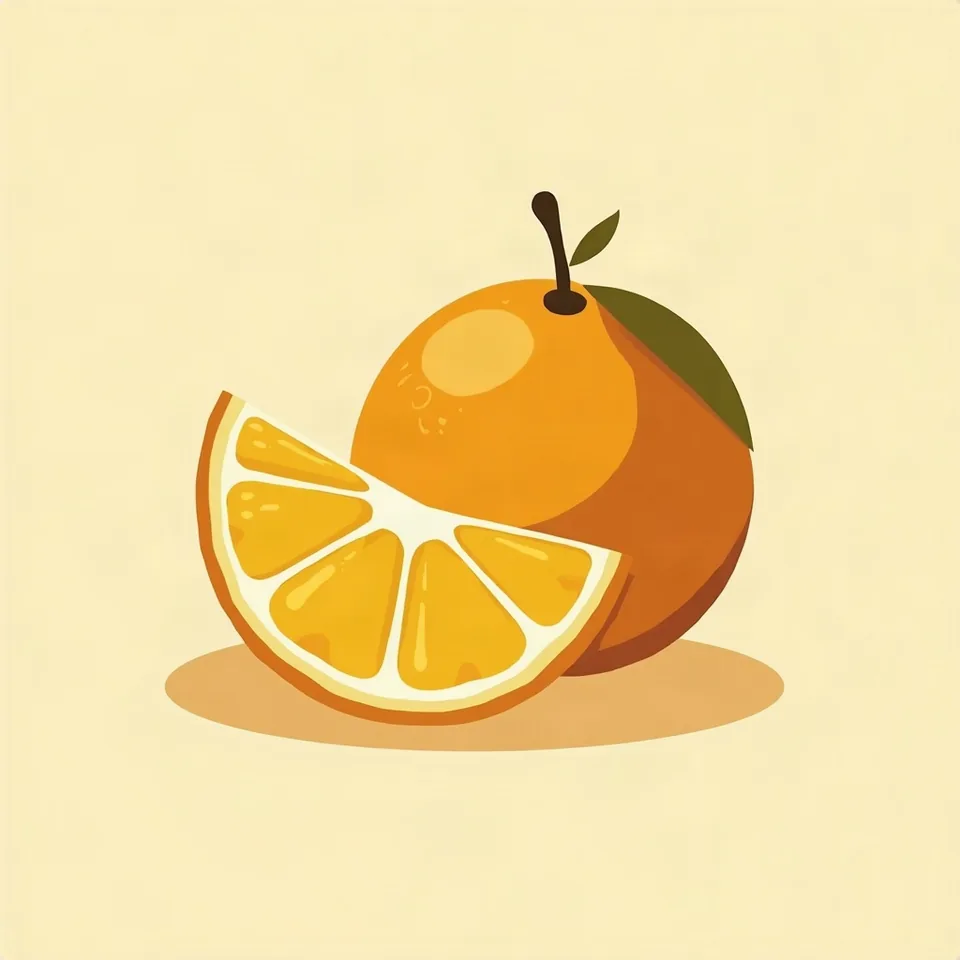
Can dogs eat oranges?
Yes, but in moderation. A few segments of flesh with no peel or seeds won't hurt a dog, but the citrus oil in the peel is irritating, and most dogs aren't fans of oranges anyway because of the strong smell and tart taste.
Can dogs eat parsley?
Yes, a small amount of parsley is fine for dogs and can even help with bad breath. In larger amounts, though, it contains compounds that stress the kidneys, so it should only ever be a small extra on top of a regular diet, not a regular ingredient.
Can dogs eat pasta?
Yes, plain cooked pasta without salt or sauce won't hurt a dog, but it's just a carbohydrate side dish with no special nutritional benefit. Watch out for sauces with onion, garlic, cream or cheese, which are usually riskier than the pasta itself.
Can dogs eat peaches?
Yes, in moderation. Peach flesh is safe in small amounts and full of vitamins, but the pit is hard, contains trace amounts of cyanide, and poses a serious choking or blockage risk.
Can dogs eat peanut butter?
Yes, peanut butter without xylitol, added sugar, or salt is a popular, safe treat for dogs in small amounts. Always check the label carefully, since some “light” or high-protein versions contain xylitol, which is deadly to dogs.
Can dogs eat peanuts?
Yes, raw or roasted unsalted peanuts without the shell are fine for dogs in small amounts. Shells, salted peanuts, and flavored varieties aren't recommended because of the risk of a blocked gut and too much sodium.
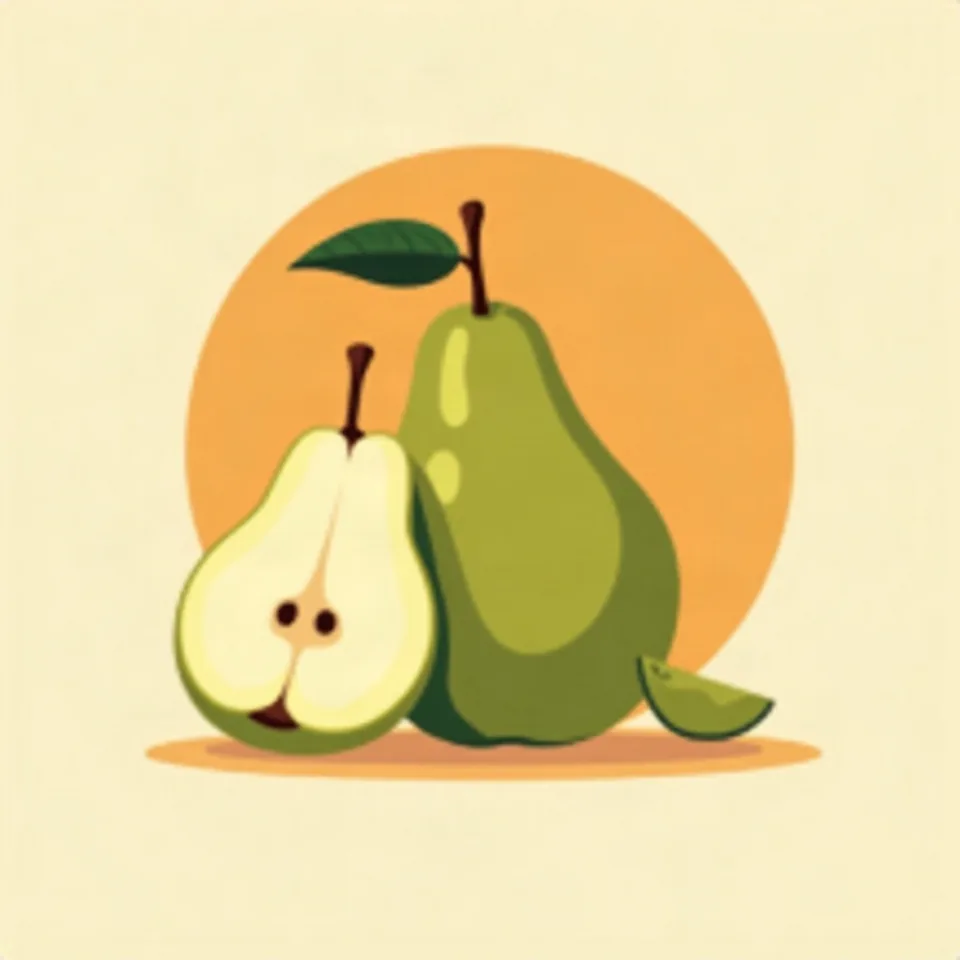
Can dogs eat pears?
Yes, dogs can eat pears. The flesh is safe and full of fiber and vitamin C. Always remove the core and seeds along with the stem, though, since they contain trace amounts of cyanide-forming compounds.
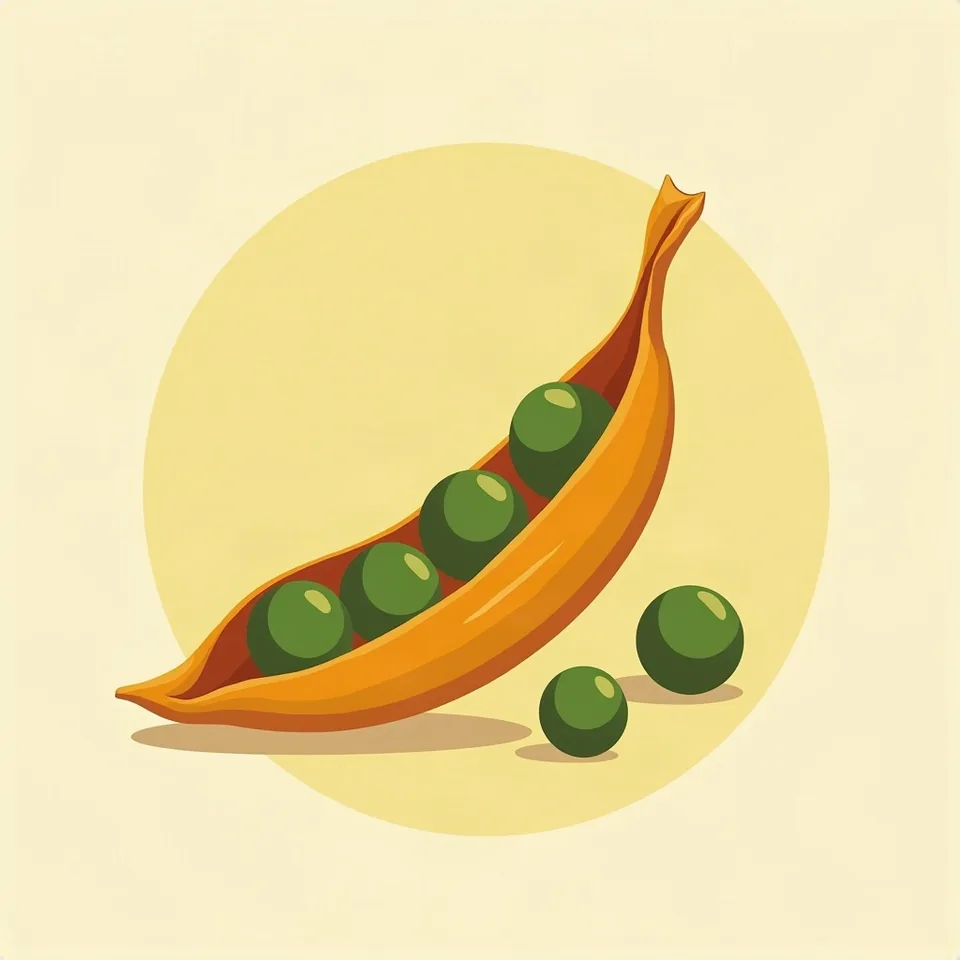
Can dogs eat peas?
Yes, green peas are safe and nutritious for dogs. They provide plant protein, fiber, and vitamins, and plenty of quality kibble uses them as an ingredient. Serve fresh or frozen, never salted canned peas.
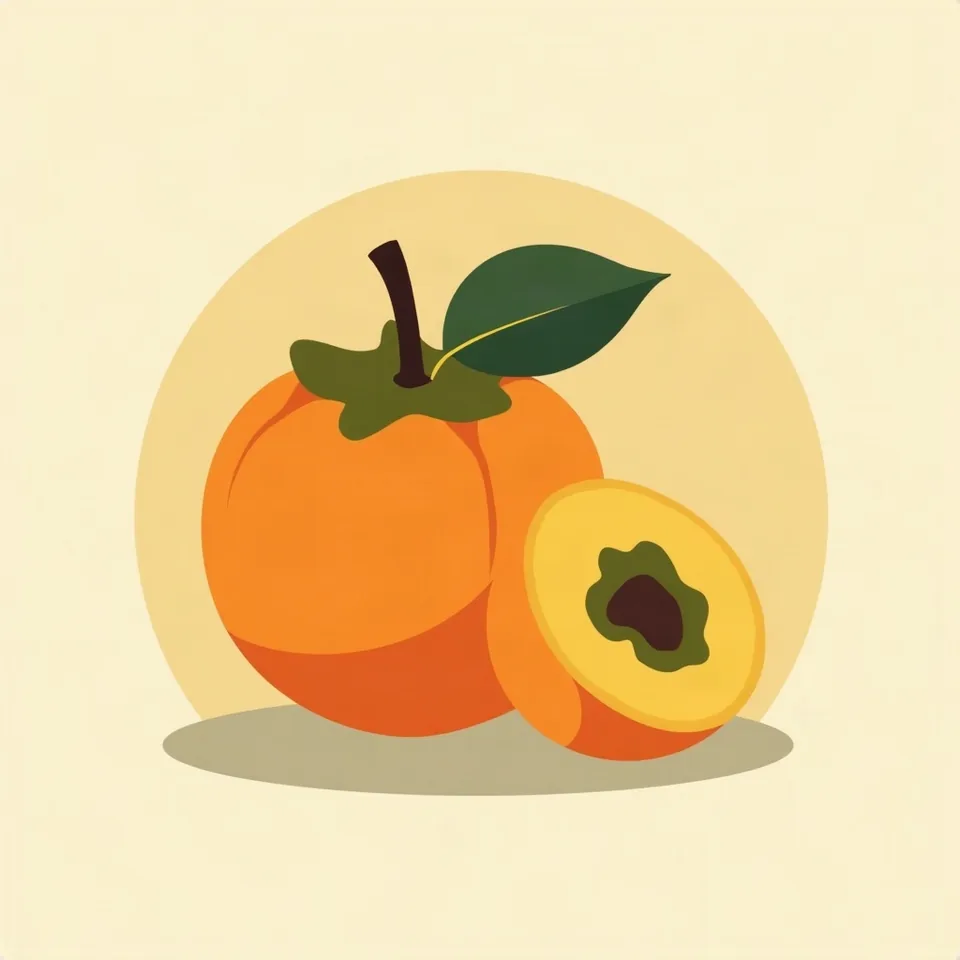
Can dogs eat persimmon?
Yes, but only ripe flesh with no seeds or skin, and in small amounts. Persimmon seeds can block the intestine, and unripe fruit contains tannins that form hard masses in the stomach.
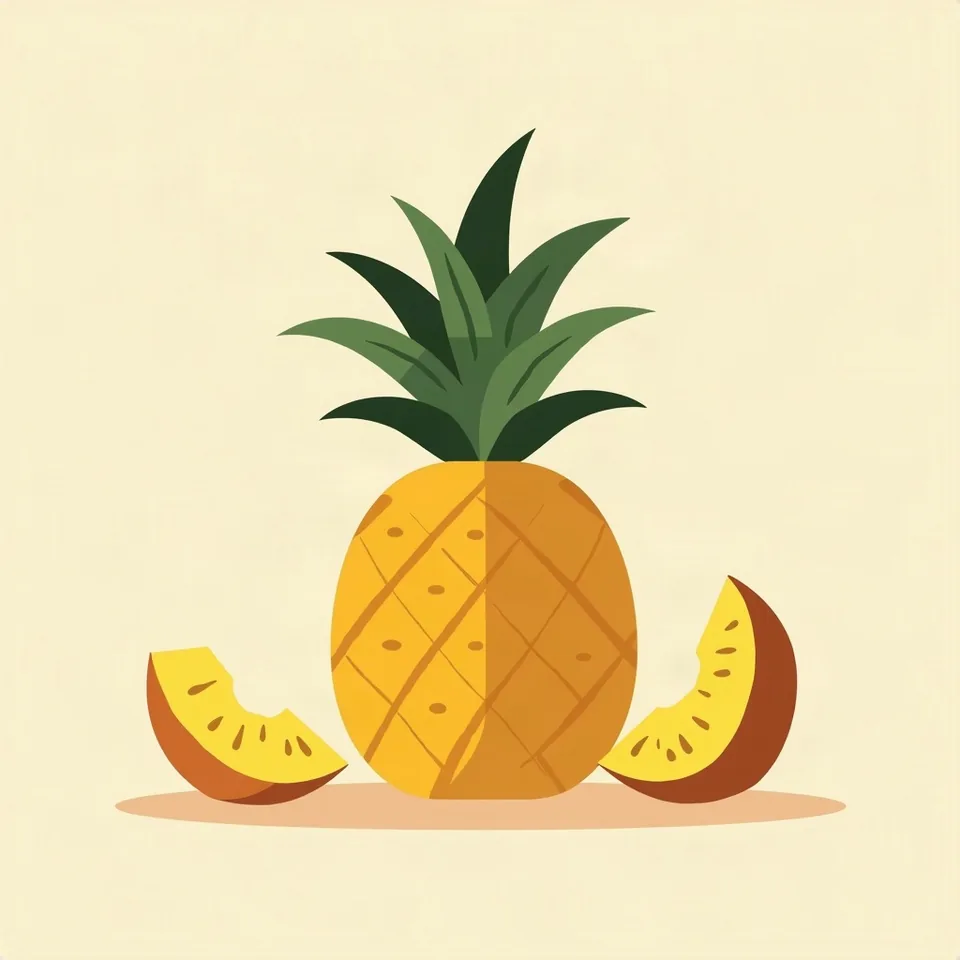
Can dogs eat pineapple?
Yes, in moderation. Fresh pineapple flesh, with the skin and core removed, is safe for dogs in small amounts, but it's high in sugar, and the tough skin and core can injure the mouth or block the gut.
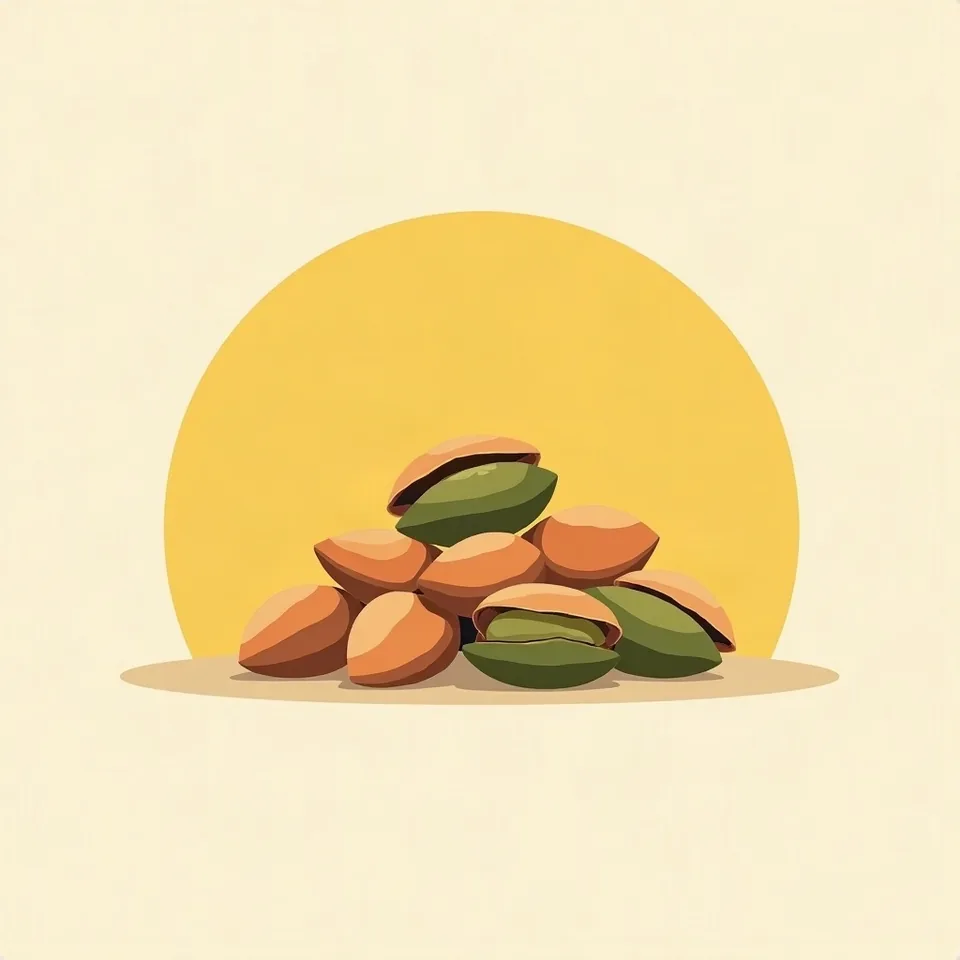
Can dogs eat pistachios?
Yes, but only a few shelled, unsalted pistachios now and then. They aren't acutely toxic like macadamia nuts, but they're high in fat and the shell can block the gut.
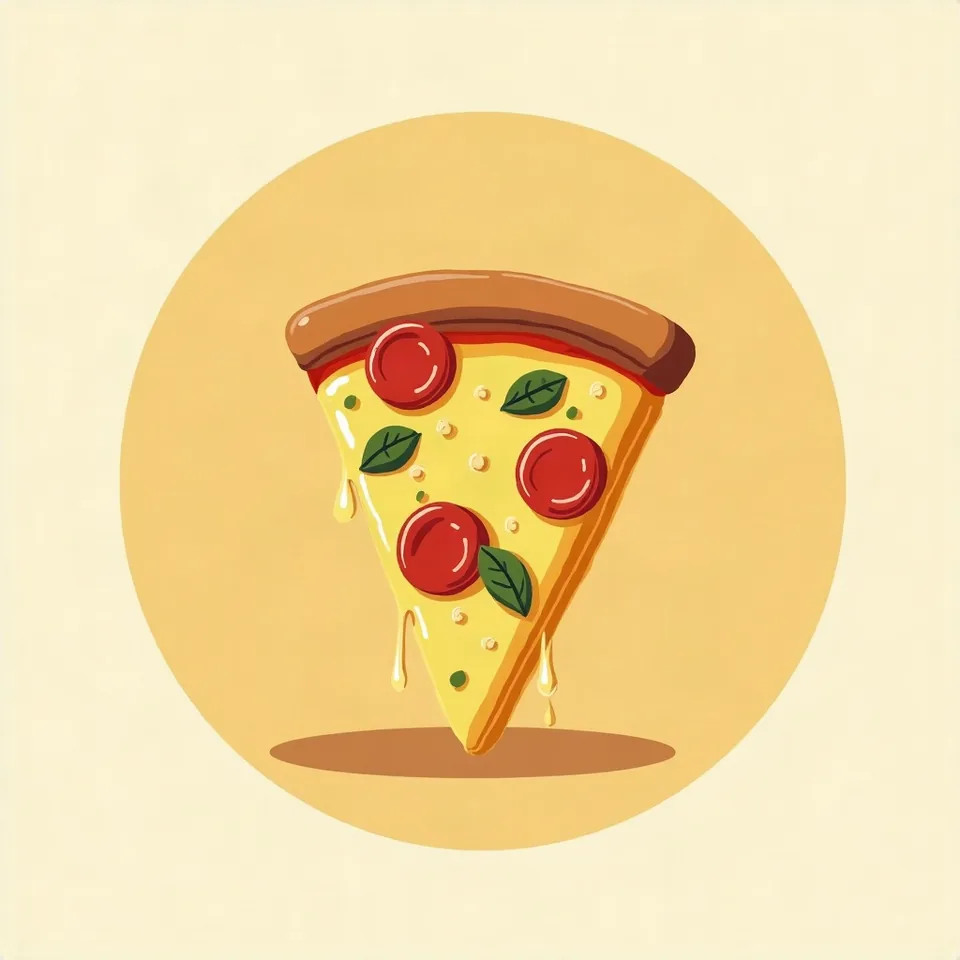
Can dogs eat pizza?
No, pizza isn't suitable for dogs. It combines high fat and salt from the cheese and cured meat with risky ingredients like onion, garlic, or onion and garlic powder in the sauce. A bite of plain crust won't hurt a large dog, but skip the rest.
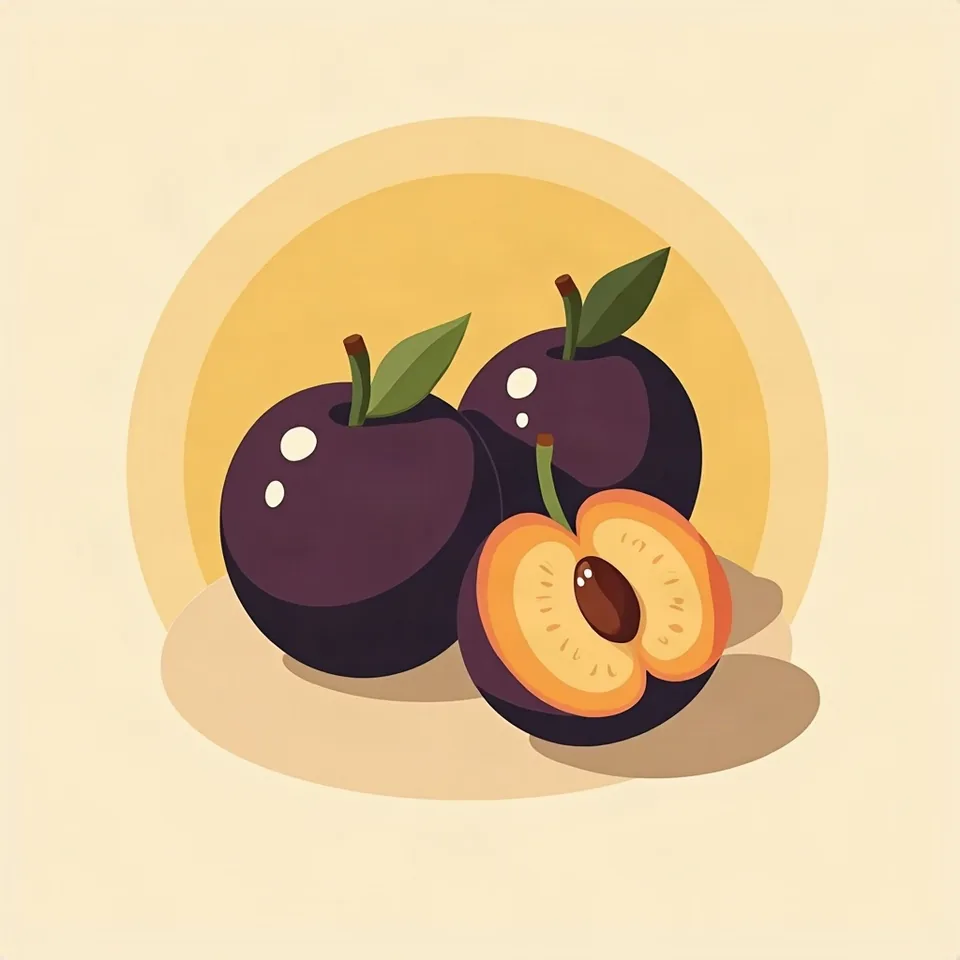
Can dogs eat plums?
Yes, but in moderation. Plum flesh is safe in small amounts, but the pit is hard and contains traces of cyanide. Plums can also have a laxative effect in larger quantities.
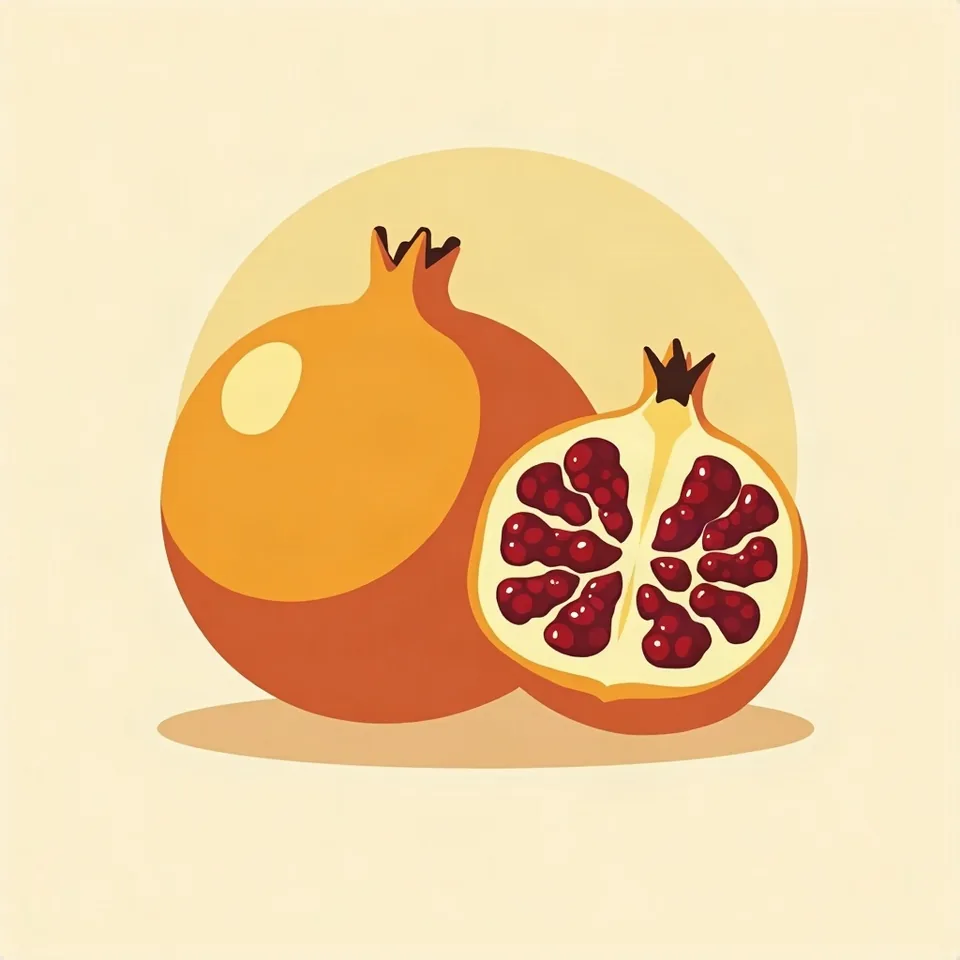
Can dogs eat pomegranate?
Yes, dogs can eat pomegranate pulp without the seeds' hard peel or the white membrane, but only in small amounts. The rind and white pith contain tannins that irritate digestion.
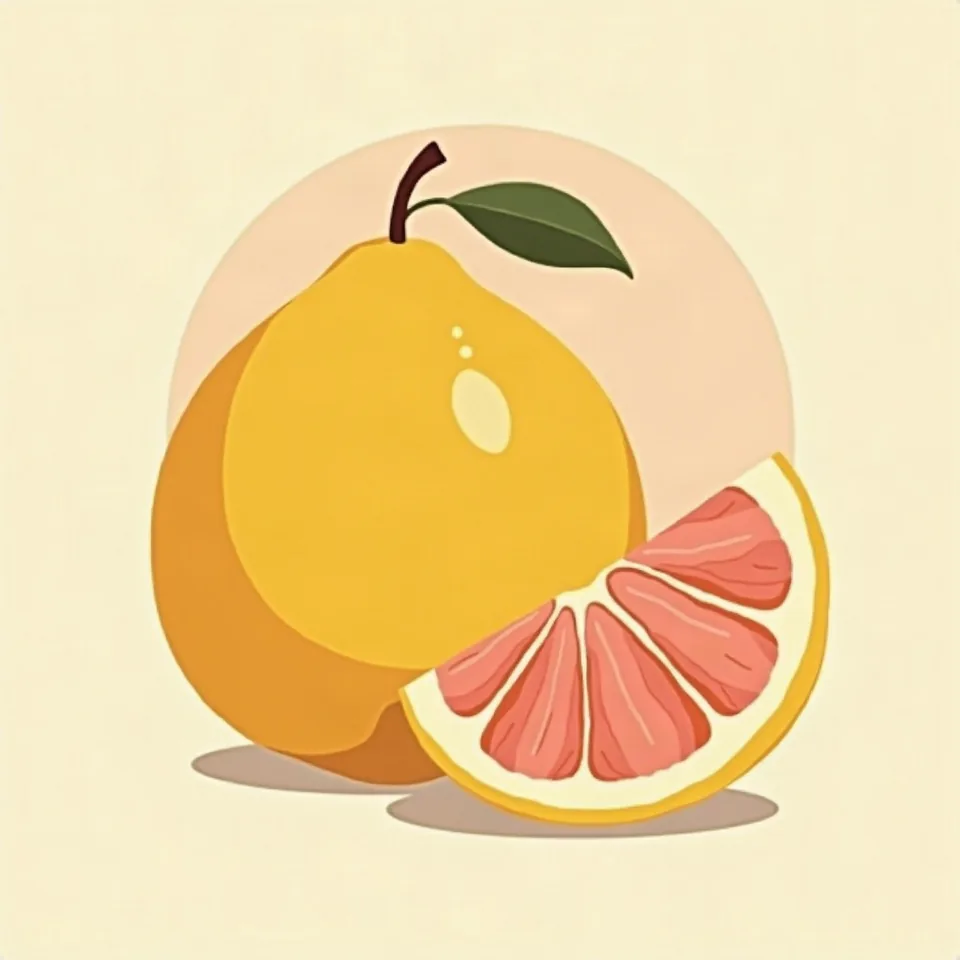
Can dogs eat pomelo?
Yes, but only the peeled flesh, with no seeds, and in small amounts. Pomelo is high in sugar, and the peel's citrus oils can upset digestion, so it's fine only as an occasional treat.

Can dogs eat popcorn?
Yes, a few pieces of plain popcorn without salt or butter are usually fine for dogs. Unpopped kernels are a choking hazard, though, and salty, buttery popcorn from the cinema or a microwave bag should be avoided entirely.
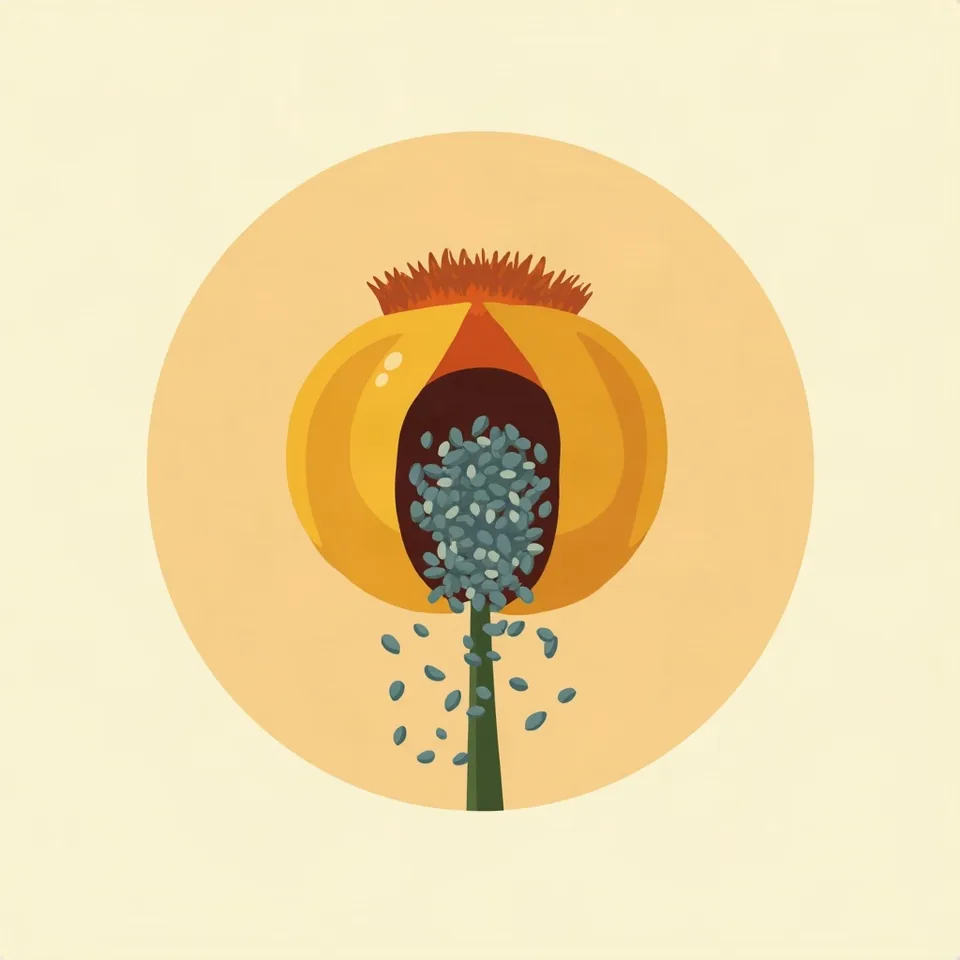
Can dogs eat poppy seeds?
No, don't give dogs poppy seeds. They offer no nutrients a dog actually needs, they're high in fat, and they almost always show up baked into sugary desserts that are hard on a dog's digestion.
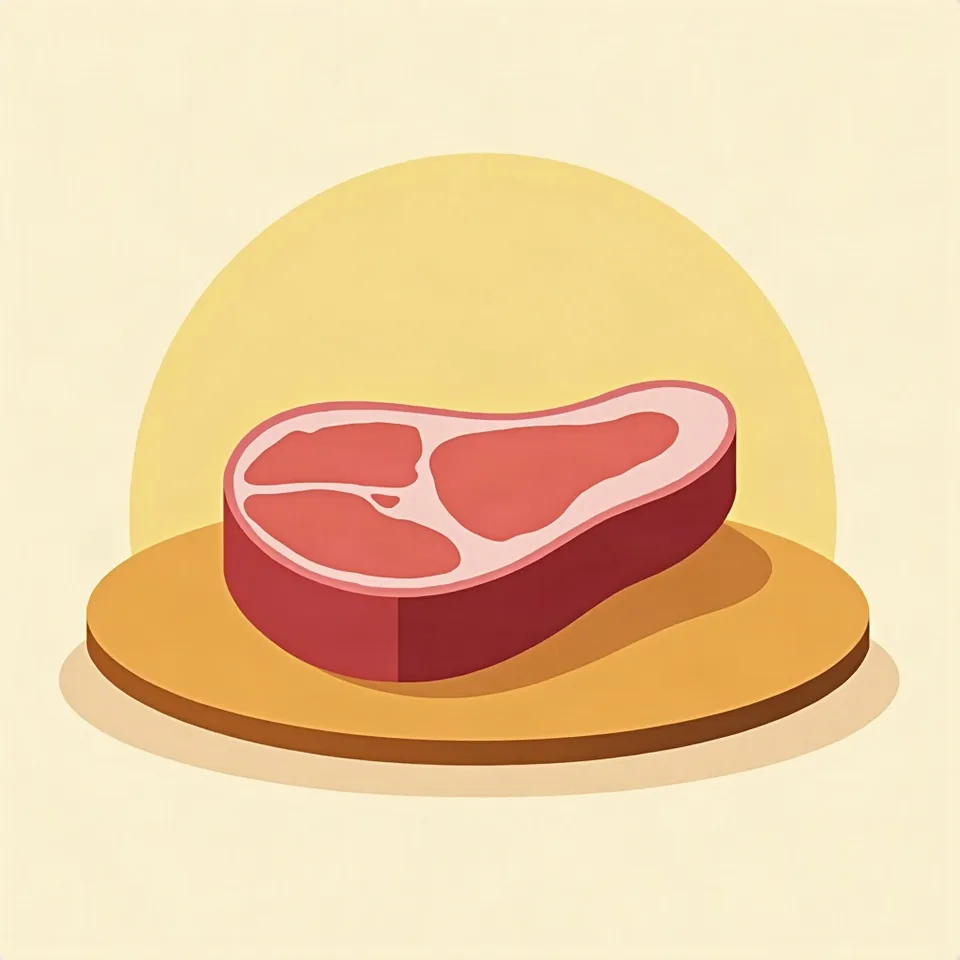
Can dogs eat pork?
Yes, well-cooked lean pork without seasoning is safe for dogs, but raw or undercooked pork, especially from wild boar, must never be fed because of the risk of parasites and transmissible disease.
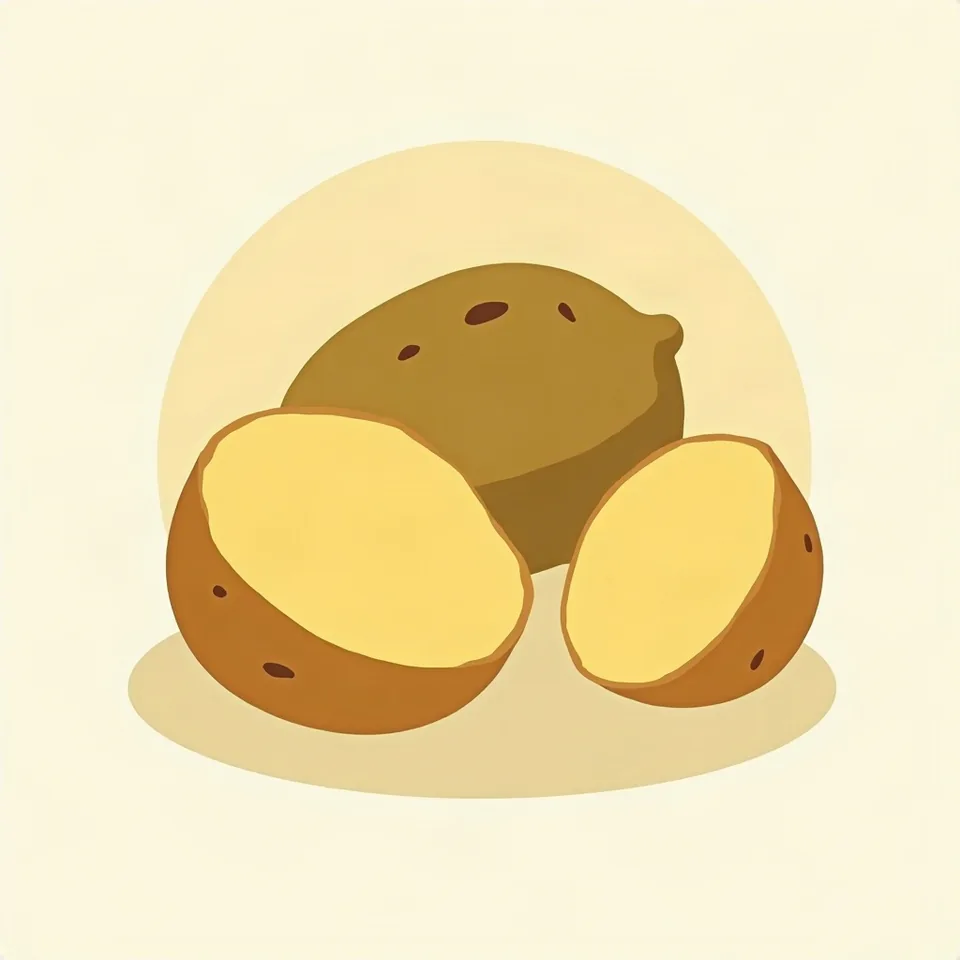
Can dogs eat potatoes?
Yes, but only cooked, peeled, and unsalted. Raw and green potatoes, along with sprouted eyes, contain solanine, which is toxic to dogs. Even cooked potato isn't something your dog needs; it's more of a filler side dish than a healthy treat.
Can dogs eat pumpkin?
Yes, cooked or plain pumpkin flesh is very healthy for dogs, and vets often recommend it to help with digestive upset. Always choose plain pumpkin puree, never pie filling with added sugar and spices.
Can dogs eat radishes?
Yes, radishes are not toxic to dogs and are fine in small amounts. Their sharp, peppery taste is not a hit with most dogs, and larger amounts can irritate the stomach and cause gas.
Can dogs eat raisins?
No. Raisins are just as dangerous as grapes, arguably more so, since drying concentrates the toxin. There is no safe amount. If your dog eats any, call your vet right away.
Can dogs eat raspberries?
Yes, dogs can eat raspberries in moderation. They're low in sugar and high in fiber and antioxidants, but they do contain a trace amount of natural xylitol, so they're not something to feed every day.
Can dogs eat raw meat?
Yes, raw meat isn't toxic to dogs and forms the backbone of BARF diets, but it carries a real risk of bacterial contamination such as salmonella, listeria and E. coli, mainly to the people in the household. It calls for a trustworthy source and strict hygiene.
Can dogs eat rice?
Yes, cooked rice is safe for dogs and easy to digest. Vets commonly recommend it as part of a bland diet for digestive upset, usually paired with cooked chicken.
Can dogs eat salami?
No, dogs should not eat salami. It is extremely high in fat and salt and often seasoned with garlic or onion, which can trigger pancreatitis or salt poisoning. A single thin slice of lean salami will not usually harm a large dog, but it is not a suitable everyday treat.
Can dogs eat salmon?
Yes, well-cooked, boneless salmon is a healthy source of omega-3 fatty acids for dogs, but raw or smoked salmon should never be fed because of the risk of a serious infection and its high salt content.
Can dogs eat salt?
No, dogs should not get salt added to their regular diet. They need a small amount of sodium, but complete dog food already provides enough. Added salt, salty foods, or even salt water can cause salt poisoning, which is fatal in severe cases.
Can dogs eat soup?
Yes, but it depends on the recipe. Homemade unsalted broth or soup with no onion or garlic won't hurt a dog in small amounts, but store-bought and instant soups are unsuitable because of the salt and onion they contain.
Can dogs eat spinach?
Yes, spinach is safe for dogs only in small amounts. It contains oxalates, which in larger doses bind calcium and may contribute to urinary stones. An occasional small portion will not hurt a healthy dog.
Can dogs eat sponge biscuits?
Yes, a piece of a plain sponge biscuit with no coating won't hurt a dog as a rare exception, it's essentially just egg, flour, and sugar. They shouldn't be a regular treat though, and chocolate-coated or diet versions should be avoided.
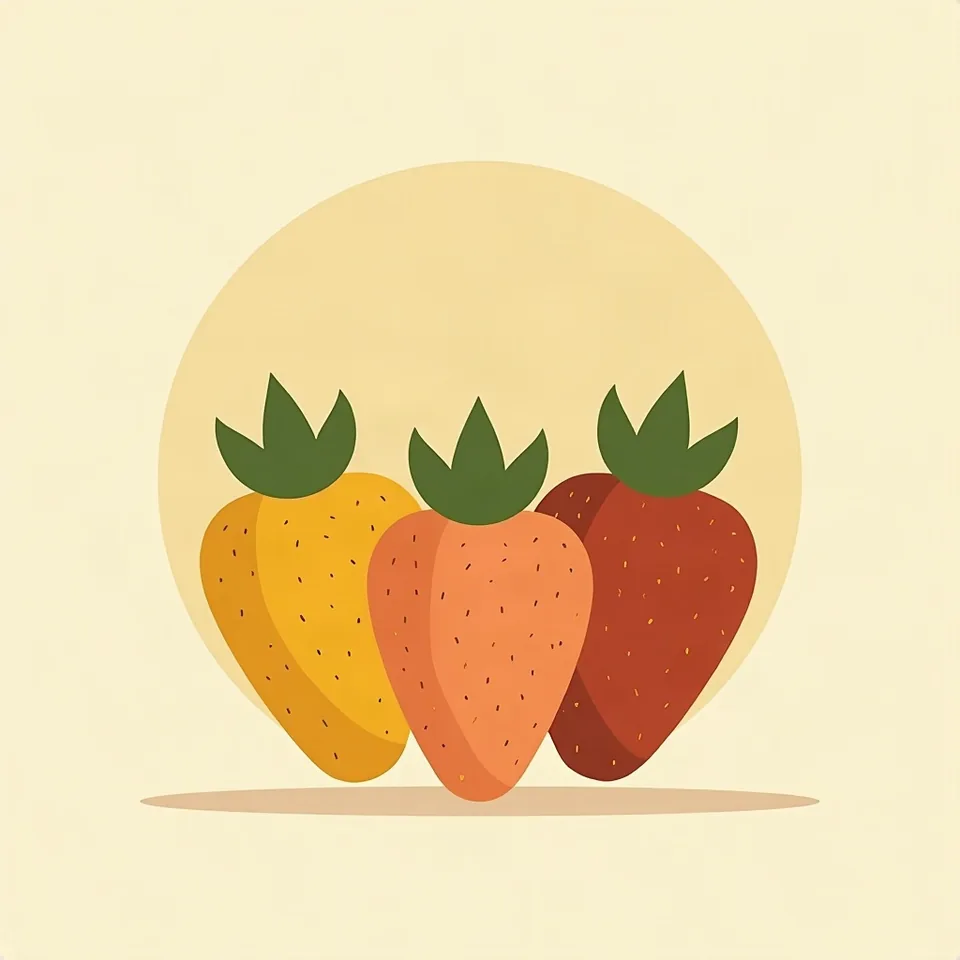
Can dogs eat strawberries?
Yes, dogs can eat strawberries. They're low in calories, full of vitamin C and antioxidants, and most dogs love them. Serve them washed, with the leafy top removed, and in a reasonable amount because of the sugar content.
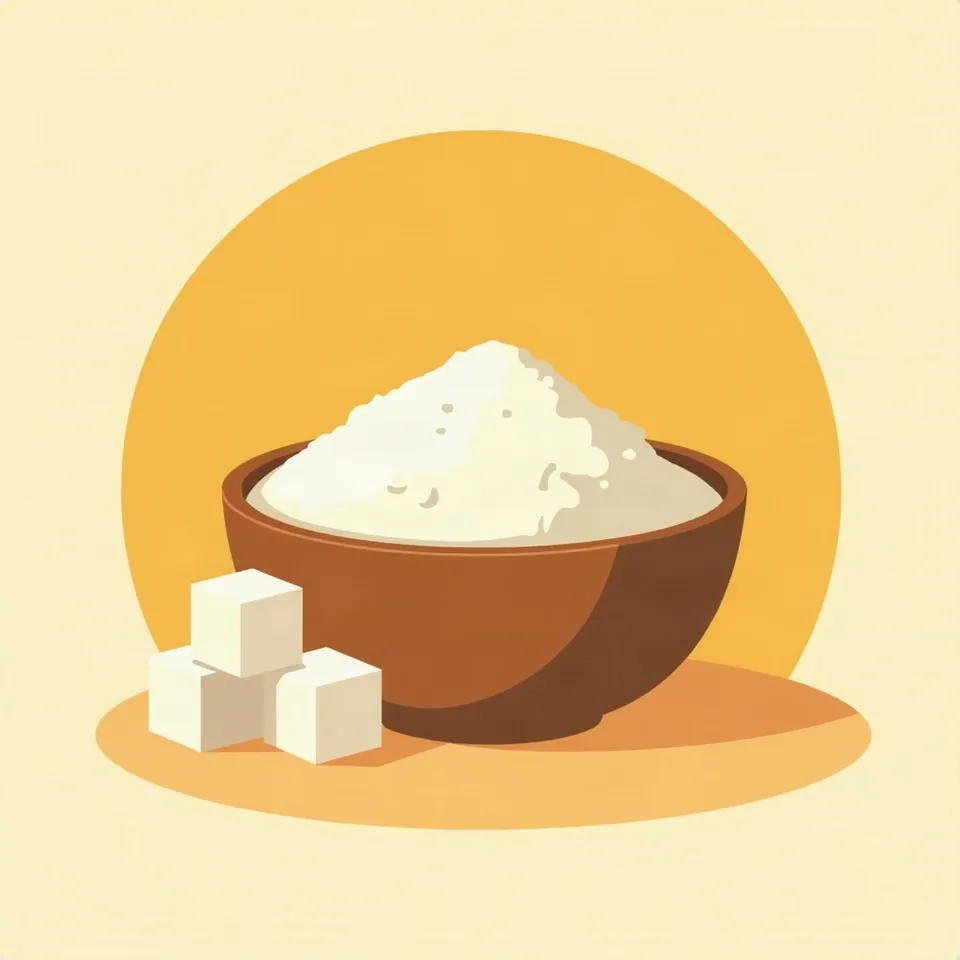
Can dogs eat sugar?
No, plain sugar isn't recommended for dogs. It isn't acutely toxic the way chocolate or xylitol is, but it has no nutritional value, and regular feeding leads to weight gain, tooth decay, and a higher risk of pancreatitis.
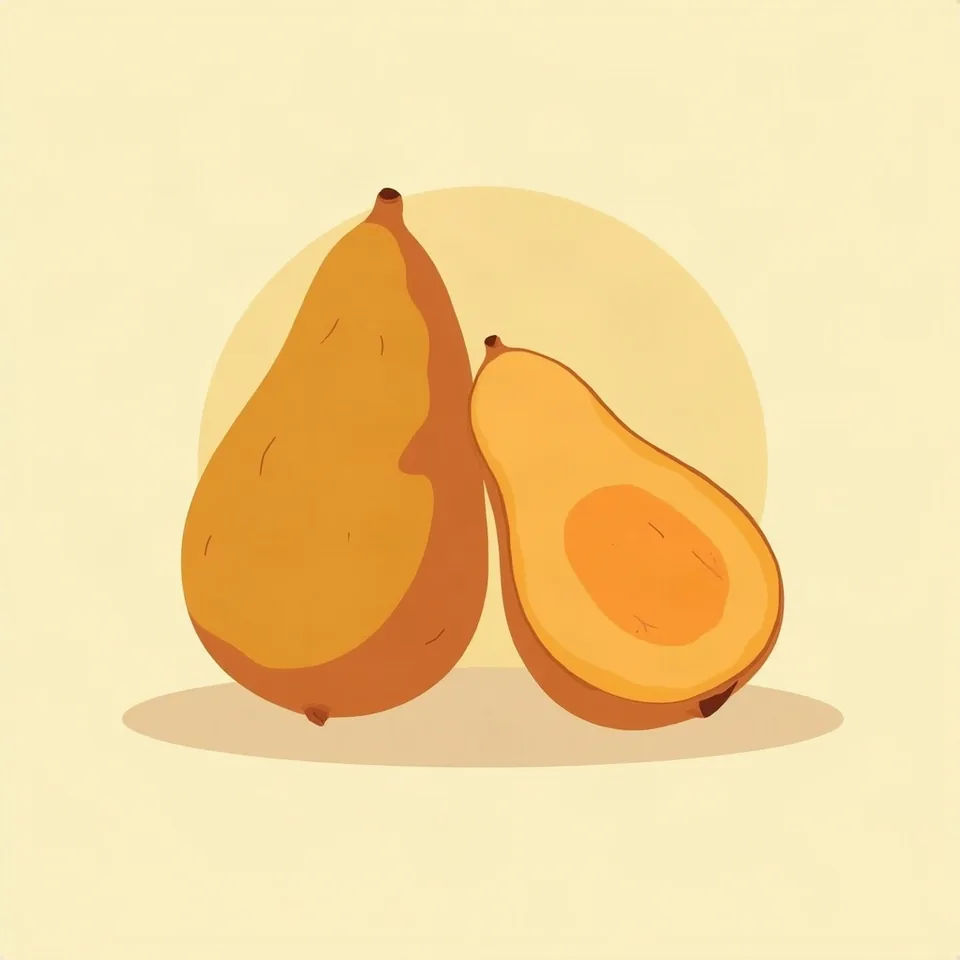
Can dogs eat sweet potatoes?
Yes, dogs can eat sweet potatoes, but only cooked and peeled, and in small amounts. Raw sweet potato is hard to digest, and larger portions strain digestion because of the high starch content.

Can dogs eat tofu?
Yes, dogs can eat tofu in small amounts. It's a safe source of plant protein, but it shouldn't replace meat and can cause bloating or an allergic reaction in sensitive dogs.
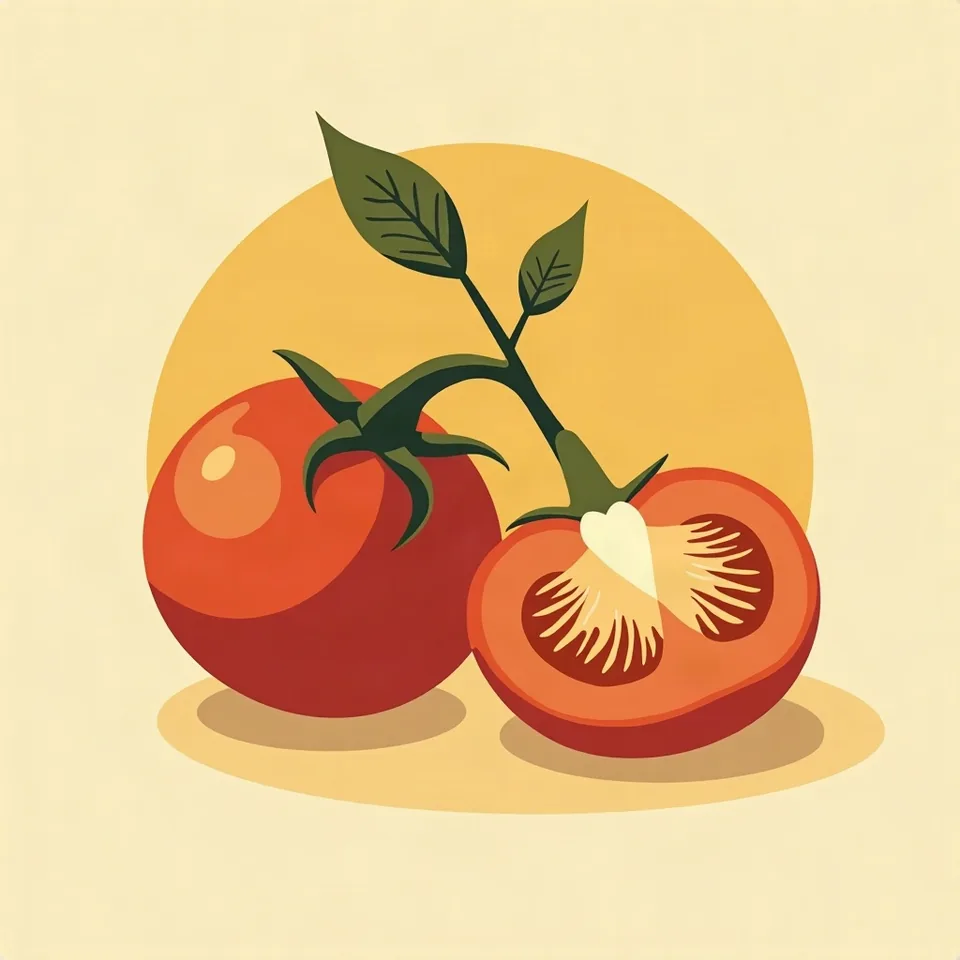
Can dogs eat tomatoes?
Yes, but only ripe red tomato flesh in small amounts, never the leaves or stems. Unripe green tomatoes and the plant's leaves and stems contain solanine and tomatine, which can cause digestive and even neurological problems.
Can dogs eat tuna?
Yes, tuna packed in water can be an occasional treat for dogs in small amounts, but because of its mercury and salt content it shouldn't become a regular part of the diet.
Can dogs eat walnuts?
No, walnuts aren't recommended for dogs. They're very high in fat and can trigger pancreatitis, and mouldy or fallen walnuts contain mycotoxins that cause tremors and seizures.
Can dogs eat watermelon?
Yes, dogs can eat watermelon. The flesh is about ninety percent water, low in calories, and most dogs love it as a summer treat. Just always remove the seeds and the tough rind first.
Can dogs eat xylitol?
No. Xylitol is highly toxic to dogs. Even a small amount can trigger a sharp drop in blood sugar, and larger doses can cause acute liver failure. Any suspected exposure is always an emergency.
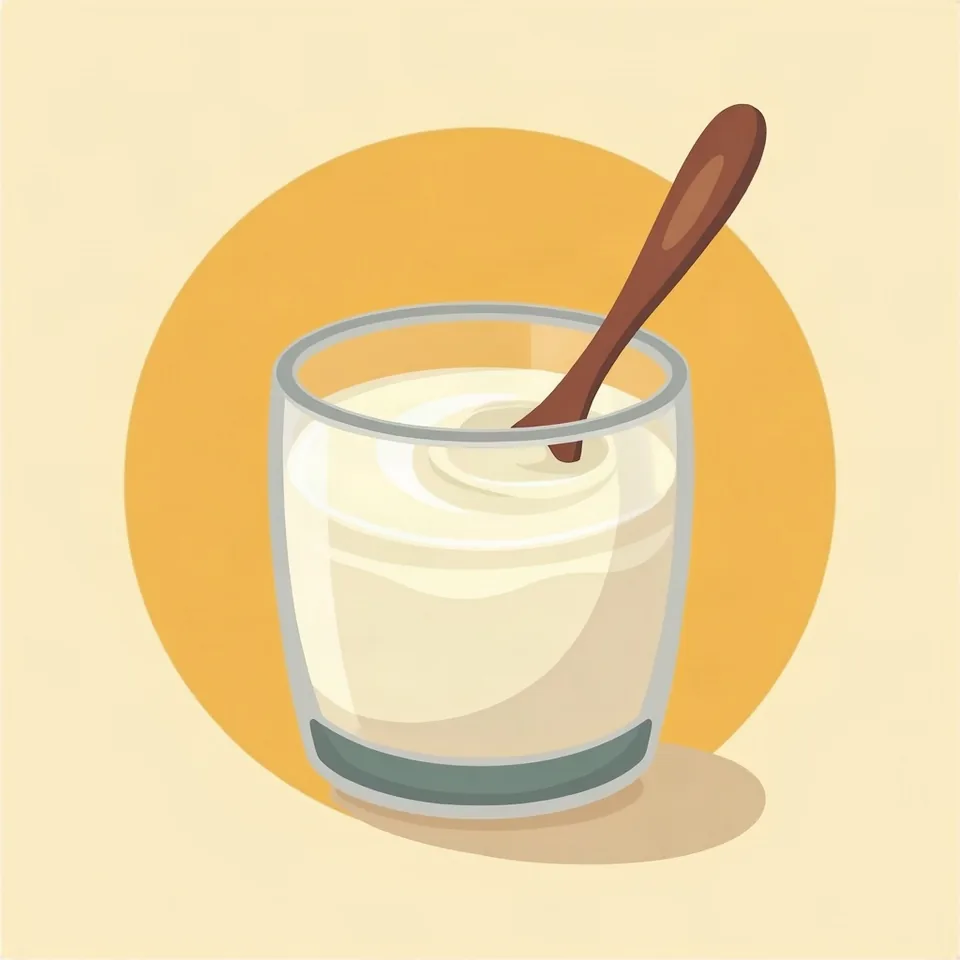
Can dogs eat yogurt?
Yes, plain yogurt with no added sugar or flavoring can be given to dogs in small amounts as a source of probiotics and calcium, but because of the lactose and the risk of xylitol in flavored versions, keep it occasional and always plain.
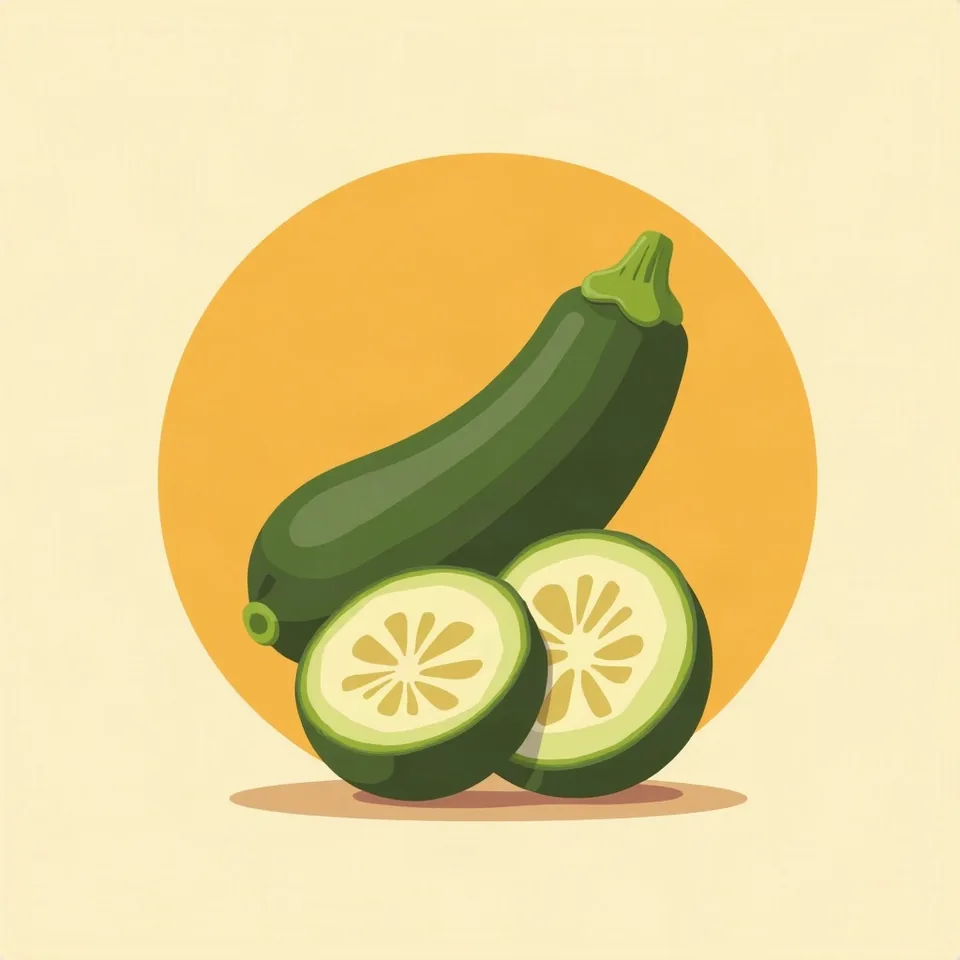
Can dogs eat zucchini?
Yes, zucchini is safe for dogs and low in calories. It's mostly water with a little fiber and vitamins, and makes a light treat even for dogs on a diet. Serve it raw or cooked, with no salt, oil, or seasoning.
Nothing matches that combination.
Before you feed your dog from the table
What foods are toxic to dogs?
The foods with solid evidence of toxicity include alcohol, chewing gum, chocolate, coffee, garlic, grapes, leeks, macadamia nuts and a few others. Every one of them has its own page here with the dangerous dose, the symptoms and what to do. Filter the list above by "Toxic" to see them all.
How many treats can a dog have?
Treats and anything outside a complete food should stay under 10 % of daily energy. For a 10 kg (22 lb) dog that is roughly 40 to 50 kcal, so about three slices of banana or half an egg. The rest of the diet has to come from a balanced food.
How do I introduce a new food to my dog?
Always in small pieces, one new food at a time, with a few days between them. Watch the stools, the skin and the behaviour. If you see diarrhoea, vomiting or itching, drop that food and mention it to your vet.
My dog ate something toxic. What now?
Find out what and how much, then call your vet or an emergency clinic straight away. Do not make your dog vomit unless a vet tells you to. With most poisonings speed matters: within one to two hours the substance can still be removed from the stomach, later only the symptoms can be treated.