Can dogs eat ham?
Short answer
No, ham should not be a regular part of a dog's diet. Even lean ham is high in salt and often contains phosphates and flavorings that strain the kidneys and pancreas with regular feeding. An occasional piece of plain ham without rind or fat is usually fine for a healthy large dog.
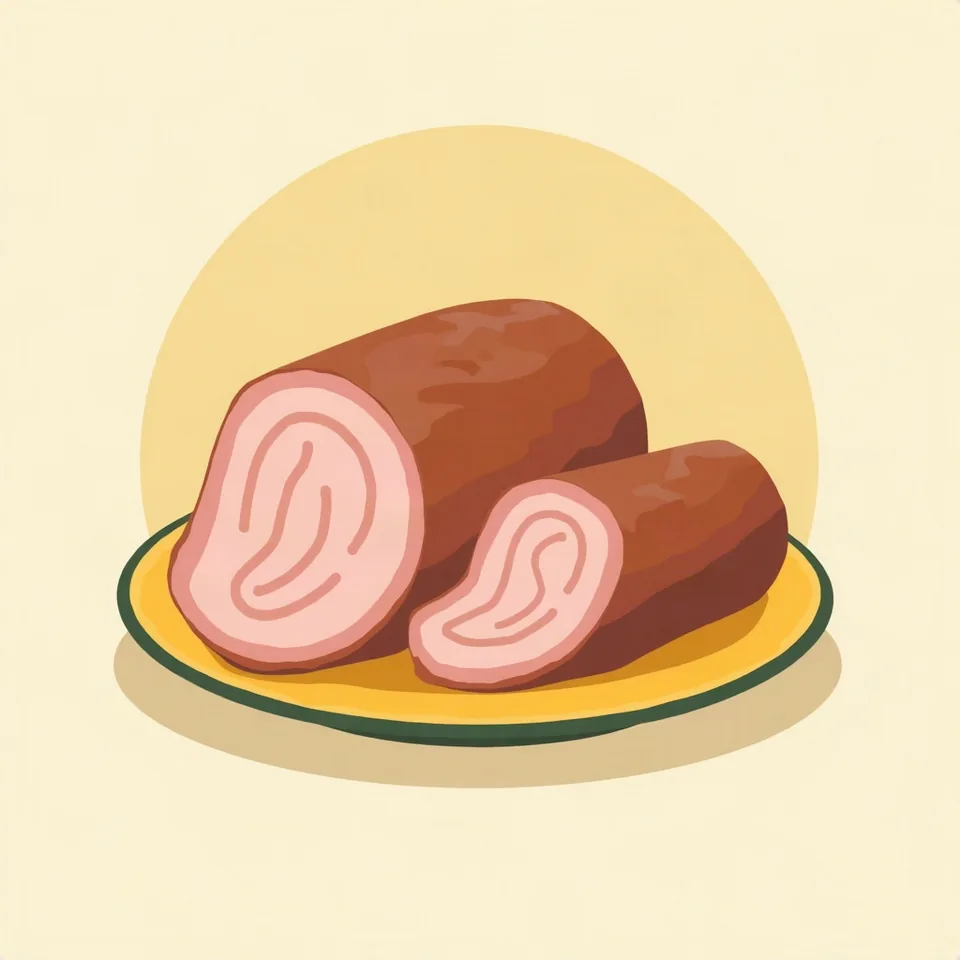
Ham looks like a harmless treat, but its high salt content and the additives used in curing make it unsuitable as a regular dog treat. Here is a look at the risks, a safe amount, and better alternatives.
Why not
Even lean cooked ham contains far more sodium than fresh meat; manufacturers add salt as a preservative and for flavor. A hundred grams (3.5 oz) of ham can contain over 1 g of salt, a noticeable load for a 10 kg (22 lb) dog in one sitting. Excess sodium strains the kidneys and can cause excessive thirst and urination.
Fattier cuts of ham, or ham with the rind and visible fat left on, carry the same risk as other cured meats: overloading the pancreas and possibly triggering acute pancreatitis. The risk is higher in small breeds, overweight dogs, and breeds known to be predisposed, like Schnauzers.
Cheaper hams contain phosphates, dextrose, flavor enhancers, and sometimes traces of seasoning. These additives are not acutely toxic, but with repeated feeding they are not good for a dog's system and can irritate the digestive tract in sensitive individuals. Higher-quality ham with a larger meat content usually has fewer of these additives, though salt content remains the main issue regardless of quality.
Rough portion
No regular portion is recommended. Occasionally, a small piece of lean cooked ham without rind or fat is fine, a nail-sized bite for a small dog, a few small cubes for a large one, at most now and then, not as a regular training reward.
Risks
- Excess salt intake straining the kidneys, especially in small dogs and dogs with kidney disease.
- Risk of pancreatitis with fattier cuts of ham.
- Additives (phosphates, flavorings) in cheaper cured products.
- Getting used to salty, strongly flavored food can reduce interest in regular kibble.
Symptoms to watch for
- Excessive thirst and urination
- Vomiting or diarrhea
- Loss of appetite with larger amounts
- Abdominal pain with pancreatitis
Your dog already ate ham. What now?
- A small piece of plain ham usually needs no follow-up in a healthy dog, just watch their water intake and stool the next day.
- If your dog eats a larger amount or an entire package, offer plenty of fresh water and watch for signs of excessive drinking and urination.
- Contact your vet for repeated vomiting, a painful belly, or lethargy, this could point to early pancreatitis or salt poisoning.
- For dogs with kidney or heart disease, check with your vet before feeding even a small amount.
Common questions about dogs and ham
Can my dog have ham every day as a training treat?
No, ham is not suitable for daily rewards because of its salt content. For training, use cooked, lean chicken without salt or seasoning instead, or store-bought dog treats that are low in sodium. Save ham for the occasional special occasion.
Is turkey or chicken ham safer than pork ham?
The fat content tends to be a bit lower, but the salt and additives are similar to pork ham. There is no major difference in sodium content; poultry ham is still a cured product that is not recommended as a regular treat for dogs.
How much salt is dangerous for a dog?
The toxic threshold is considered to be roughly 2-3 g of salt per kilogram of body weight, with a fatal dose around 4 g/kg. A typical piece of ham will not come close to those numbers, but regular salty treats add up and put ongoing strain on the kidneys and heart.
Can my dog have a ham bone or the packaging it comes in?
No. The foil, string, and netting that ham is often sold in can cause an intestinal blockage or injury to the digestive tract if swallowed. Throw packaging away immediately in a closed bin your dog cannot reach, and do not leave it loose on the counter or in an open trash can.
Safer alternatives
Can dogs eat beef?
Yes, cooked or stewed lean beef is an excellent source of protein for dogs and is one of the most common ingredients in both homemade and commercial dog food. Just avoid fatty cuts, seasoning, and the risks that come with raw meat.
Can dogs eat carrots?
Yes, carrots are safe for dogs and rank among the best treats you can give them. They're low in calories, full of fiber and beta-carotene, and raw carrots even help clean teeth. Cut them to a size that suits your dog.

Can dogs eat eggs?
Yes, eggs are an excellent source of protein and biotin for dogs, ideally boiled or scrambled without salt or fat. Raw eggs aren't recommended because of the risk of salmonella and reduced biotin absorption.
Can dogs eat chicken?
Yes, cooked chicken with no skin, bones, or seasoning is one of the best and most digestible protein sources for dogs. Vets commonly recommend it as part of a bland diet for stomach upset too.
More from human food
Can dogs eat bacon?
No, bacon is not recommended for dogs. It is extremely high in fat and salt and is one of the most common triggers of acute pancreatitis in dogs. An occasional small piece of crispy cooked bacon usually will not seriously harm a healthy large dog, but it is not a good regular treat.
Can dogs eat french fries?
No, french fries aren't a good treat for dogs. They're deep-fried in a lot of oil and heavily salted, which strains the pancreas and kidneys. A few unsalted fries as a rare exception won't hurt a large, healthy dog, but they shouldn't become a regular reward.

Can dogs eat hot dogs?
No, don't give dogs hot dogs. They're high in fat, salt, and preservatives and often contain garlic or onion powder, raising the risk of pancreatitis and putting unnecessary strain on the body. One small bite of a cooked hot dog usually won't seriously harm a large dog.
Sources
- ASPCA: People Foods to Avoid Feeding Your Pets
- Merck Veterinary Manual: Sodium Ion Poisoning in Animals
Last updated 2 September 2026.