Dog nutrition, made clear
Feed your dog
without the guesswork.
Calculators built on veterinary formulas, straight answers on what dogs can and cannot eat, and nutrition tuned to the breed. No marketing, with sources.

Searching 107 foods. Not there? Tell us and we will add it.
Calculators
Work it out instead of guessing
How much to feed?
Daily portion by weight, age, activity and the energy on the bag. Grams and ounces, plus monthly usage and cost.
Open calculator →
Raw feeding calculator
A raw diet split into meat, bone, organs and vegetables. Daily and weekly.
Open calculator →
Dog age in human years
Converted by breed size and by the epigenetic formula. With a full chart.
Open calculator →Dangerous foods
What a dog must never eat
These foods are toxic to dogs. Each page gives the dangerous dose, the symptoms of poisoning and exactly what to do.
Can dogs eat alcohol?
No, dogs should never drink or taste any alcohol. Even small amounts of ethanol can cause sedation, loss of coordination, a drop in body temperature, and in severe cases respiratory failure. Get emergency veterinary help right away.

Can dogs eat chewing gum?
No. Most sugar-free chewing gum today contains xylitol, which is highly toxic to dogs, even a single piece can be dangerous. Gum with sugar is risky too, because the sticky gum base itself can block the digestive tract.

Can dogs eat chocolate?
No. Chocolate is toxic to dogs. It contains theobromine, which dogs break down far more slowly than people do. The darker the chocolate and the smaller the dog, the greater the danger. Call your vet right away if your dog eats any.
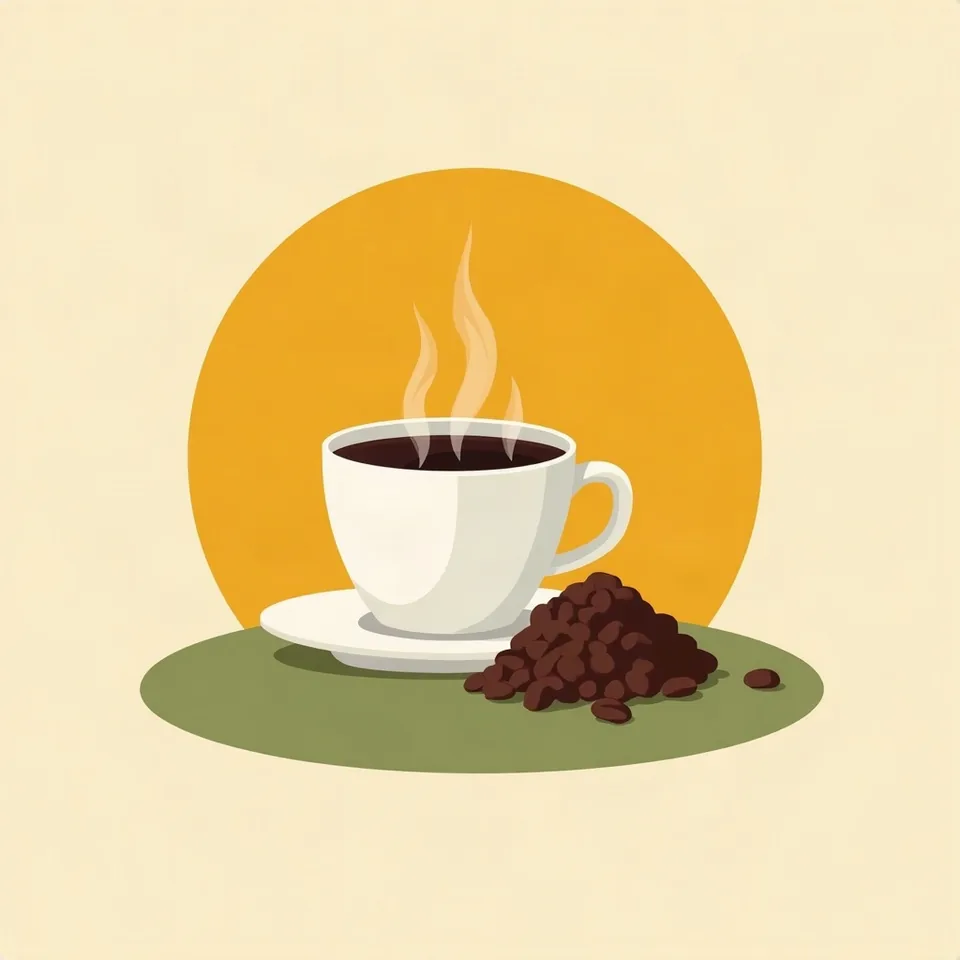
Can dogs eat coffee?
No, dogs should never drink coffee or eat coffee beans or grounds. Caffeine is a methylxanthine that's toxic to dogs even in small doses and can cause a racing heart, tremors, and seizures. Call your vet right away if your dog gets into any.
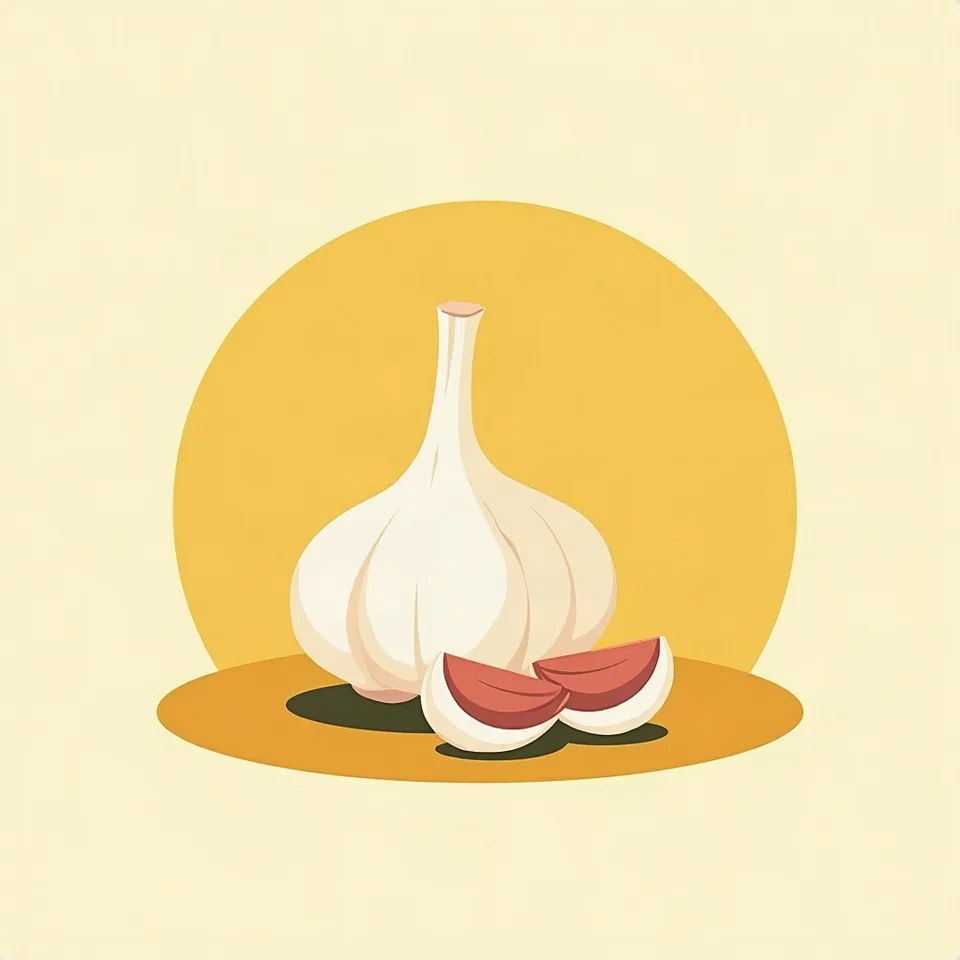
Can dogs eat garlic?
No, garlic is toxic to dogs in every form, raw, cooked, dried, powdered, or as a supplement. It's in the same family as onion but far more concentrated, and it damages red blood cells, causing hemolytic anemia.
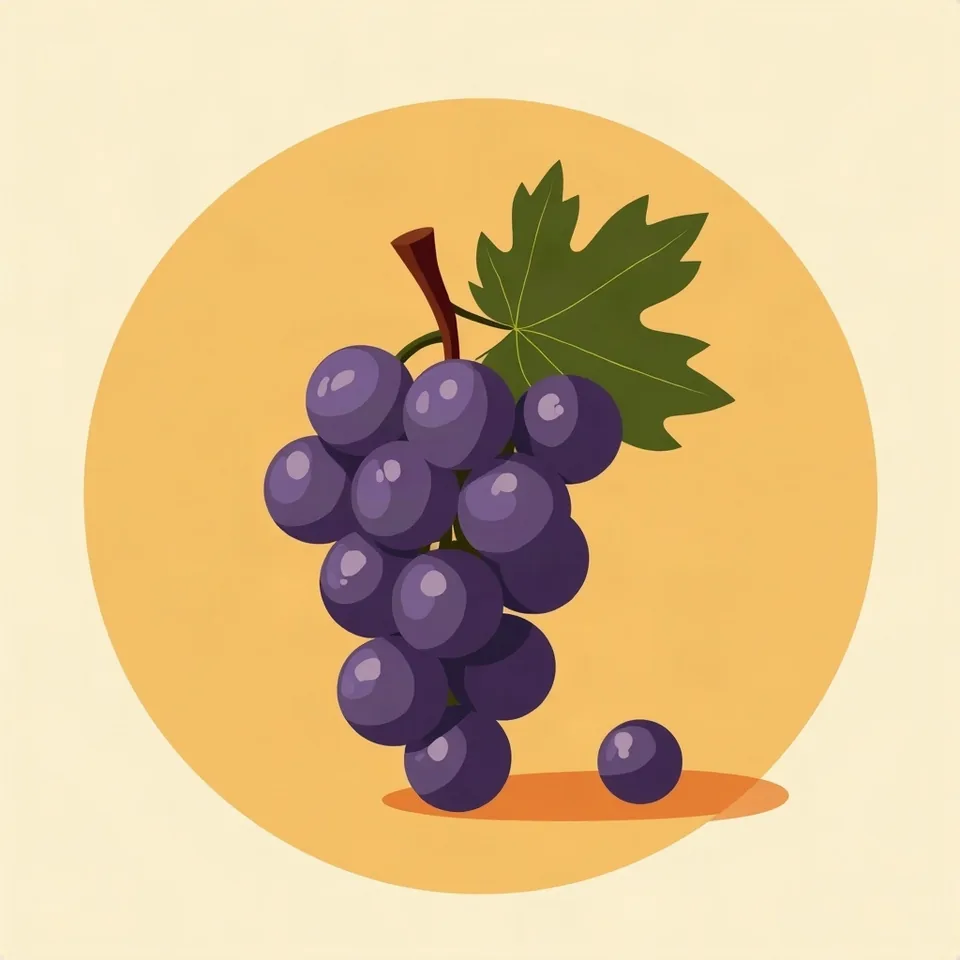
Can dogs eat grapes?
No. Grapes are highly toxic to dogs and can cause acute kidney failure. There's no known safe amount, and it doesn't depend on breed or size. Call your vet immediately if your dog eats any.
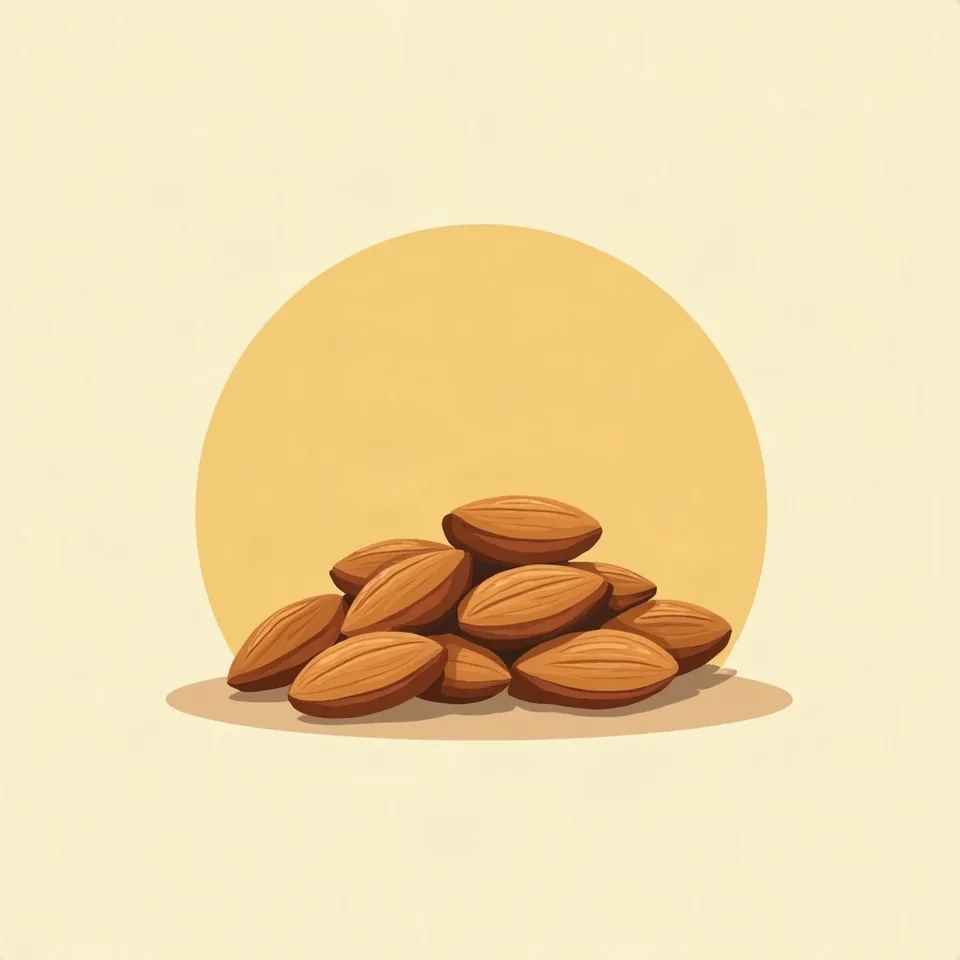
Can dogs eat almonds?
No, almonds aren't recommended for dogs. They're not toxic the way macadamia nuts are, but dogs digest them poorly, a whole nut poses a choking risk, and the high fat content can trigger pancreatitis.
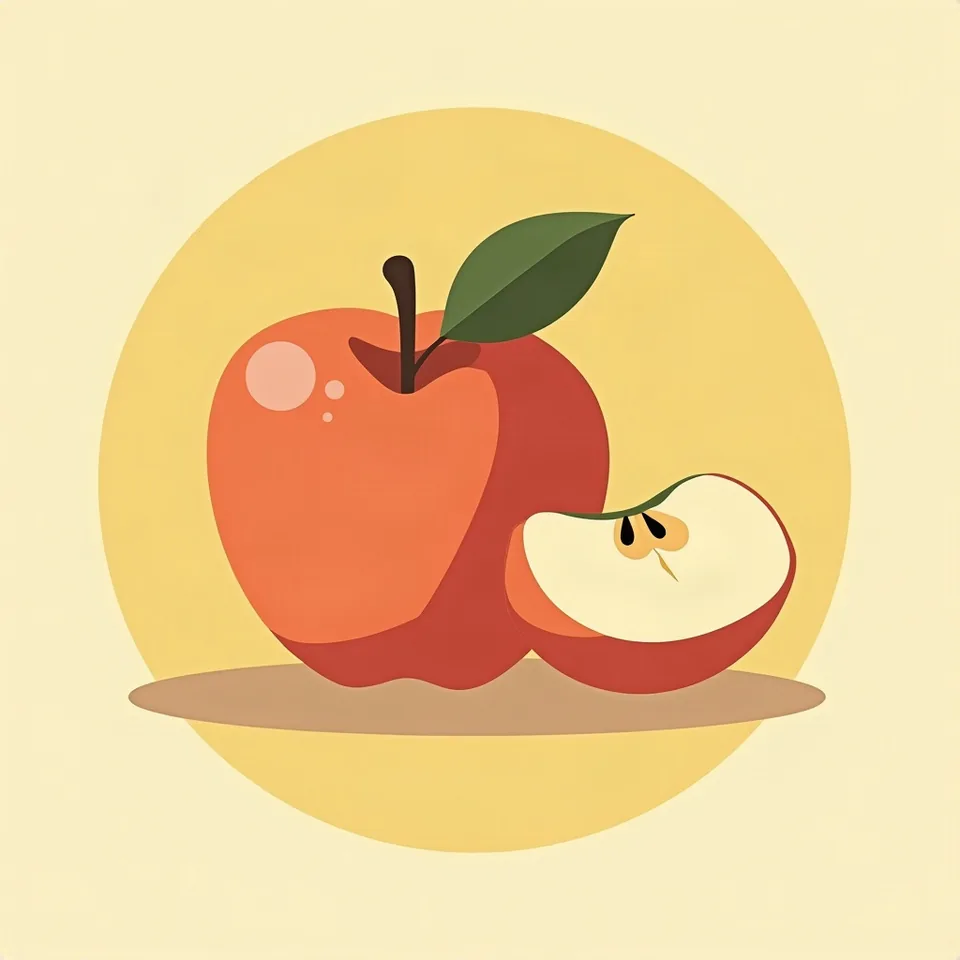
Can dogs eat apples?
Yes, dogs can eat apples. The flesh is safe, full of fiber and vitamin C, and even gives teeth a light mechanical clean. Always remove the core and seeds, though, and don't feed large pieces at once.
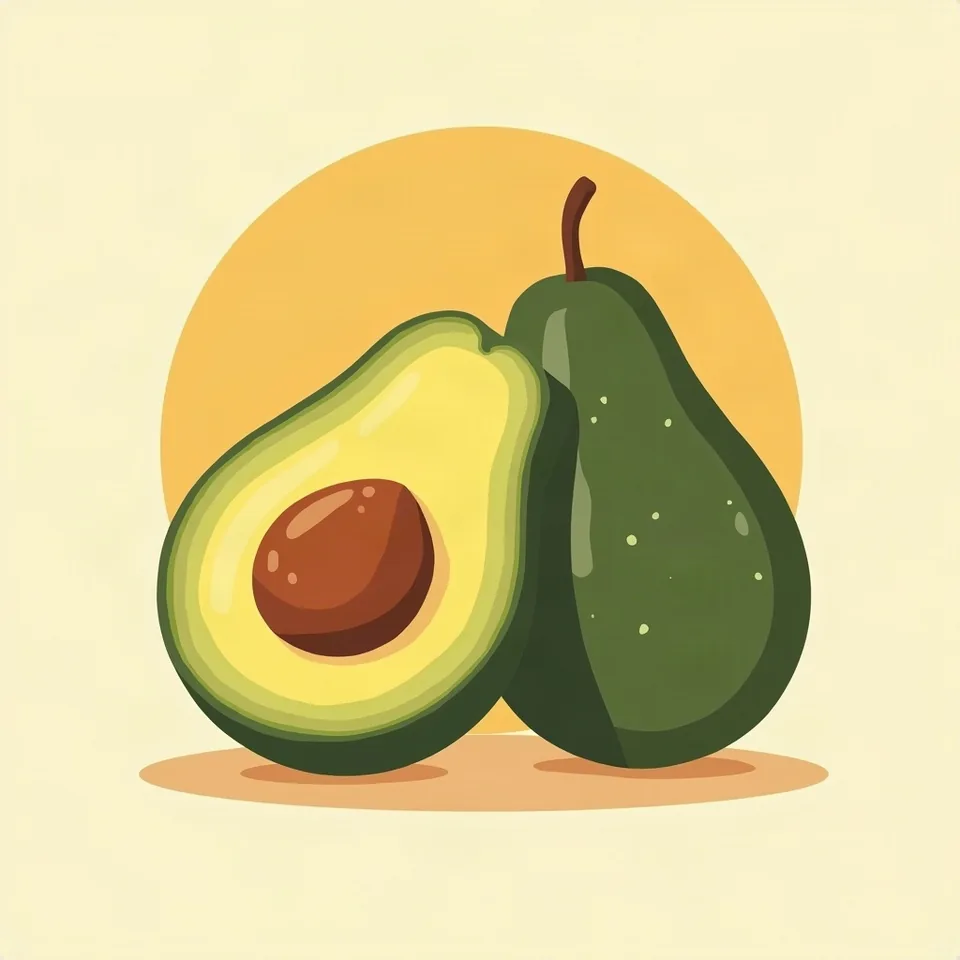
Can dogs eat avocado?
No, avocado isn't recommended for dogs. It contains persin, which dogs tolerate better than birds or horses do, but the pit is a serious choking and blockage hazard, and the high fat content can trigger pancreatitis.
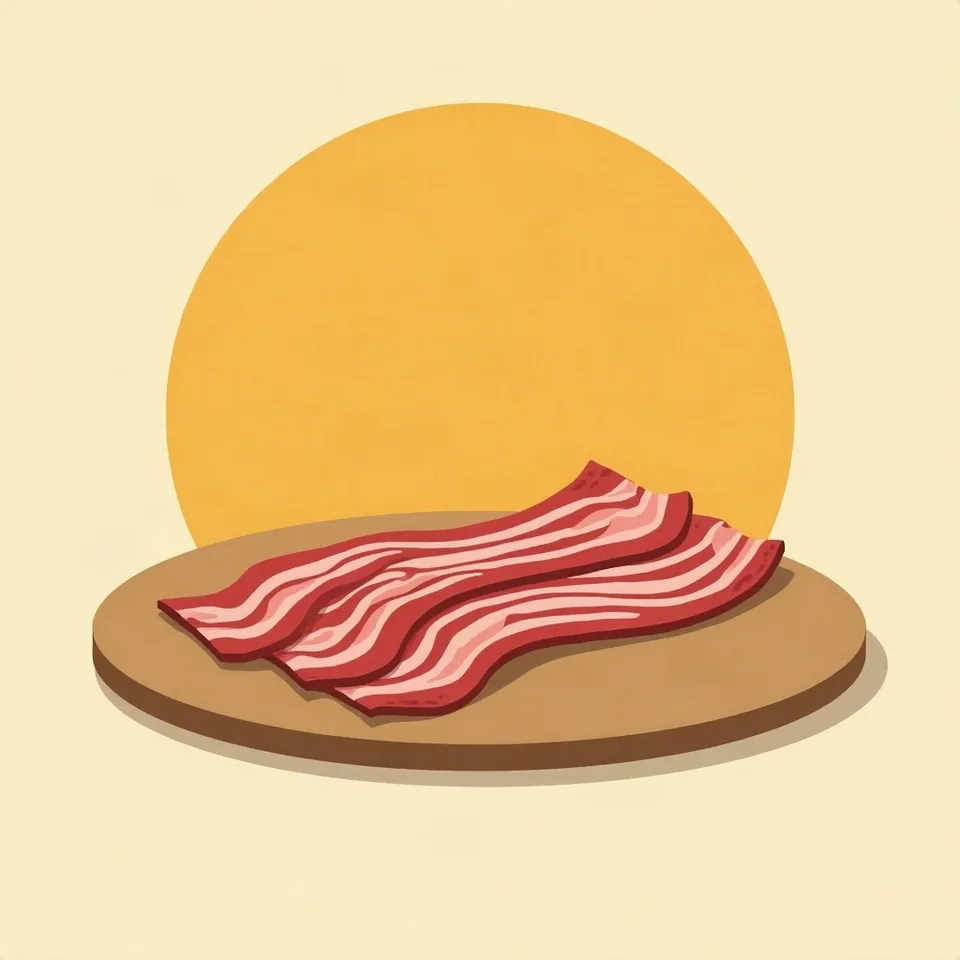
Can dogs eat bacon?
No, bacon is not recommended for dogs. It is extremely high in fat and salt and is one of the most common triggers of acute pancreatitis in dogs. An occasional small piece of crispy cooked bacon usually will not seriously harm a healthy large dog, but it is not a good regular treat.
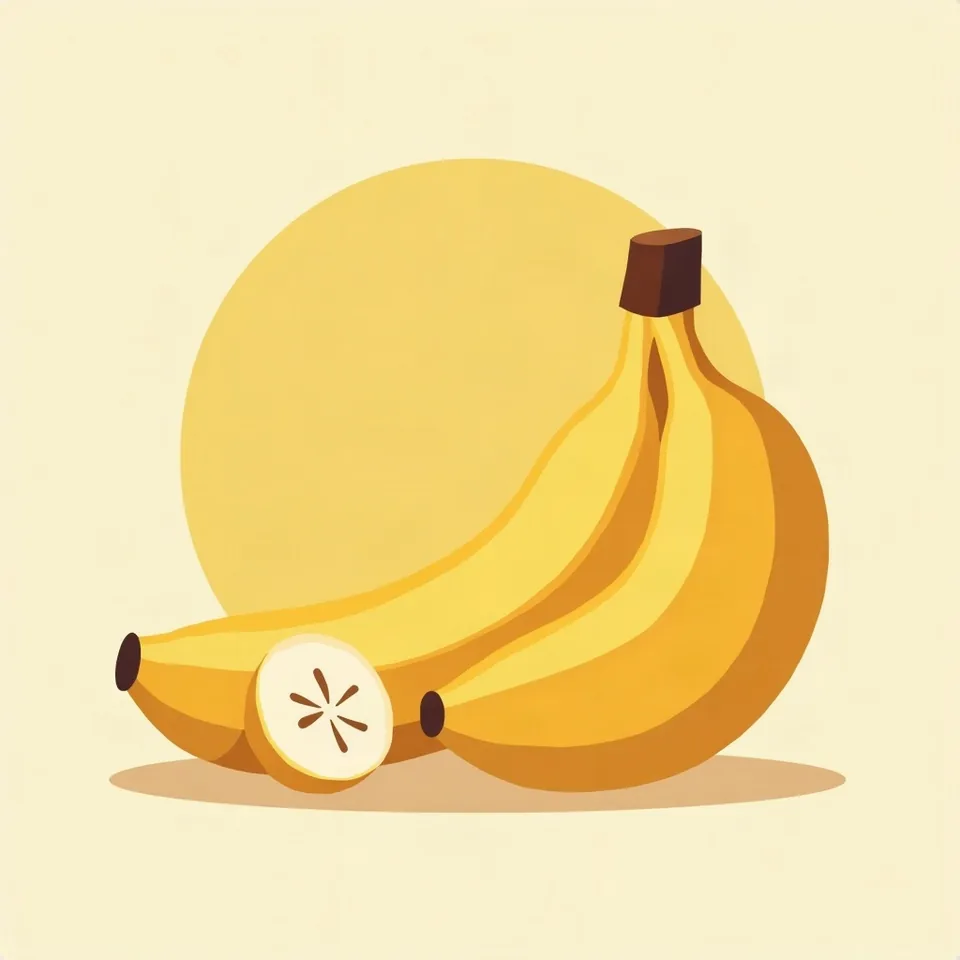
Can dogs eat bananas?
Yes, dogs can eat banana, but only as an occasional treat. It's safe and dogs tend to love it, but it's high in sugar. A small dog only needs 2 to 3 slices, a large dog about half a banana.

Can dogs eat bay leaves?
No, don't give dogs bay leaves. The stiff leaf has sharp, rigid veins that can injure the esophagus or gut, and it contains essential oils that irritate the digestive tract.
Breeds
Nutrition by breed
Labradors gain weight, Dachshunds have fragile backs, Bulldogs react to half the shelf. Every breed has its own pitfalls and food is the first lever you have.
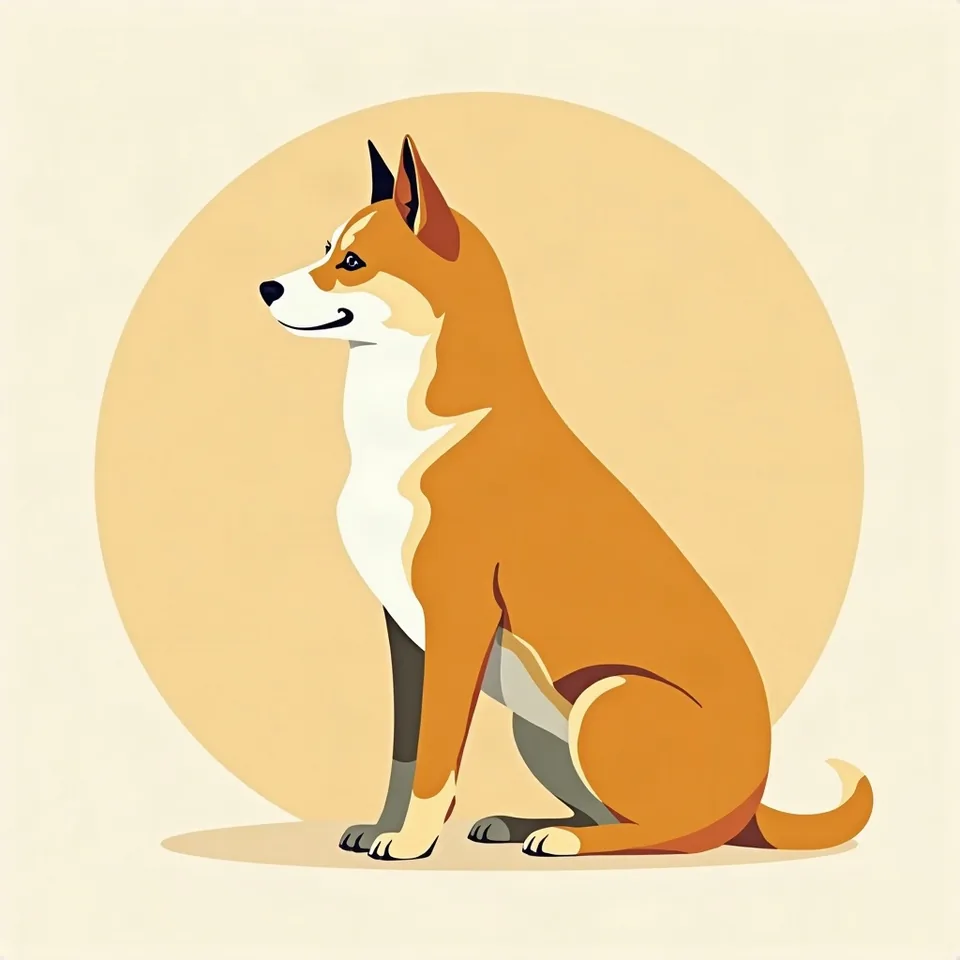
Akita
Large · 25–45 kg · 10–12 years
The Akita is a powerful, independent breed with a strong predisposition to autoimmune skin disease and thyroid problems. Here's how much an Akita should weigh, how diet affects autoimmune inflammation, and why careful feeding matters for this breed's risk of bloat.
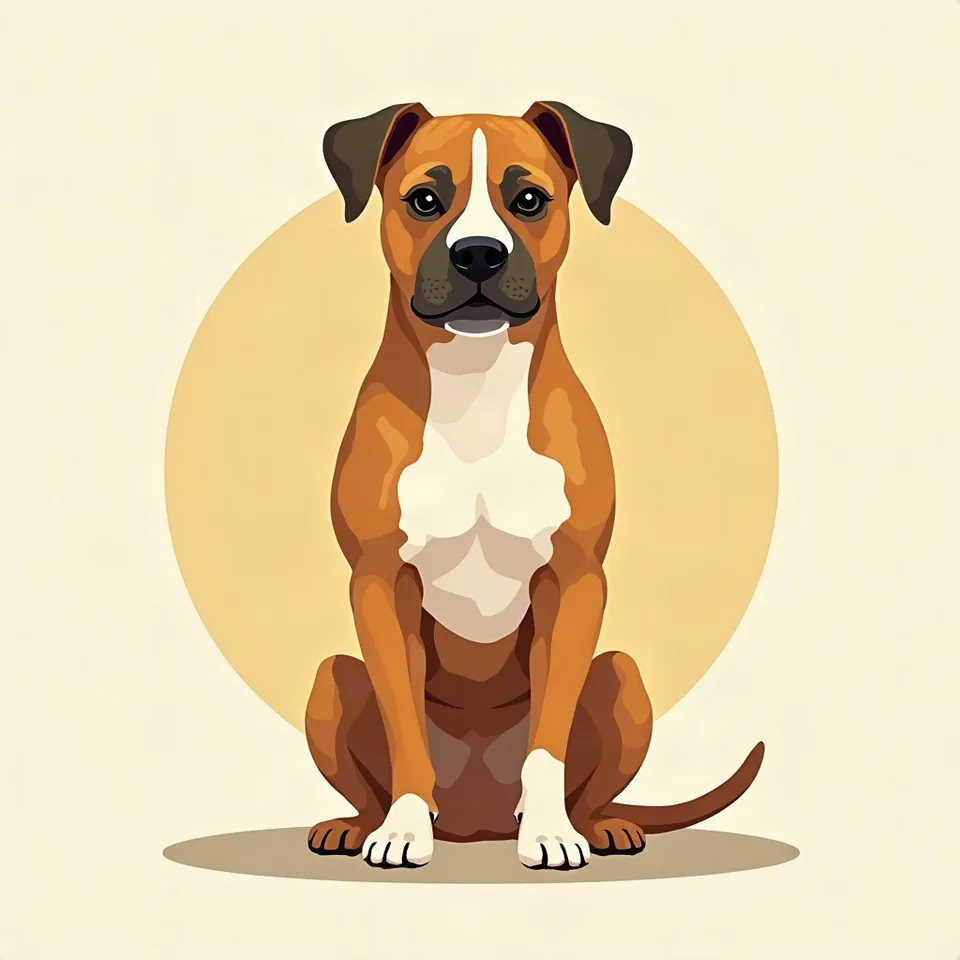
American Staffordshire Terrier
Large · 18–32 kg · 12–14 years
The American Staffordshire Terrier is a muscular, powerful breed prone to skin allergies and to weight gain if its energetic temperament doesn't get enough exercise. Here's how to support muscle and joints through diet, and how to recognize a food allergy in this breed.
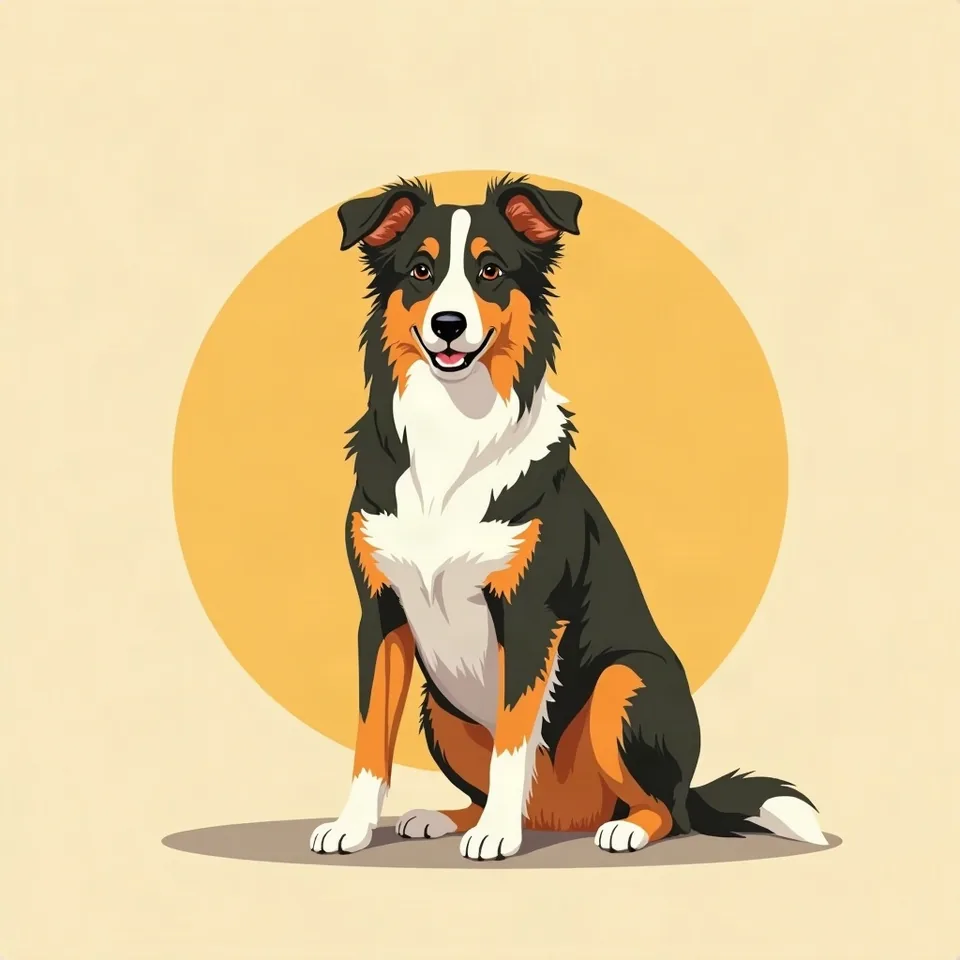
Australian Shepherd
Medium · 16–32 kg · 12–15 years
The Australian Shepherd is a working herding dog with enormous exercise and calorie needs, but also a breed with a well-known genetic sensitivity to certain drugs. Here's how to feed an Aussie according to its actual energy output, and what to watch for with the MDR1 gene mutation and a tendency toward epilepsy.
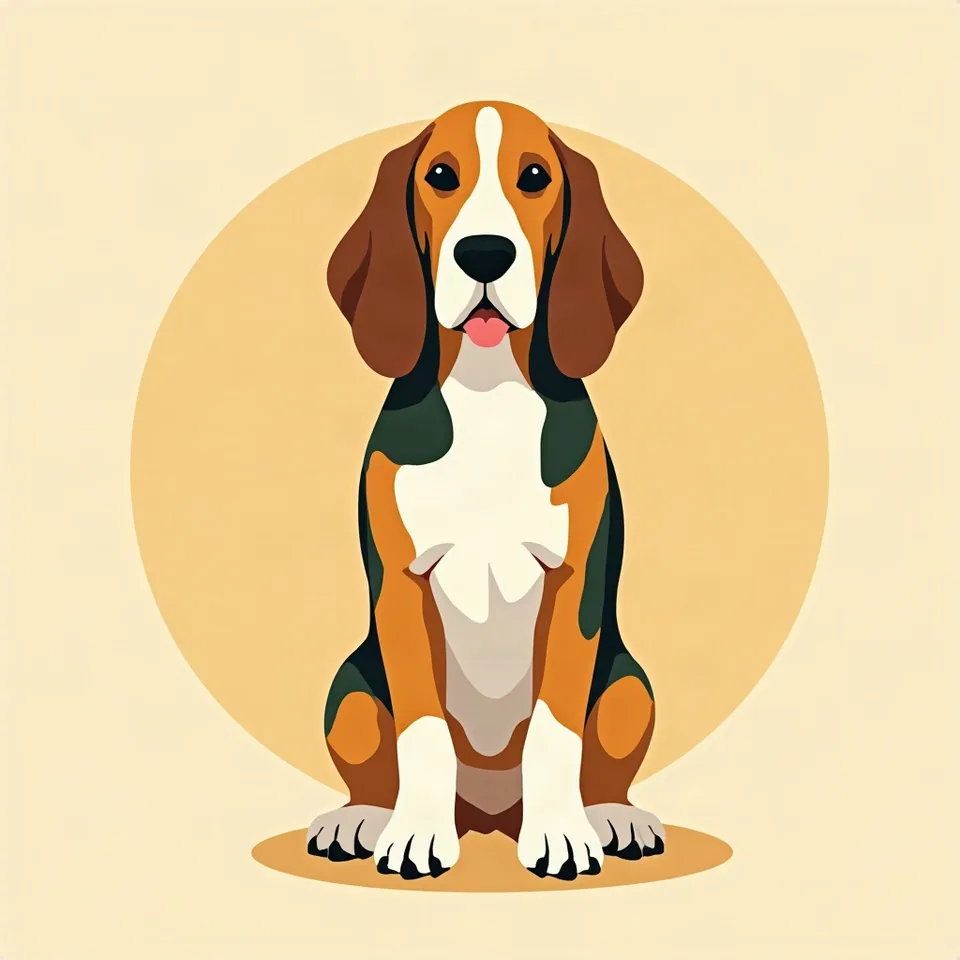
Basset Hound
Medium · 20–29 kg · 10–12 years
The Basset Hound is a low-slung, heavy dog with minimal natural drive to move, and even mild excess weight puts serious strain on its long back and joints. Here's how much a Basset should weigh, why portion control matters more for this breed than almost any other, and how to lower the risk of a slipped disc.
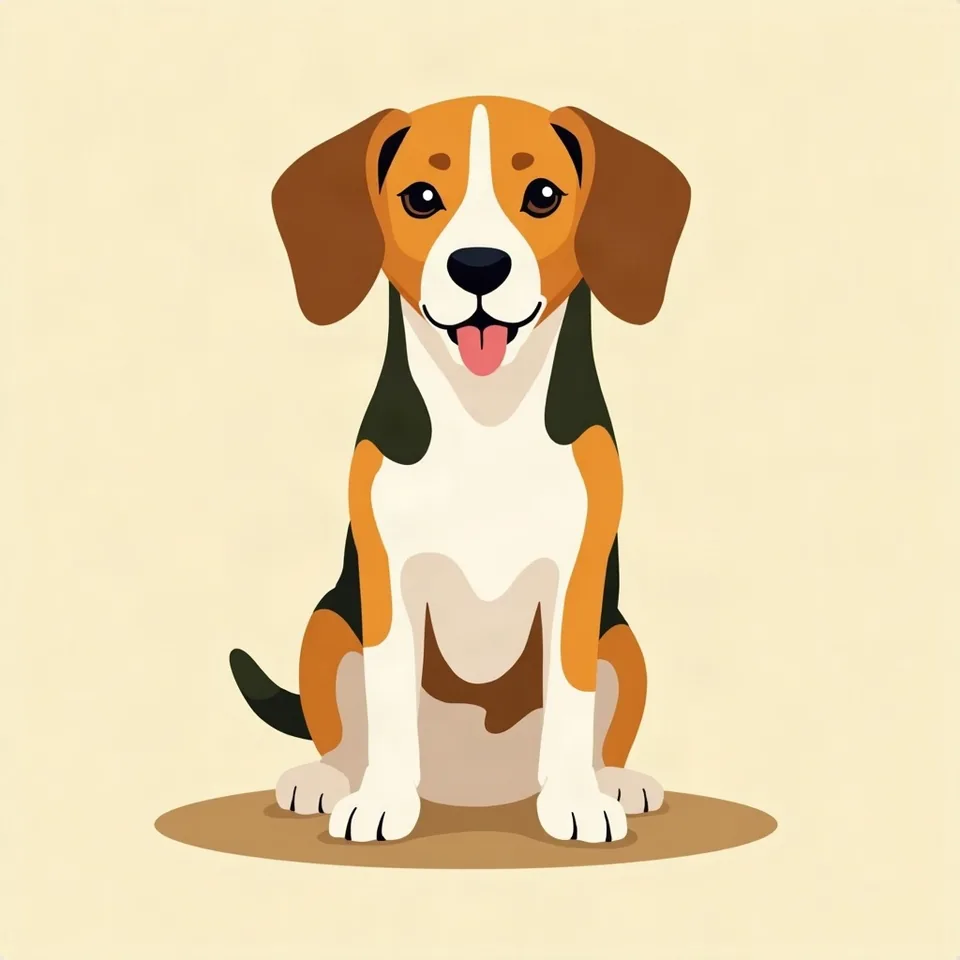
Beagle
Small · 9–11 kg · 12–15 years
The Beagle is a scent-obsessed hound that will eat practically anything it finds, which makes it one of the breeds most prone to excess weight. Here's how precise portioning and smart feeding can prevent the obesity that shortens a Beagle's active life more than anything else.
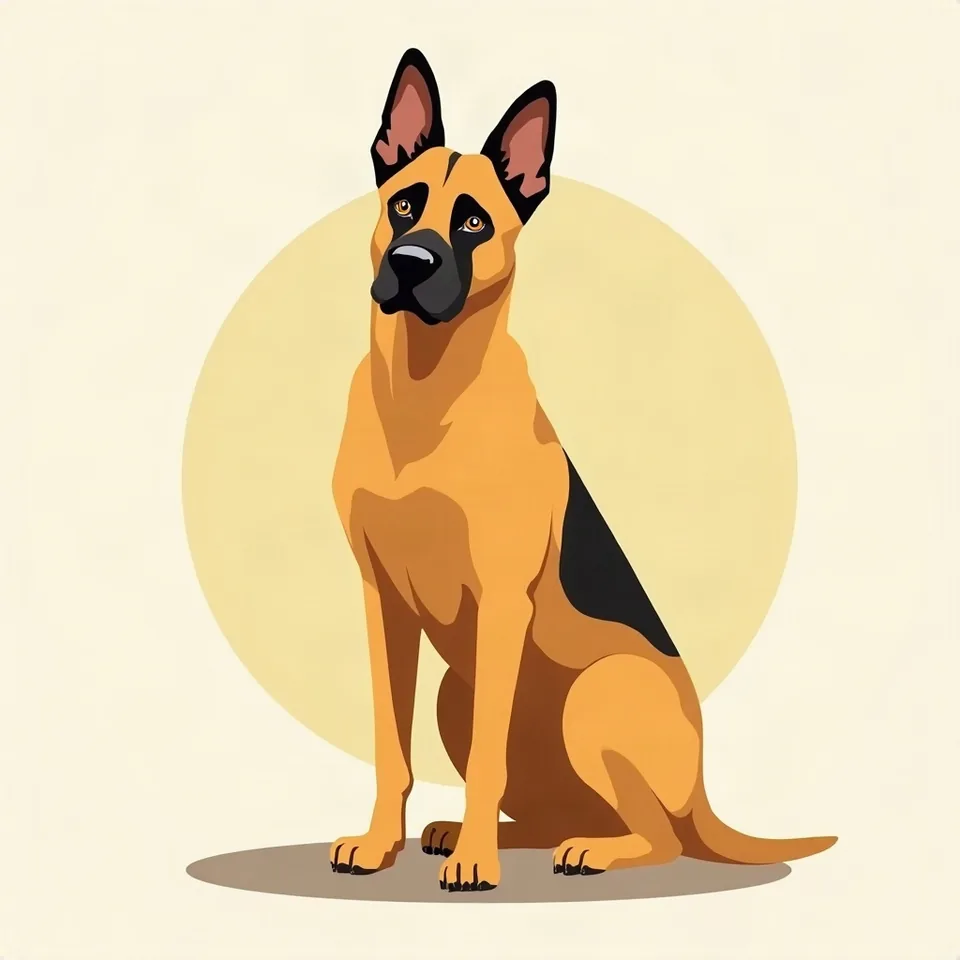
Belgian Malinois
Medium · 20–30 kg · 12–14 years
The Belgian Malinois is a working breed with extremely high energy needs and a digestive system that's sensitive to stress. Here's how much energy an active versus a companion Malinois actually needs, how to prevent bloat, and why a poorly judged ration hurts both performance and health in this breed.
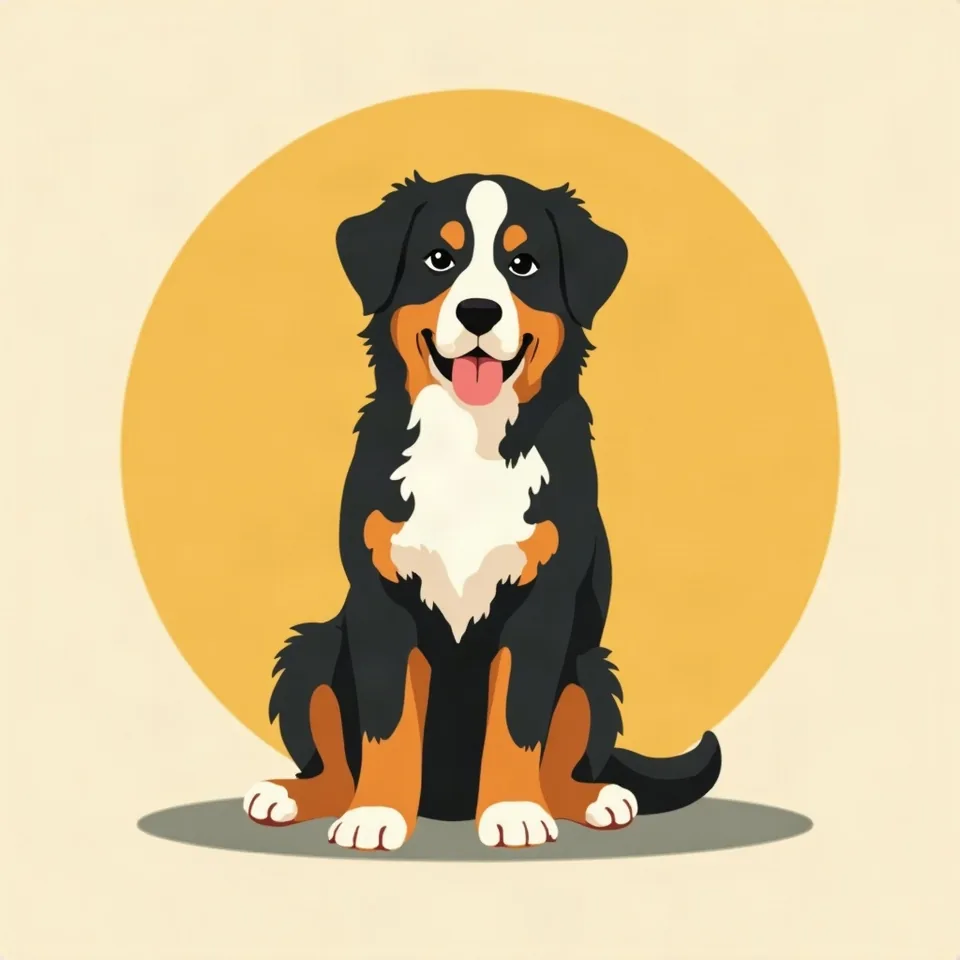
Bernese Mountain Dog
Giant · 36–50 kg · 7–10 years
The Bernese Mountain Dog is a giant breed with a short lifespan of 7 to 10 years and a high risk of cancer. Its diet has to manage two jobs at once: slow, controlled growth as a puppy, and preventing bloat and obesity as an adult.

Bichon Frise
Toy · 3–6 kg · 13–16 years
The Bichon Frise is a small, cheerful companion prone to skin allergies and to forming calcium oxalate stones in the bladder. Here's how diet can support healthy skin, coat, and urinary tract, and why protein quality and water intake matter so much for this breed.
Articles
In depth
2 September 2026
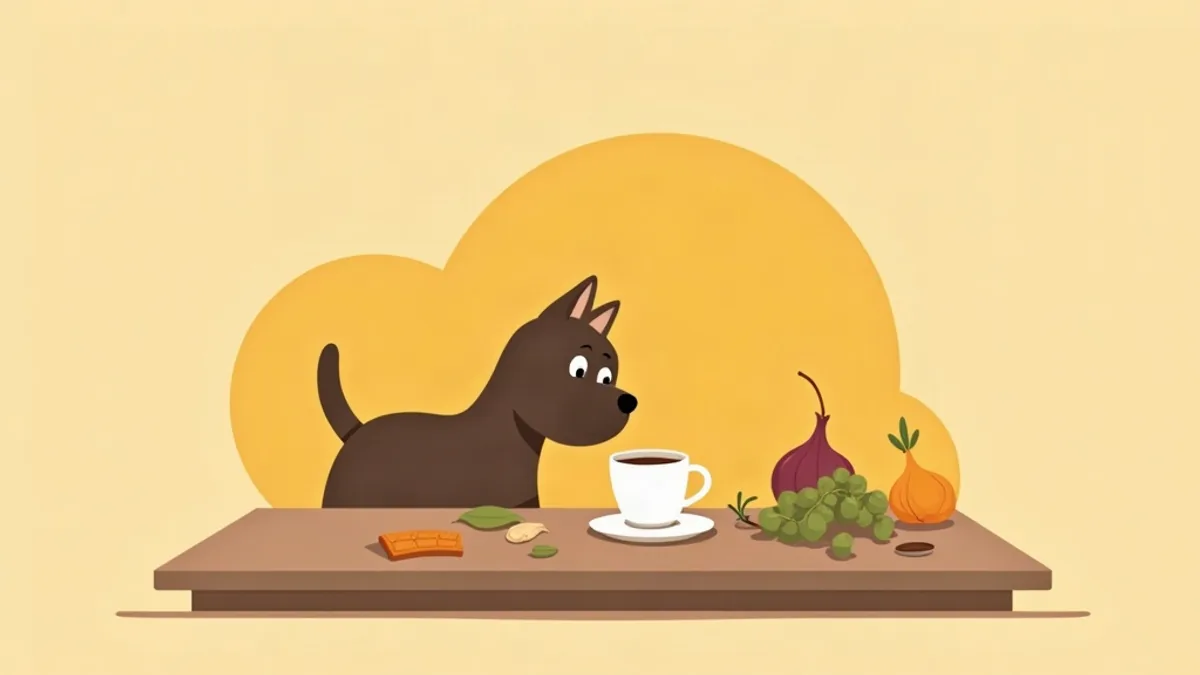
Foods Dogs Cannot Eat: The Complete List of Toxic and Risky Foods
A complete list of foods that are toxic or risky for dogs: chocolate, grapes, onions, xylitol, and more. Toxic doses, poisoning symptoms, and what to do if your dog eats one.
2 September 2026
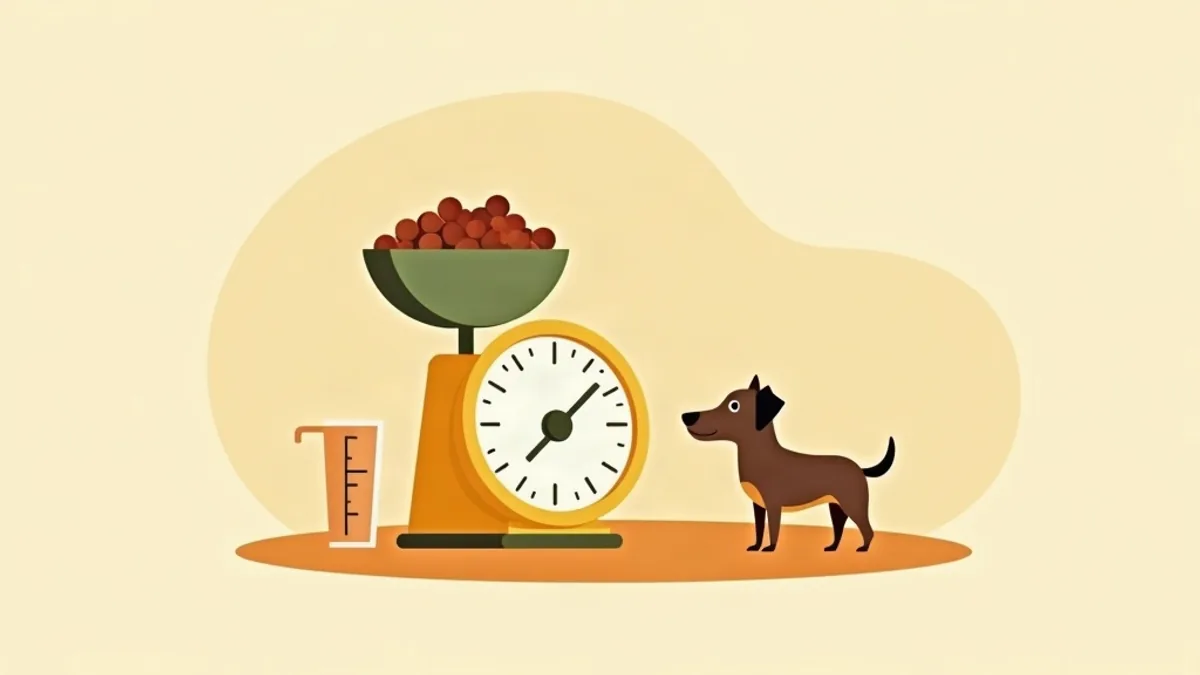
How Much to Feed a Dog: Calculating the Daily Amount Step by Step
How to calculate a dog's daily food ration using resting (RER) and maintenance energy requirements (MER): the formula, a factor table by age and activity, and three worked examples.
2 September 2026
How to Feed a Puppy: How Often, What, and When to Switch to Adult Food
How often to feed a puppy by age, the difference between puppy and adult food, how much kibble to give, and when to switch to adult dog food.
How we work
The calculators use veterinary formulas (RER and MER, WSAVA), every text lists its sources and the date it was checked. We do not sell food and brands cannot buy a recommendation. Find an error and we will fix it.