Can dogs eat apples?
Short answer
Yes, dogs can eat apples. The flesh is safe, full of fiber and vitamin C, and even gives teeth a light mechanical clean. Always remove the core and seeds, though, and don't feed large pieces at once.
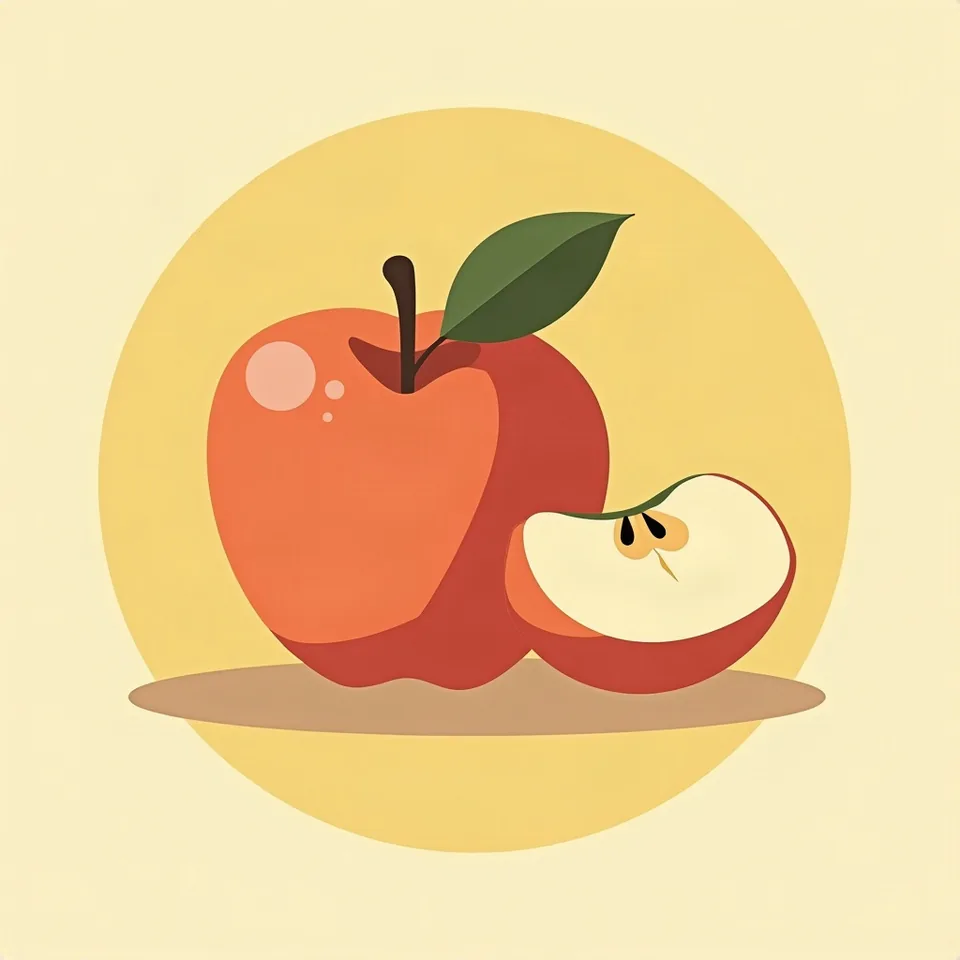
Apples are one of the safest fruits for dogs: low fat, high fiber and vitamin C. The only risk comes from the core, seeds, and large pieces of skin. Here's how much apple is right and how to cut it properly.
Why it is fine
Apple flesh contains vitamin C, vitamin A, potassium, and both soluble and insoluble fiber, mainly pectin. It's low in protein and fat, making it suitable even for overweight dogs or those with sensitive digestion. The crunchy texture also gives a light mechanical scrub to plaque, though it doesn't replace toothbrushing or dental treats.
The core and seeds contain amygdalin, a cyanogenic glycoside that breaks down into hydrogen cyanide. The amount from the seeds in a single apple is low enough that acute cyanide poisoning is essentially not a real concern; the bigger issue is mechanical. A hard core can get stuck in the throat or gut, especially in small breeds.
About 100 g of apple contains roughly 10 g of natural sugar. A few slices as a normal treat is negligible, but for dogs with diabetes, weight issues, or a tendency toward pancreatitis, keep an eye on the amount and don't add apple on top of a high-carb kibble meal all at once.
The skin is digestible and contributes some fiber and antioxidants, but it can irritate the gut in sensitive dogs or carry pesticide residue if the apple isn't washed or organic. Peel it for small breeds; for bigger dogs, washing thoroughly is usually enough.
How to serve apples
- Quarter the apple, cut out the entire core with the seeds and stem, and slice or cube it to suit your dog's size.
- Peel the skin for small breeds; for larger dogs, washing thoroughly under running water is usually enough.
- Frozen apple slices make a good summer treat or a filling for a classic chew toy.
- Grated apple with the core removed works well mixed into homemade oat treats with no added sugar.
Rough portion
Small dog (under 10 kg / 22 lb): 2-3 thin slices. Medium dog: a quarter of an apple. Large dog: half an apple. A few times a week as a treat, not a replacement for regular food.
Risks
- Choking or the core getting lodged in the throat, especially in small breeds and dogs that gulp their food.
- Digestive upset (loose stool, gas) from a large amount at once, due to the fiber and sugar.
- Trace amounts of cyanide from the seeds with repeated, heavy consumption of cores.
- Pesticide residue on unwashed skin from conventionally grown apples.
Symptoms to watch for
- Loose stool or gas after a larger portion
- Gagging or restlessness if a piece of core gets stuck
- Refusing food, pawing at the mouth
Your dog already ate apples. What now?
- If your dog swallowed the core whole or a large piece of skin, watch to make sure they're breathing and swallowing normally and not gagging.
- A few seeds from one apple isn't cause for panic. If your dog chewed and swallowed cores from several apples at once, though, contact your vet.
- Seek veterinary care within 24-48 hours for repeated vomiting, loss of appetite, or a bloated abdomen; it could indicate a blockage.
Common questions about dogs and apples
How much apple can a dog eat?
A small dog is fine with 2-3 thin slices, a medium dog a quarter of an apple, and a large dog at most half, only occasionally as a treat. Apple shouldn't make up more than 10% of daily calorie intake, since it contains a fair amount of natural sugar.
Can puppies eat apple?
Yes, in small pieces with the core and seeds removed. A puppy's digestion is more sensitive, so start with one thin slice and watch their stool. Apple's low fat content makes it a better choice than many treats, but it should still stay a supplement, not a staple.
Are apple seeds toxic to dogs?
The seeds contain amygdalin, which breaks down into cyanide, but the risk from the amount in a single apple is negligible. It's still best to remove the core every time; the bigger danger is mechanical, a blockage or injury in the digestive tract, rather than actual poisoning.
Can dogs eat dried apple slices?
In small amounts, yes, as long as they have no added sugar, heavy cinnamon, or sulfur used for color. Dried apple is much more calorie-dense than fresh, though, so one or two thin slices is plenty as an occasional treat.
Does apple help clean a dog's teeth?
Crunching on apple gives a light mechanical scrub to plaque, similar to carrots. The effect mainly reaches the front teeth and barely touches the back molars. It's not a substitute for toothbrushing or dental treats, more of a pleasant bonus alongside regular dental care.
Other good treats
Can dogs eat bananas?
Yes, dogs can eat banana, but only as an occasional treat. It's safe and dogs tend to love it, but it's high in sugar. A small dog only needs 2 to 3 slices, a large dog about half a banana.
Can dogs eat blueberries?
Yes, blueberries are one of the healthiest fruits for dogs. They're small, low in calories, and packed with antioxidants, which is why they're often recommended as a training treat or a snack for older dogs.
Can dogs eat carrots?
Yes, carrots are safe for dogs and rank among the best treats you can give them. They're low in calories, full of fiber and beta-carotene, and raw carrots even help clean teeth. Cut them to a size that suits your dog.
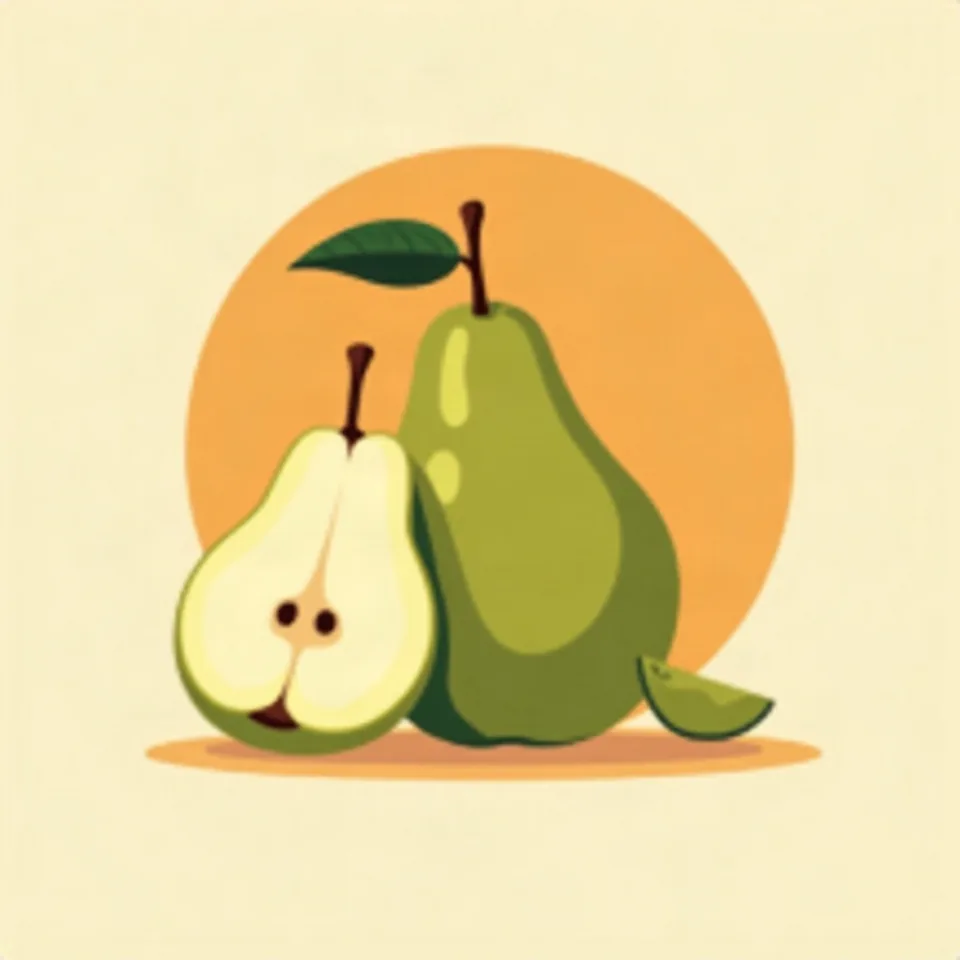
Can dogs eat pears?
Yes, dogs can eat pears. The flesh is safe and full of fiber and vitamin C. Always remove the core and seeds along with the stem, though, since they contain trace amounts of cyanide-forming compounds.
More from fruit
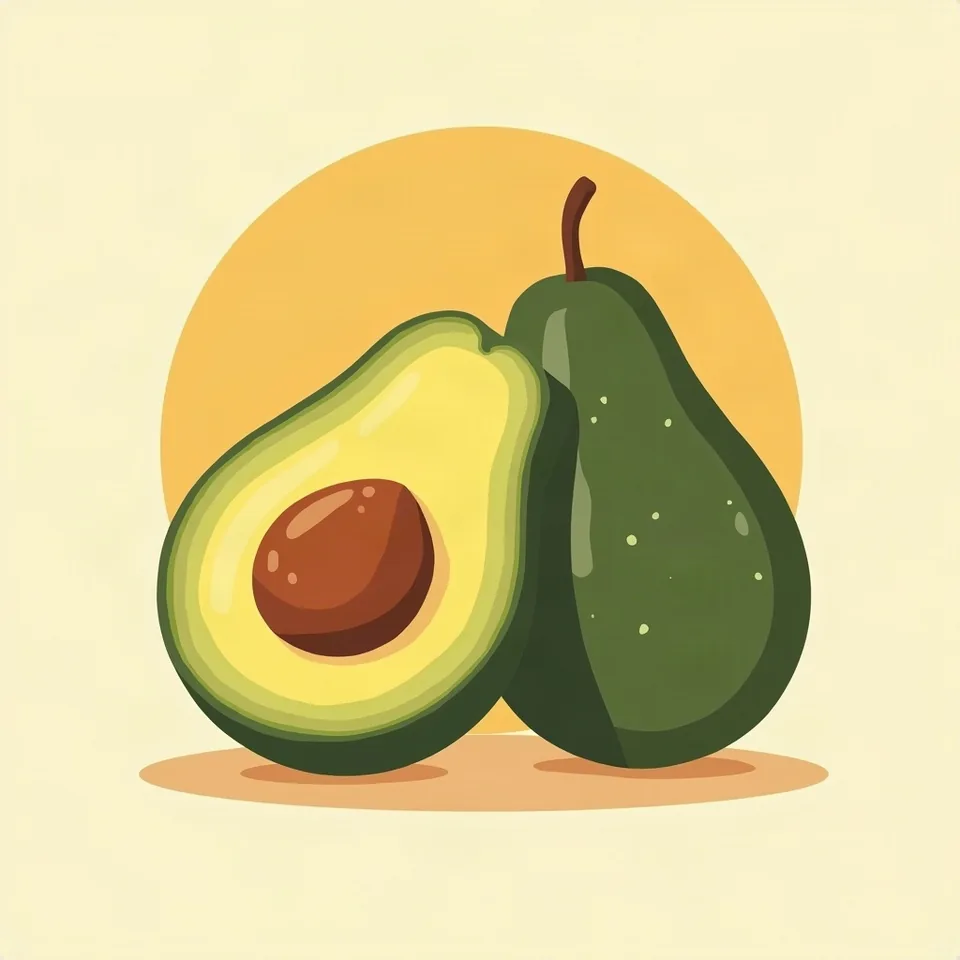
Can dogs eat avocado?
No, avocado isn't recommended for dogs. It contains persin, which dogs tolerate better than birds or horses do, but the pit is a serious choking and blockage hazard, and the high fat content can trigger pancreatitis.
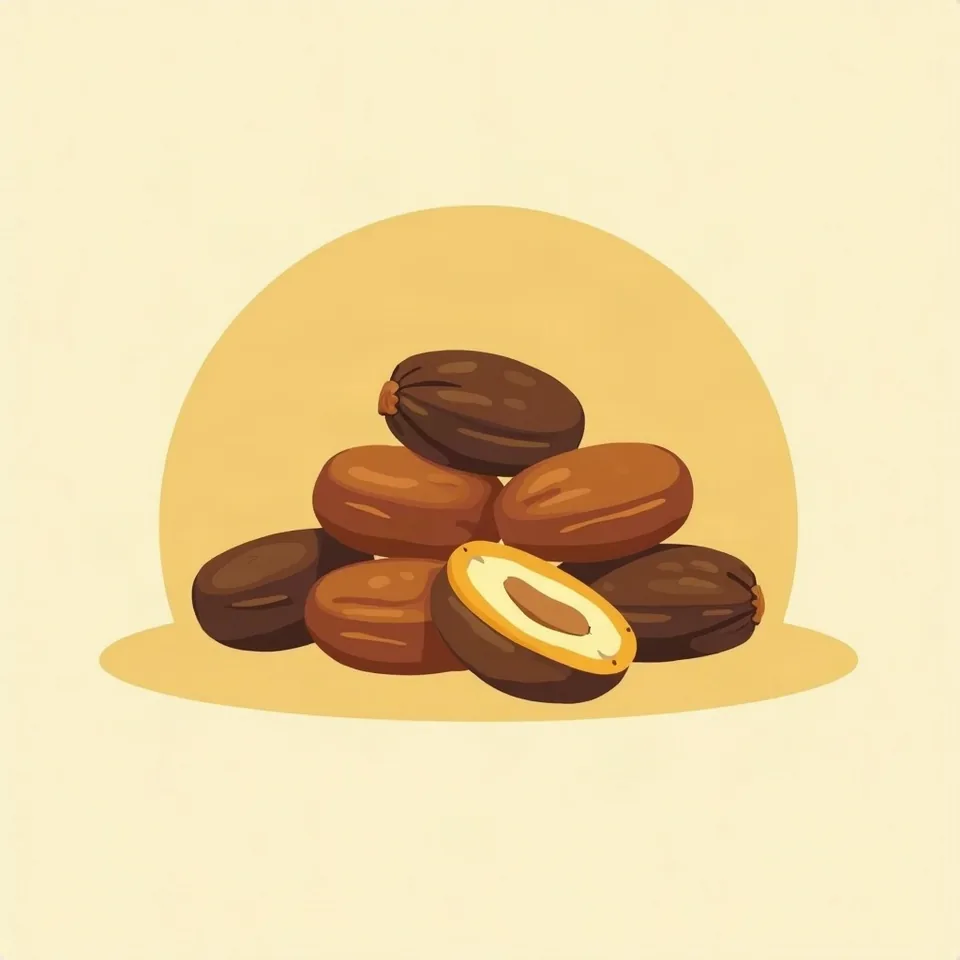
Can dogs eat dates?
Yes, dogs can eat dates, but only occasionally and never with the pit. They're extremely high in sugar, so at most they work as a tiny, infrequent treat.
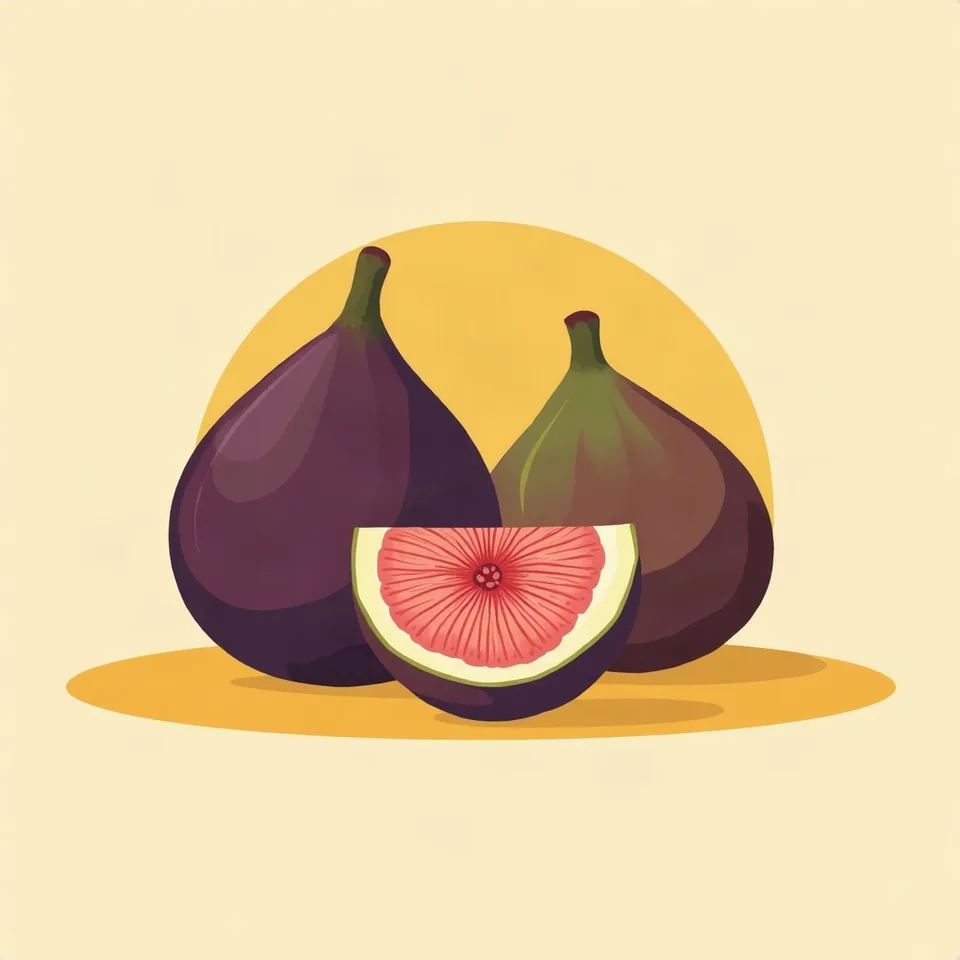
Can dogs eat figs?
Yes, a small amount of fresh, ripe, peeled fig is fine for most dogs. Figs are high in sugar and fiber, so they only work as an occasional treat, not a regular part of the diet.
Sources
- AKC: Can Dogs Eat Apples? How to Safely Feed Apples to Dogs
- ASPCA Animal Poison Control: People Foods to Avoid Feeding Your Pets
Last updated 2 September 2026.