Can dogs eat dates?
Short answer
Yes, dogs can eat dates, but only occasionally and never with the pit. They're extremely high in sugar, so at most they work as a tiny, infrequent treat.
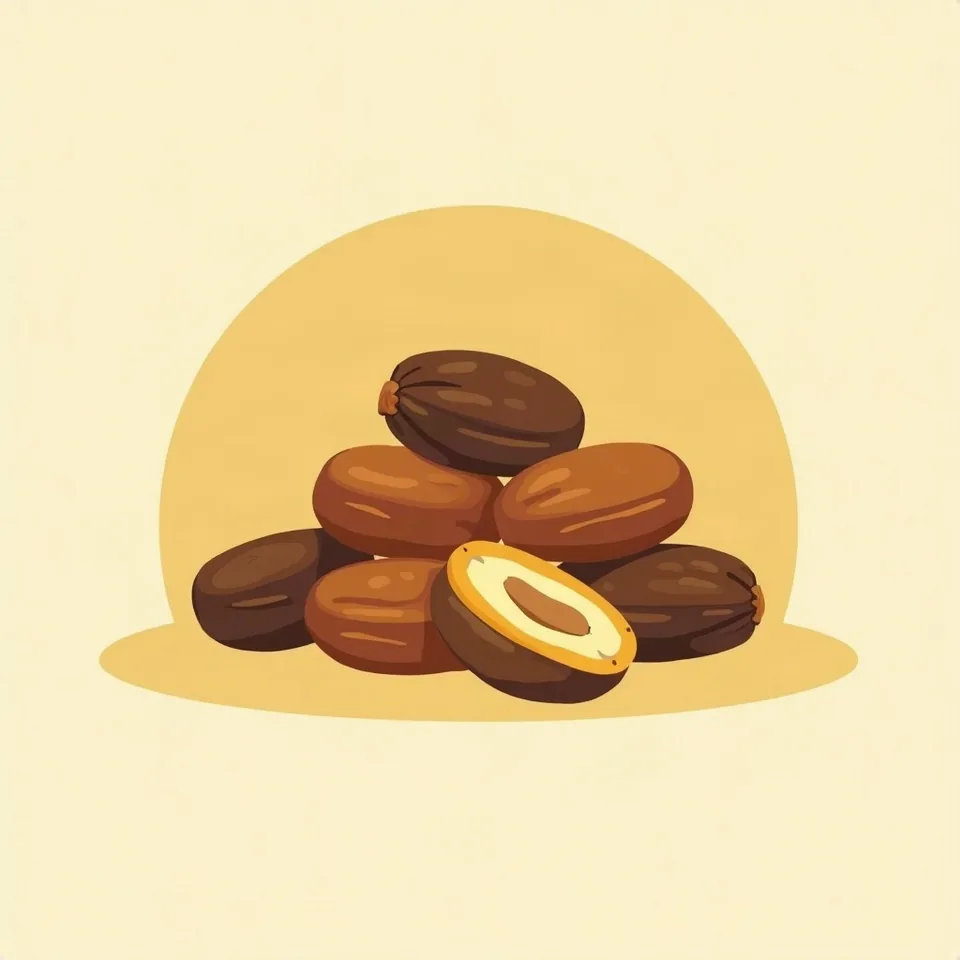
Dates aren't toxic to dogs, but they're one of the sweetest dried fruits around. Here's why only a minimal amount makes sense, what risk the pit poses, and how many dates you can safely offer.
Why only in moderation
Dates don't contain any toxic compound for dogs. The problem is their extremely high natural sugar content: dried dates often run 60-65 grams of sugar per 100 grams (roughly 17-18 grams of sugar per ounce), far more concentrated than fresh fruit. That's a heavy load for a digestive system built mainly around protein and fat.
Regular or larger amounts of dates raise the risk of weight gain and can contribute to diabetes or pancreatitis, especially in dogs that are already predisposed, older, or less active. The high fiber content can also cause loose stool or diarrhea if a dog eats too much at once.
The real danger is the pit. It's hard, elongated, and can cause a blockage in the esophagus or intestines in small and medium dogs, or crack a tooth if bitten down on. Dates should only ever be given pitted.
Dried dates are also a calorie-dense snack. A small piece packs far more energy than an equivalent amount of fresh fruit, so it's easy to blow past a reasonable treat allowance.
How to serve dates
- Always remove the pit completely and cut the date into small pieces sized to your dog.
- Only use fresh or plain dried dates with no added sugar, chocolate, or flavored coatings.
- Introduce a new treat gradually, starting with half a piece, and watch how your dog's stool responds.
- Dates can be blended in small amounts into a homemade treat mix with oats, but only as a minor addition, never the base ingredient.
Rough portion
Small dogs (under 22 lb): a quarter of a pitted date occasionally, medium dogs (22-55 lb): half a date, large dogs (over 55 lb): one whole date. No more than once a week, and ideally less often than that.
Risks
- High sugar content raises the risk of weight gain, diabetes, and pancreatitis with regular feeding.
- The pit can cause choking, tooth damage, or a blockage in the digestive tract.
- Excess fiber can cause diarrhea or bloating.
- Dried dates pack a lot of calories into a small volume, making it easy to exceed a sensible portion.
Symptoms to watch for
- Diarrhea or loose stool
- Vomiting
- Loss of appetite, lethargy (possible sign of pancreatitis)
- Abdominal pain, bloated belly
- Gagging or coughing after swallowing a pit
- Straining or inability to pass stool (possible intestinal blockage)
Your dog already ate dates. What now?
- If your dog swallowed a pit, watch for choking, coughing, or gagging, and contact your vet right away if any occur.
- If your dog ate several dates at once, monitor digestion for 24-48 hours; vomiting, loss of appetite, or belly pain warrant a vet visit.
- If you suspect an intestinal blockage (no bowel movements, repeated vomiting, lethargy), seek veterinary care without delay.
Common questions about dogs and dates
Can dogs eat dried dates?
Yes, but only in very small amounts and occasionally, since dried dates have a much more concentrated sugar content than fresh ones. The pit must always be removed. Regular feeding isn't recommended because of the weight gain risk.
Can puppies eat dates?
It's not a good idea. Puppies have sensitive digestion, and the high sugar content can easily trigger diarrhea or stomach upset. It's better to wait until adulthood before introducing dates, and even then only as an occasional treat.
What if my dog eats a date with the pit still in?
Watch for signs of choking or trouble swallowing right after it happens. The pit can get stuck in the esophagus or cause an intestinal blockage, which shows up as vomiting or an inability to pass stool. Contact your vet if you notice anything concerning.
Are dates a better dried fruit choice for dogs than others?
Not really; dates are among the sweetest dried fruits, with more sugar per gram than, say, dried apples. If you want to give your dog dried fruit at all, it should always be a small, occasional treat rather than a regular snack.
Other good treats
Can dogs eat apples?
Yes, dogs can eat apples. The flesh is safe, full of fiber and vitamin C, and even gives teeth a light mechanical clean. Always remove the core and seeds, though, and don't feed large pieces at once.
Can dogs eat bananas?
Yes, dogs can eat banana, but only as an occasional treat. It's safe and dogs tend to love it, but it's high in sugar. A small dog only needs 2 to 3 slices, a large dog about half a banana.
Can dogs eat blueberries?
Yes, blueberries are one of the healthiest fruits for dogs. They're small, low in calories, and packed with antioxidants, which is why they're often recommended as a training treat or a snack for older dogs.
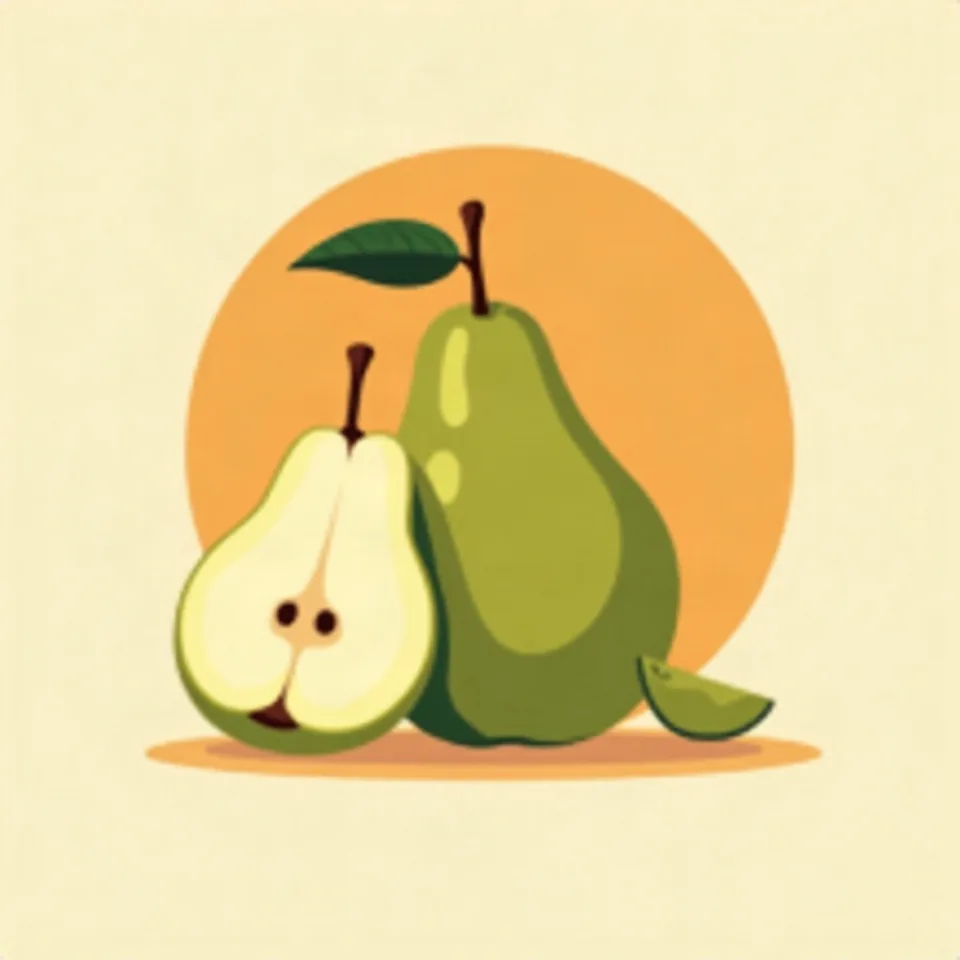
Can dogs eat pears?
Yes, dogs can eat pears. The flesh is safe and full of fiber and vitamin C. Always remove the core and seeds along with the stem, though, since they contain trace amounts of cyanide-forming compounds.
More from fruit
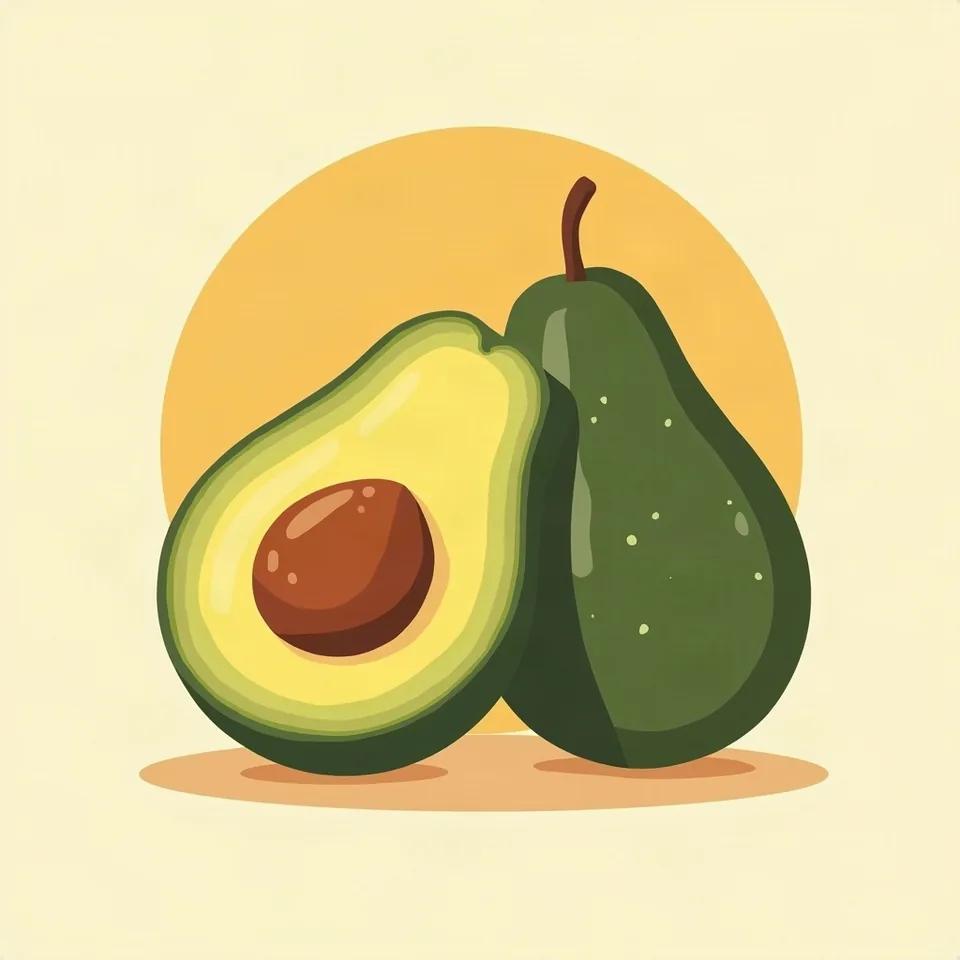
Can dogs eat avocado?
No, avocado isn't recommended for dogs. It contains persin, which dogs tolerate better than birds or horses do, but the pit is a serious choking and blockage hazard, and the high fat content can trigger pancreatitis.
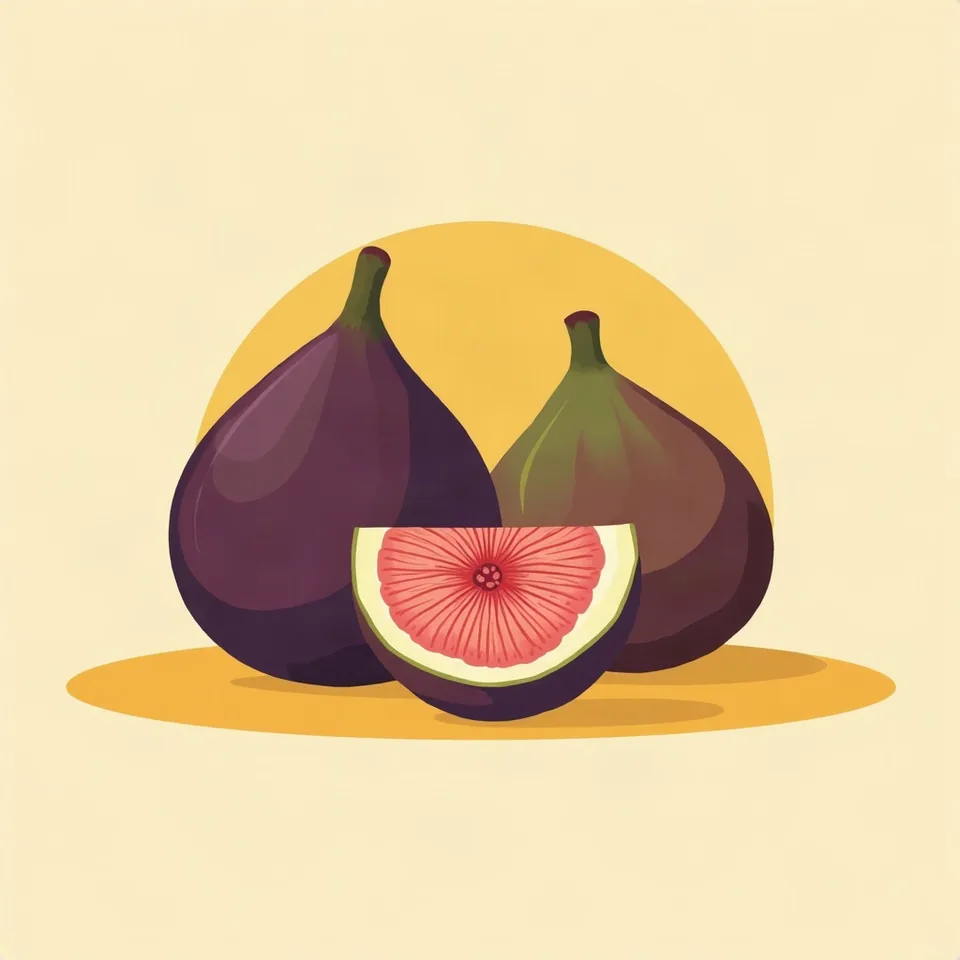
Can dogs eat figs?
Yes, a small amount of fresh, ripe, peeled fig is fine for most dogs. Figs are high in sugar and fiber, so they only work as an occasional treat, not a regular part of the diet.
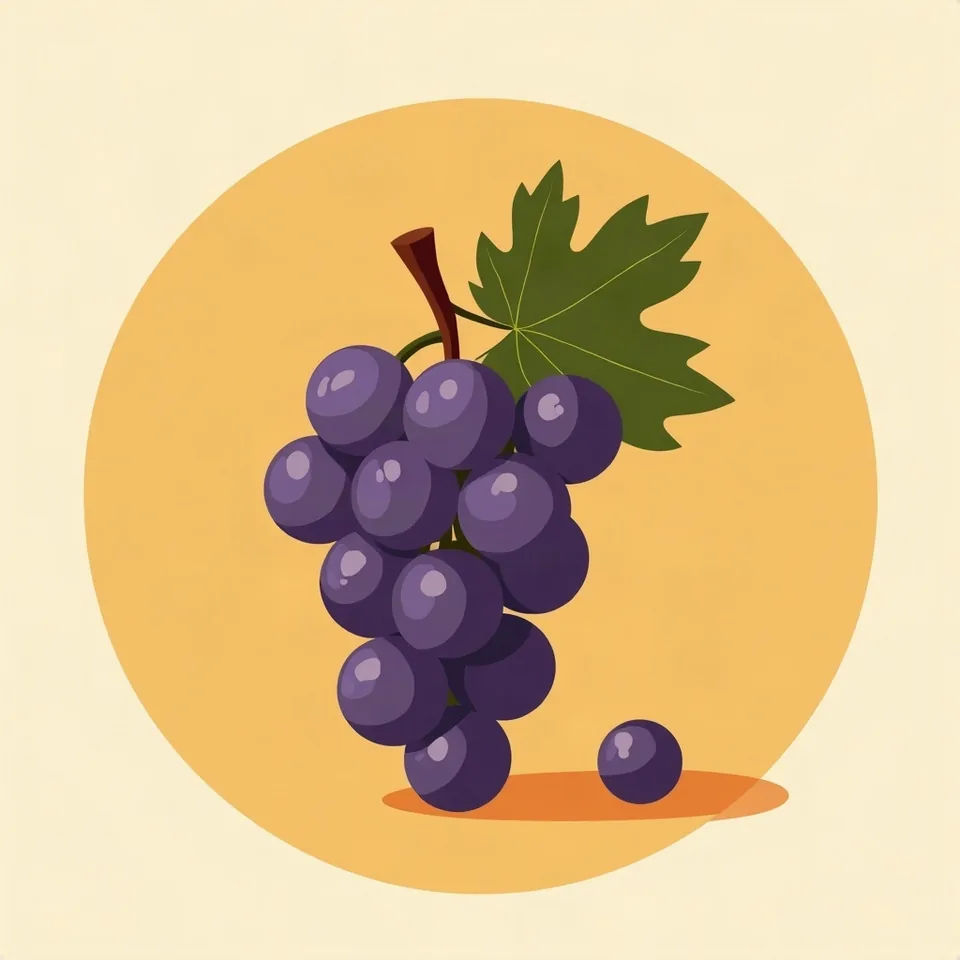
Can dogs eat grapes?
No. Grapes are highly toxic to dogs and can cause acute kidney failure. There's no known safe amount, and it doesn't depend on breed or size. Call your vet immediately if your dog eats any.
Sources
- ASPCA Animal Poison Control: People foods to avoid feeding your pets
- Merck Veterinary Manual: Food Hazards
- AKC: Dog Nutrition
Last updated 10 September 2026.