Can dogs eat blueberries?
Short answer
Yes, blueberries are one of the healthiest fruits for dogs. They're small, low in calories, and packed with antioxidants, which is why they're often recommended as a training treat or a snack for older dogs.
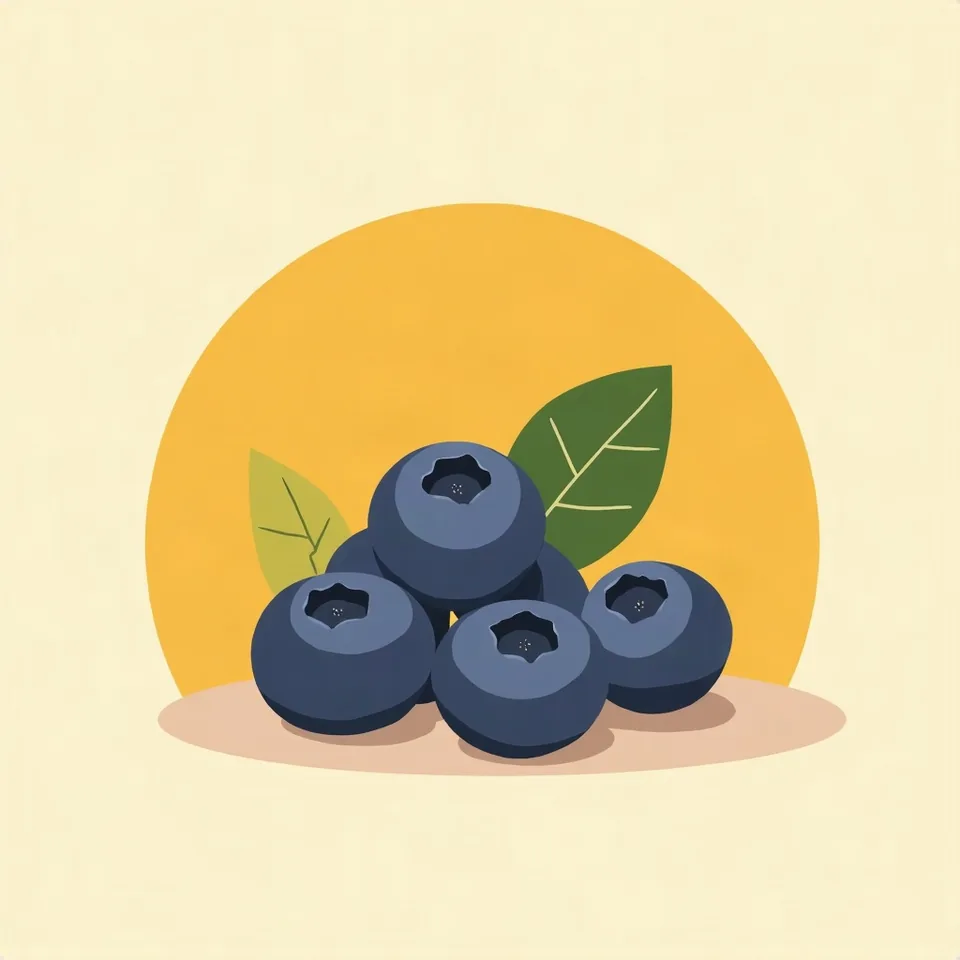
Blueberries are safe for dogs and one of the most nutritionally worthwhile fruits out there: low in sugar per serving, high in antioxidants and fiber, with no toxins or pit to worry about. Here's how many to give and why they make such a good training treat.
Why it is fine
Blueberries contain anthocyanins and other antioxidants, along with vitamin C, vitamin K, and fiber. Antioxidants help neutralize free radicals, which comes up often in discussions of supporting an aging body and joint health, though the specific clinical benefit in dogs isn't as well studied as it is in people.
Their small size makes blueberries handy as a training treat. They're easy to dole out one at a time, low in calories, and don't cause the kind of rapid overeating that larger pieces of fruit or store-bought treats loaded with fat, salt, and artificial colors or flavors can.
Blueberries have a sugar content similar to apples, around 10 g per 100 g, but a typical serving is just a few berries, so total sugar intake stays low. That makes them a reasonable choice even for dogs carrying a little extra weight or prone to gaining it easily.
Be careful with wild blueberries picked outdoors. The risk isn't the blueberry itself but mistaking it for a similar-looking toxic berry, or pesticide residue near farmland. Store-bought or home-grown blueberries from a known source are always the safer choice.
How to serve blueberries
- Wash them and serve whole or lightly mashed, depending on your dog's size and how they chew.
- Frozen blueberries are a popular summer treat and also work well stuffed into a chew toy.
- Use them as a training reward; they're small enough to dole out quickly and repeatedly without overfeeding.
- Mashed blueberries can be mixed into homemade oatmeal treats with no added sugar.
Rough portion
Small dog (under 10 kg / 22 lb): 3 to 5 blueberries. Medium dog: 8 to 10. Large dog: a handful (15 to 20). Fine even daily as a training treat, within your dog's overall treat allowance.
Risks
- Loose stools from a large amount at once, especially in dogs not used to blueberries.
- Mistaking them for toxic wild berries when foraging.
- Pesticide residue on unwashed, conventionally grown blueberries.
Symptoms to watch for
- Loose stools after an unusually large portion
- Mild gas
- Bluish stool color after a larger amount (harmless, cosmetic only)
Your dog already ate blueberries. What now?
- If your dog ate a large amount of blueberries at once, keeping an eye on stool is usually all that's needed, no other action required.
- If the blueberries were foraged in the wild and you're not sure of the species, call your vet just in case, given the risk of mistaking them for a toxic berry.
Common questions about dogs and blueberries
How many blueberries can a dog eat?
A small dog only needs 3 to 5, a medium dog 8 to 10, and a large dog a handful. Thanks to their low calorie count, you can offer them daily as a training treat, as long as you stay within the general guideline of treats making up no more than 10% of daily calories.
Can puppies eat blueberries?
Yes, blueberries are one of the safer first fruits for puppies thanks to their small size and low fat content. Start with one or two and see how your puppy's digestion handles them before increasing the amount. For very small breeds, mash them first so they're easier to swallow.
Are frozen blueberries as healthy as fresh ones?
Yes, freezing doesn't meaningfully change the antioxidant or vitamin content. Frozen blueberries are also a popular cool summer treat. Just watch small breeds to make sure they don't swallow them whole while still hard.
Why do vets recommend blueberries as a training treat?
They're small, so you can dole them out quickly one at a time without overfeeding, they're low in calories, and most dogs happily take them. That makes them a practical alternative to commercial treats that are higher in fat and salt.
Can blueberries replace antioxidant supplements?
No. Blueberries are a pleasant source of antioxidants as part of a varied diet, but they can't replace targeted supplements or a vet-recommended diet for a specific health issue. Think of them as a healthy treat, not a medicine.
Other good treats
Can dogs eat apples?
Yes, dogs can eat apples. The flesh is safe, full of fiber and vitamin C, and even gives teeth a light mechanical clean. Always remove the core and seeds, though, and don't feed large pieces at once.
Can dogs eat carrots?
Yes, carrots are safe for dogs and rank among the best treats you can give them. They're low in calories, full of fiber and beta-carotene, and raw carrots even help clean teeth. Cut them to a size that suits your dog.
Can dogs eat raspberries?
Yes, dogs can eat raspberries in moderation. They're low in sugar and high in fiber and antioxidants, but they do contain a trace amount of natural xylitol, so they're not something to feed every day.
Can dogs eat strawberries?
Yes, dogs can eat strawberries. They're low in calories, full of vitamin C and antioxidants, and most dogs love them. Serve them washed, with the leafy top removed, and in a reasonable amount because of the sugar content.
More from fruit
Can dogs eat avocado?
No, avocado isn't recommended for dogs. It contains persin, which dogs tolerate better than birds or horses do, but the pit is a serious choking and blockage hazard, and the high fat content can trigger pancreatitis.

Can dogs eat bananas?
Yes, dogs can eat banana, but only as an occasional treat. It's safe and dogs tend to love it, but it's high in sugar. A small dog only needs 2 to 3 slices, a large dog about half a banana.

Can dogs eat dates?
Yes, dogs can eat dates, but only occasionally and never with the pit. They're extremely high in sugar, so at most they work as a tiny, infrequent treat.
Sources
- AKC: Can Dogs Eat Blueberries? Are Blueberries Good For Dogs?
- WSAVA Global Nutrition Committee: Guidelines on selecting pet foods and treats
Last updated 2 September 2026.