Breeds
Nutrition by breed
The same kibble does not suit a Labrador and a Chihuahua. Each profile gives the weight range, the food composition to look for, a feeding schedule by age and the health risks diet can influence.
49 breeds
Toy (under 5 kg)

Bichon Frise
Toy · 3–6 kg · 13–16 years
The Bichon Frise is a small, cheerful companion prone to skin allergies and to forming calcium oxalate stones in the bladder. Here's how diet can support healthy skin, coat, and urinary tract, and why protein quality and water intake matter so much for this breed.
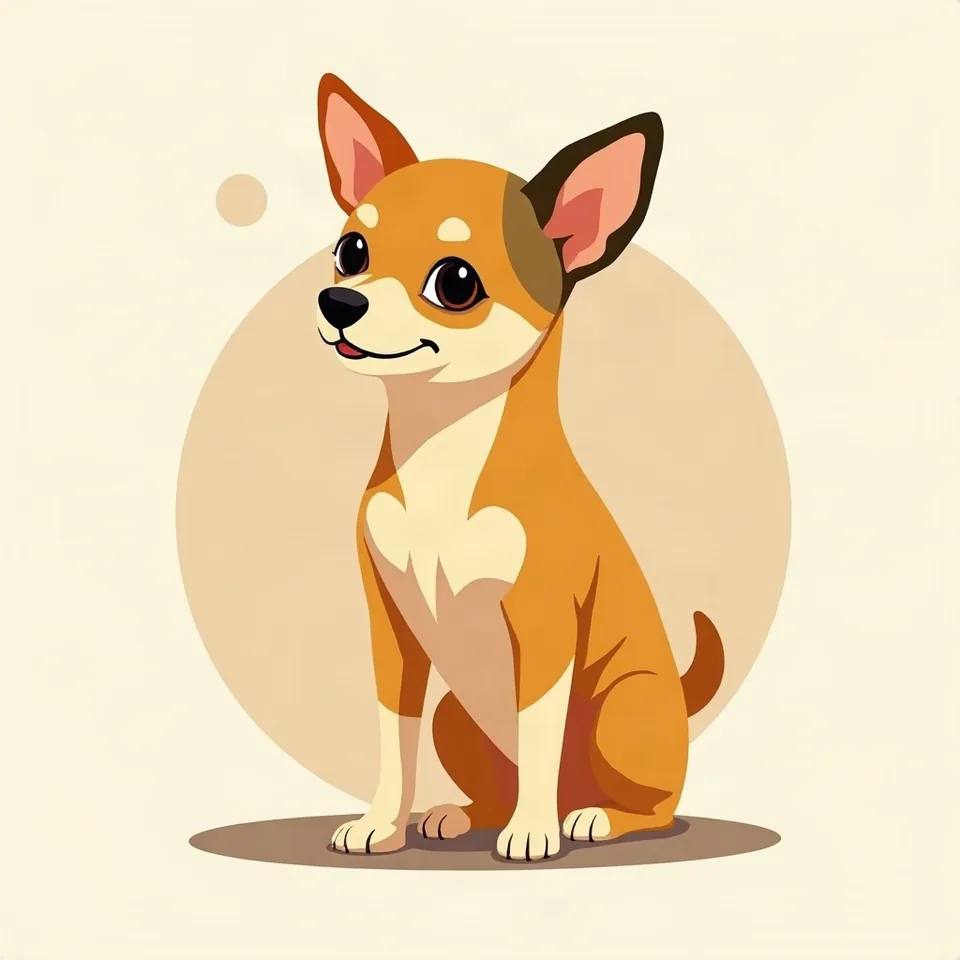
Chihuahua
Toy · 1.5–3 kg · 14–17 years
The Chihuahua is the smallest breed in the world, with minimal energy intake, a small stomach, and a risk of hypoglycemia in puppies. Here's how precise, gram-measured feeding can prevent blood sugar drops, dental problems, and the excess weight that's especially dangerous for such a tiny dog.

Maltese
Toy · 1.5–3.5 kg · 12–15 years
The Maltese is one of the smallest dog breeds, and its tiny body comes with a tiny stomach and limited liver reserves. Puppy hypoglycemia, sensitive digestion, and tartar buildup are all more common in this breed than in larger dogs. Here's how to feed a Maltese safely and in the right portions.
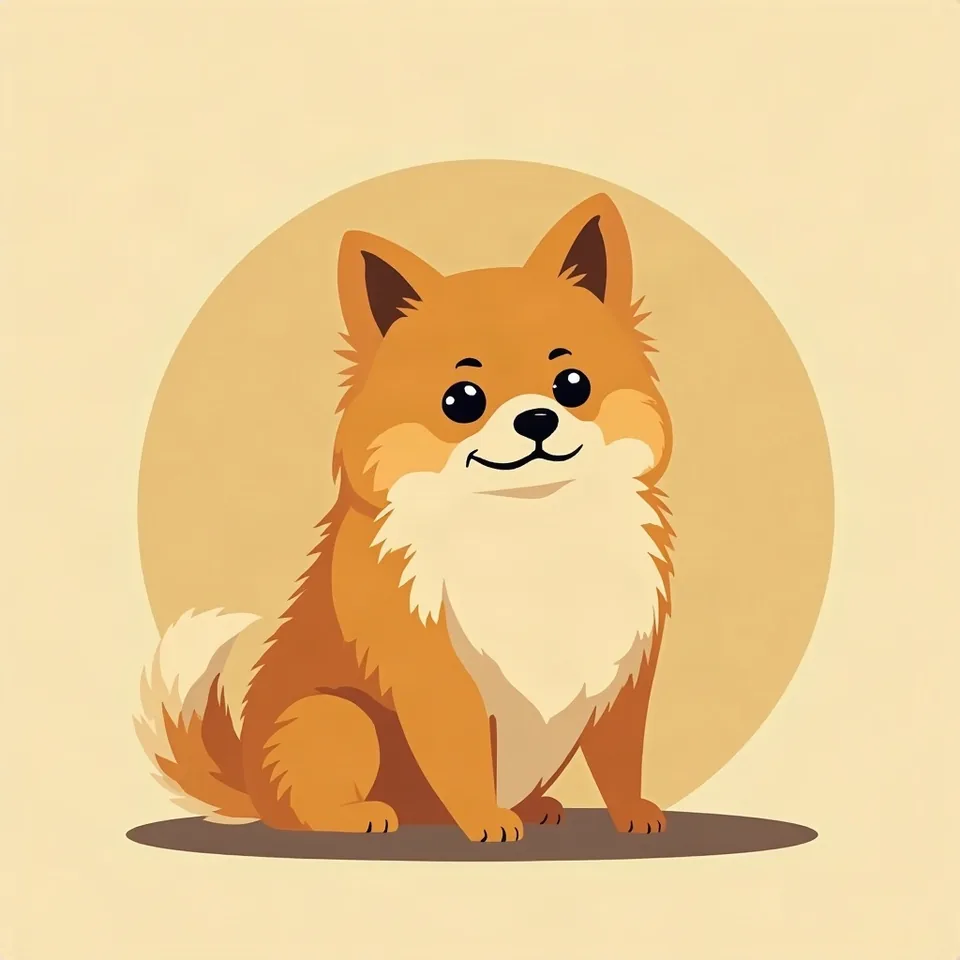
Pomeranian
Toy · 1.5–3.5 kg · 12–16 years
The Pomeranian is the toy-sized version of the German Spitz, and on such a small frame even tiny calorie swings make a big difference. Tartar buildup, a collapsing windpipe, and hypoglycemia in puppies are all issues this breed's diet needs to address from day one.
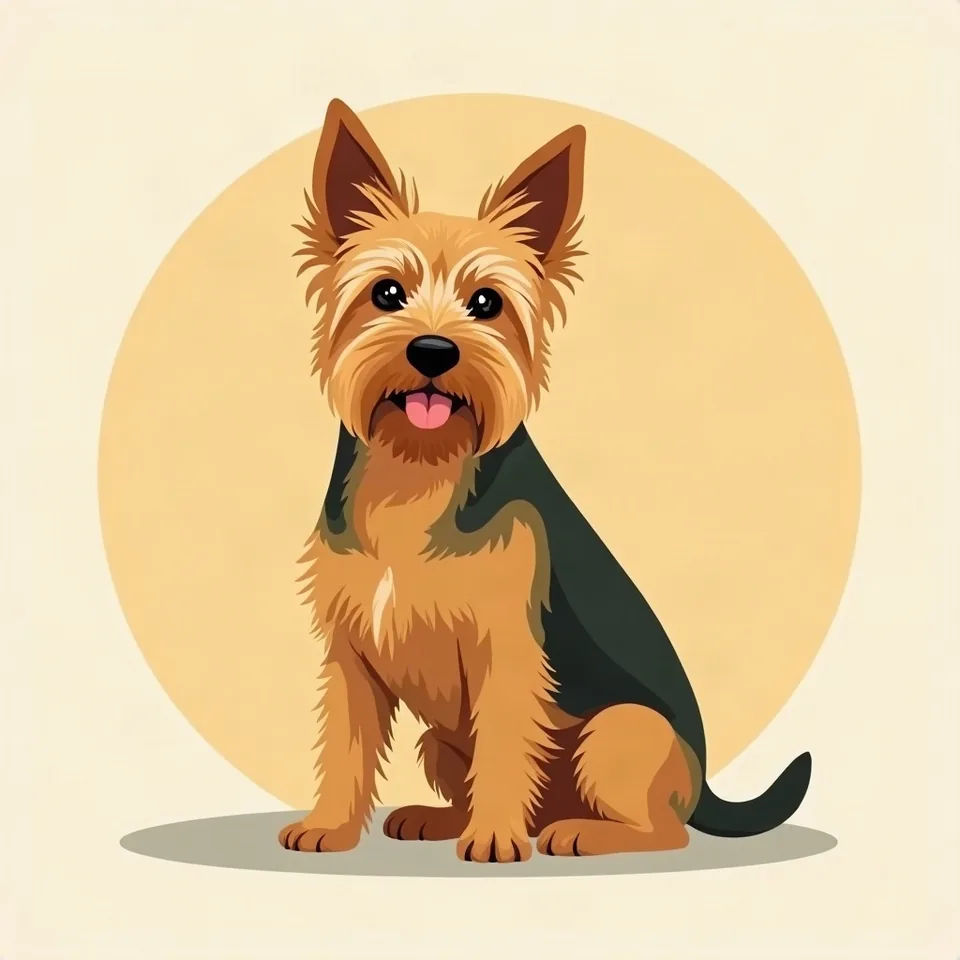
Yorkshire Terrier
Toy · 2–3.2 kg · 13–16 years
The Yorkshire Terrier is a tiny breed with a small stomach, a tendency toward hypoglycemia, sensitive digestion and an elevated risk of liver shunt. Here's how feeding small, precise portions supports digestion, teeth and stable blood sugar.
Small (5–10 kg)
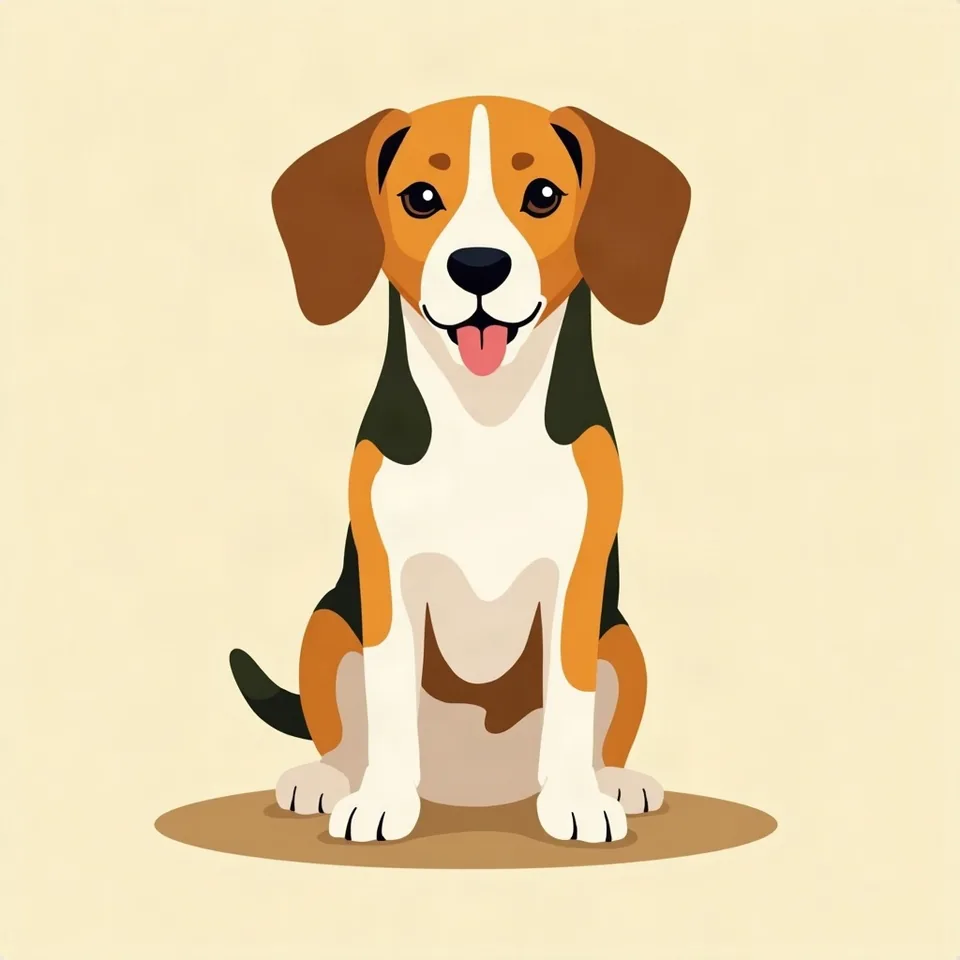
Beagle
Small · 9–11 kg · 12–15 years
The Beagle is a scent-obsessed hound that will eat practically anything it finds, which makes it one of the breeds most prone to excess weight. Here's how precise portioning and smart feeding can prevent the obesity that shortens a Beagle's active life more than anything else.
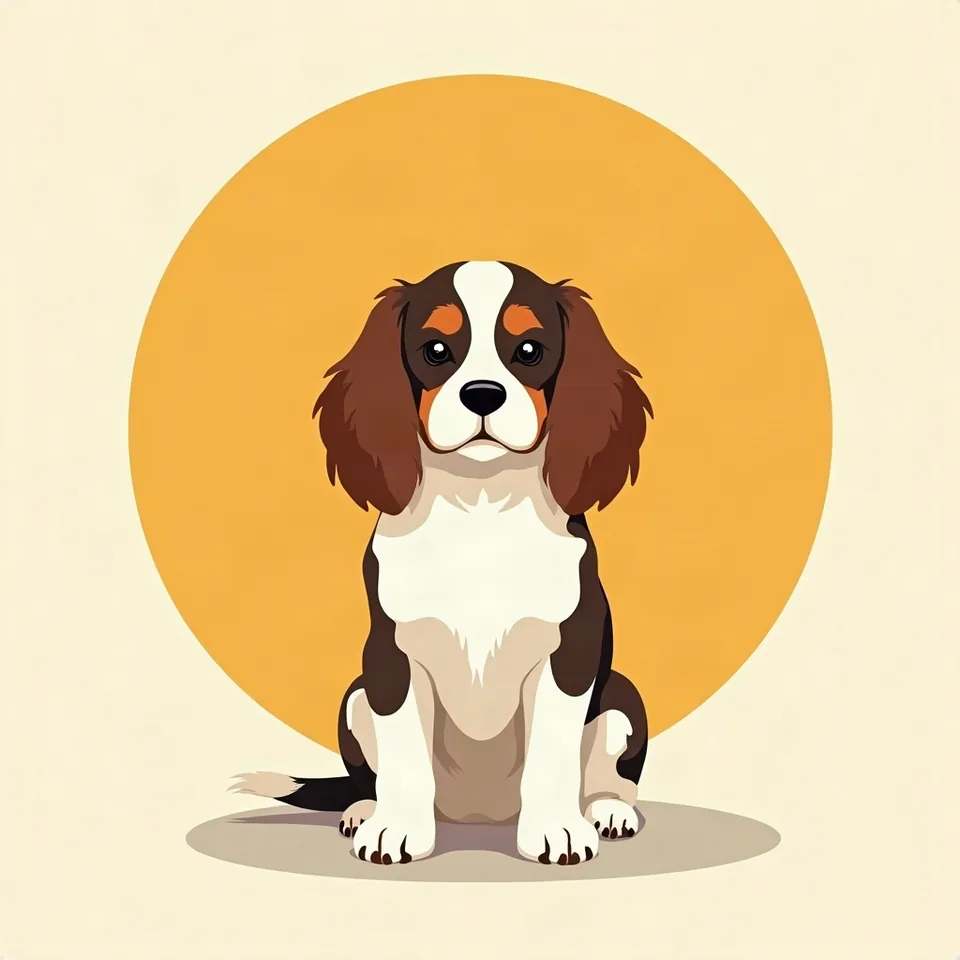
Cavalier King Charles Spaniel
Small · 5.4–8 kg · 9–14 years
The Cavalier King Charles Spaniel is a small, affectionate breed with an unusually high risk of heart valve disease, a condition that excess weight directly worsens. Here's how precise feeding keeps a Cavalier lean and eases the strain on both its heart and a skull prone to syringomyelia.
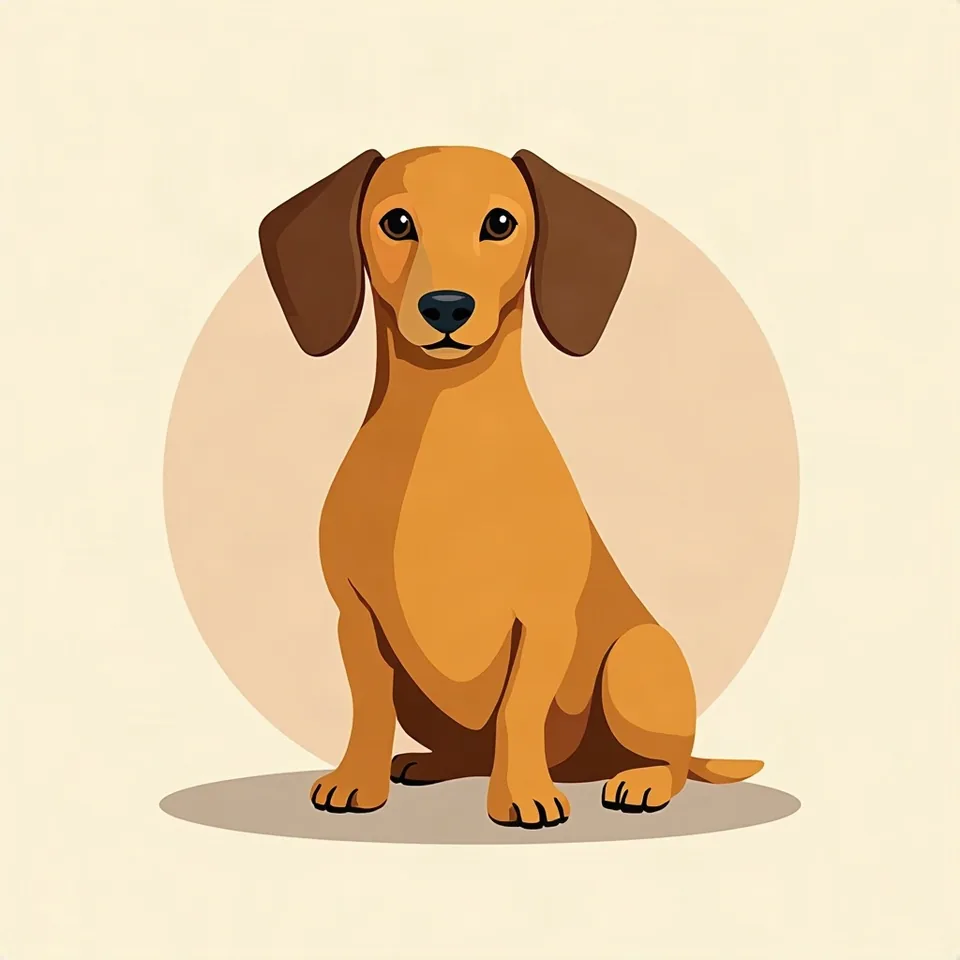
Dachshund
Small · 7–14 kg · 12–16 years
The Dachshund's long back carries a high risk of intervertebral disc disease, and even a little extra weight makes that risk dramatically worse. Here's how precise feeding keeps a Dachshund lean and protects its sensitive spine for life.
French Bulldog
Small · 8–14 kg · 9–11 years
The French Bulldog is a brachycephalic breed in which even mild overweight noticeably worsens breathing and adds strain to a spine already prone to disc herniation. Here's how precise portioning and an easily digestible food keep a French Bulldog lean and healthy.
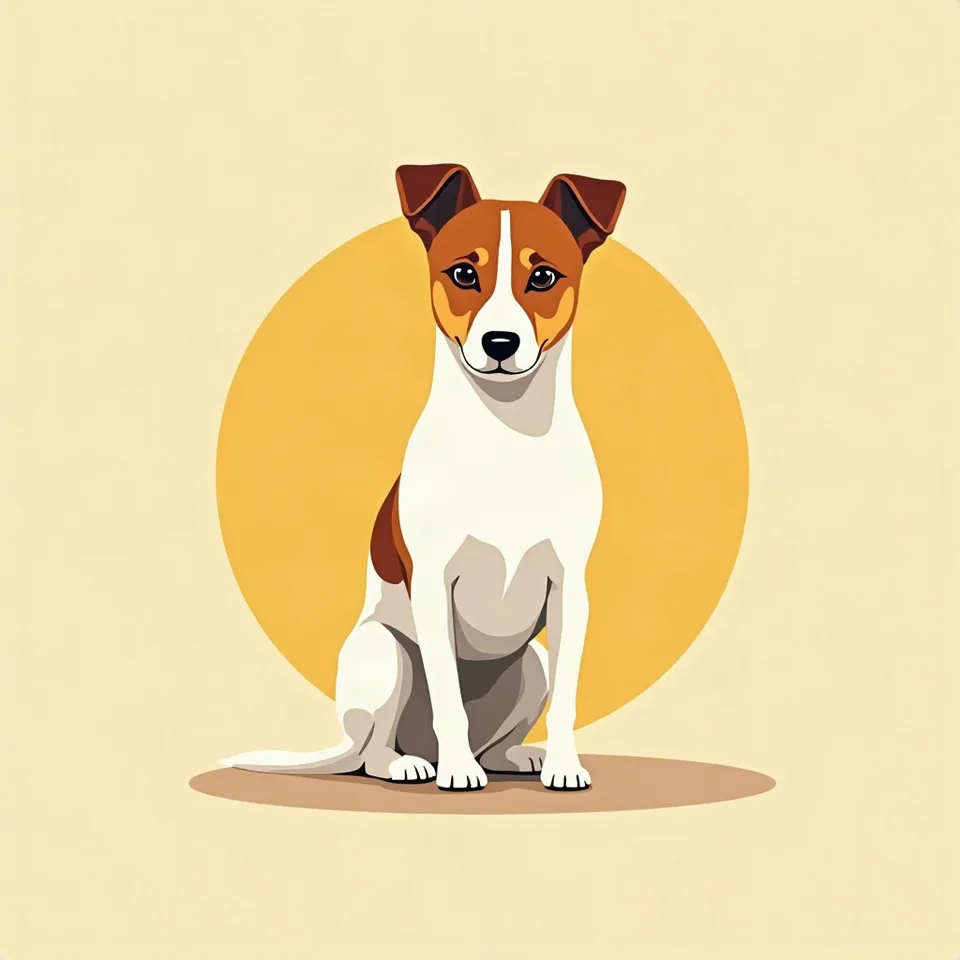
Jack Russell Terrier
Small · 5–8 kg · 13–16 years
The Jack Russell Terrier is a small dog with the energy of a working hunting breed. It needs an energy-dense food that matches its output, or it quickly gains weight, or just as easily runs short on fuel. Here's how to feed this terrier and what to watch for with its teeth, joints, and eyes.
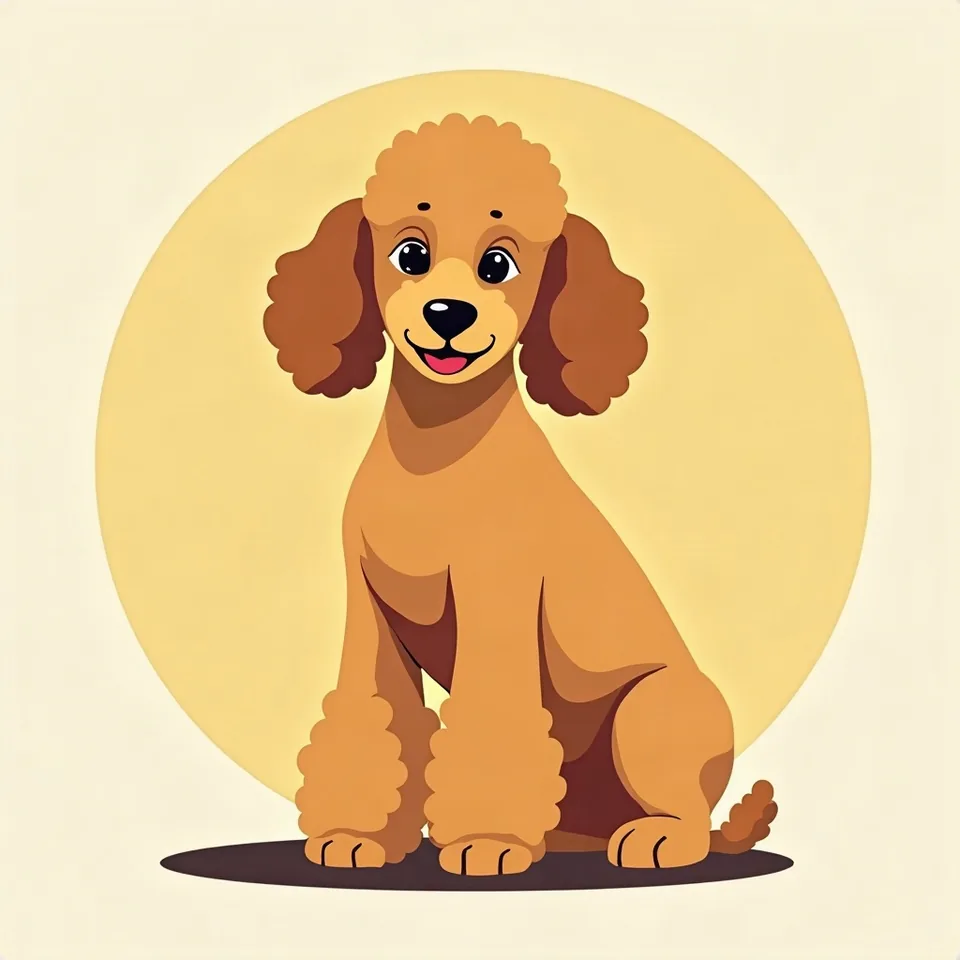
Poodle
Small · 4–15 kg · 12–16 years
The Poodle comes in several recognized sizes, from Toy up to Standard, and this guide focuses mainly on the smaller varieties, Miniature and Toy, which are the most commonly kept. With a lean build and an intelligence that leads to quick boredom and stress eating, the Poodle needs precisely measured meals and watchfulness for an inherited adrenal disease and skin problems.
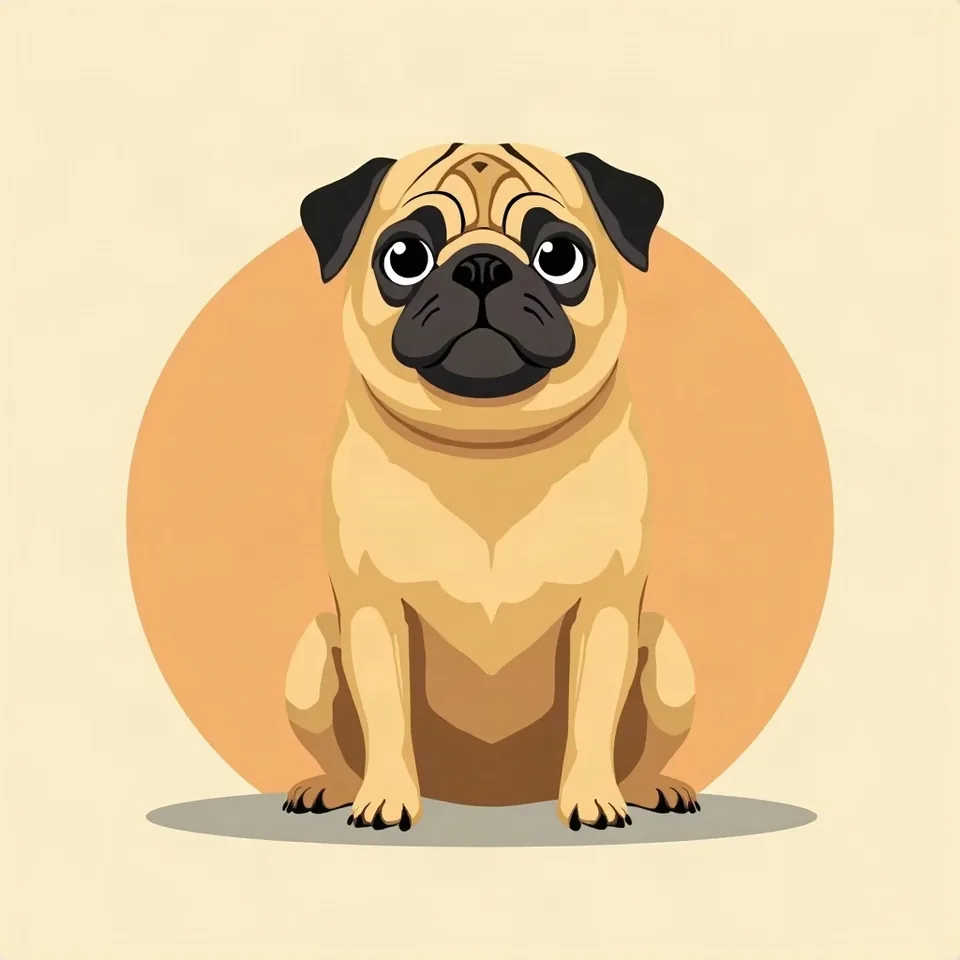
Pug
Small · 6.3–8.1 kg · 12–15 years
The Pug is one of the breeds most prone to obesity of all: a compact body, a brachycephalic muzzle, and an endless appetite are a combination that feeding has to actively manage. Here's how to feed a Pug without piling on unnecessary weight, with an eye on breathing and skin health too.
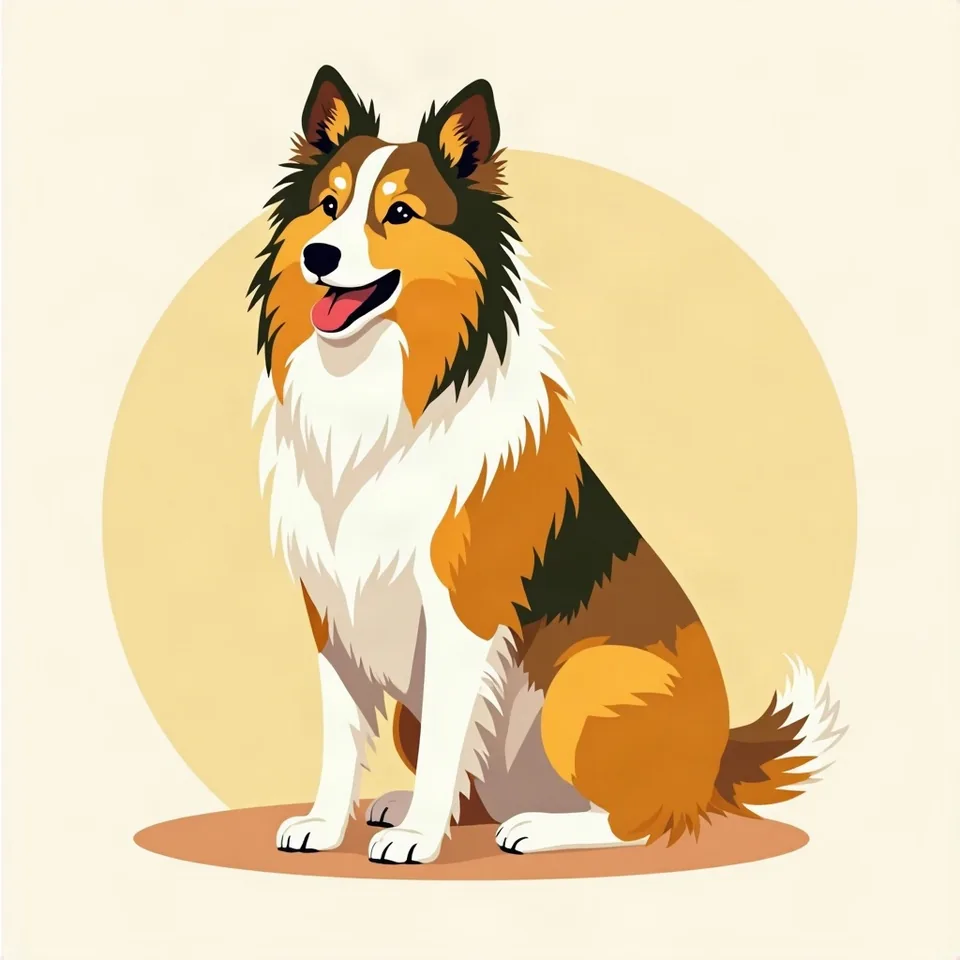
Shetland Sheepdog
Small · 6–12 kg · 12–14 years
The Shetland Sheepdog is a small, lively herding breed with a dense coat that hides excess weight all too easily, and a higher rate of thyroid problems. Here's how much a Sheltie should weigh, how diet connects to dermatomyositis and gallbladder mucocele, and what to watch for in this genetically sensitive breed.
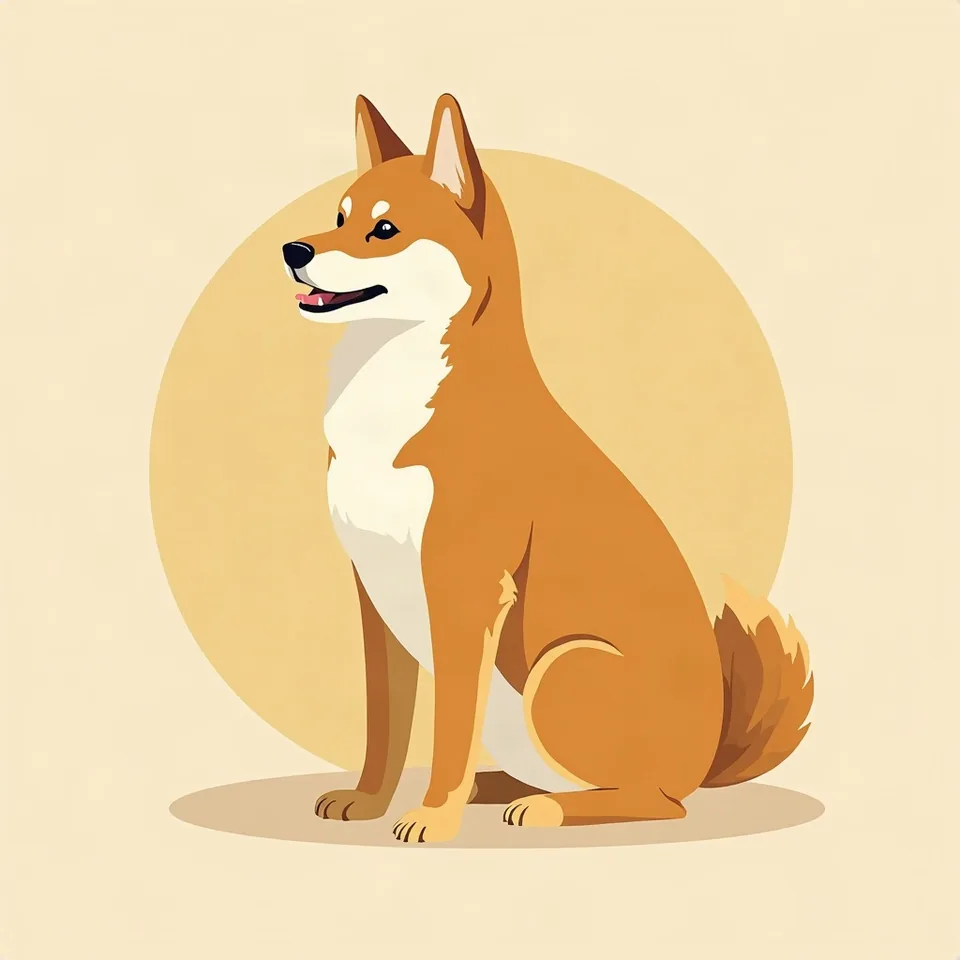
Shiba Inu
Small · 8–11 kg · 12–15 years
The Shiba Inu is a small, independent breed prone to skin allergies with a reputation for being a picky eater. Here's how much a Shiba should weigh, how to build a diet that helps with itchy skin, and how to handle a dog whose appetite depends on its mood.

Shih Tzu
Small · 4.5–8.1 kg · 13–16 years
The Shih Tzu is a brachycephalic toy breed with pronounced dental problems due to its shortened jaw, and a long lifespan that puts obesity and kidney problem prevention front and center. Here's how to feed a Shih Tzu with its breathing, teeth, and sensitive kidneys all in mind.
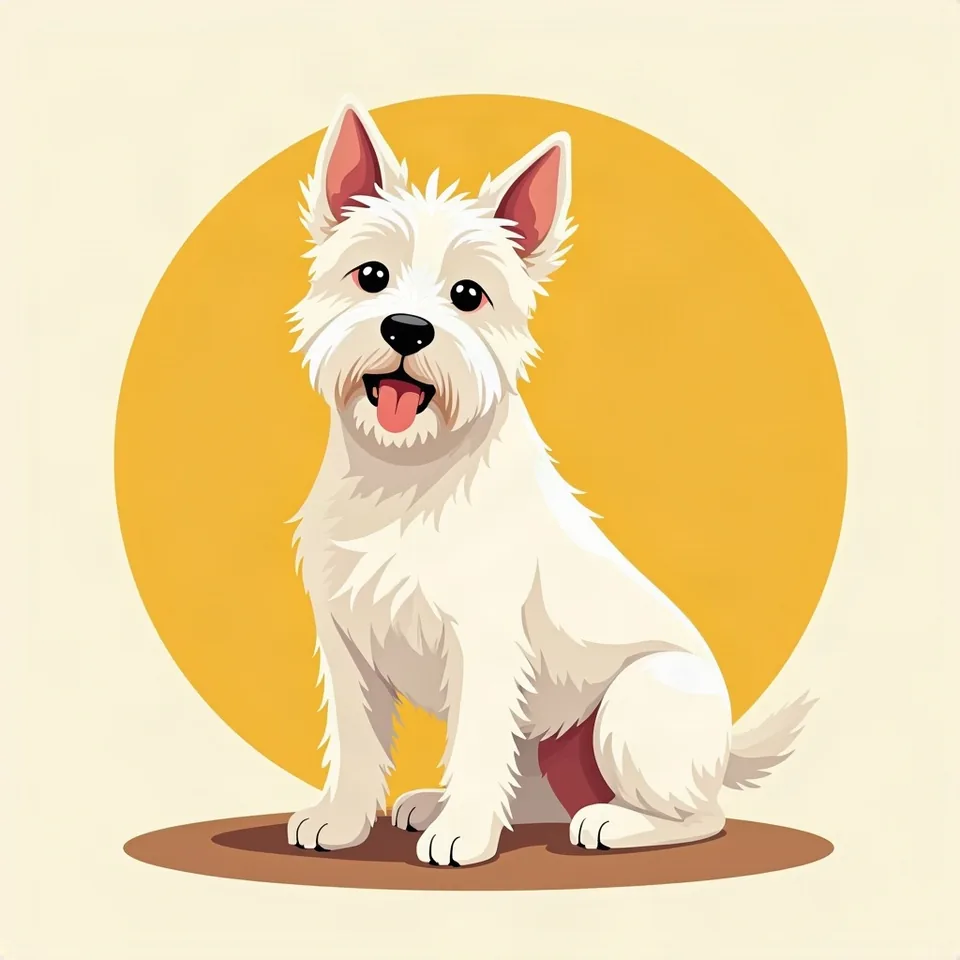
West Highland White Terrier
Small · 6–10 kg · 12–16 years
The West Highland White Terrier, or Westie, is one of the breeds hit hardest by skin allergies and atopic dermatitis, conditions where diet plays a key role. We cover how much a Westie should weigh, how to tell a food allergy from an environmental one, and how to build a diet that helps the skin instead of aggravating it.
Medium (10–25 kg)
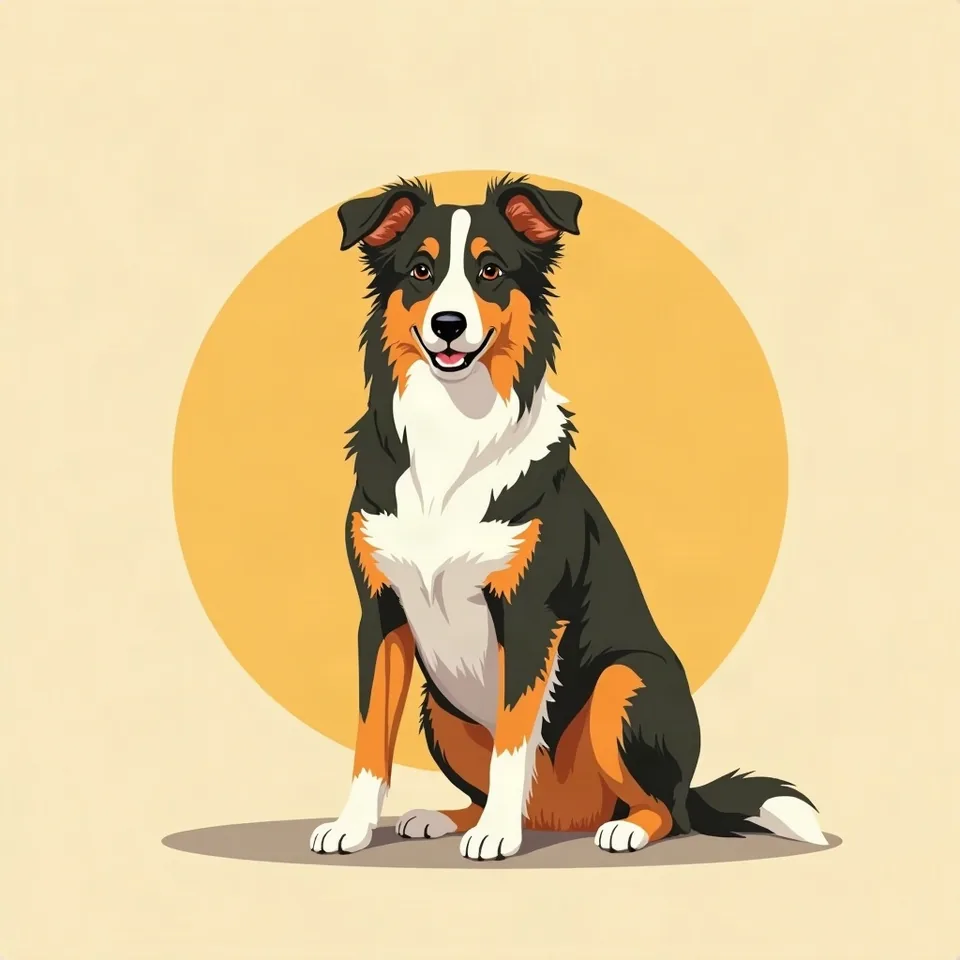
Australian Shepherd
Medium · 16–32 kg · 12–15 years
The Australian Shepherd is a working herding dog with enormous exercise and calorie needs, but also a breed with a well-known genetic sensitivity to certain drugs. Here's how to feed an Aussie according to its actual energy output, and what to watch for with the MDR1 gene mutation and a tendency toward epilepsy.
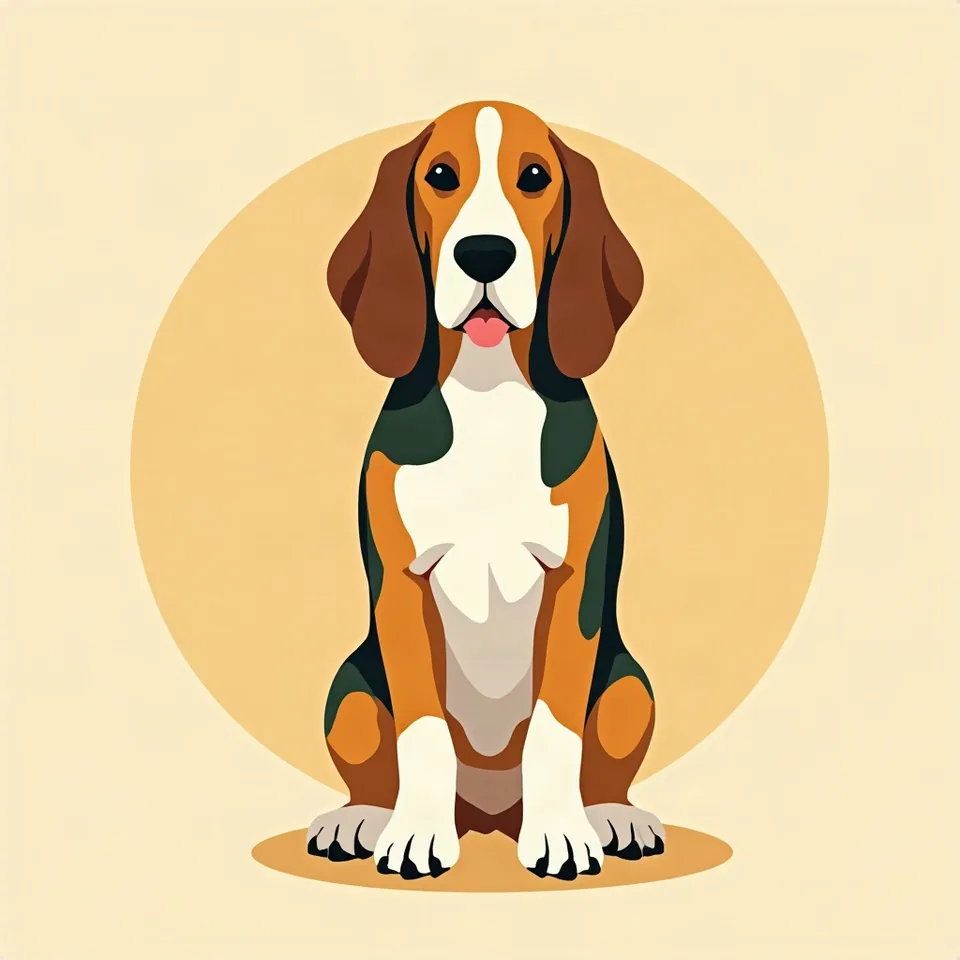
Basset Hound
Medium · 20–29 kg · 10–12 years
The Basset Hound is a low-slung, heavy dog with minimal natural drive to move, and even mild excess weight puts serious strain on its long back and joints. Here's how much a Basset should weigh, why portion control matters more for this breed than almost any other, and how to lower the risk of a slipped disc.
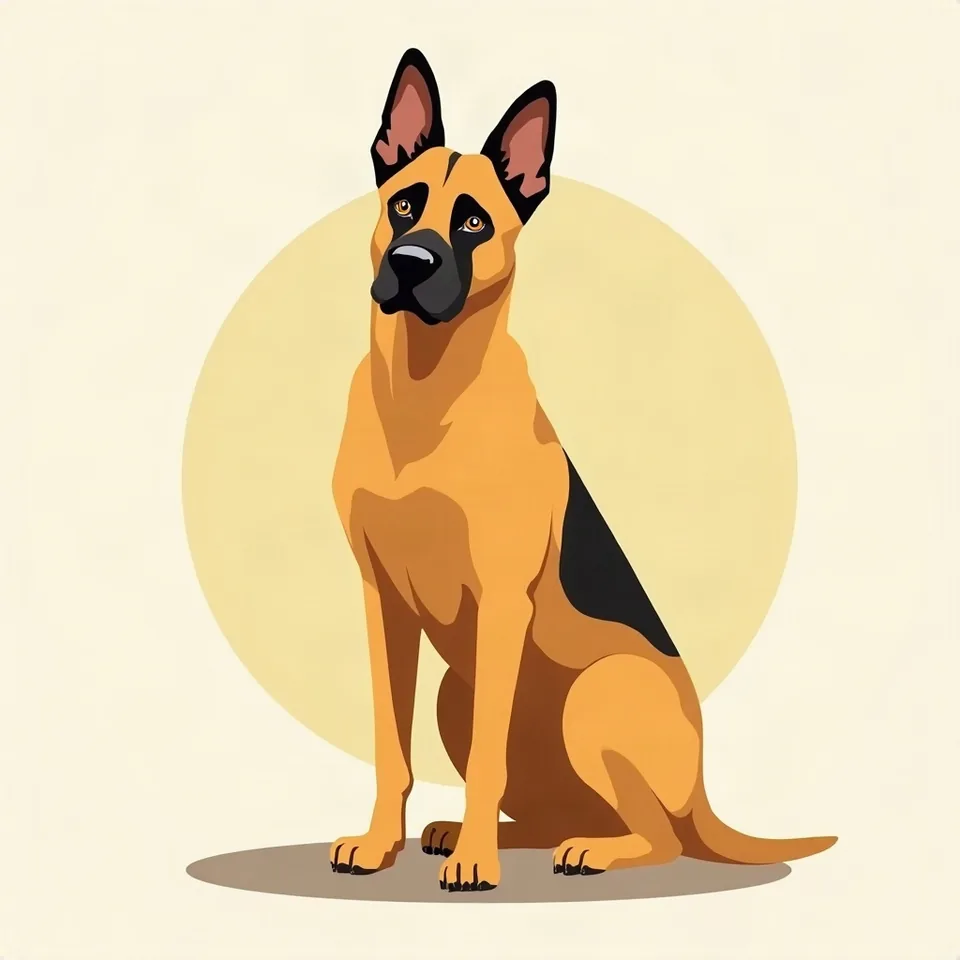
Belgian Malinois
Medium · 20–30 kg · 12–14 years
The Belgian Malinois is a working breed with extremely high energy needs and a digestive system that's sensitive to stress. Here's how much energy an active versus a companion Malinois actually needs, how to prevent bloat, and why a poorly judged ration hurts both performance and health in this breed.
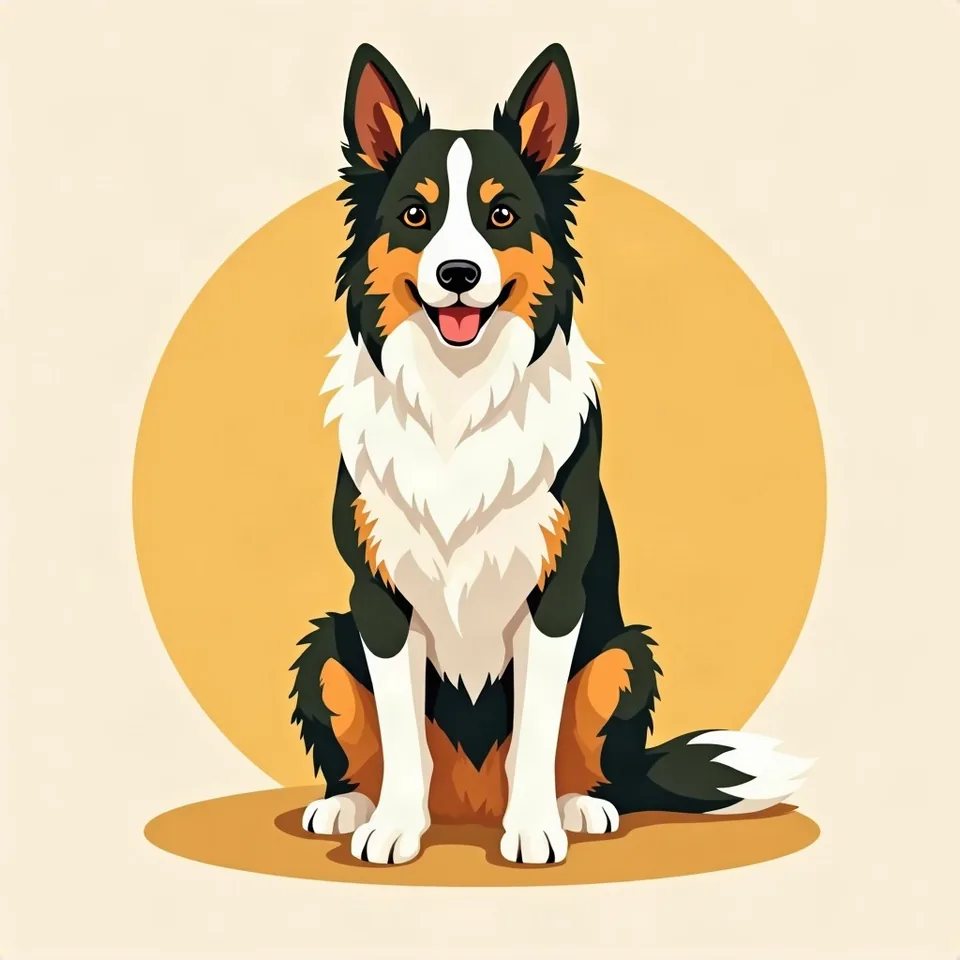
Border Collie
Medium · 12–22 kg · 12–15 years
The Border Collie is the most hardworking herding breed, with energy needs that can differ by tens of percent depending on lifestyle. Here's how to portion food according to actual workload, what to watch for with drug sensitivity (MDR1), and how to support the joints of dogs active in sport.
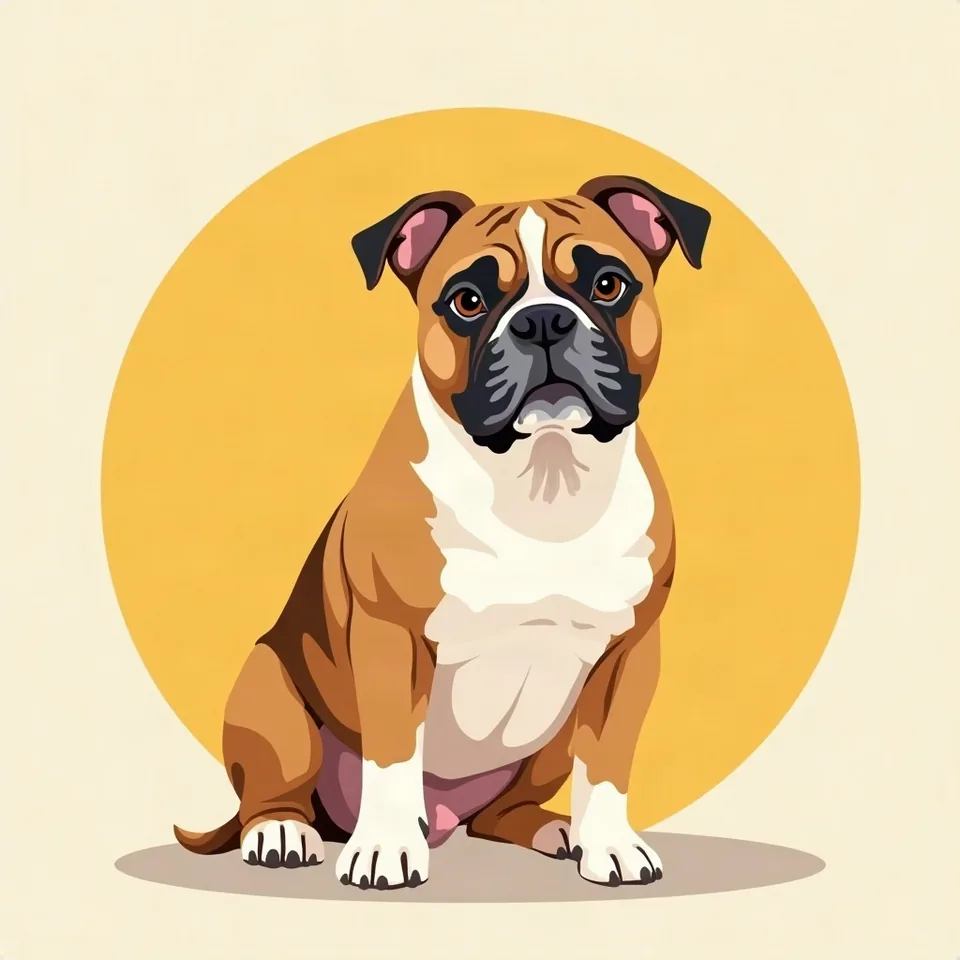
English Bulldog
Medium · 18–25 kg · 8–10 years
The English Bulldog is a brachycephalic breed with low exercise tolerance, a strong tendency toward obesity, and a sensitive digestive system. Feeding this breed has to account for breathing and eating difficulties, a tendency toward gas, and frequent skin allergies. Here's how.
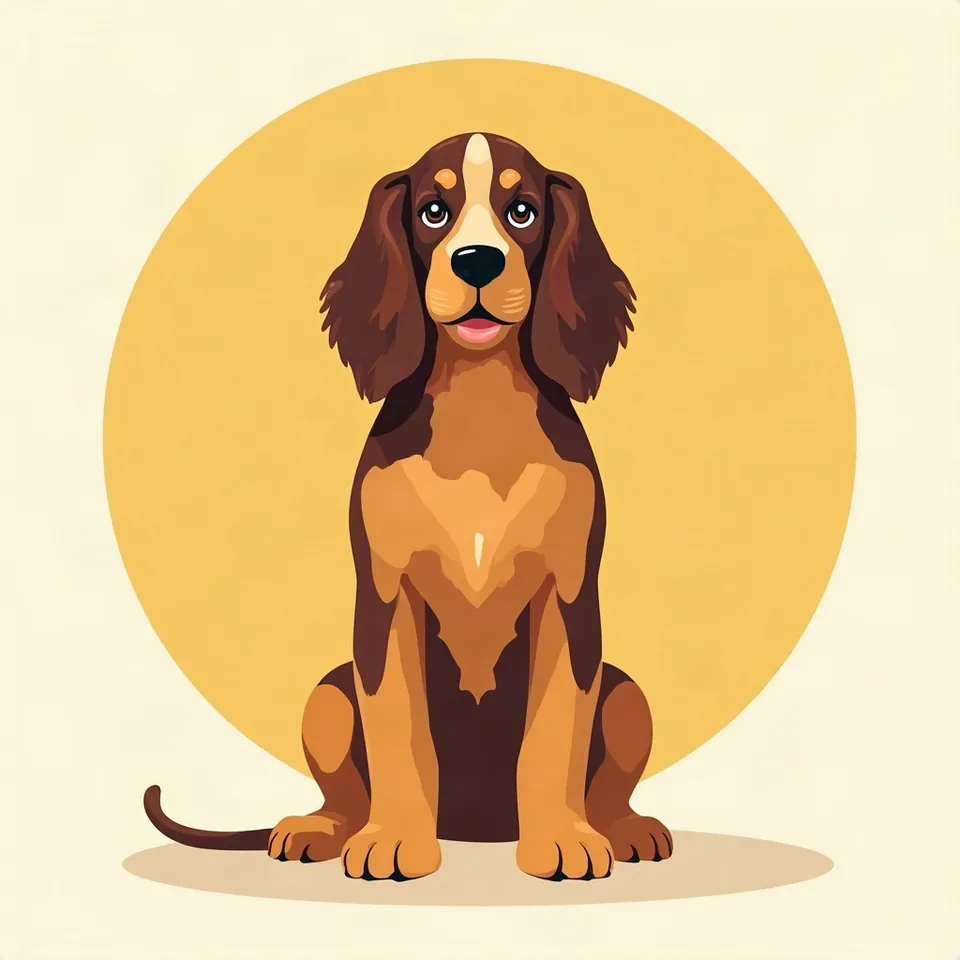
English Cocker Spaniel
Medium · 12–16 kg · 12–14 years
The English Cocker Spaniel is an energetic sporting dog with a famously insatiable appetite and a tendency toward obesity, ear infections, and inherited kidney and eye disease. Here's how to feed a Cocker Spaniel with its weight, ears, and long-term kidney health in mind.
Samoyed
Medium · 17–30 kg · 12–14 years
The Samoyed was bred as a sled-pulling and herding dog in the Arctic climate with a very economical metabolism, so a pet Samoyed needs less energy than its active appearance suggests. Watch for a predisposition to hereditary glomerulopathy and diabetes as well.
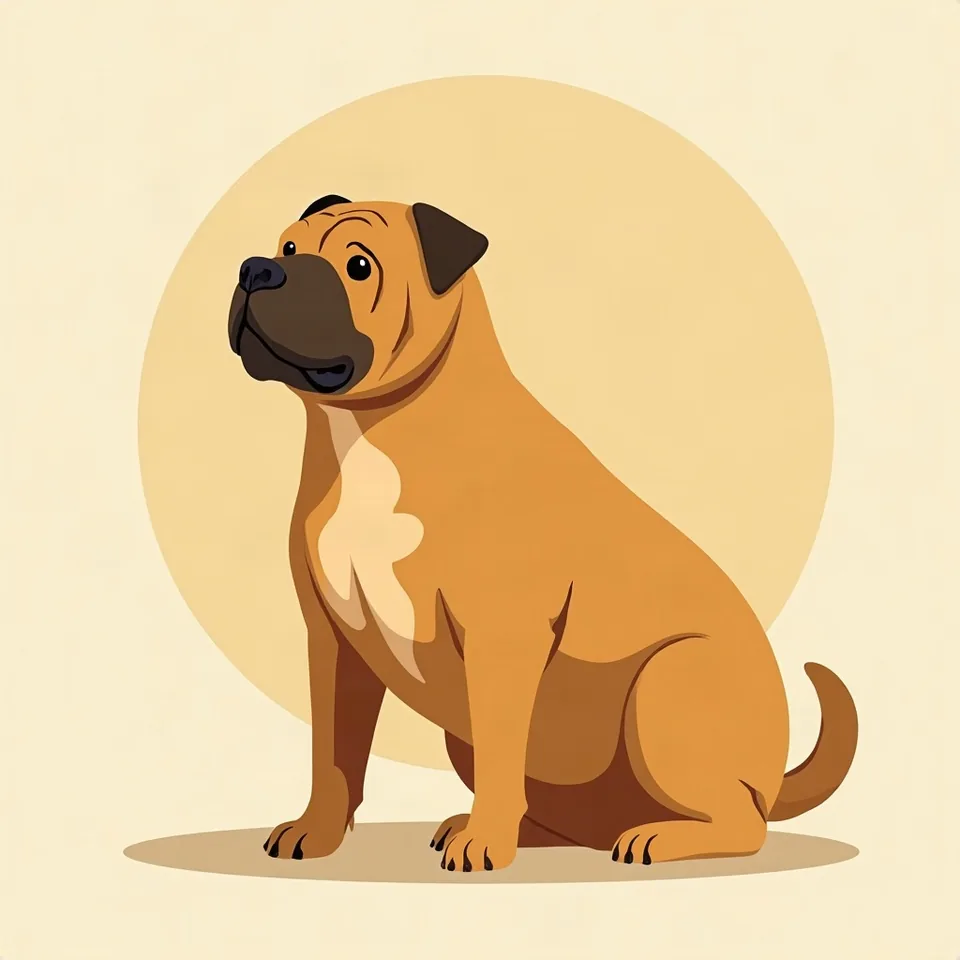
Shar Pei
Medium · 16–29 kg · 9–11 years
The Shar Pei is a breed defined by its skin folds and a genetic predisposition to recurring fevers and amyloidosis. Here's how diet affects the body's inflammatory load, why so many Shar Peis struggle with food allergies, and how feeding choices can help prevent complications linked to those folds.
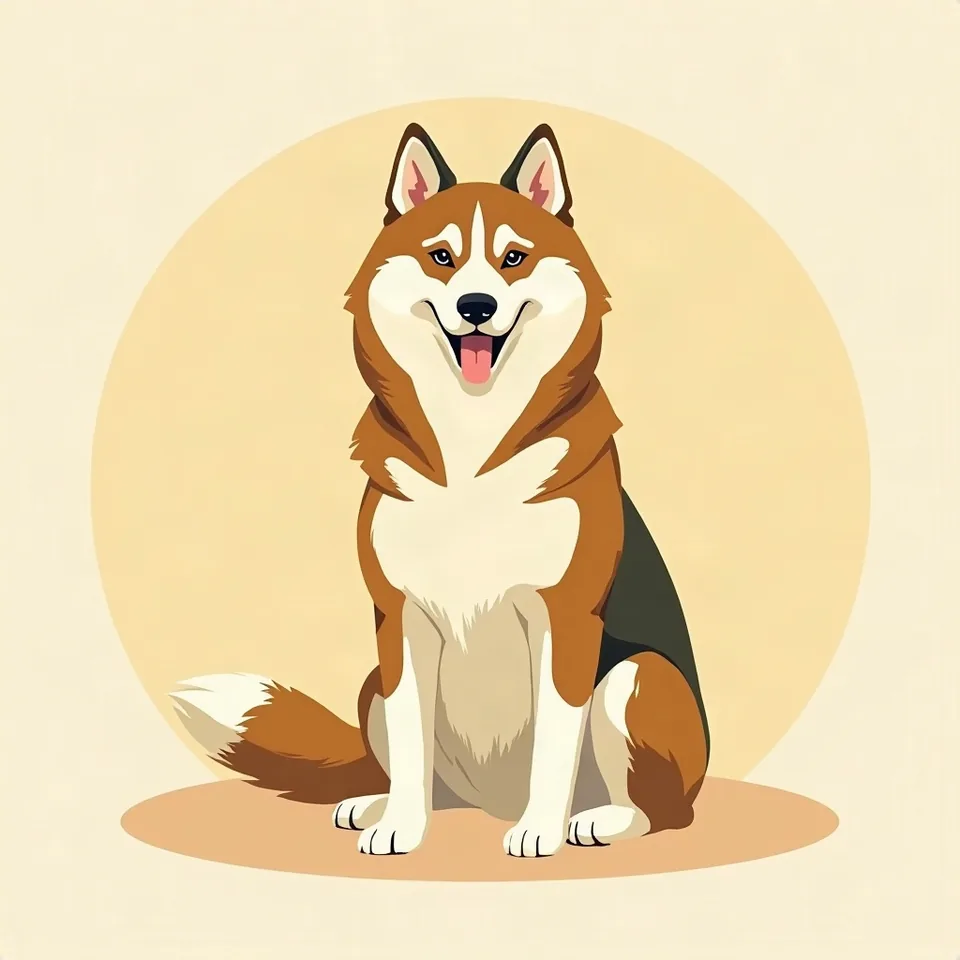
Siberian Husky
Medium · 16–27 kg · 12–14 years
The Siberian Husky is an endurance sled dog with an exceptionally efficient metabolism. It needs fewer calories per kilogram of body weight than most similarly sized breeds and packs on weight fast if fed by standard charts. Here's how to feed a husky according to its real workload, and why zinc intake needs watching.
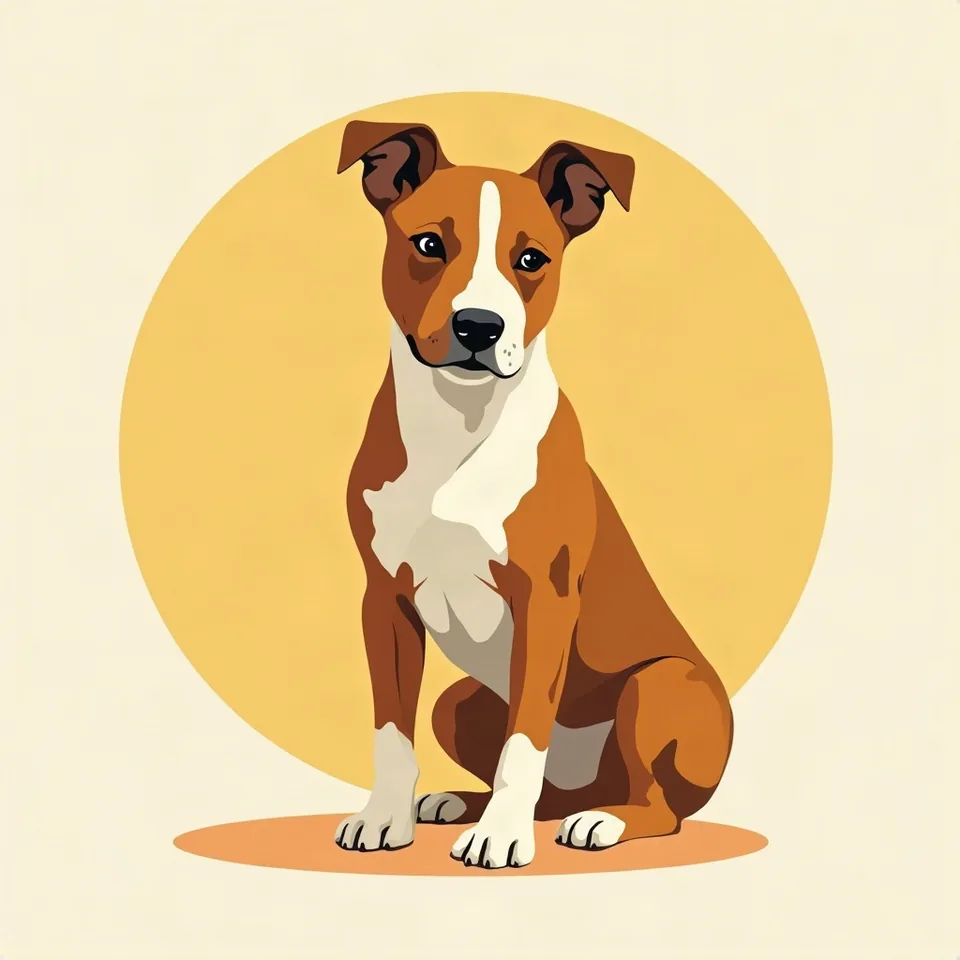
Staffordshire Bull Terrier
Medium · 11–17 kg · 12–14 years
The Staffordshire Bull Terrier is a muscular, food-driven dog prone to obesity and skin allergies. Here's how much one should weigh, how to recognize the risk of the inherited condition L-2-HGA, and why portion control, more than any specific kibble brand, is what protects this breed's joints and skin.
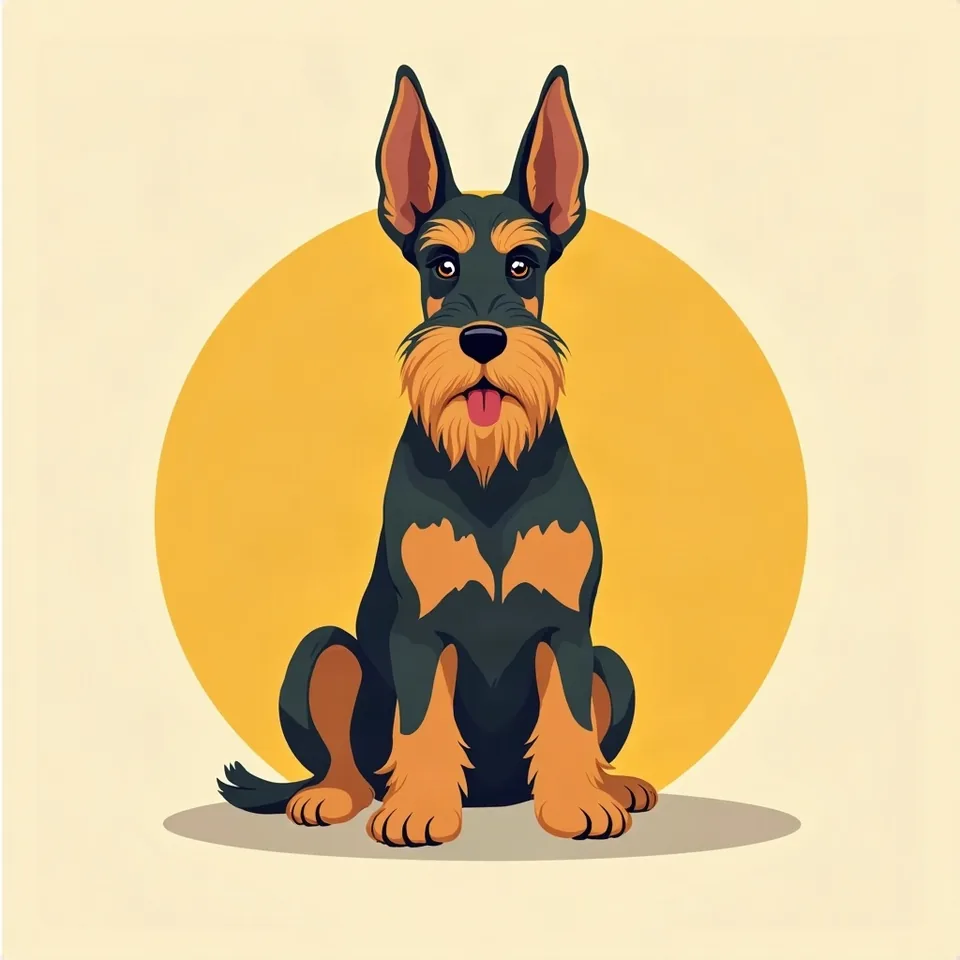
Standard Schnauzer
Medium · 14–20 kg · 13–16 years
The Standard Schnauzer is a tough working breed with a tendency toward fat-metabolism disorders, hyperlipidemia and pancreatitis in particular. Here's how much a Standard Schnauzer should weigh, how to build a low-fat diet, and what to avoid so it doesn't end up with pancreatitis or bladder stones.
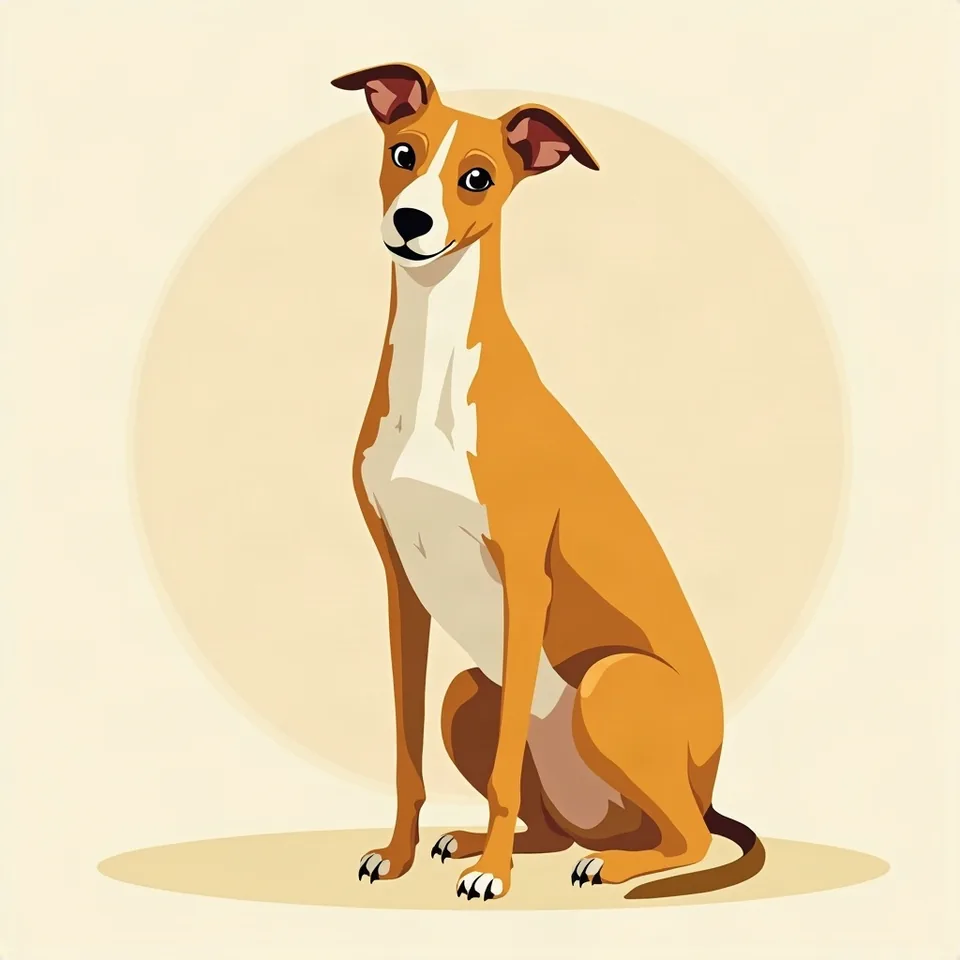
Whippet
Medium · 11–17 kg · 12–15 years
The Whippet is a lean sprinter with minimal fat reserves, and visible ribs on this breed are a sign of normal condition, not thinness. We cover how much a Whippet should weigh, why it needs a more energy-dense food than other dogs of the same weight, and how to prevent chilling and dental problems.
Large (25–45 kg)
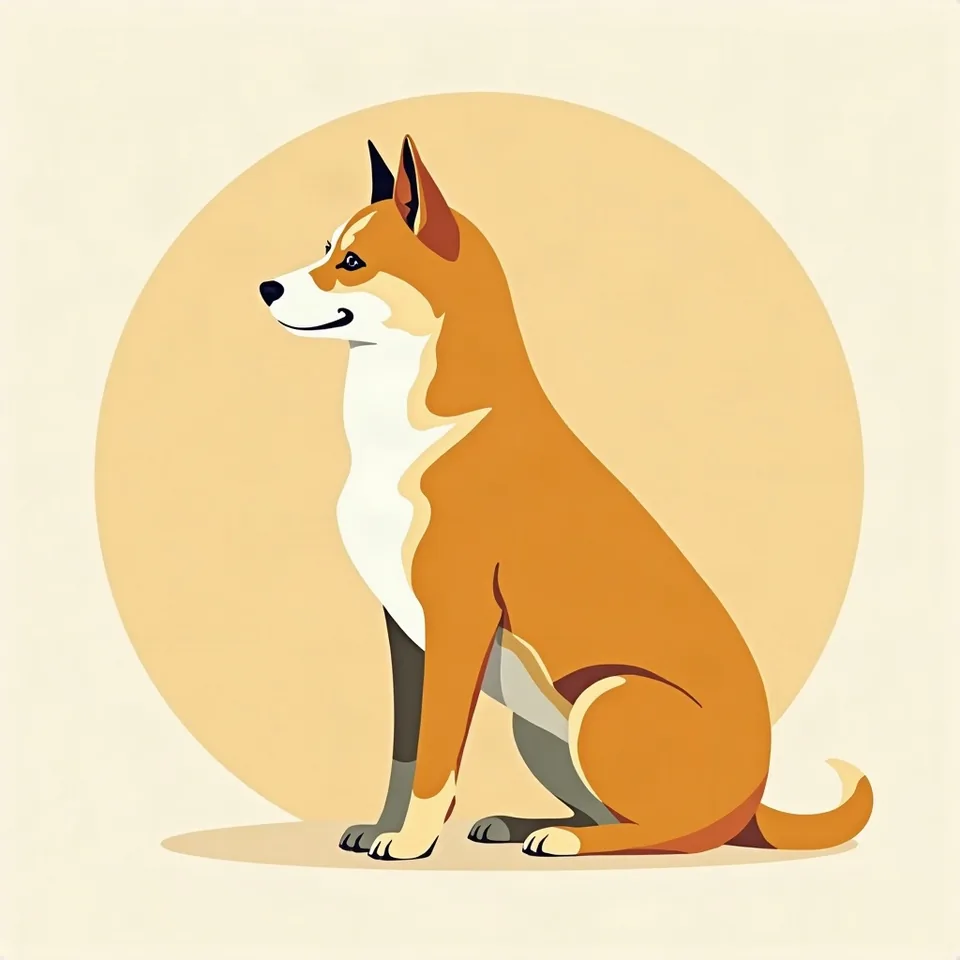
Akita
Large · 25–45 kg · 10–12 years
The Akita is a powerful, independent breed with a strong predisposition to autoimmune skin disease and thyroid problems. Here's how much an Akita should weigh, how diet affects autoimmune inflammation, and why careful feeding matters for this breed's risk of bloat.
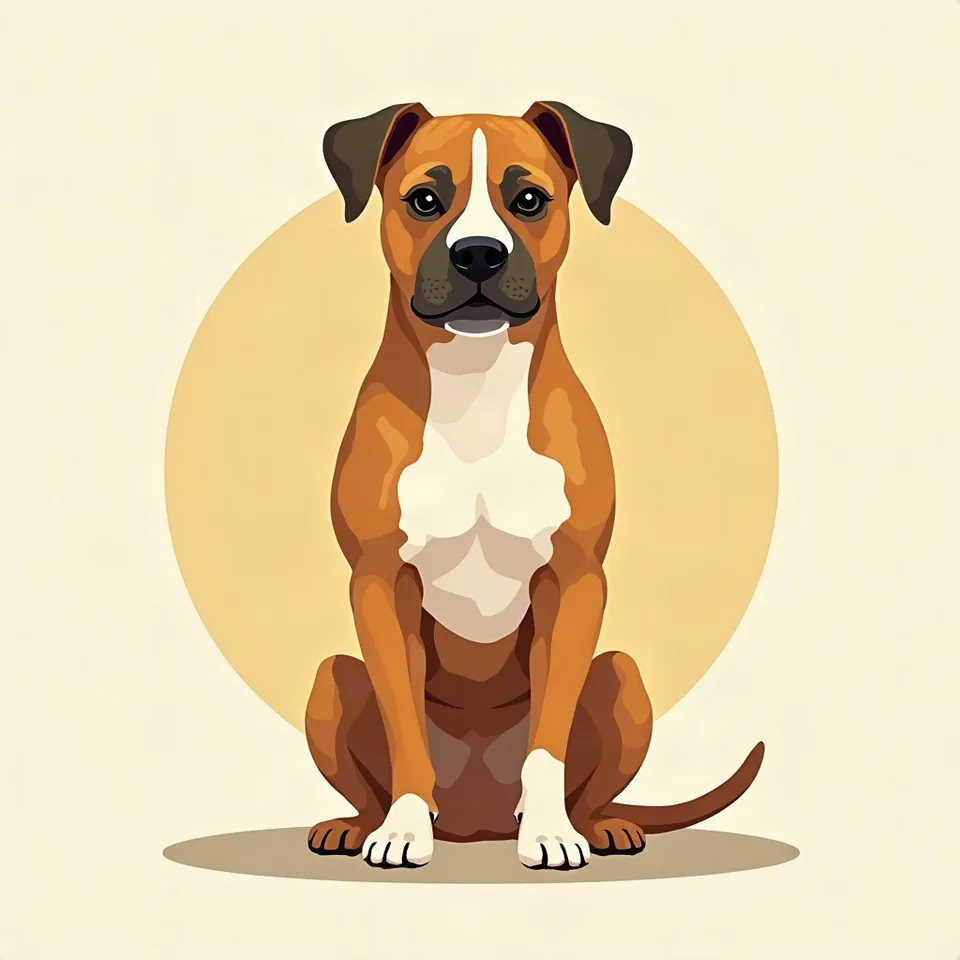
American Staffordshire Terrier
Large · 18–32 kg · 12–14 years
The American Staffordshire Terrier is a muscular, powerful breed prone to skin allergies and to weight gain if its energetic temperament doesn't get enough exercise. Here's how to support muscle and joints through diet, and how to recognize a food allergy in this breed.
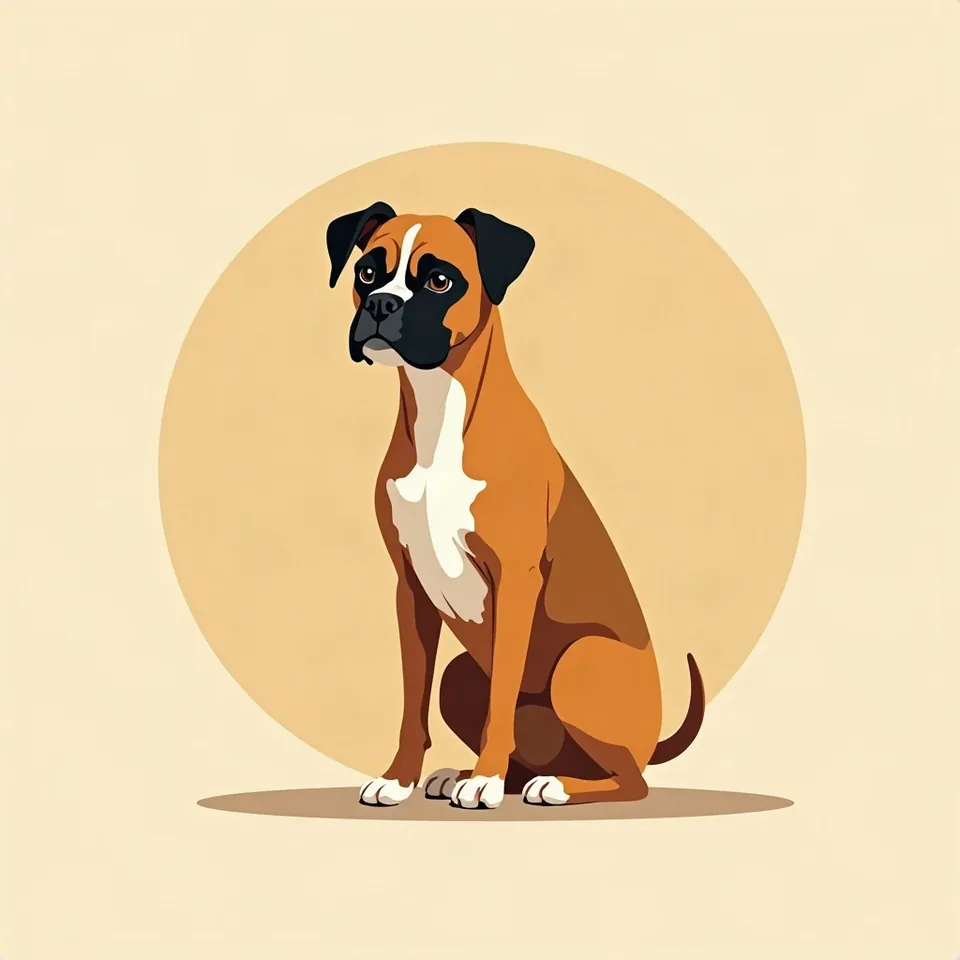
Boxer
Large · 25–32 kg · 9–11 years
The Boxer is a muscular, deep-bodied breed with an elevated risk of heart arrhythmia, cancer, and bloat. Here's how diet can support the heart and digestion, and how feeding practices can lower this breed's high risk of stomach twisting.
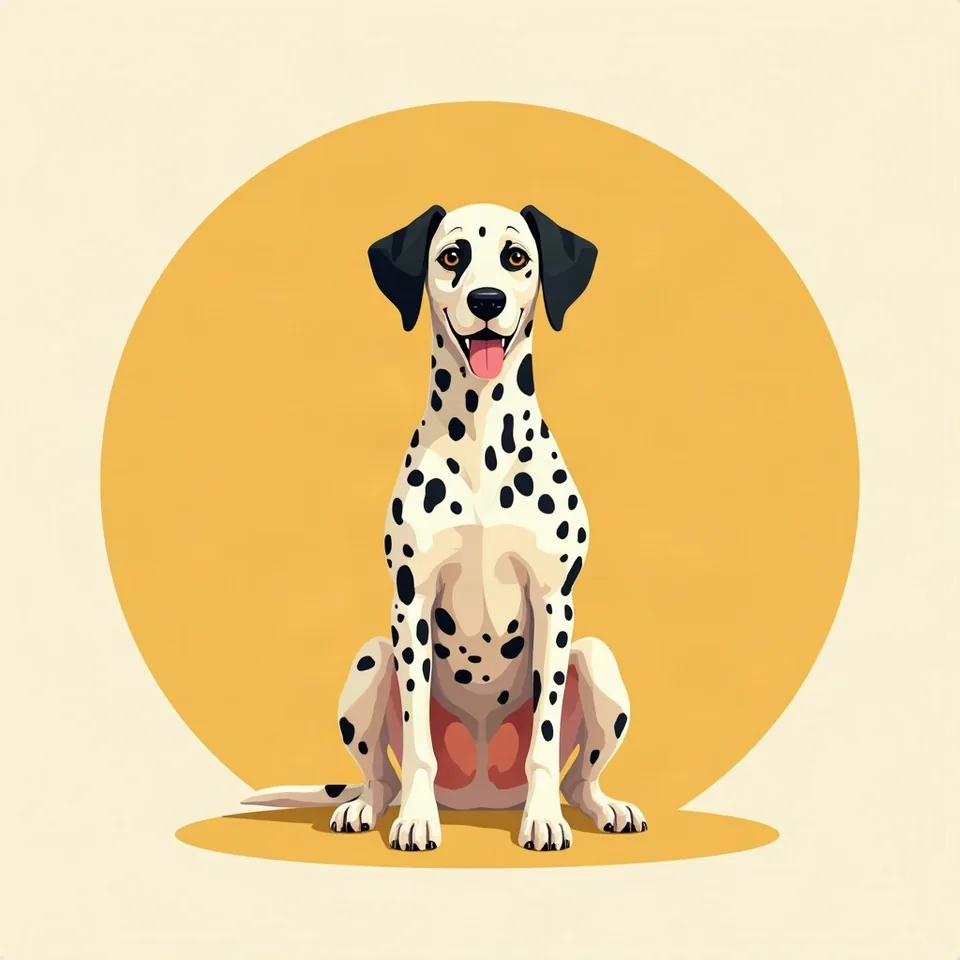
Dalmatian
Large · 24–32 kg · 11–13 years
The Dalmatian has a unique, genetically based disorder of purine metabolism that sets it apart from every other breed: it excretes an excessive amount of uric acid and is prone to urate bladder stones. Its diet therefore needs to be low in purines, moderate in protein, and built around good hydration.
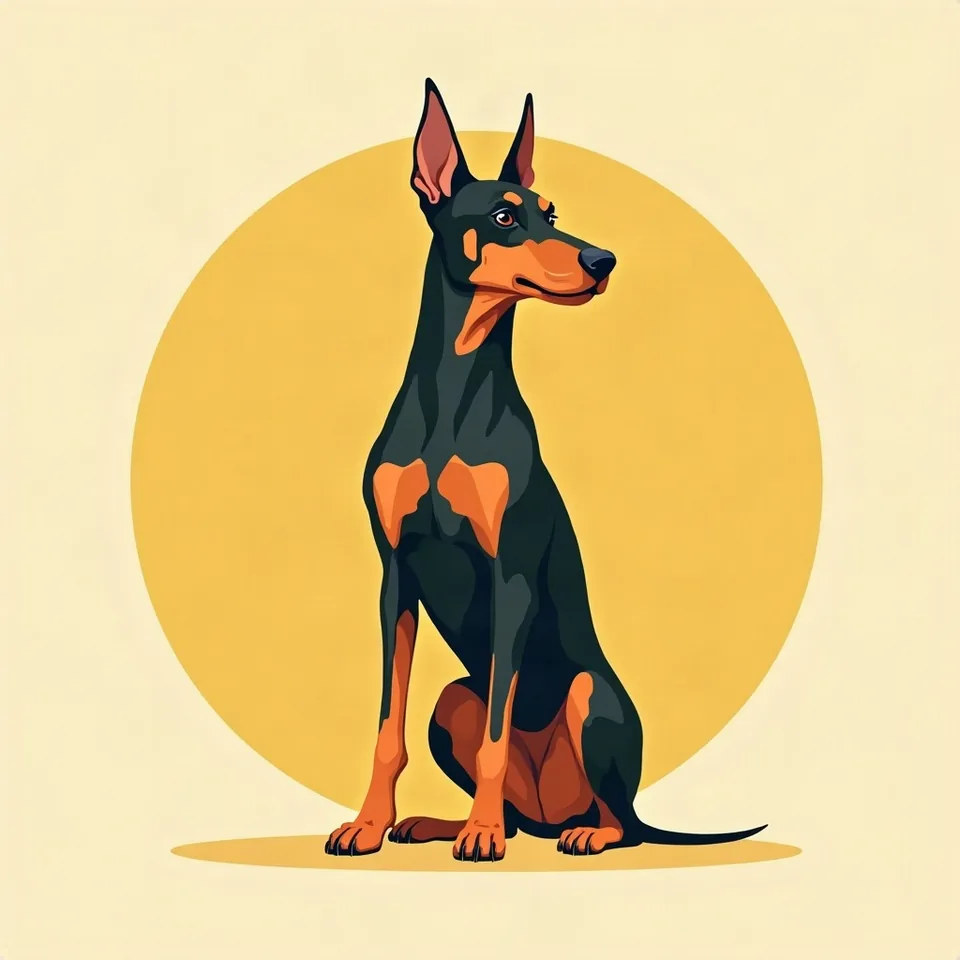
Dobermann
Large · 32–45 kg · 10–13 years
The Dobermann is a lean, athletic breed with a high risk of dilated cardiomyopathy, a condition where diet has a demonstrated role. Here's how choosing the right food and taurine intake can support the heart, how controlled growth protects the neck, and how to lower the risk of bloat.
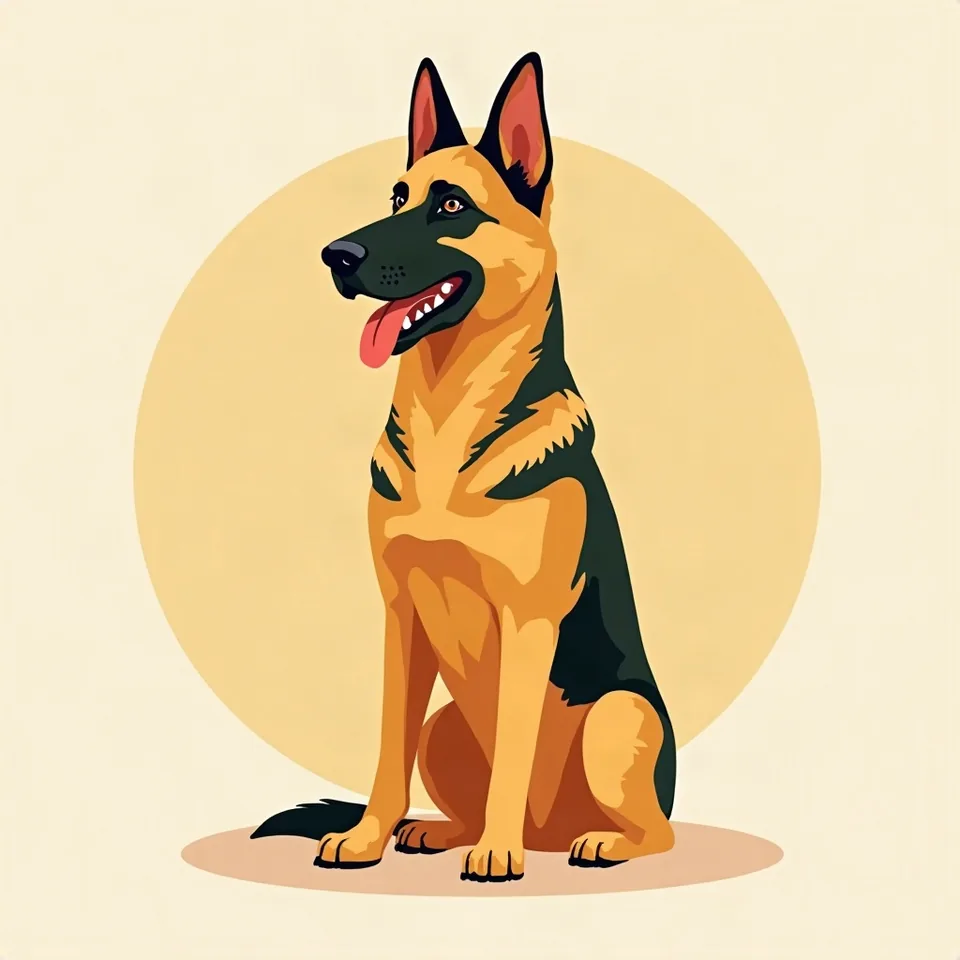
German Shepherd Dog
Large · 22–40 kg · 9–13 years
The German Shepherd Dog is an all purpose working breed with high energy needs, but also a tendency toward joint dysplasia, degenerative myelopathy, and digestive sensitivity including pancreatic insufficiency. Here's how to support the joints, spine, and gut with diet at every life stage.
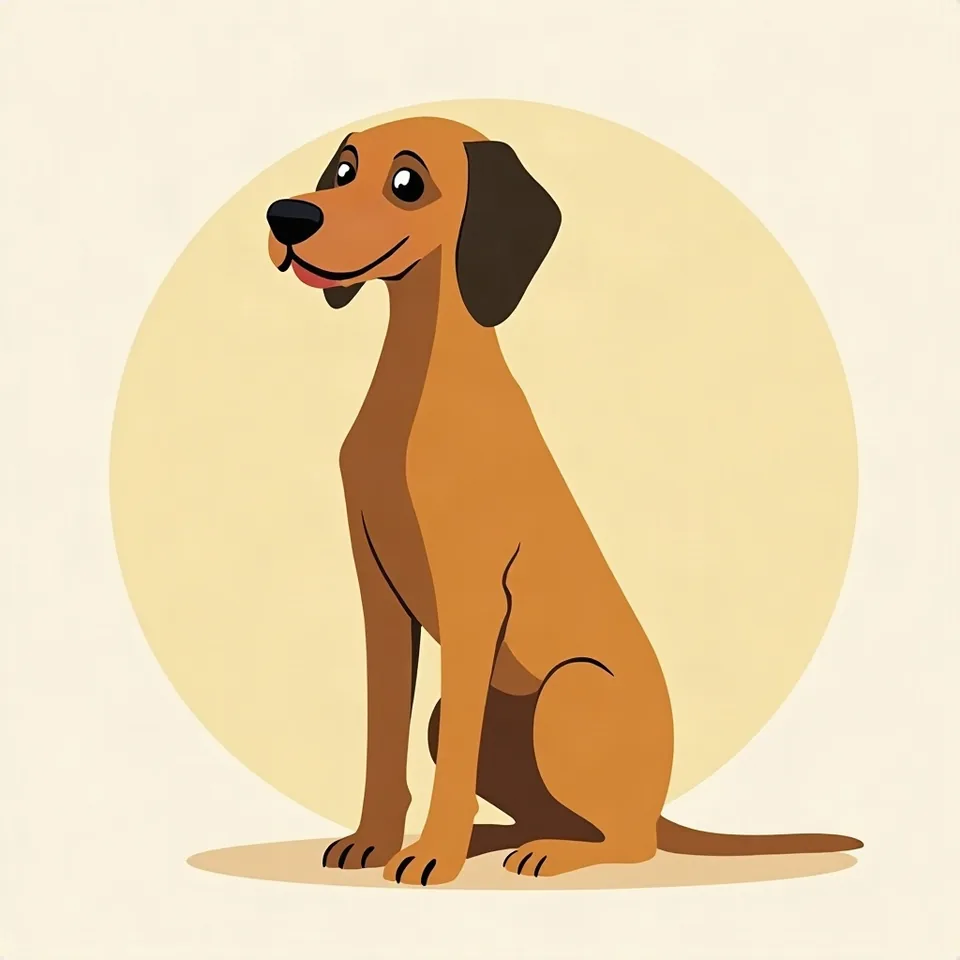
German Shorthaired Pointer
Large · 20–32 kg · 12–14 years
The German Shorthaired Pointer is an endurance bred working gun dog whose energy needs push the average house pet toward weight gain unless meals are matched to real activity rather than the breed's reputation. The keys are a large breed food with higher protein and awareness of bloat risk.
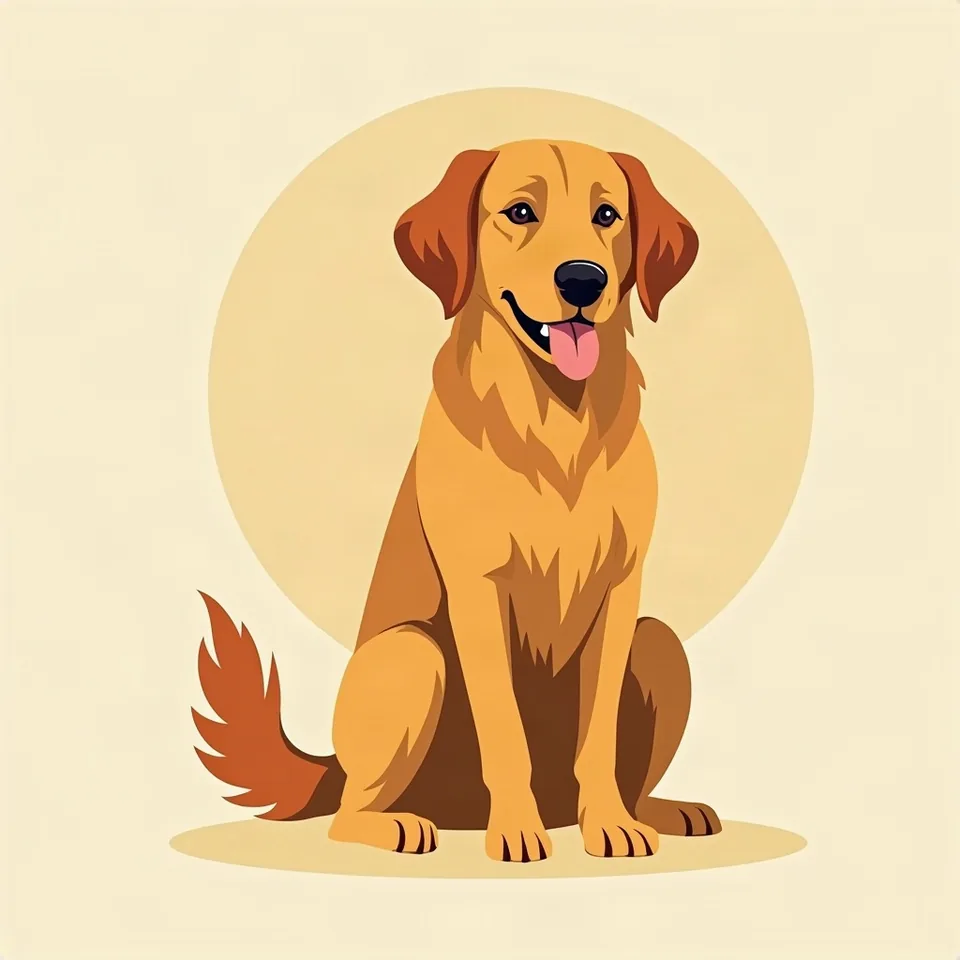
Golden Retriever
Large · 25–34 kg · 10–12 years
The Golden Retriever is a beloved family dog with a strong food drive, a high risk of cancer, and a tendency to gain weight. We cover how diet and a lean body condition can support the joints, immune system, and lifespan at every age.
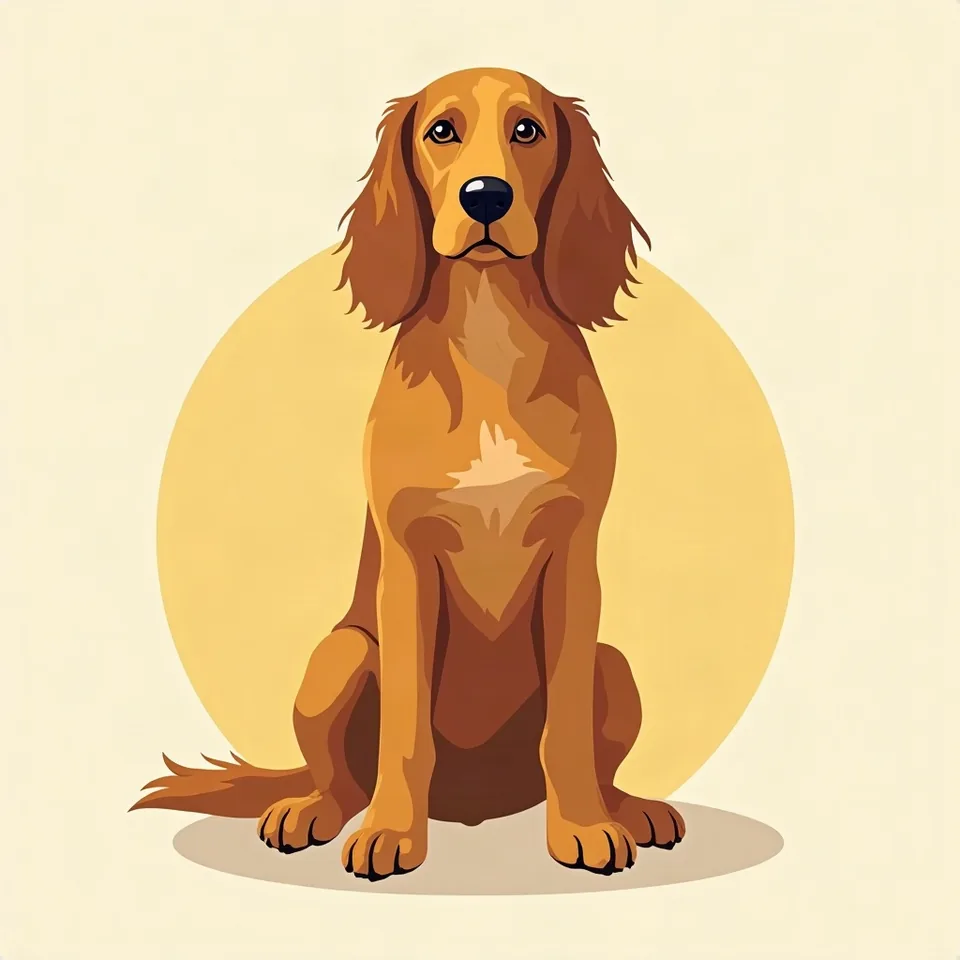
Irish Setter
Large · 25–32 kg · 12–14 years
The Irish Setter is an endurance hunting dog with a deep chest and a specific gluten sensitivity. Here's how much an Irish Setter should weigh, why bloat risk never fully goes away even after years without trouble, and how to recognize the gluten-sensitive enteropathy well documented in this breed.
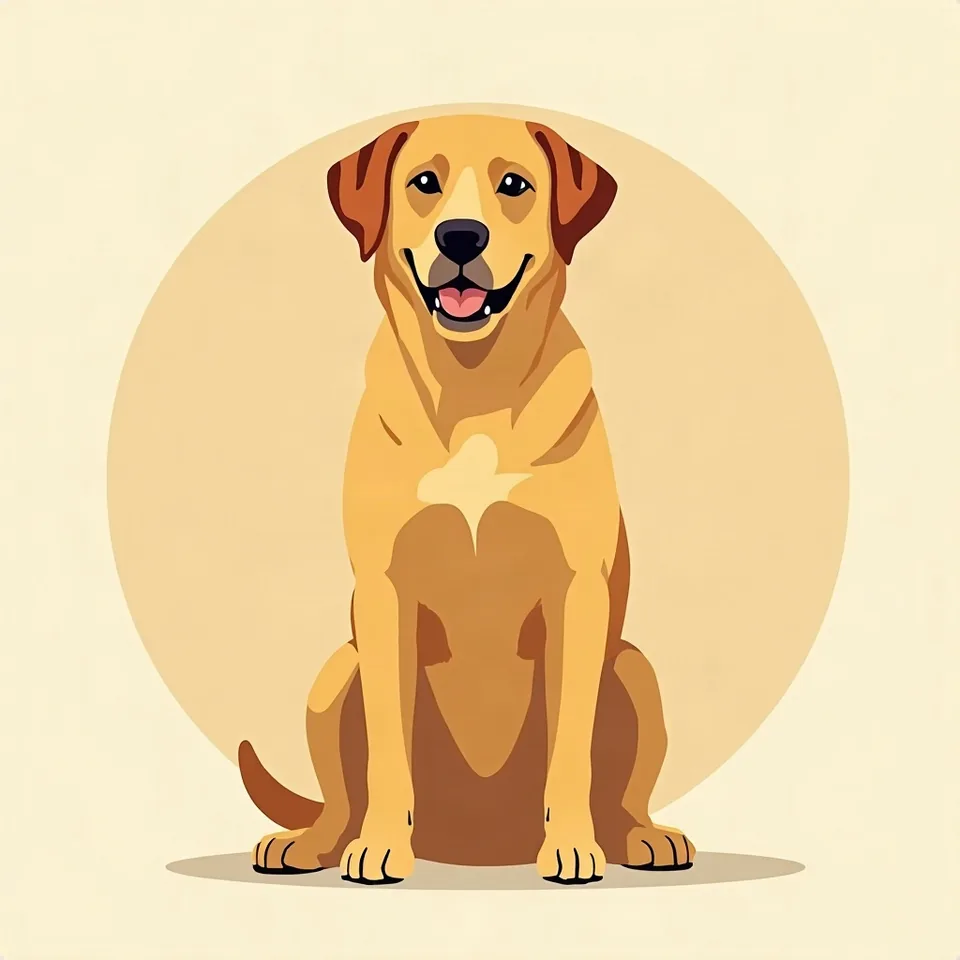
Labrador Retriever
Large · 25–36 kg · 11–13 years
The Labrador Retriever is the world's most popular family dog and also the breed that piles on weight the fastest. Here's how much a Labrador should weigh, how to feed one at every life stage, and how to head off the obesity, joint dysplasia, and allergies that trouble this breed most.
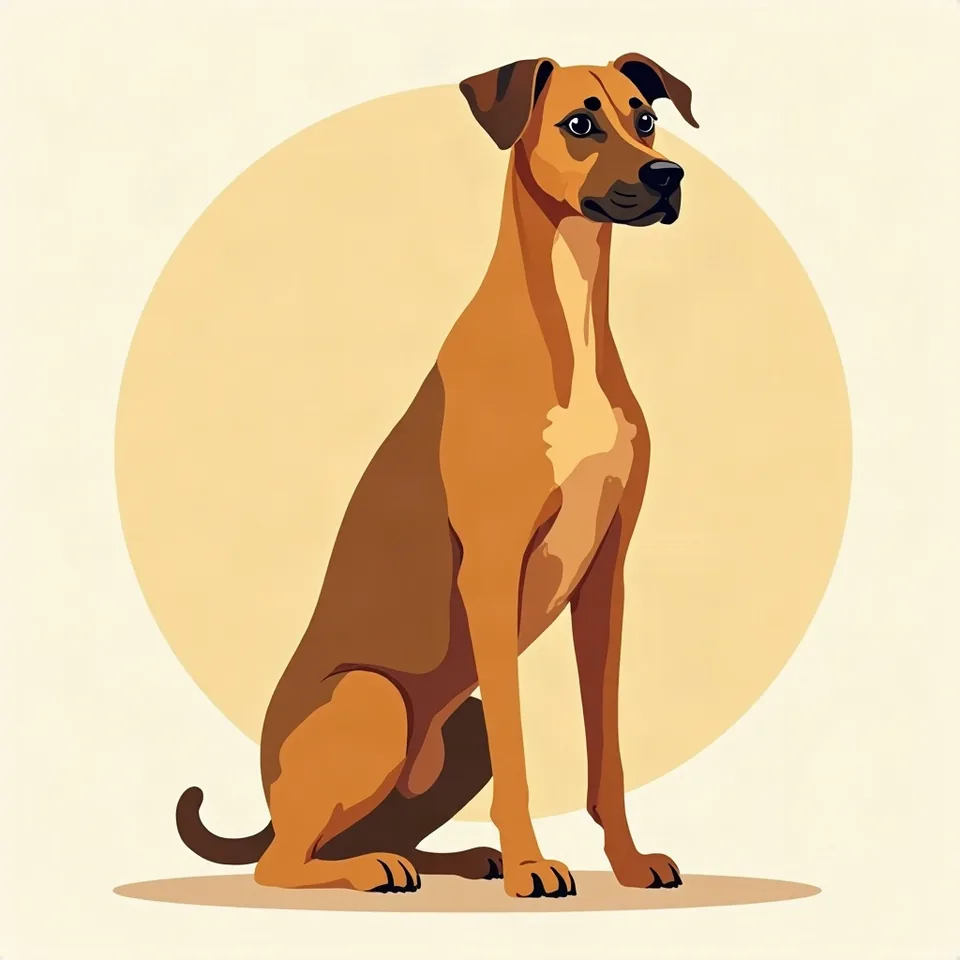
Rhodesian Ridgeback
Large · 30–40 kg · 10–12 years
The Rhodesian Ridgeback is a tough, enduring breed developed to hunt over long distances, and it needs quality protein to maintain muscle mass along with carefully managed growth as a puppy because of the risk of joint disorders and a deep chest prone to bloat.
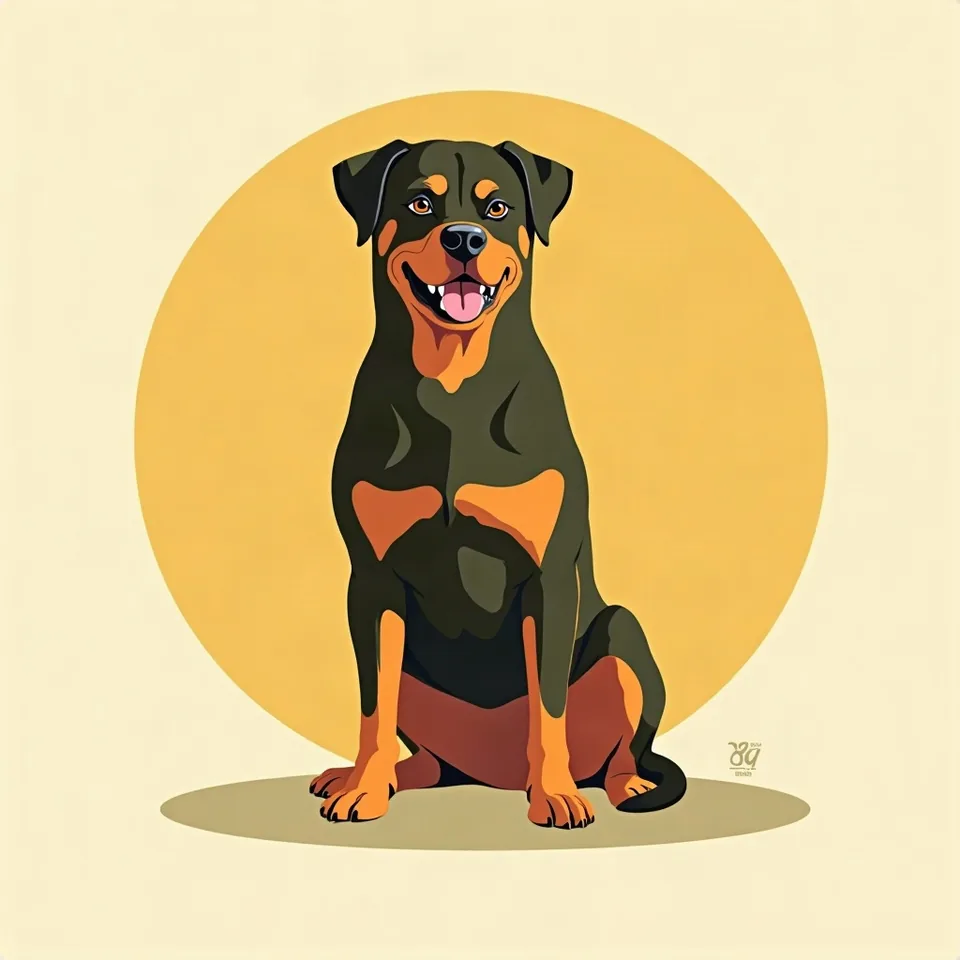
Rottweiler
Large · 35–60 kg · 9–10 years
The Rottweiler is a powerfully built working breed at high risk of joint dysplasia, bone tumors, and bloat. We explain how controlled growth as a puppy and precise portioning in adulthood support the joints, skeleton, and healthy weight of this strong dog.
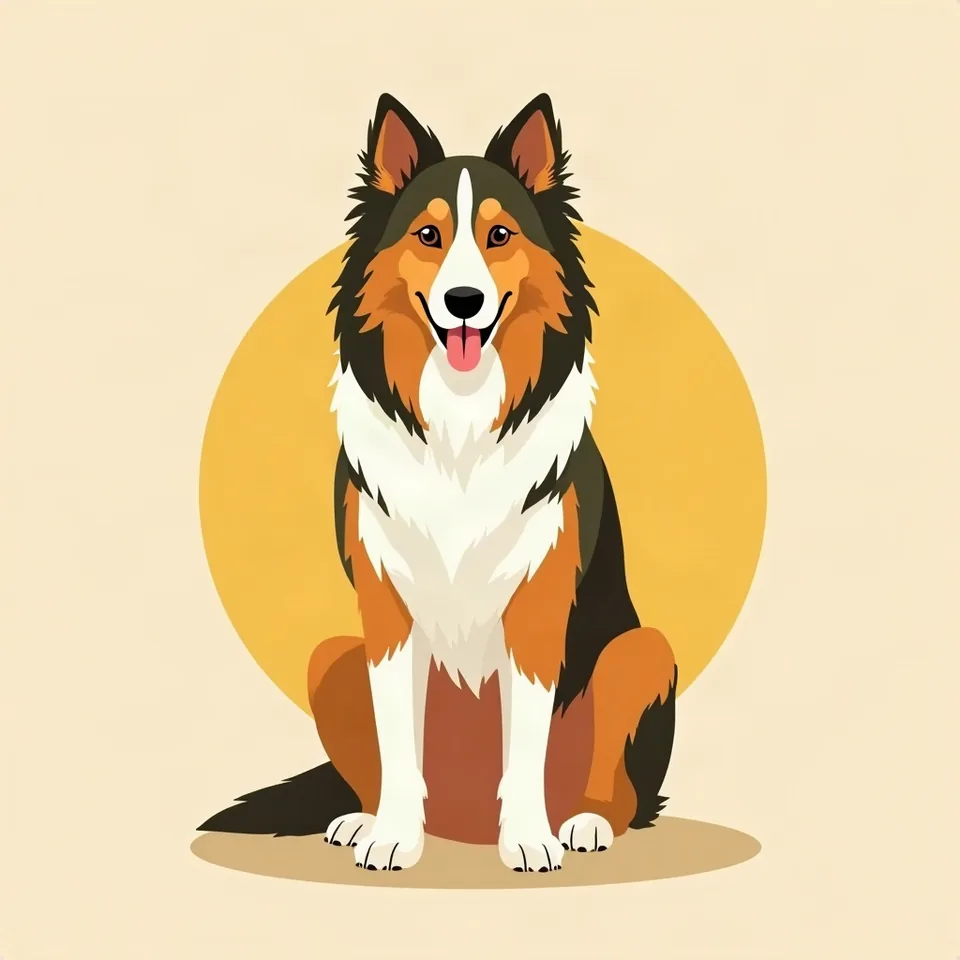
Rough Collie
Large · 18–29 kg · 12–14 years
The Rough Collie is a tall, slender dog whose long coat can easily hide extra weight, and the breed carries a genetic sensitivity to certain drugs (MDR1). Here's how much a Rough Collie should weigh, how to check its condition under all that coat, and what raises its risk of bloat.
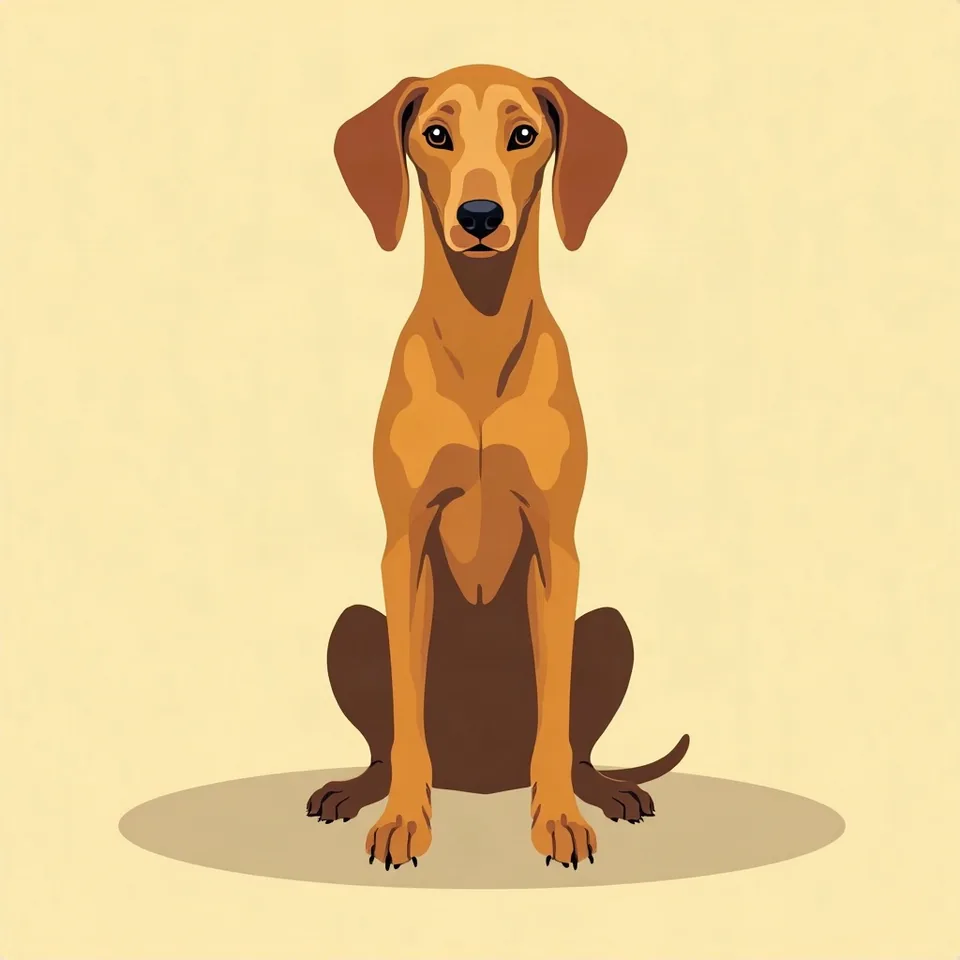
Weimaraner
Large · 25–40 kg · 10–13 years
The Weimaraner is a high-energy hunting dog with a deep chest and a high risk of bloat. Feeding has to keep pace with its working-level energy needs, while puppy growth needs to be tightly controlled to avoid painful growth-plate disorders.
Giant (over 45 kg)
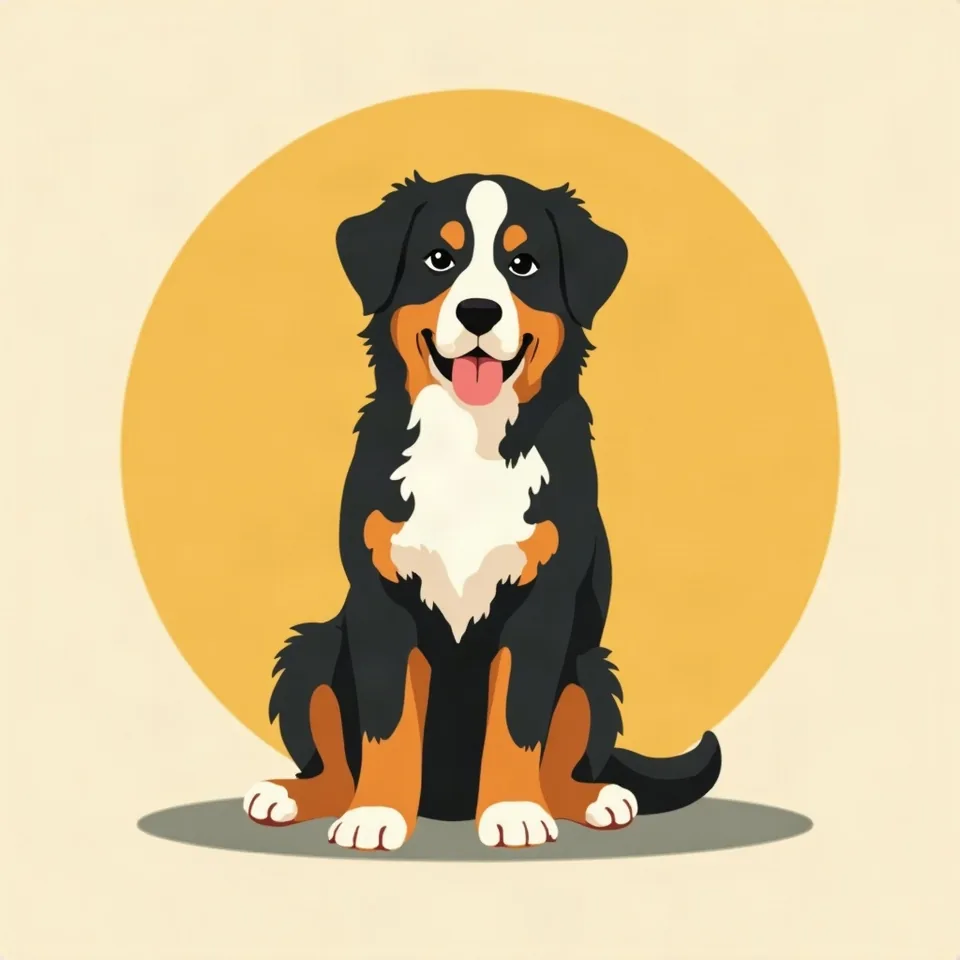
Bernese Mountain Dog
Giant · 36–50 kg · 7–10 years
The Bernese Mountain Dog is a giant breed with a short lifespan of 7 to 10 years and a high risk of cancer. Its diet has to manage two jobs at once: slow, controlled growth as a puppy, and preventing bloat and obesity as an adult.
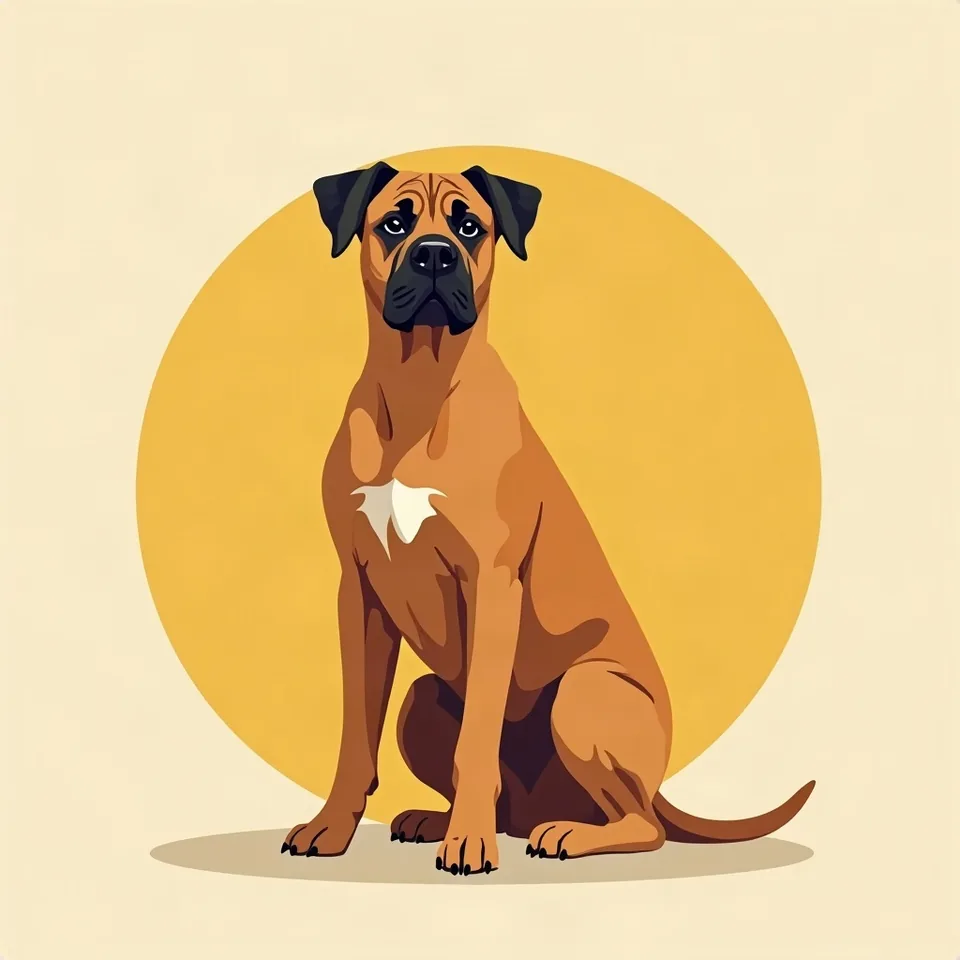
Cane Corso
Giant · 40–50 kg · 9–12 years
The Cane Corso is a massive Italian mastiff-type breed with rapid growth, making control of a puppy's growth rate and prevention of bloat essential. Its muscular build tempts owners into overfeeding, which needlessly strains joints already under pressure.
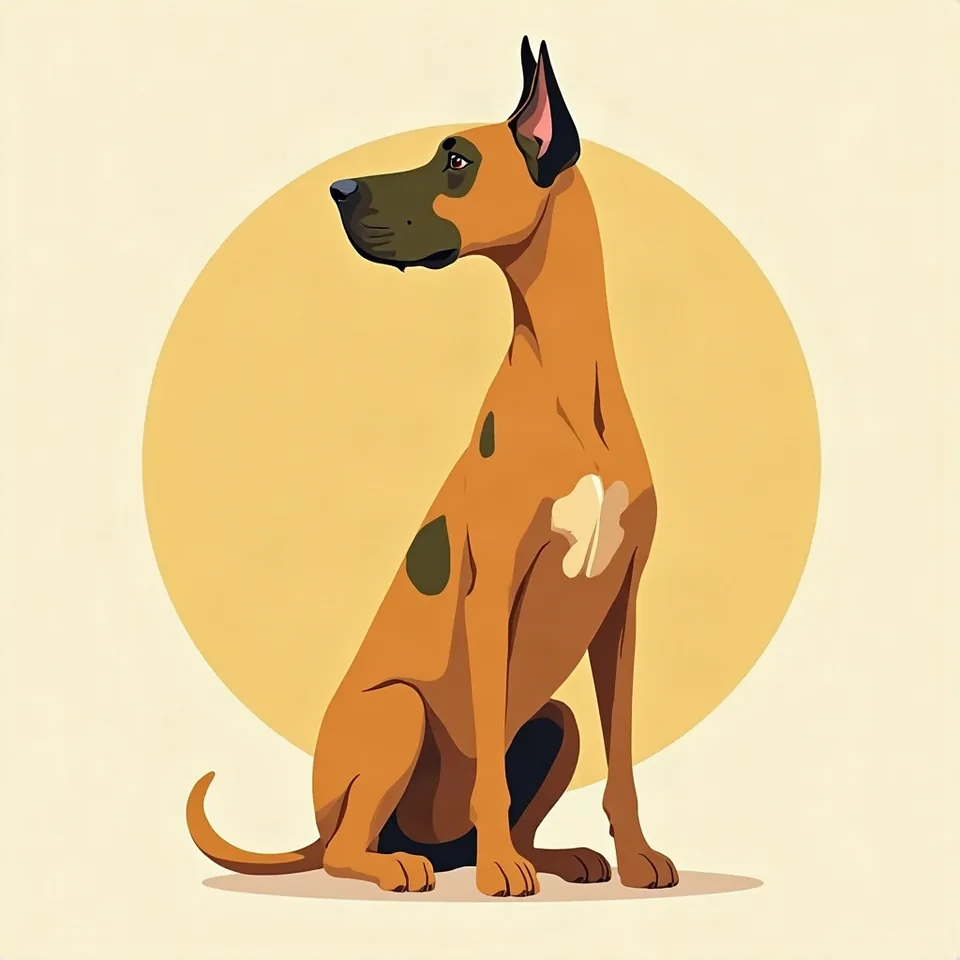
Great Dane
Giant · 45–90 kg · 7–9 years
The Great Dane carries the highest risk of bloat and stomach torsion of any dog breed. Feeding small meals several times a day and enforcing quiet time afterward isn't an optional tip here, it's a necessity. Just as critical is an extremely slow, controlled growth rate for a giant breed puppy.
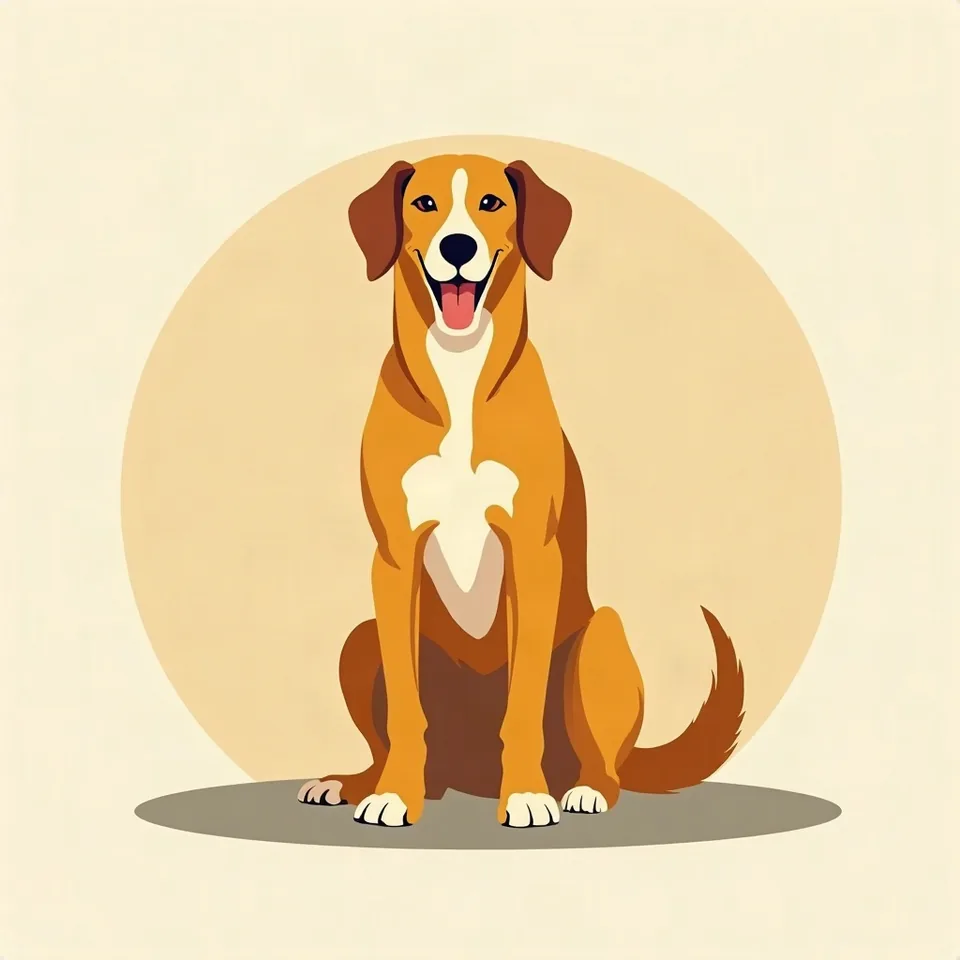
Irish Wolfhound
Giant · 40–70 kg · 6–8 years
The Irish Wolfhound is the tallest breed in the world, and also one of the shortest-lived, at just 6 to 8 years. Its diet has to manage an extremely slow-growing giant puppy, protect the heart from cardiomyopathy, and prevent bloat in the deepest-chested breed of all dogs.
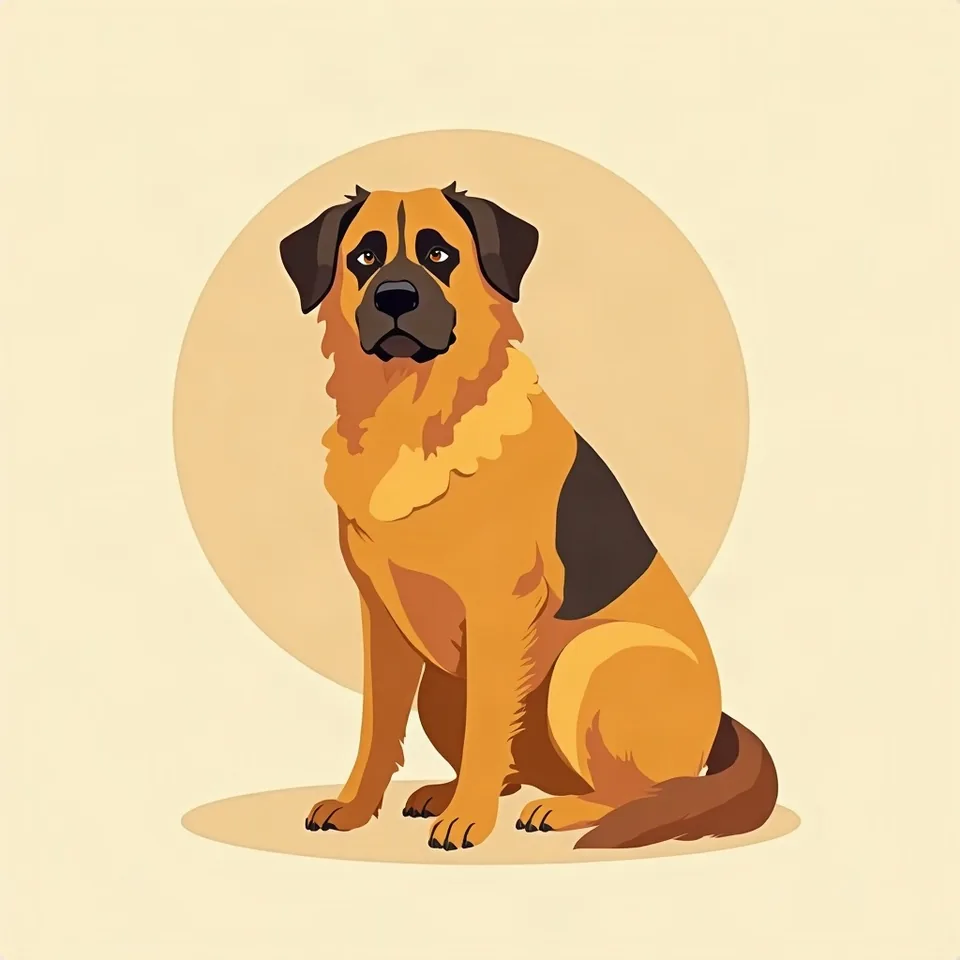
Leonberger
Giant · 45–77 kg · 7–9 years
The Leonberger is a massive giant breed with a short lifespan of just 7 to 9 years and an inherited nerve disease that can complicate eating. Nutrition has to support slow, controlled growth in a giant puppy and help prevent bloat, cancer, and obesity in adulthood.
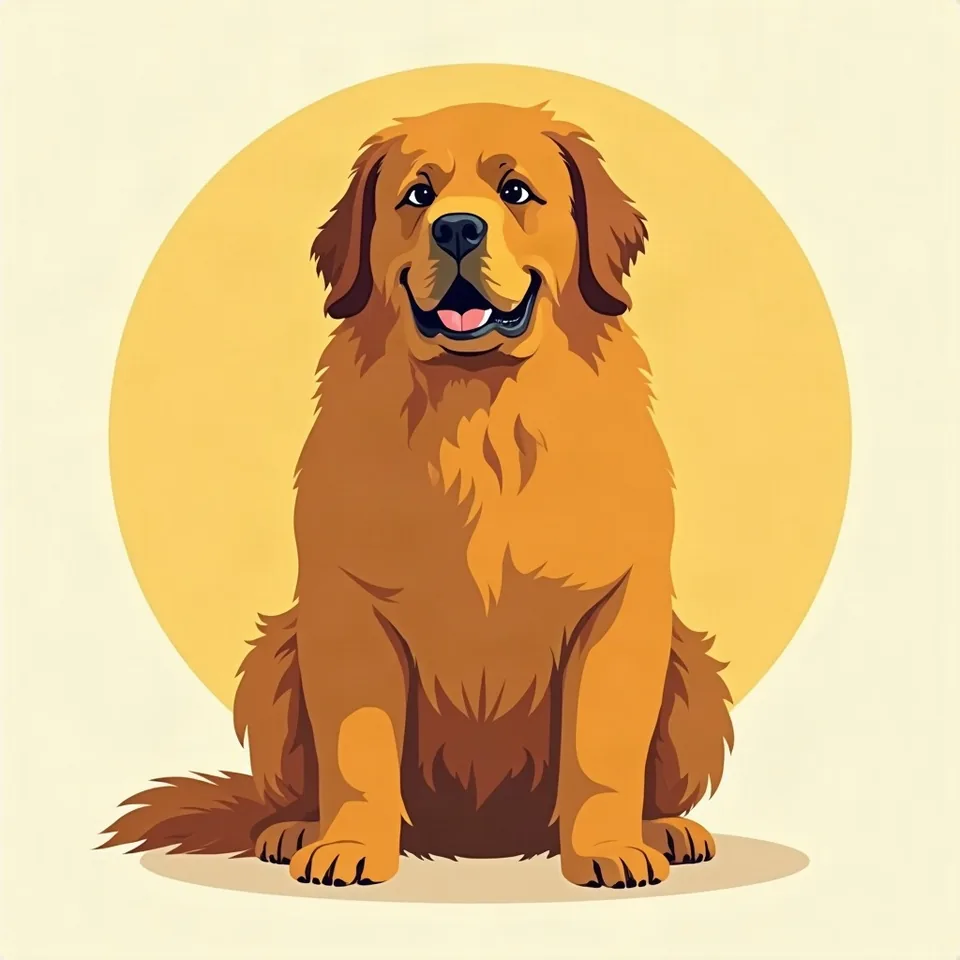
Newfoundland
Giant · 45–70 kg · 8–10 years
The Newfoundland is a calm giant swimmer with low activity needs and one standout genetic quirk in its nutrition, cystinuria, an inherited disorder that forms urinary stones in some dogs. Feeding has to manage slow puppy growth, obesity prevention, and, when needed, a kidney friendly diet.
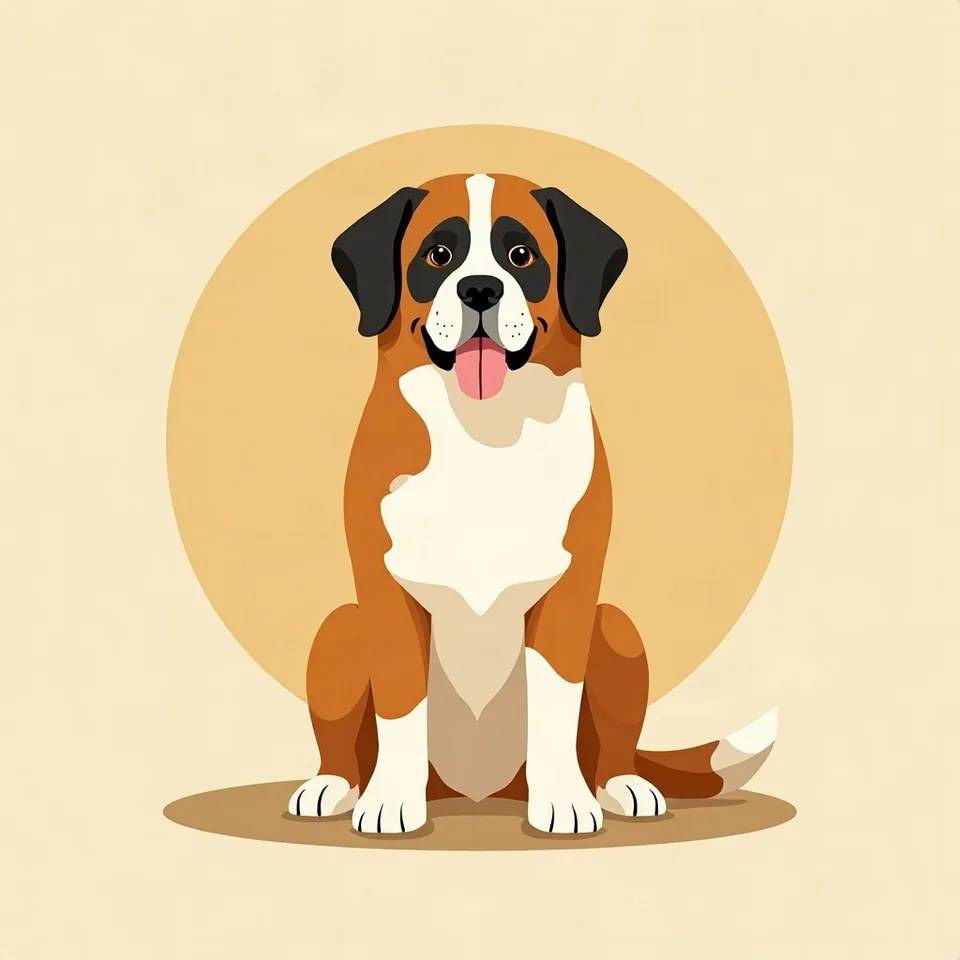
St. Bernard
Giant · 54–91 kg · 8–10 years
The St. Bernard is one of the heaviest breeds, and its calm, low-activity temperament brings a high risk of obesity, which places extreme strain on joints that are already under pressure. Controlling a puppy's slow growth and preventing bloat matter just as much.
No breed matches.