Medium breed
Samoyed: feeding, nutrition and health
The Samoyed was bred as a sled-pulling and herding dog in the Arctic climate with a very economical metabolism, so a pet Samoyed needs less energy than its active appearance suggests. Watch for a predisposition to hereditary glomerulopathy and diabetes as well.
- Weight
- 17–30 kg37–66 lb
- Height
- 50–60 cm20–24 in
- Lifespan
- 12–14 yrs
- Size
- Medium
- Activity
- High
- Adult at
- 14 months
- Senior from
- 7 yrs
- FCI group
- 5
How much food does a Samoyed need?
The calculator starts at the breed average of 23.5 kg (52 lb). Put in your own dog's weight and the energy figure from the bag.
On the bag this is the metabolisable energy (ME). If it is given per kg, divide by 10. If it is in kJ, divide by 4.184.
Daily portion
— g
— oz · range — g
Per meal
— g
2 meals a day
Energy
— kcal
resting need — kcal
Usage: — kg a month (a 12 kg bag lasts about — days)
Cost: — a month
The full explanation of the maths is on the food portion calculator.
Feeding a Samoyed: what matters
The Samoyed was bred as a sled-pulling and herding dog by Siberian peoples, adapted for extremely economical energy use in a cold environment. A pet with average activity therefore needs fewer calories per kilogram of body weight than you'd expect from such a lively, playful breed.
Because of the predisposition to hereditary glomerulopathy and diabetes, it's worth choosing food with quality, highly digestible animal protein and controlled simple carbohydrate content. Dogs with a diagnosed kidney condition need a specialized veterinary diet, not standard adult dog food.
The dense double coat needs plenty of quality protein and omega-3 fatty acids from fish oil to keep its shine and strength. If the food doesn't contain enough of these, it's worth supplementing them, especially during heavy shedding. During the Samoyed's heavy shed, which happens twice a year, the need for quality protein to grow new coat temporarily increases.
Protein in the food
22–27 %
dry matter, mostly animal
Fat in the food
12–16 %
dry matter, by activity
What to watch for
- Condition: the dense coat masks excess weight - regularly feel the ribs and check for a waist from above.
- Actual energy needs are lower than the breed's lively personality suggests - feed by weight and condition, not by impression.
- Signs of increased thirst, frequent urination, or weight loss can signal diabetes or a kidney problem - address these with your vet, not by adjusting the diet on your own.
- Coat quality is a sensitive indicator of nutrition - a dull, brittle coat signals that the food needs a review.
Practical feeding tips
- Weigh the daily ration on a kitchen scale and adjust it based on actual body condition, not the table on the bag.
- Feed twice a day at fixed times and don't leave the bowl freely available.
- Make sure there's enough omega-3 fatty acids to support the quality of the dense double coat.
- For dogs with a family history of diabetes or kidney problems, talk to your vet about food preventively.
- After neutering, cut the daily ration by 15 to 20%; the Samoyed tends to gain weight even without the procedure.
Feeding schedule by age
| Stage | Meals a day | Note |
|---|---|---|
| Puppy 8 to 12 weeks | 4x | Medium-breed puppy food, controlled growth and calcium. |
| Puppy 3 to 8 months | 3x | Make sure the puppy stays lean; check weight gain regularly. |
| Junior 8 to 14 months | 2-3x | Transition to adult food once skeletal growth is complete. |
| Adult 14 months to 7 years | 2x | Adult food, ration adjusted to actual activity level. |
| Senior from 7 years | 2x | Lower energy, kidney and joint support, monitor thirst and weight. |
Health risks that diet affects
Hereditary glomerulopathy
An X-linked inherited disease of the kidney glomeruli that mainly affects males and, without treatment, leads to kidney failure at a young age. Affected dogs need a special renal diet with limited but high-quality protein and phosphorus, always under a vet's guidance.
Diabetes mellitus
The Samoyed is among the breeds with a higher predisposition to diabetes. A diet with controlled simple carbohydrate content, stable feeding at the same time each day, and maintaining an ideal weight are all important parts of both prevention and management.
Hip dysplasia
Less dramatic in this medium-sized breed than in giant breeds, but it still occurs. Controlled puppy growth without excess energy and calcium lowers the risk.
Tendency toward obesity
A metabolism bred for survival in the Arctic climate means the Samoyed needs fewer calories per kilogram than its lively behavior would suggest. Feeding by the amount on the bag without adjusting for actual activity leads to excess weight.
High coat-quality demands
The dense white double coat is demanding to renew, both energetically and nutritionally. A shortage of quality protein and omega-3 fatty acids shows up as a dull, thinning coat and increased shedding beyond the normal seasonal cycle.
Temperament and exercise
The Samoyed is a lively, friendly breed with a higher exercise need than you might expect from a dog kept mainly as a companion. Pent-up energy often shows up as restlessness and begging for food out of boredom.
The breed was developed for extremely economical energy use in a harsh Arctic environment. In pets with lower activity levels, that means a real risk of obesity if the owner feeds based on how 'active' the dog looks rather than its actual energy output.
The dense double coat has high demands for quality protein and omega-3 fatty acids. Poor nutrition shows up quickly in a Samoyed as a decline in the coat's quality and shine, which is the breed's signature trait.
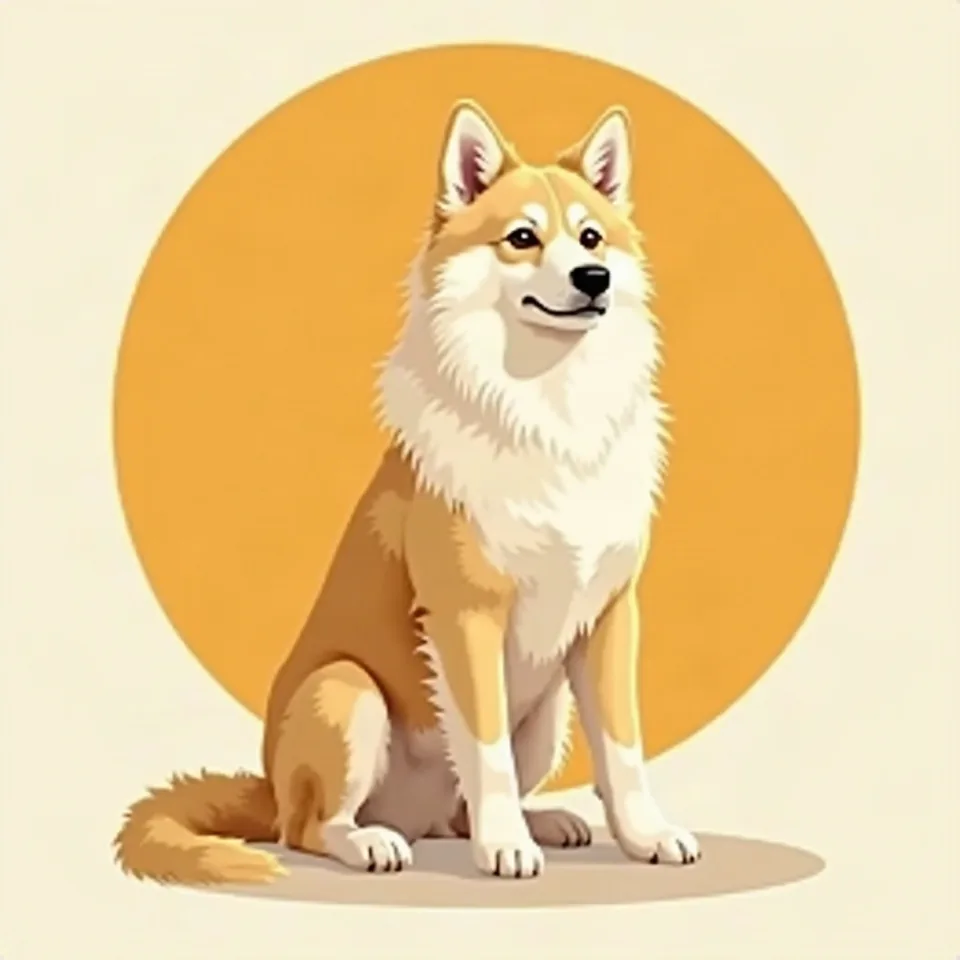
Coat: A dense, white, silver-white, or cream double coat with a rich undercoat and heavy year-round and seasonal shedding.
Common questions about feeding a Samoyed
How much should a Samoyed weigh?
Under the FCI standard, males weigh 20 to 30 kg (44.1 to 66.1 lb) and females 17 to 25 kg (37.5 to 55.1 lb), standing 54 to 60 cm (21.3 to 23.6 in) at the shoulder for males and 50 to 56 cm (19.7 to 22 in) for females. Because of the dense coat, real body condition is hard to judge by eye, so the ribs need regular hands-on checks.
How much food does a Samoyed need per day?
An adult dog weighing 23 kg (50.7 lb) with average activity needs roughly 900 to 1,100 kcal a day, which with typical kibble works out to about 250 to 300 g, split into 2 meals. Because of the breed's economical metabolism, it's better to stay toward the lower end and monitor body condition.
What food is right for a Samoyed?
A medium-breed food with 22 to 27% protein, 12 to 16% fat, and added omega-3 fatty acids to support the coat. Given the predisposition to diabetes, it's worth avoiding food that's high in simple carbohydrates and cheap grains.
How long do Samoyeds live?
The average lifespan is 12 to 14 years, one of the better figures among breeds of this size. Keeping a lean body condition and catching a predisposition to diabetes or kidney disease early are among the main factors an owner can influence.
Why does my Samoyed gain weight easily despite being very active?
The breed was developed for extremely economical energy use in the Arctic climate, so its actual calorie needs are lower than its lively, playful nature would suggest. Feeding based on how 'active' the dog looks, without checking body condition, easily leads to excess weight.
How can I tell if my Samoyed has a kidney problem?
The Samoyed has a predisposition to hereditary glomerulopathy, an inherited kidney disease that mainly affects males. Warning signs include increased thirst, frequent urination, weight loss, or fatigue - if these appear, immediate veterinary evaluation is needed, not a change of diet on your own.
Breeds of a similar size
Australian Shepherd
Medium · 16–32 kg · 12–15 years
The Australian Shepherd is a working herding dog with enormous exercise and calorie needs, but also a breed with a well-known genetic sensitivity to certain drugs. Here's how to feed an Aussie according to its actual energy output, and what to watch for with the MDR1 gene mutation and a tendency toward epilepsy.
Basset Hound
Medium · 20–29 kg · 10–12 years
The Basset Hound is a low-slung, heavy dog with minimal natural drive to move, and even mild excess weight puts serious strain on its long back and joints. Here's how much a Basset should weigh, why portion control matters more for this breed than almost any other, and how to lower the risk of a slipped disc.
Belgian Malinois
Medium · 20–30 kg · 12–14 years
The Belgian Malinois is a working breed with extremely high energy needs and a digestive system that's sensitive to stress. Here's how much energy an active versus a companion Malinois actually needs, how to prevent bloat, and why a poorly judged ration hurts both performance and health in this breed.
Border Collie
Medium · 12–22 kg · 12–15 years
The Border Collie is the most hardworking herding breed, with energy needs that can differ by tens of percent depending on lifestyle. Here's how to portion food according to actual workload, what to watch for with drug sensitivity (MDR1), and how to support the joints of dogs active in sport.
Sources
- FCI standard no. 212: Samoyed
- WSAVA Global Nutrition Guidelines
Last updated 2 September 2026.