Medium breed
Basset Hound: feeding, nutrition and health
The Basset Hound is a low-slung, heavy dog with minimal natural drive to move, and even mild excess weight puts serious strain on its long back and joints. Here's how much a Basset should weigh, why portion control matters more for this breed than almost any other, and how to lower the risk of a slipped disc.
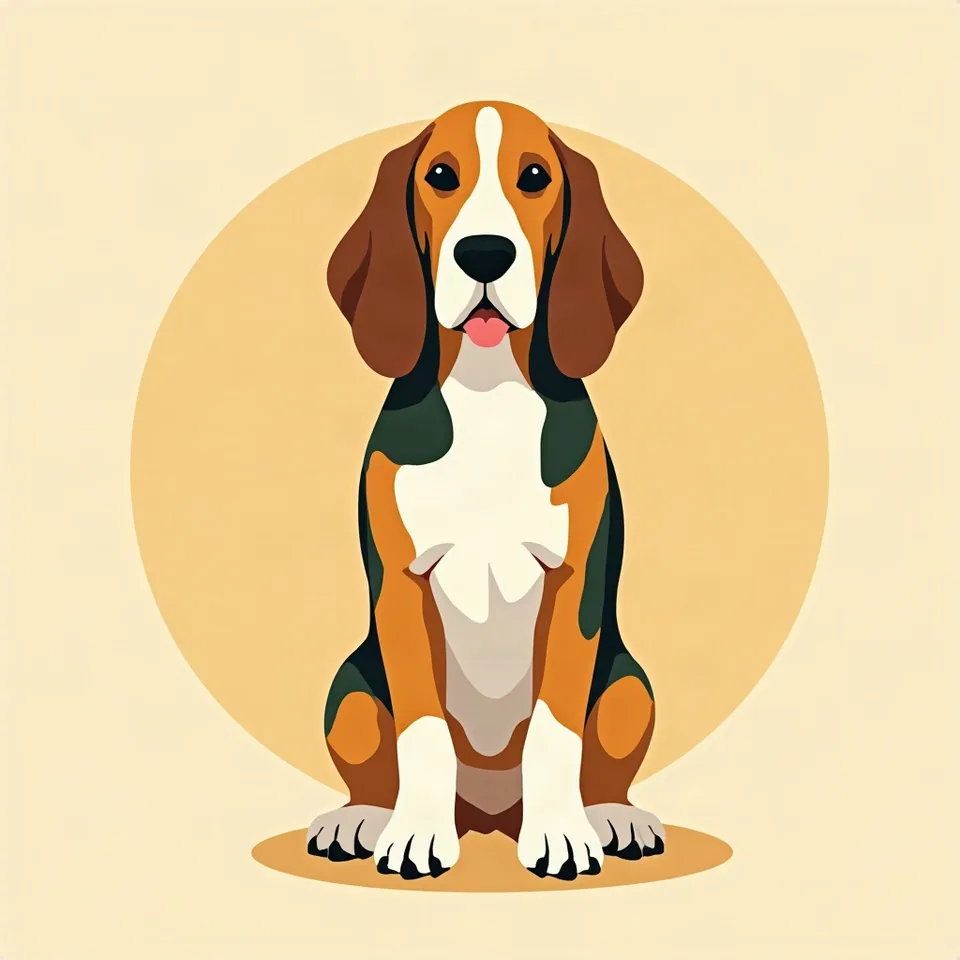
- Weight
- 20–29 kg44–64 lb
- Height
- 33–38 cm13–15 in
- Lifespan
- 10–12 yrs
- Size
- Medium
- Activity
- Low
- Adult at
- 12 months
- Senior from
- 7 yrs
- FCI group
- 6
How much food does a Basset Hound need?
The calculator starts at the breed average of 24.5 kg (54 lb). Put in your own dog's weight and the energy figure from the bag.
On the bag this is the metabolisable energy (ME). If it is given per kg, divide by 10. If it is in kJ, divide by 4.184.
Daily portion
— g
— oz · range — g
Per meal
— g
2 meals a day
Energy
— kcal
resting need — kcal
Usage: — kg a month (a 12 kg bag lasts about — days)
Cost: — a month
The full explanation of the maths is on the food portion calculator.
Feeding a Basset Hound: what matters
For a Basset, the main job of its diet is keeping body weight low despite strong food motivation and low energy expenditure. A food lower in fat and higher in fiber helps maintain a feeling of fullness on fewer calories, which is key for this food-driven breed.
Given the risk of a slipped disc, weight control in a Basset has a direct impact on neurological health, not just overall condition. Even mild excess weight increases pressure on an already vulnerable spine, so it pays to feed toward the lower end of the recommended range for this breed.
Treats and begging are especially risky with a Basset, because the breed is remarkably persistent about food and owners often give in. The solution is a firm feeding routine, deducting every treat from the daily ration, and replacing some rewards with low-calorie vegetables.
Protein in the food
20–24 %
dry matter, mostly animal
Fat in the food
10–14 %
dry matter, by activity
What to watch for
- Low natural activity combined with strong food motivation is the riskiest combination for quiet, creeping weight gain.
- Every extra kilogram directly loads the long back and raises the risk of a slipped disc.
- Persistent begging at the bowl means consistency in the feeding routine is essential for this breed.
- Feeding right before or after exercise carries a bloat risk even in a low-slung dog, because of its deep chest.
Practical feeding tips
- Feed a precisely weighed ration toward the lower end of the recommended range; a Basset gains weight easily.
- Choose a food lower in fat and higher in fiber for a longer feeling of fullness.
- Replace some treats with low-calorie vegetables, such as carrot or cucumber.
- Weigh your dog every 3 to 4 weeks; obesity prevention matters more for this breed than for taller dogs.
- Feed twice a day and let your dog rest quietly after eating, even though it's otherwise less active.
Feeding schedule by age
| Stage | Meals a day | Note |
|---|---|---|
| Puppy 8 to 12 weeks | 4x | A medium-breed puppy food with controlled energy content. |
| Puppy 3 to 6 months | 3x | Watch that the puppy stays lean; strain on the spine increases with weight. |
| Junior 6 to 12 months | 2x | Gradual transition to an adult food with controlled fat content. |
| Adult 1 to 7 years | 2x | A lower-fat food with more fiber, and strict portion control. |
| Senior from 7 years | 2x | Even lower energy density, joint and spine support, and regular weigh-ins. |
Health risks that diet affects
Obesity
The Basset is among the breeds most prone to excess weight, due to the combination of low natural activity and strong food motivation. Excess weight is more serious in this breed than in others, because it directly loads a spine and joints that are already vulnerable. Portion control and regular weigh-ins are essential, not optional.
Intervertebral disc disease (IVDD)
A long back and short legs make the Basset one of the breeds most at risk of intervertebral disc disease, similar to the Dachshund. Keeping the dog lean is the most effective way to prevent things from getting worse; excess weight increases pressure on the spine and the risk of an acute disc rupture causing pain or paralysis.
Bloat
Despite being a low-slung dog, the Basset has a fairly deep, broad chest, which raises the risk of bloat. Feeding twice a day instead of one large meal, resting after eating, and avoiding exercise right after a meal all lower the risk.
Ear infections
The Basset's long, heavy drop ears ventilate the ear canal poorly, which raises the risk of infection. This isn't directly diet-related, but in dogs with a food allergy, recurring ear infections can be one of the first symptoms worth investigating.
Basset Hound hereditary thrombopathy
This is a genetic platelet function disorder specific to the breed, causing a tendency to bleed and bruise even from minor injuries. It isn't directly diet-related, but owners should inform their vet about it before any surgical procedure.
Temperament and exercise
The Basset Hound is calm, stubborn, and independent, with a low natural drive to move. It loves to sniff and amble along slowly but would rather avoid sprints and long endurance walks. Low energy expenditure combined with a hearty appetite is a dangerous combination in this breed.
Short legs and a long, heavy body mean every extra kilogram translates directly into added load on the spine and joints. The usual idea that a few extra pounds don't matter simply doesn't hold for a Basset; it matters far more here than it does for taller dogs of similar weight.
The Basset is famously stubborn at the food bowl. Once it learns that begging works, it can wheedle extra helpings almost constantly. Consistency in the feeding routine matters more here than it does with more compliant breeds.
Coat: Short, smooth, dense, weather-resistant coat; low-maintenance, though the long ears and skin folds need regular cleaning.
Common questions about feeding a Basset Hound
How much should a Basset Hound weigh?
The commonly cited range is about 20 to 29 kg (44 to 64 lb), standing 33 to 38 cm at the shoulder. Given its long back and short legs, excess weight is especially risky for a Basset, so it's a good idea to keep weight toward the lower end of the range and check the ribs by hand regularly.
How much food does a Basset Hound need per day?
An adult Basset weighing 25 kg (55 lb) with low activity needs roughly 850 to 1,000 kcal a day, which works out to about 240 to 290 g of a lower-fat kibble (330 to 350 kcal/100 g) split into two meals. Given the breed's low activity level, it's easy to overestimate the ration.
What is the best food for a Basset Hound?
A food lower in fat (10 to 14 percent on a dry matter basis) with more fiber, which helps maintain a feeling of fullness on a lower calorie intake. Foods marketed for active or working dogs usually aren't a good fit for a Basset, given its low energy expenditure.
How long do Basset Hounds live?
Basset Hounds typically live 10 to 12 years. Weight control has the biggest impact on both lifespan and quality of life, since excess weight directly increases the risk of a slipped disc and impairs mobility in this low, long-bodied breed.
Why does a Basset Hound gain weight so easily?
The combination of low natural activity, strong food motivation, and persistent begging at the bowl makes the Basset one of the breeds most prone to quiet, creeping weight gain. A precisely weighed ration, a lower-fat food higher in fiber, and deducting every treat from the daily total all help.
Is excess weight linked to back problems in Bassets?
Yes, directly. A long back and short legs make the Basset one of the breeds most at risk of a slipped disc, and every extra kilogram increases pressure on the spine. Keeping the dog lean is therefore the single most effective way to prevent serious neurological problems in this breed.
Breeds of a similar size
Australian Shepherd
Medium · 16–32 kg · 12–15 years
The Australian Shepherd is a working herding dog with enormous exercise and calorie needs, but also a breed with a well-known genetic sensitivity to certain drugs. Here's how to feed an Aussie according to its actual energy output, and what to watch for with the MDR1 gene mutation and a tendency toward epilepsy.
Belgian Malinois
Medium · 20–30 kg · 12–14 years
The Belgian Malinois is a working breed with extremely high energy needs and a digestive system that's sensitive to stress. Here's how much energy an active versus a companion Malinois actually needs, how to prevent bloat, and why a poorly judged ration hurts both performance and health in this breed.
Border Collie
Medium · 12–22 kg · 12–15 years
The Border Collie is the most hardworking herding breed, with energy needs that can differ by tens of percent depending on lifestyle. Here's how to portion food according to actual workload, what to watch for with drug sensitivity (MDR1), and how to support the joints of dogs active in sport.
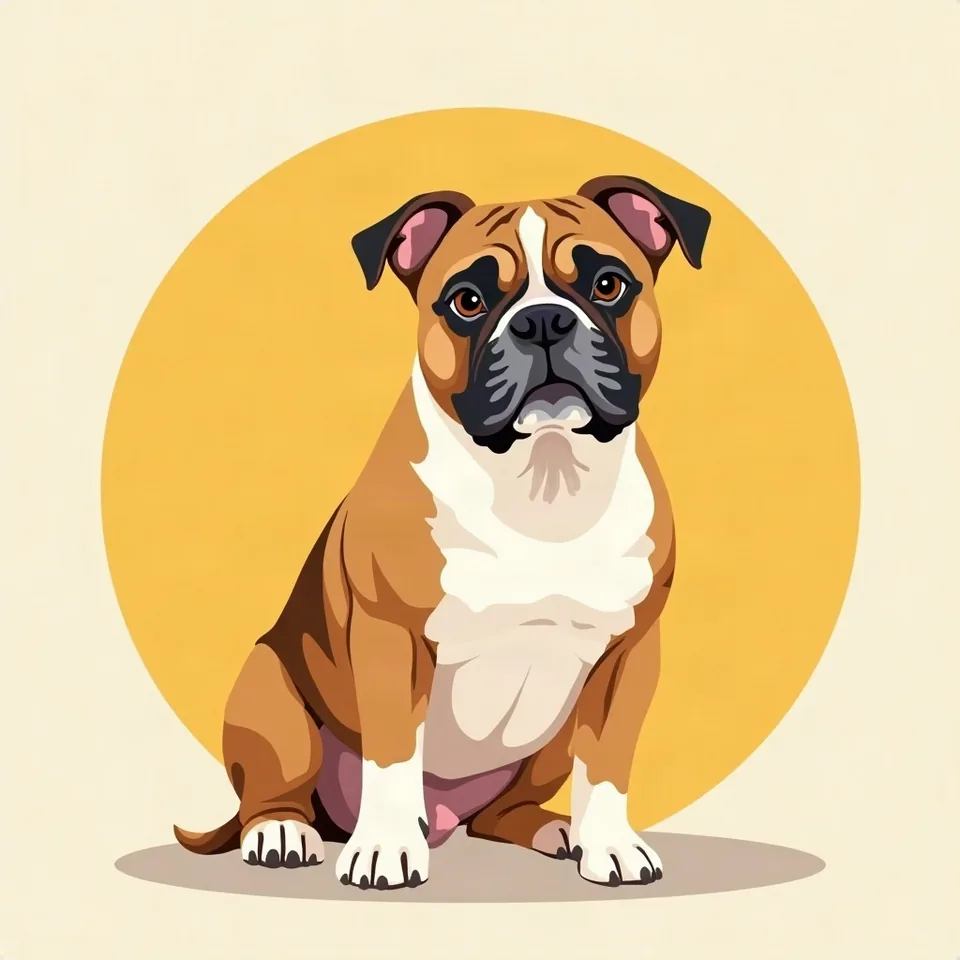
English Bulldog
Medium · 18–25 kg · 8–10 years
The English Bulldog is a brachycephalic breed with low exercise tolerance, a strong tendency toward obesity, and a sensitive digestive system. Feeding this breed has to account for breathing and eating difficulties, a tendency toward gas, and frequent skin allergies. Here's how.
Sources
- FCI standard no. 163: Basset Hound
- WSAVA Global Nutrition Committee: Global Nutrition Guidelines
Last updated 2 September 2026.