Medium breed
Australian Shepherd: feeding, nutrition and health
The Australian Shepherd is a working herding dog with enormous exercise and calorie needs, but also a breed with a well-known genetic sensitivity to certain drugs. Here's how to feed an Aussie according to its actual energy output, and what to watch for with the MDR1 gene mutation and a tendency toward epilepsy.
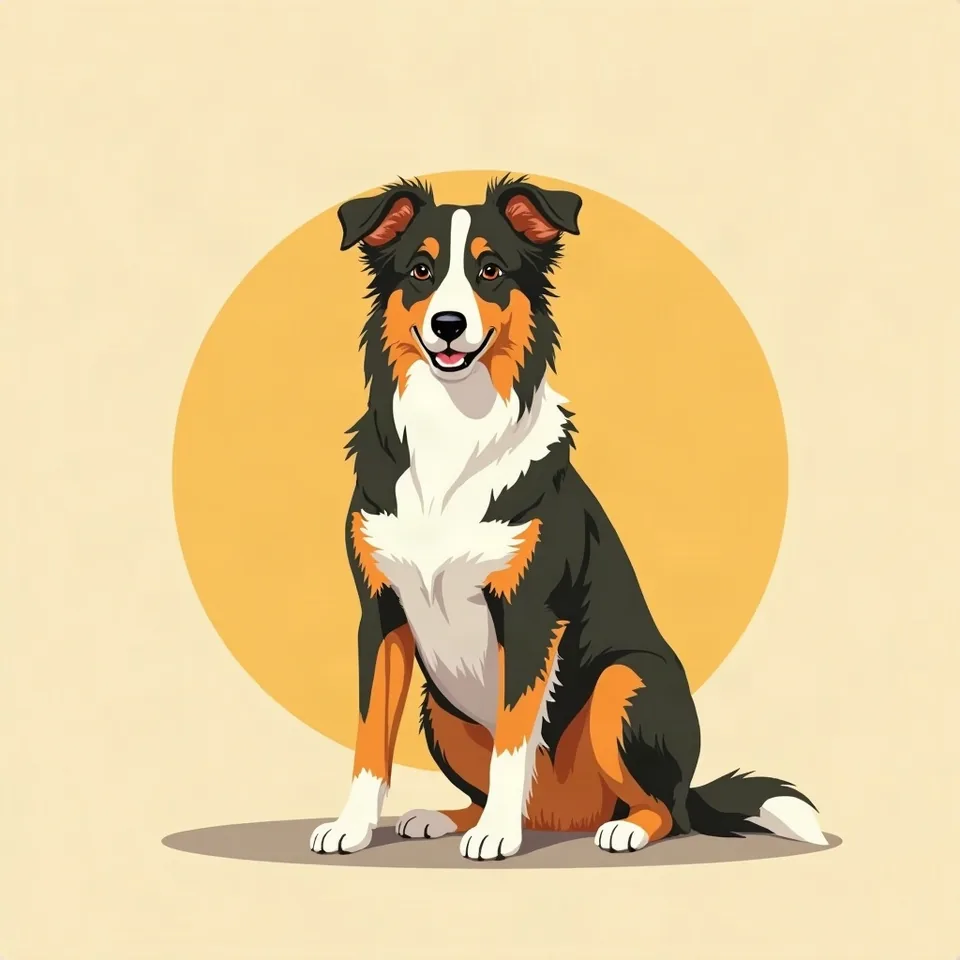
- Weight
- 16–32 kg35–71 lb
- Height
- 46–58 cm18–23 in
- Lifespan
- 12–15 yrs
- Size
- Medium
- Activity
- Very high
- Adult at
- 15 months
- Senior from
- 8 yrs
- FCI group
- 1
How much food does a Australian Shepherd need?
The calculator starts at the breed average of 24 kg (53 lb). Put in your own dog's weight and the energy figure from the bag.
On the bag this is the metabolisable energy (ME). If it is given per kg, divide by 10. If it is in kJ, divide by 4.184.
Daily portion
— g
— oz · range — g
Per meal
— g
2 meals a day
Energy
— kcal
resting need — kcal
Usage: — kg a month (a 12 kg bag lasts about — days)
Cost: — a month
The full explanation of the maths is on the food portion calculator.
Feeding a Australian Shepherd: what matters
The Australian Shepherd is a working breed, and its energy needs vary dramatically with actual activity. A dog engaged in sport or work needs a higher-energy food with plenty of quality animal protein for muscle recovery, while a less active companion needs its energy intake reined in considerably.
Because Aussies are extremely food-motivated, it's easy to unintentionally overfeed them treats during training. It's worth counting treats into the total daily ration for this breed, and using part of the regular food as training rewards instead of adding extra calories on top.
For puppies, given the risk of hip dysplasia, a medium- to large-breed food with controlled calcium and energy content is important, supporting slow, even growth rather than rapid weight gain.
Protein in the food
26–32 %
dry matter, mostly animal
Fat in the food
14–20 %
dry matter, by activity
What to watch for
- Energy needs vary dramatically with actual activity; a working dog needs considerably more calories than a companion.
- Overfeeding treats during training is a real risk, since Aussies are strongly food-motivated.
- Rapid puppy growth raises the risk of hip dysplasia; the goal is a lean, slowly growing puppy.
- The MDR1 mutation affects tolerance of certain drugs and parasite preventives; tell your vet about it.
Practical feeding tips
- Match the food ration to your dog's actual activity, not a breed template; the gap between a companion and a working Aussie is huge.
- Count training treats into the total daily ration, or use part of the kibble ration itself as rewards.
- For puppies, choose a medium- to large-breed food with controlled calcium; the goal is slow, even growth.
- Have your dog genetically tested for the MDR1 mutation and share the result with your vet before choosing medications or parasite preventives.
- After intense exercise, make sure your dog rehydrates well and replenish energy gradually.
Feeding schedule by age
| Stage | Meals a day | Note |
|---|---|---|
| Puppy 8 to 12 weeks | 4x | A medium- to large-breed puppy food with controlled calcium. |
| Puppy 3 to 6 months | 3x | The fastest growth phase; keep an eye on the puppy staying lean. |
| Junior 6 to 15 months | 2x | Gradual transition to an adult food as growth tapers off. |
| Adult 15 months to 8 years | 2x | Ration set according to actual work or sport workload. |
| Senior from 8 years | 2x | Lower energy as activity declines, with joint support. |
Health risks that diet affects
MDR1 gene mutation
Up to half of Australian Shepherds carry the MDR1 gene mutation, which raises sensitivity to certain drugs, such as higher doses of ivermectin or some anti-diarrheal medications. It isn't strictly a nutritional issue, but owners should have their dog genetically tested and inform their vet before starting any medication or choosing a parasite preventive.
Idiopathic epilepsy
Australian Shepherds have an elevated rate of seizures with no clear structural cause. Treatment is led by a vet, and for some dogs a diet higher in medium-chain triglycerides (MCTs) is considered as an add-on to medication, though starting one is always a decision for the treating vet.
Hip dysplasia
As with other medium to large breeds, this inherited hip joint defect is made worse by rapid growth and excess weight during puppyhood. A medium- to large-breed food with controlled energy and calcium content helps lower the risk.
High energy needs and risk of underfeeding
A working or heavily exercised Aussie has such a high energy expenditure that a standard companion-dog food may not cover its needs, leading to weight loss and fatigue. The ration needs to be set according to actual workload, not a breed average.
Temperament and exercise
The Australian Shepherd is among the most energetic breeds around, and without enough physical and mental stimulation it becomes frustrated, destructive, and prone to anxiety. Its dietary energy needs match those of an athlete rather than a couch companion, provided it's actually working or engaged in intense sport.
Aussies are extremely food-motivated, which makes training easier but also raises the risk of overfeeding through treats. For less active dogs living more as companions than working animals, the food's energy content needs to be scaled back substantially to match actual activity.
This breed carries a drug sensitivity caused by a genetic mutation affecting how substances cross the blood-brain barrier. This mainly concerns veterinary medications such as ivermectin, but owners should be aware of it when choosing parasite prevention or any other treatment.
Coat: Medium-length, dense, weather-resistant double coat; sheds moderately, more heavily twice a year.
Common questions about feeding a Australian Shepherd
How much should an Australian Shepherd weigh?
The standard lists a weight of roughly 25 to 32 kg (55 to 71 lb) for males and 16 to 25 kg (35 to 55 lb) for females, standing 51 to 58 cm and 46 to 53 cm at the shoulder respectively. An Aussie should look athletic and balanced, with the ribs easy to feel and a visible waist.
How much food does an Australian Shepherd need per day?
For a recreationally active 24 kg (53 lb) dog, that's roughly 280 to 360 g of a quality kibble a day; a working or heavily exercised dog needs considerably more. The exact amount depends on actual energy expenditure, so use the calculator above for a precise figure.
What is the best food for an Australian Shepherd?
A food with quality animal protein and an energy density that matches actual activity: higher for dogs working or in sport, lower for companion dogs. The specific brand matters less than correctly judging the energy content and the ration.
What is the MDR1 mutation, and is it related to feeding?
It's a genetic mutation common in Australian Shepherds that increases sensitivity to certain drugs, such as higher doses of ivermectin. It isn't directly related to everyday diet, but owners should have their dog tested and inform their vet before choosing parasite preventives or any medication.
How long do Australian Shepherds live?
Average lifespan is 12 to 15 years. Keeping the dog lean, preventing hip dysplasia, and adequately meeting energy needs under a working load are among the main factors that affect lifespan.
Does diet help with epilepsy in Australian Shepherds?
For some dogs with idiopathic epilepsy, a diet higher in medium-chain triglycerides (MCTs) is considered as an add-on to medication and may reduce seizure frequency. Starting such a diet is always a decision for the treating vet, so don't try it on your own.
Breeds of a similar size
Basset Hound
Medium · 20–29 kg · 10–12 years
The Basset Hound is a low-slung, heavy dog with minimal natural drive to move, and even mild excess weight puts serious strain on its long back and joints. Here's how much a Basset should weigh, why portion control matters more for this breed than almost any other, and how to lower the risk of a slipped disc.
Belgian Malinois
Medium · 20–30 kg · 12–14 years
The Belgian Malinois is a working breed with extremely high energy needs and a digestive system that's sensitive to stress. Here's how much energy an active versus a companion Malinois actually needs, how to prevent bloat, and why a poorly judged ration hurts both performance and health in this breed.
Border Collie
Medium · 12–22 kg · 12–15 years
The Border Collie is the most hardworking herding breed, with energy needs that can differ by tens of percent depending on lifestyle. Here's how to portion food according to actual workload, what to watch for with drug sensitivity (MDR1), and how to support the joints of dogs active in sport.
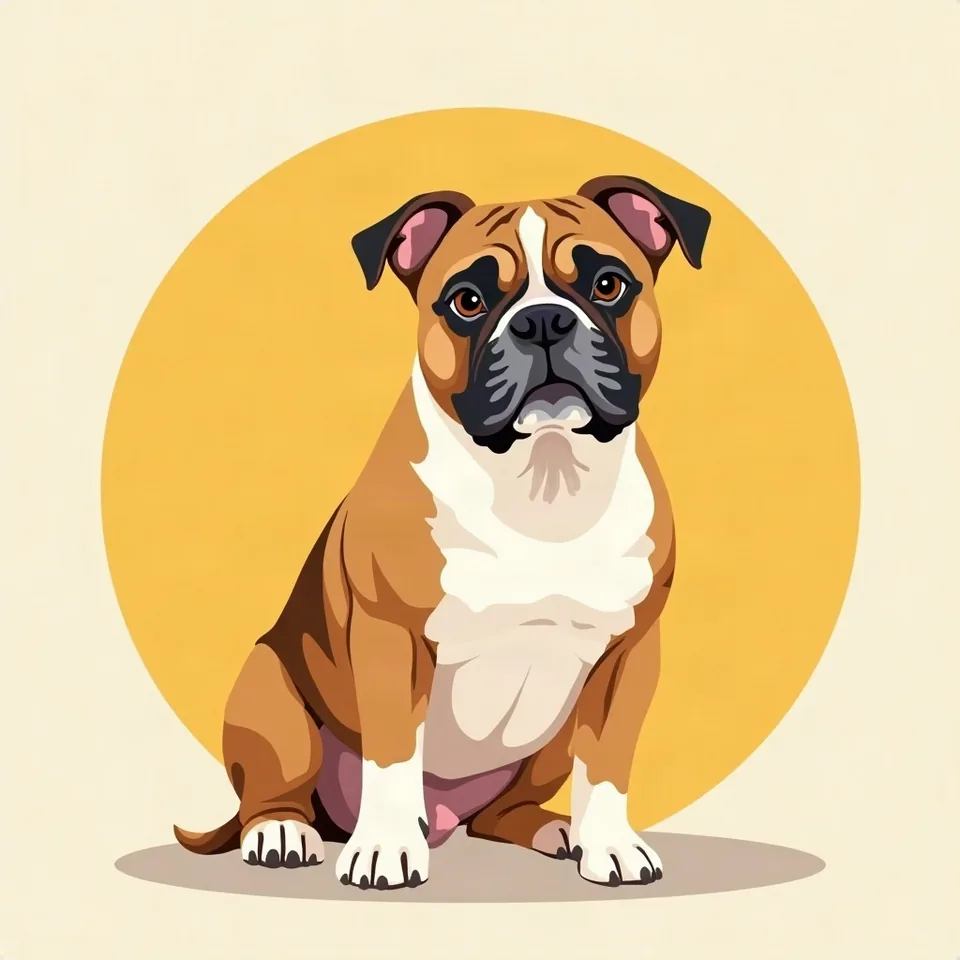
English Bulldog
Medium · 18–25 kg · 8–10 years
The English Bulldog is a brachycephalic breed with low exercise tolerance, a strong tendency toward obesity, and a sensitive digestive system. Feeding this breed has to account for breathing and eating difficulties, a tendency toward gas, and frequent skin allergies. Here's how.
Sources
- FCI standard no. 342: Australian Shepherd
- WSAVA Global Nutrition Committee: Global Nutrition Guidelines
Last updated 2 September 2026.