Medium breed
Border Collie: feeding, nutrition and health
The Border Collie is the most hardworking herding breed, with energy needs that can differ by tens of percent depending on lifestyle. Here's how to portion food according to actual workload, what to watch for with drug sensitivity (MDR1), and how to support the joints of dogs active in sport.
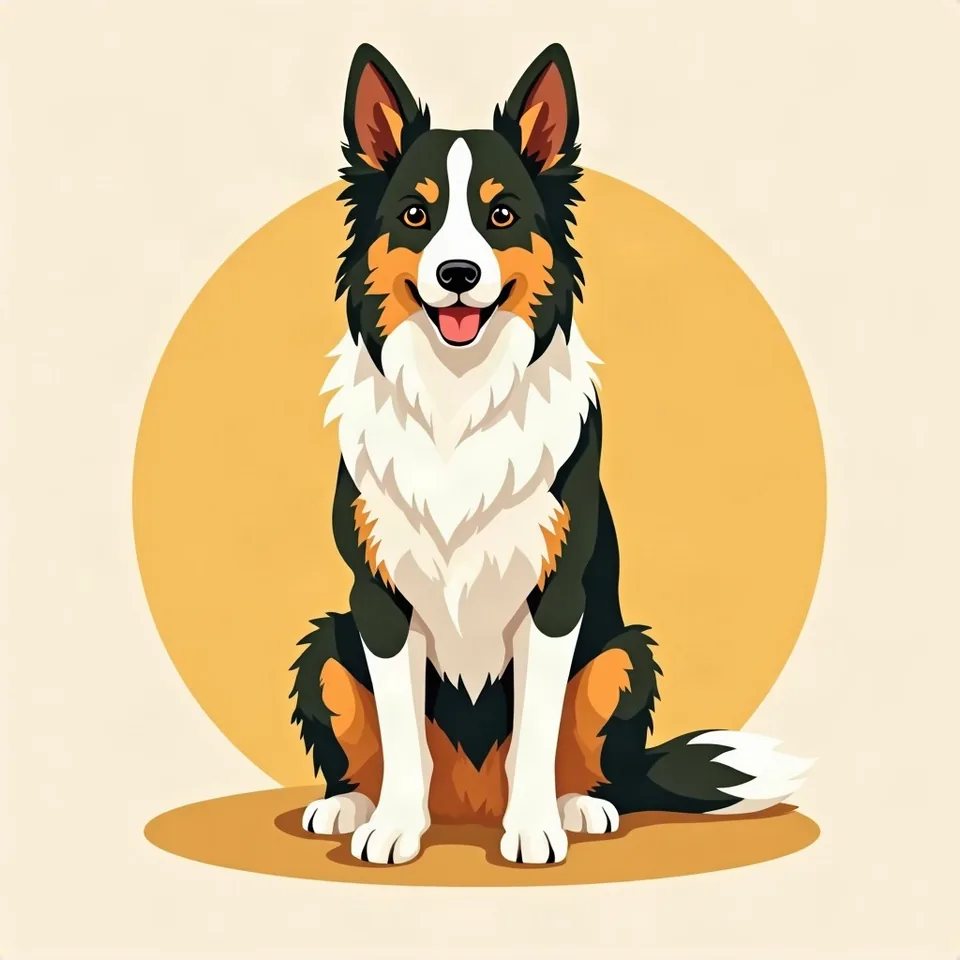
- Weight
- 12–22 kg26–49 lb
- Height
- 46–56 cm18–22 in
- Lifespan
- 12–15 yrs
- Size
- Medium
- Activity
- Very high
- Adult at
- 12 months
- Senior from
- 8 yrs
- FCI group
- 1
How much food does a Border Collie need?
The calculator starts at the breed average of 17 kg (37 lb). Put in your own dog's weight and the energy figure from the bag.
On the bag this is the metabolisable energy (ME). If it is given per kg, divide by 10. If it is in kJ, divide by 4.184.
Daily portion
— g
— oz · range — g
Per meal
— g
2 meals a day
Energy
— kcal
resting need — kcal
Usage: — kg a month (a 12 kg bag lasts about — days)
Cost: — a month
The full explanation of the maths is on the food portion calculator.
Feeding a Border Collie: what matters
Energy needs vary between individual Border Collies more than in almost any other breed. A working herding dog or an agility competitor can need double the energy of a calm family companion of the same weight. Dosing food "by breed" doesn't work here; actual weekly workload is what decides.
For highly active dogs, a food higher in quality fat as an endurance energy source, with plenty of protein for muscle recovery, pays off. For less active companion Border Collies, the same ration risks excess weight instead, one the breed's natural restlessness can mask for a long time.
Given the breed's rate of epilepsy, a stable, regular feeding routine without sudden swings matters, since changes in routine can be linked to seizure triggers in some dogs. Any suspicion of the MDR1 mutation is worth discussing with your vet before starting any high-dose parasite preventives.
Protein in the food
26–32 %
dry matter, mostly animal
Fat in the food
14–20 %
dry matter, by activity
What to watch for
- Energy needs differ substantially between working or sporting dogs and calm companions; dose according to actual workload and check condition on an ongoing basis.
- MDR1 mutation: discuss a genetic test with your vet before giving high doses of ivermectin or similar substances.
- Excess weight in less active dogs may not show outwardly for a long time thanks to their restless nature, so check by feeling the ribs.
- For sport-active dogs, watch joint strain and add supportive supplements preventively.
Practical feeding tips
- Always weigh the daily ration on a kitchen scale and adjust it to that week's actual workload.
- Feed twice a day; for heavily working dogs, consider splitting into 3 smaller meals around training.
- Don't feed right before a sporting effort; ideally feed 2 to 3 hours beforehand.
- Introduce a new food gradually over 7 to 10 days.
- Before starting parasite preventives containing ivermectin, discuss an MDR1 test with your vet.
Feeding schedule by age
| Stage | Meals a day | Note |
|---|---|---|
| Puppy 8 to 12 weeks | 4x | A medium-breed puppy food, with growth rate monitored. |
| Puppy 3 to 6 months | 3x | High natural energy; monitor condition and don't exceed the recommended ration. |
| Junior 6 to 12 months | 2-3x | Gradual transition to an adult food, with the ration set by emerging work demands. |
| Adult 1 to 8 years | 2x | Ration based on actual activity; working and sporting dogs need considerably more energy. |
| Senior from 8 years | 2x | Lower energy, joint support, and a reduced ration as the dog moves to a quieter routine. |
Health risks that diet affects
High energy needs in working dogs
A working or heavily exercised Border Collie can need 50 to 100 percent more energy than an equally heavy companion dog. Underestimating the ration leads to weight loss and fatigue; overestimating it in less active dogs leads to excess weight.
Sensitivity to certain drugs (MDR1)
Some Border Collies carry the MDR1 gene mutation, which increases sensitivity to certain drugs, including high doses of ivermectin found in some parasite preventives. A genetic test and a conversation with your vet are worthwhile before starting such products.
Epilepsy
Idiopathic epilepsy occurs more often than average in this breed. Diet won't cure seizures, but for dogs on stabilized treatment, a regular feeding routine without swings helps, and for selected cases a vet may recommend a special diet with MCT oils as an add-on to medication.
Collie eye anomaly (CEA)
Collie Eye Anomaly is a congenital eye defect that diet cannot influence, but quality nutrition with plenty of antioxidants supports overall eye and body health. Genetic testing of breeding dogs, not diet, is what actually matters here.
Joint strain in sporting dogs
Agility, disc sports, and herding put high impact loads on the joints. For sport-active Border Collies, it's worth including glucosamine, chondroitin, and omega-3 fatty acids as a preventive measure.
Temperament and exercise
The most intelligent and hardworking herding breed, in which the energy expenditure of a working or sporting dog (agility, herding) can differ from a calm family companion's by tens of percent. The food ration needs to match real workload, not a breed chart.
Without enough mental and physical stimulation, a Border Collie suffers from frustration, which often shows up as restlessness, destructive behavior, or overeating out of boredom. Puzzle feeders and scent games are a good way to make the dog "earn" part of its daily ration through mental work.
Even a less active Border Collie kept purely as a companion tends, thanks to its nature, to stay in near-constant motion, which offers some protection against excess weight. Even so, obesity shows up increasingly often in neutered or older dogs of this breed.
Coat: Both smooth-coated and rough-coated varieties exist, with medium-length hair and a dense undercoat; sheds seasonally, heavily twice a year.
Common questions about feeding a Border Collie
How much should a Border Collie weigh?
Under the FCI standard, both males and females weigh roughly 12 to 22 kg (26 to 49 lb), standing 46 to 56 cm at the shoulder; the range is wide because of substantial differences between working and show lines. Condition matching the dog's actual activity level matters more than the exact number.
How much food does a Border Collie need per day?
A calmly kept companion Border Collie weighing 18 kg (40 lb) needs roughly 900 to 1,100 kcal a day, while a working or heavily exercised dog of the same weight can need 1,400 to 1,800 kcal or more. The difference in grams of food can therefore run over 150 g a day.
What is MDR1, and why does it matter for Border Collies?
MDR1 is a gene mutation that increases affected dogs' sensitivity to certain drugs, including high doses of ivermectin found in some parasite preventives. It occurs in some Border Collies, which is why a genetic test and a conversation with your vet are worthwhile before starting such products.
What food is suitable for a Border Collie?
For active dogs, a food with higher protein (26 to 32 percent) and fat (14 to 20 percent) on a dry matter basis covers a high energy expenditure. For calmer companion Border Collies, a more moderate energy density is a better fit, to avoid excess weight.
How long do Border Collies live?
On average, 12 to 15 years, placing it among the healthier, longer-lived medium to large breeds. Maintaining appropriate condition and adequate mental and physical stimulation throughout life are among the main factors affecting quality of life in old age.
Can diet help a dog with epilepsy?
Diet won't cure epilepsy, but a stable, regular feeding routine without sudden changes helps maintain the predictable schedule that's desirable for dogs under treatment. For selected cases, a vet may recommend a special diet with MCT oils as an add-on to medication, never as a replacement for it.
Breeds of a similar size
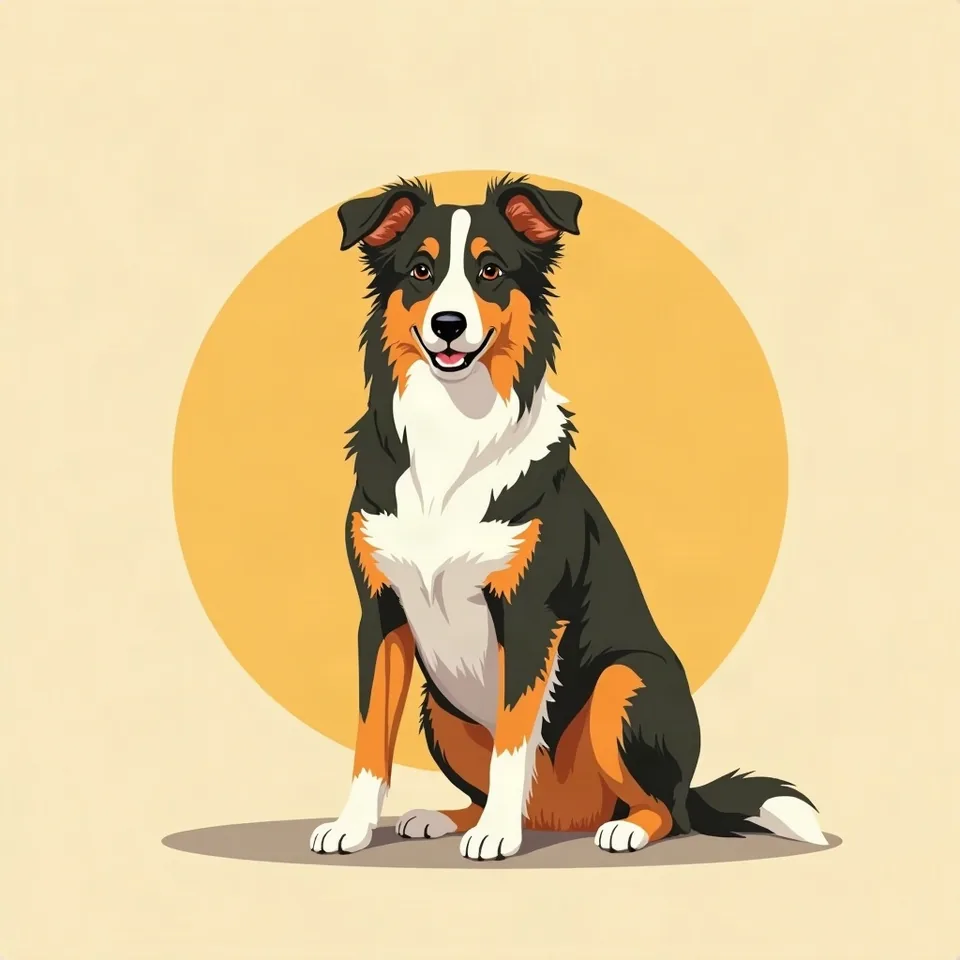
Australian Shepherd
Medium · 16–32 kg · 12–15 years
The Australian Shepherd is a working herding dog with enormous exercise and calorie needs, but also a breed with a well-known genetic sensitivity to certain drugs. Here's how to feed an Aussie according to its actual energy output, and what to watch for with the MDR1 gene mutation and a tendency toward epilepsy.
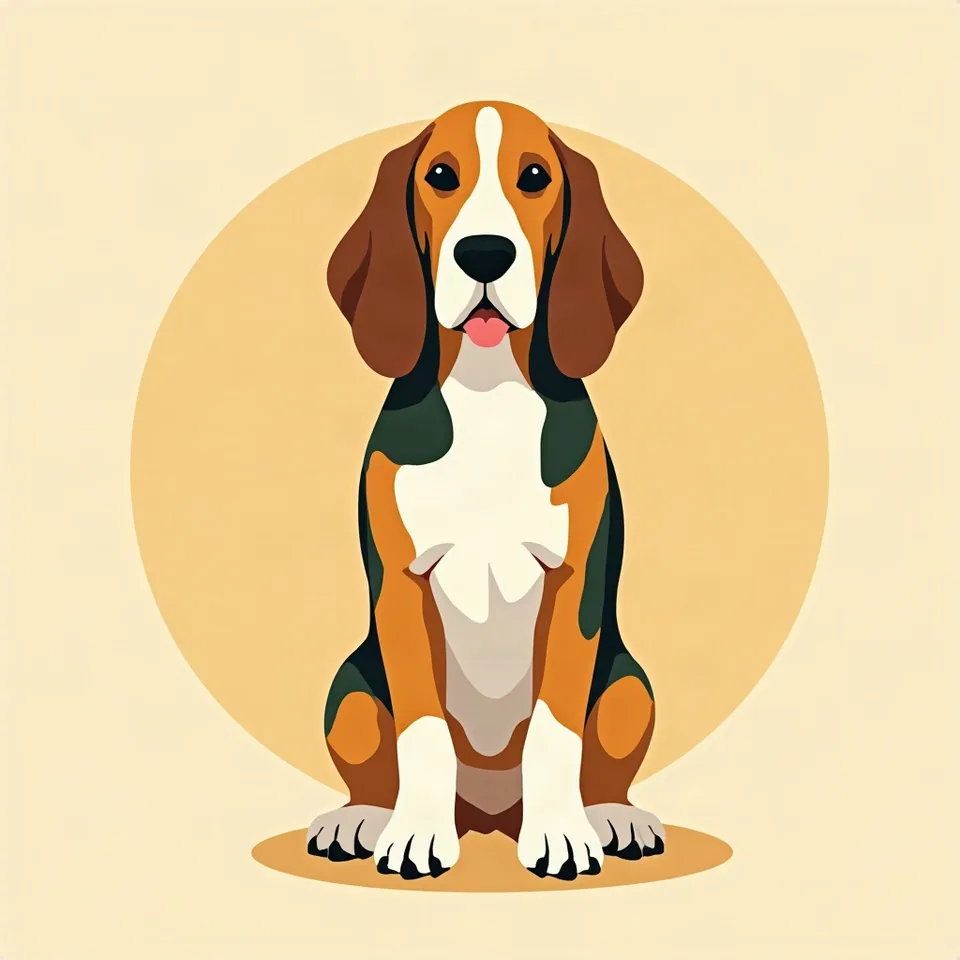
Basset Hound
Medium · 20–29 kg · 10–12 years
The Basset Hound is a low-slung, heavy dog with minimal natural drive to move, and even mild excess weight puts serious strain on its long back and joints. Here's how much a Basset should weigh, why portion control matters more for this breed than almost any other, and how to lower the risk of a slipped disc.
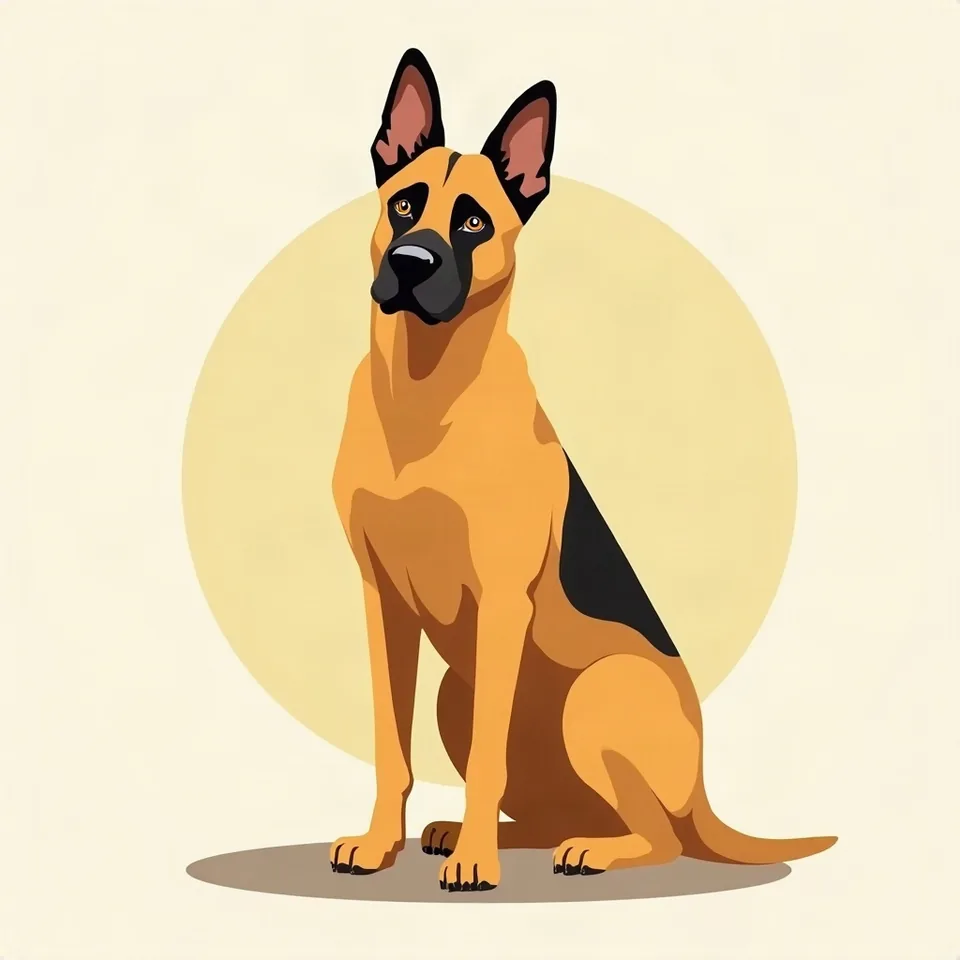
Belgian Malinois
Medium · 20–30 kg · 12–14 years
The Belgian Malinois is a working breed with extremely high energy needs and a digestive system that's sensitive to stress. Here's how much energy an active versus a companion Malinois actually needs, how to prevent bloat, and why a poorly judged ration hurts both performance and health in this breed.
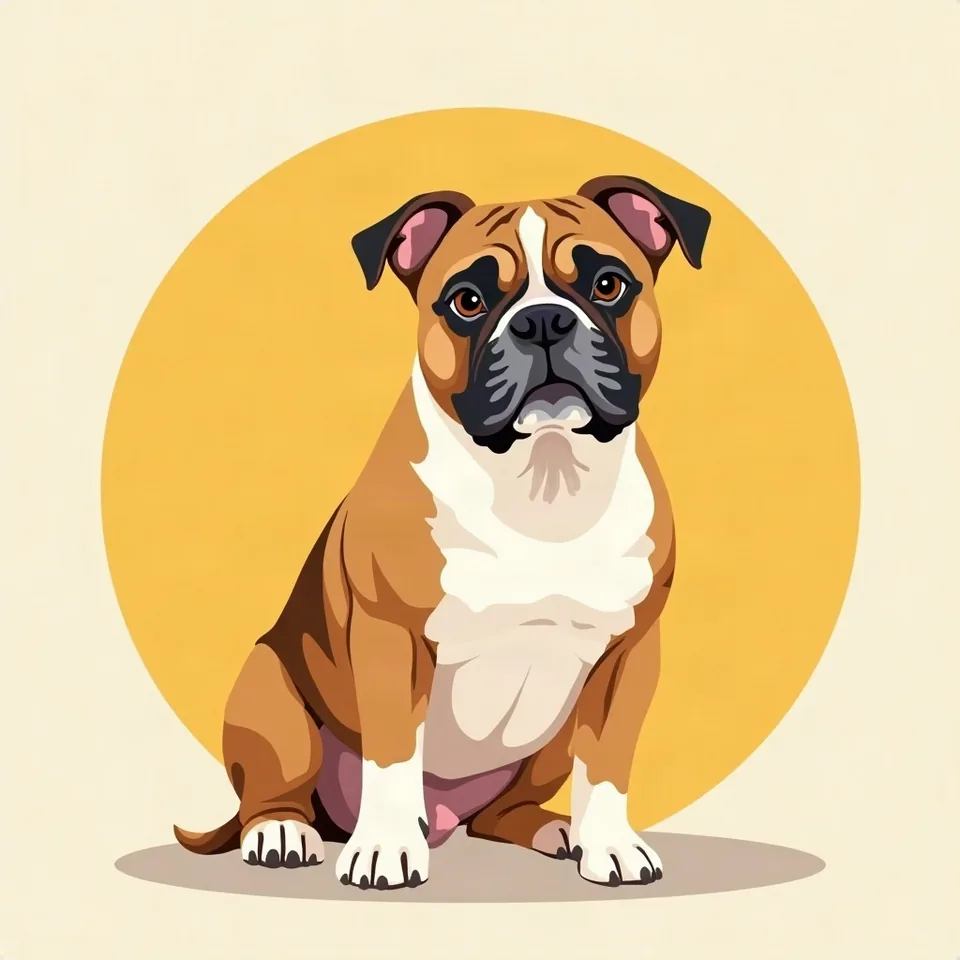
English Bulldog
Medium · 18–25 kg · 8–10 years
The English Bulldog is a brachycephalic breed with low exercise tolerance, a strong tendency toward obesity, and a sensitive digestive system. Feeding this breed has to account for breathing and eating difficulties, a tendency toward gas, and frequent skin allergies. Here's how.
Sources
- FCI standard no. 297: Border Collie
- WSAVA Global Nutrition Committee: Global Nutrition Guidelines
- Mealey K. L.: Canine ABCB1 (MDR1) gene mutation and its clinical significance for drug sensitivity
Last updated 2 September 2026.