Toy breed
Pomeranian: feeding, nutrition and health
The Pomeranian is the toy-sized version of the German Spitz, and on such a small frame even tiny calorie swings make a big difference. Tartar buildup, a collapsing windpipe, and hypoglycemia in puppies are all issues this breed's diet needs to address from day one.
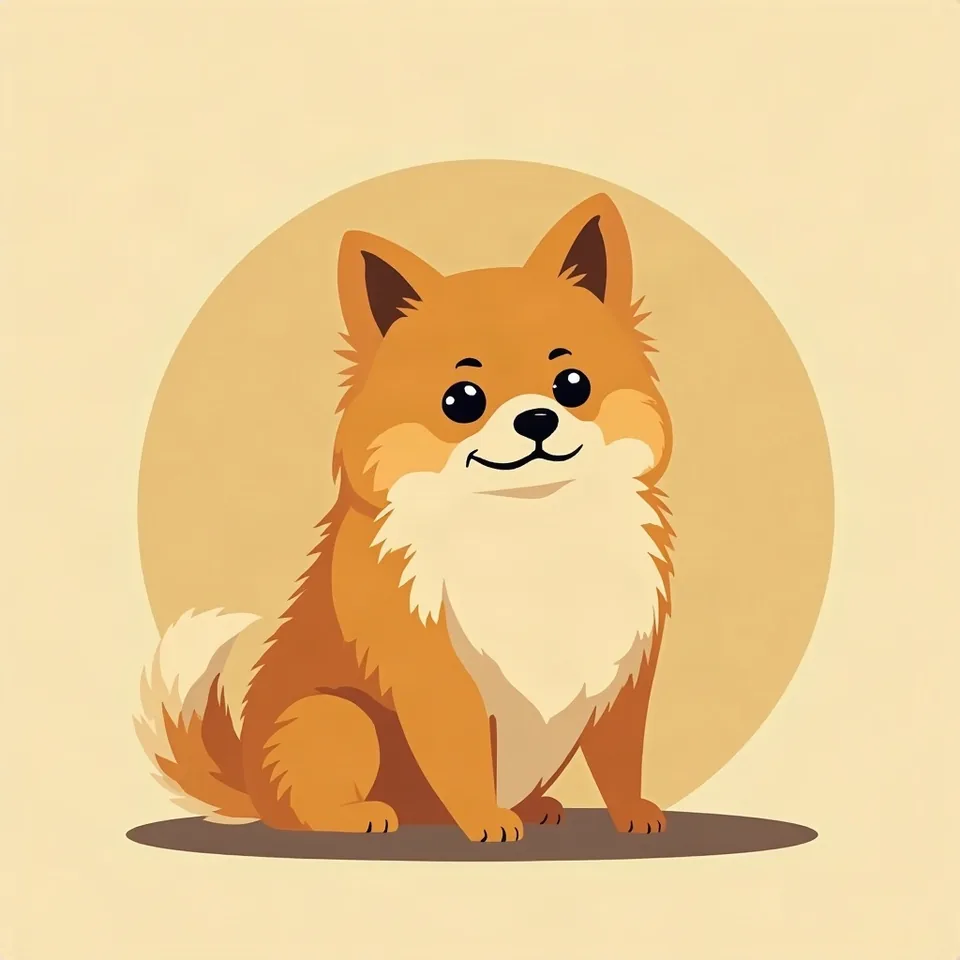
- Weight
- 1.5–3.5 kg3–8 lb
- Height
- 18–22 cm7–9 in
- Lifespan
- 12–16 yrs
- Size
- Toy
- Activity
- Moderate
- Adult at
- 10 months
- Senior from
- 10 yrs
- FCI group
- 5
How much food does a Pomeranian need?
The calculator starts at the breed average of 2.5 kg (6 lb). Put in your own dog's weight and the energy figure from the bag.
On the bag this is the metabolisable energy (ME). If it is given per kg, divide by 10. If it is in kJ, divide by 4.184.
Daily portion
— g
— oz · range — g
Per meal
— g
2 meals a day
Energy
— kcal
resting need — kcal
Usage: — kg a month (a 12 kg bag lasts about — days)
Cost: — a month
The full explanation of the maths is on the food portion calculator.
Feeding a Pomeranian: what matters
The Pomeranian needs an energy-dense food with small kibble sized for its tiny mouth. Because of its very small body and fast metabolism, splitting the daily ration into several smaller meals matters more for this breed than for larger dogs, especially puppies and seniors.
Because the Pomeranian is prone to tracheal collapse, weight control is practically a medical necessity - even a small amount of extra weight adds pressure to an already sensitive airway. Food with precisely measured energy content and regular weigh-ins are basic prevention here.
Quality protein and zinc support healthy skin and coat, which matters for a breed prone to alopecia with a dense undercoat. Cheap food that's low in meat and high in fillers often shows up as thinning fur and a dull version of the breed's signature mane.
Protein in the food
26–32 %
dry matter, mostly animal
Fat in the food
15–19 %
dry matter, by activity
What to watch for
- Excess weight worsens tracheal collapse - even a small weight gain matters medically in this breed.
- Tartar buildup due to a small jaw and crowded teeth, including retained baby teeth.
- Hypoglycemia in puppies and small adults when a meal is skipped.
- Picky eating - don't give in by adding fatty treats, which can lead to weight gain and an unbalanced diet.
Practical feeding tips
- Weigh your dog regularly and measure the daily ration on a kitchen scale; on such a small dog, even small deviations show quickly.
- Feed adults 2 to 3 times a day; puppies under 4 months should eat 4 to 5 times a day because of the risk of hypoglycemia.
- Choose small kibble made for toy breeds - it's easier to chew and helps prevent tartar.
- If your dog coughs after excitement or pulling on the leash, switch to a harness instead of a collar and talk to your vet.
- Support the coat with quality protein and omega fatty acids, especially in dogs prone to thinning fur.
Feeding schedule by age
| Stage | Meals a day | Note |
|---|---|---|
| Puppy 8 to 16 weeks | 4-5x | Small, frequent meals because of the risk of hypoglycemia; use food made for toy breeds. |
| Puppy 4 to 8 months | 3-4x | Gradually reduce the number of meals and keep an eye on how the teeth are coming in. |
| Junior 8 to 10 months | 3x | Transition to adult food and keep monitoring weight. |
| Adult 10 months to 10 years | 2-3x | Precisely measured portions to prevent excess weight, given the risk of tracheal collapse. |
| Senior from 10 years | 2-3x | Easily digestible food, joint support, and weight control. |
Health risks that diet affects
Tartar and gum disease
Pomeranians are among the breeds at highest risk of early dental problems because of their small jaw and crowded teeth, including retained baby teeth. Food with an abrasive texture and regular dental care are close to essential for this breed.
Tracheal collapse
Softening and collapse of the cartilage rings in the windpipe is common in small breeds, including the Pomeranian, and shows up as a harsh, honking cough, especially with excitement or pulling on a collar. Excess weight makes it significantly worse, so keeping the dog lean is a key non-drug way to manage it.
Hypoglycemia in puppies
Pomeranian puppies have tiny energy reserves that run out fast, especially under stress or after a skipped meal. Puppies need to be fed frequently and should never be allowed to go hungry for long, since it can lead to collapse.
Alopecia X (black skin disease)
Pomeranians can develop coat loss with darkening skin of unclear cause, mainly affecting the trunk. No direct link to diet has been proven, but a balanced supply of protein, zinc, and omega fatty acids supports overall skin and coat health.
Patellar luxation
A slipping kneecap is common in toy breeds. Keeping the dog lean reduces the mechanical load on the joints and slows the condition's progression.
Temperament and exercise
Confident, bold, and always alert, the Pomeranian packs a lot of personality into a tiny body and tends to burn off energy in short bursts rather than on long walks. It still needs daily exercise and mental stimulation, or it fills the boredom by begging for food.
This breed can be a picky eater, and owners often give in by offering richer, fattier treats to tempt them. On such a small dog, that quickly leads to excess weight, which puts extra strain on an already delicate windpipe.
Pomeranian puppies are especially prone to swings in blood sugar and need frequent meals at regular intervals. Adults can handle longer gaps between meals, but they still do better with the daily ration split into several smaller portions.
Coat: A profuse, upright double coat with a dense undercoat that forms the breed's signature 'lion's mane' around the neck. Sheds heavily.
Common questions about feeding a Pomeranian
How much should a Pomeranian weigh?
Under the German Spitz standard, the toy variety (Pomeranian) typically weighs about 1.5 to 3.5 kg (3.3 to 7.7 lb). It's one of the smallest breeds there is, so even small differences in weight are clearly visible on this breed and can noticeably affect its health.
How much food does a Pomeranian need per day?
For a dog weighing around 2.5 kg (5.5 lb), that usually works out to roughly 35 to 50 g of quality kibble a day, split into two or three meals. The exact amount depends on the energy density of the specific food and how active your dog is, so use the calculator above for a precise figure.
What is the best food for a Pomeranian?
Look for small kibble made for toy breeds with a good source of animal protein, enough zinc and omega fatty acids to support the dense undercoat, and an abrasive texture that helps fight tartar buildup on those small, crowded teeth. The exact brand matters less than getting the portion right.
Why does my Pomeranian cough after excitement or on the leash?
This is most often a sign of a collapsing windpipe, a condition common in small breeds. Excess weight makes it worse, so weight control is an important part of care. Always have a persistent cough checked by your vet - it may call for switching to a harness and starting treatment.
How long do Pomeranians live?
The average lifespan is 12 to 16 years. Keeping your dog lean, preventing dental problems, and handling them gently because of the risk of tracheal collapse are among the main factors that influence how long a Pomeranian lives.
Why is my Pomeranian's coat thinning?
Beyond normal shedding, the breed can develop alopecia X, a coat-loss condition of unclear cause accompanied by darkening skin. Diet alone won't solve the problem, but enough quality protein, zinc, and omega fatty acids supports overall skin health. Persistent thinning fur should always be checked by a vet.
Breeds of a similar size
Bichon Frise
Toy · 3–6 kg · 13–16 years
The Bichon Frise is a small, cheerful companion prone to skin allergies and to forming calcium oxalate stones in the bladder. Here's how diet can support healthy skin, coat, and urinary tract, and why protein quality and water intake matter so much for this breed.
Chihuahua
Toy · 1.5–3 kg · 14–17 years
The Chihuahua is the smallest breed in the world, with minimal energy intake, a small stomach, and a risk of hypoglycemia in puppies. Here's how precise, gram-measured feeding can prevent blood sugar drops, dental problems, and the excess weight that's especially dangerous for such a tiny dog.

Maltese
Toy · 1.5–3.5 kg · 12–15 years
The Maltese is one of the smallest dog breeds, and its tiny body comes with a tiny stomach and limited liver reserves. Puppy hypoglycemia, sensitive digestion, and tartar buildup are all more common in this breed than in larger dogs. Here's how to feed a Maltese safely and in the right portions.
Yorkshire Terrier
Toy · 2–3.2 kg · 13–16 years
The Yorkshire Terrier is a tiny breed with a small stomach, a tendency toward hypoglycemia, sensitive digestion and an elevated risk of liver shunt. Here's how feeding small, precise portions supports digestion, teeth and stable blood sugar.
Sources
- FCI standard no. 97: German Spitz (miniature variety - Pomeranian)
- WSAVA Global Nutrition Committee: Global Nutrition Guidelines
Last updated 2 September 2026.