Toy breed
Bichon Frise: feeding, nutrition and health
The Bichon Frise is a small, cheerful companion prone to skin allergies and to forming calcium oxalate stones in the bladder. Here's how diet can support healthy skin, coat, and urinary tract, and why protein quality and water intake matter so much for this breed.

- Weight
- 3–6 kg7–13 lb
- Height
- 23–30 cm9–12 in
- Lifespan
- 13–16 yrs
- Size
- Toy
- Activity
- Moderate
- Adult at
- 10 months
- Senior from
- 10 yrs
- FCI group
- 9
How much food does a Bichon Frise need?
The calculator starts at the breed average of 4.5 kg (10 lb). Put in your own dog's weight and the energy figure from the bag.
On the bag this is the metabolisable energy (ME). If it is given per kg, divide by 10. If it is in kJ, divide by 4.184.
Daily portion
— g
— oz · range — g
Per meal
— g
2 meals a day
Energy
— kcal
resting need — kcal
Usage: — kg a month (a 12 kg bag lasts about — days)
Cost: — a month
The full explanation of the maths is on the food portion calculator.
Feeding a Bichon Frise: what matters
For a Bichon, choosing a food is mainly about preventing two typical problems: skin allergies and oxalate stone formation. A quality, highly digestible animal protein source with a minimum of unnecessary additives lowers the risk of skin reactions as well as the load on the kidneys and urinary tract.
Because the Bichon is prone to calcium oxalate stones, its food shouldn't be unnecessarily rich in calcium and oxalates, and it should support adequate fluid intake, either by combining kibble with wet food or through constant access to fresh water. High-dose vitamin C supplements aren't recommended for this breed without consulting a vet.
Given the tendency toward skin problems, a good supply of omega-3 fatty acids helps, supporting coat quality and easing inflammatory skin symptoms. If recurring itching or ear infections show up anyway, it's worth considering a single-protein elimination diet to rule out a food allergy.
Protein in the food
24–28 %
dry matter, mostly animal
Fat in the food
14–18 %
dry matter, by activity
What to watch for
- A tendency to form oxalate stones means ensuring adequate fluid intake and not overdoing vitamin C supplements.
- Skin allergies: recurring itching or ear infections can point to a food sensitivity.
- Overfeeding treats is risky; a Bichon's small body gains weight quickly even from small calorie surpluses.
- Tartar buildup is common because of crowded teeth in a small jaw.
Practical feeding tips
- Make sure your dog always has access to fresh water; for prone individuals, mixing in some wet food helps too.
- Feed 2 to 3 times a day in set portions, and deduct treats from the total daily ration.
- For recurring skin problems, consider a limited-ingredient food with a higher omega-3 content.
- Don't add vitamin C or other supplements without consulting your vet; in a Bichon they can increase the risk of oxalate stones.
- Watch urine color and frequency; frequent urging to urinate or blood in the urine are reasons for an immediate vet check.
Feeding schedule by age
| Stage | Meals a day | Note |
|---|---|---|
| Puppy 8 to 12 weeks | 4x | A small-breed puppy food with small kibble pieces. |
| Puppy 3 to 6 months | 3x | Monitor growth and condition, gradually moving toward fewer meals. |
| Junior 6 to 10 months | 2-3x | Preparing for an adult food, with skin symptoms monitored. |
| Adult 10 months to 10 years | 2x | A food that supports healthy skin and coat, with plenty of fluids to prevent urinary stones. |
| Senior from 10 years | 2x | An easily digestible diet, with kidneys and urinary tract monitored. |
Health risks that diet affects
Allergies and atopic dermatitis
Bichons have an above-average rate of skin allergies, whether to environmental allergens or to food. Itching, paw licking, and recurring ear infections can point to a food sensitivity, which can be confirmed with an elimination diet under a vet's guidance.
Calcium oxalate bladder stones
The Bichon Frise is one of the breeds with a demonstrably higher risk of forming oxalate stones in the bladder. Prevention involves adequate fluid intake, a food with moderate protein and calcium content, and avoiding excessive vitamin C supplementation, which increases oxalate formation.
Tartar and periodontal disease
A small jaw with crowded teeth means plaque builds up quickly in a Bichon. A kibble with an abrasive texture and regular dental care substantially lower the risk of early tooth loss.
Patellar luxation
A dislocating kneecap is common in small breeds, including the Bichon. Keeping the dog lean reduces mechanical strain on the joint and slows the problem's progression.
Temperament and exercise
The Bichon Frise is playful, friendly, and energetic in short, intense bursts. It loves to romp around but doesn't need hours of exercise the way working breeds do. Low energy needs combined with a fondness for treats easily lead to excess weight unless the owner controls portion size.
This breed is a classic canine comedian that quickly learns that clowning around and begging bring both attention and food. Treat rewards need to be kept in check with a Bichon, because its small body stores a calorie surplus quickly and visibly.
Bichons tend to have sensitive skin and readily develop itching or inflammation, which owners often address purely as a skin issue without considering the role of diet. Tracking how the dog reacts to a particular food is a useful habit for this breed.
Coat: Dense, curly, white coat with no undercoat; doesn't shed but needs regular clipping and grooming.
Common questions about feeding a Bichon Frise
How much should a Bichon Frise weigh?
The FCI standard doesn't give an exact weight, but the commonly cited range is 3 to 6 kg (7 to 13 lb), standing 23 to 30 cm at the shoulder. Condition matters more than the exact number; the ribs should be easy to feel and the waist visible from above.
How much food does a Bichon Frise need per day?
For a 5 kg (11 lb) dog, that's roughly 60 to 90 g of a quality kibble a day, split into two or three meals. The exact amount depends on the specific food's energy content and the dog's activity level, so use the calculator above for a precise figure.
What is the best food for a Bichon Frise?
A food with a quality, highly digestible protein source, a reasonable, not excessive, calcium content given the risk of oxalate stones, and plenty of omega-3 fatty acids to support skin and coat works well.
Why does a Bichon Frise get frequent ear infections or itching?
Bichons have an elevated rate of skin allergies, which often show up as exactly this: itching and ear infections. The cause can be an environmental allergen or a food sensitivity. Persistent problems belong with a vet, who may recommend an elimination diet.
How long do Bichon Frises live?
The Bichon Frise is one of the longer-lived small breeds, with an average lifespan of 13 to 16 years. Preventing urinary stones and skin problems, and keeping the dog lean, are among the main factors that affect lifespan.
How can I tell if a Bichon Frise has urinary stones?
Symptoms include frequent urging to urinate, small amounts of urine, straining to urinate, or blood in the urine. This is a veterinary emergency, especially in male dogs, who are at risk of a blocked urethra. Dietary prevention helps, but treatment is always led by a vet.
Breeds of a similar size
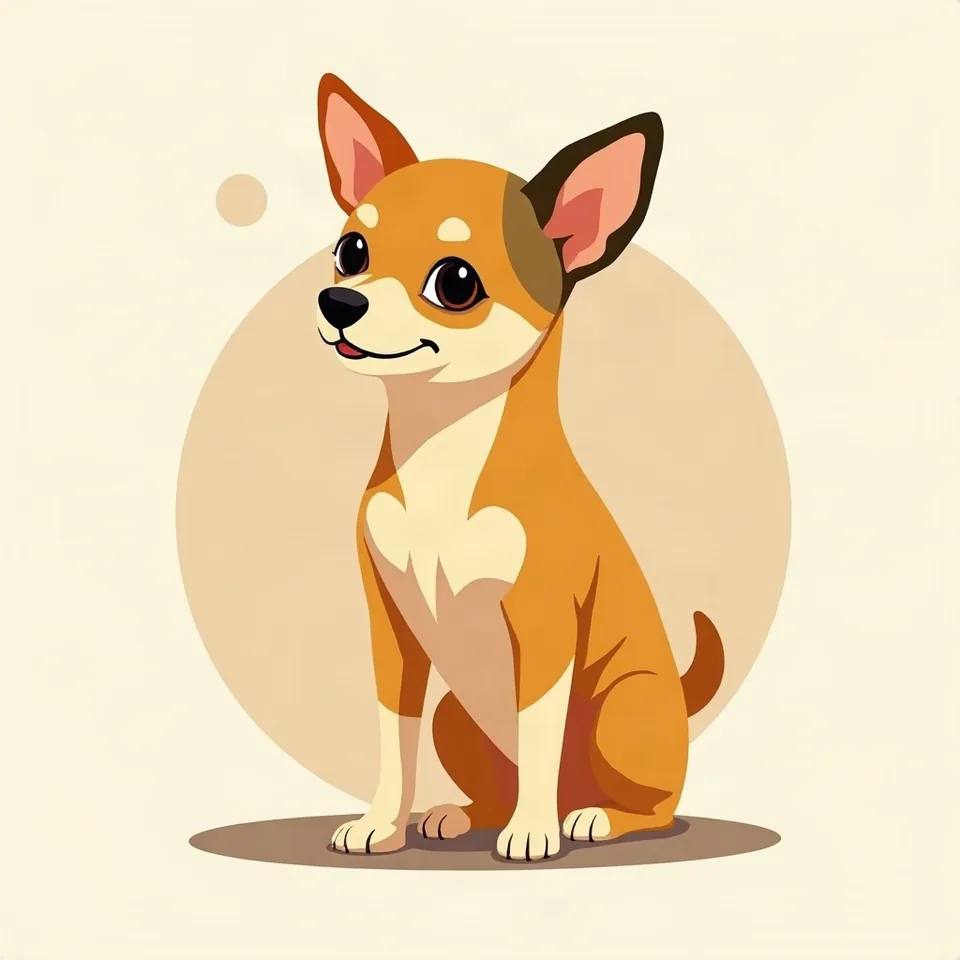
Chihuahua
Toy · 1.5–3 kg · 14–17 years
The Chihuahua is the smallest breed in the world, with minimal energy intake, a small stomach, and a risk of hypoglycemia in puppies. Here's how precise, gram-measured feeding can prevent blood sugar drops, dental problems, and the excess weight that's especially dangerous for such a tiny dog.

Maltese
Toy · 1.5–3.5 kg · 12–15 years
The Maltese is one of the smallest dog breeds, and its tiny body comes with a tiny stomach and limited liver reserves. Puppy hypoglycemia, sensitive digestion, and tartar buildup are all more common in this breed than in larger dogs. Here's how to feed a Maltese safely and in the right portions.

Pomeranian
Toy · 1.5–3.5 kg · 12–16 years
The Pomeranian is the toy-sized version of the German Spitz, and on such a small frame even tiny calorie swings make a big difference. Tartar buildup, a collapsing windpipe, and hypoglycemia in puppies are all issues this breed's diet needs to address from day one.
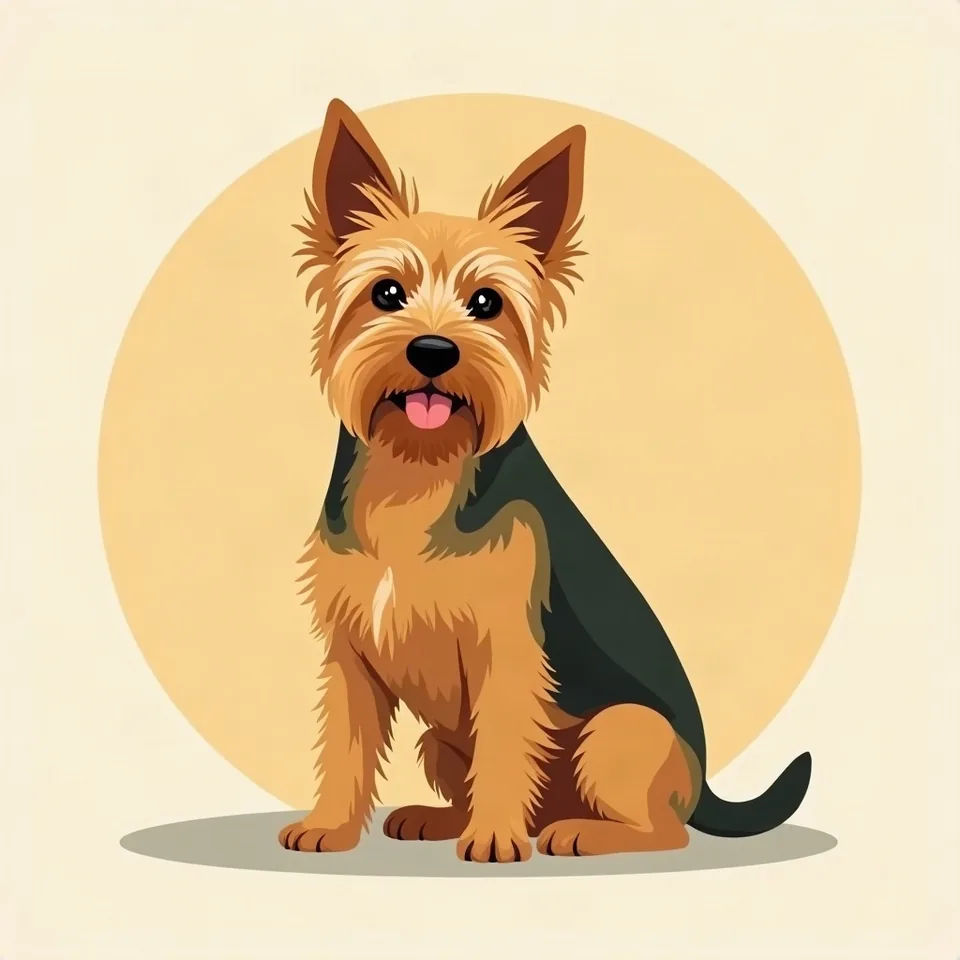
Yorkshire Terrier
Toy · 2–3.2 kg · 13–16 years
The Yorkshire Terrier is a tiny breed with a small stomach, a tendency toward hypoglycemia, sensitive digestion and an elevated risk of liver shunt. Here's how feeding small, precise portions supports digestion, teeth and stable blood sugar.
Sources
- FCI standard no. 215: Bichon Frise
- WSAVA Global Nutrition Committee: Global Nutrition Guidelines
Last updated 2 September 2026.