Toy breed
Yorkshire Terrier: feeding, nutrition and health
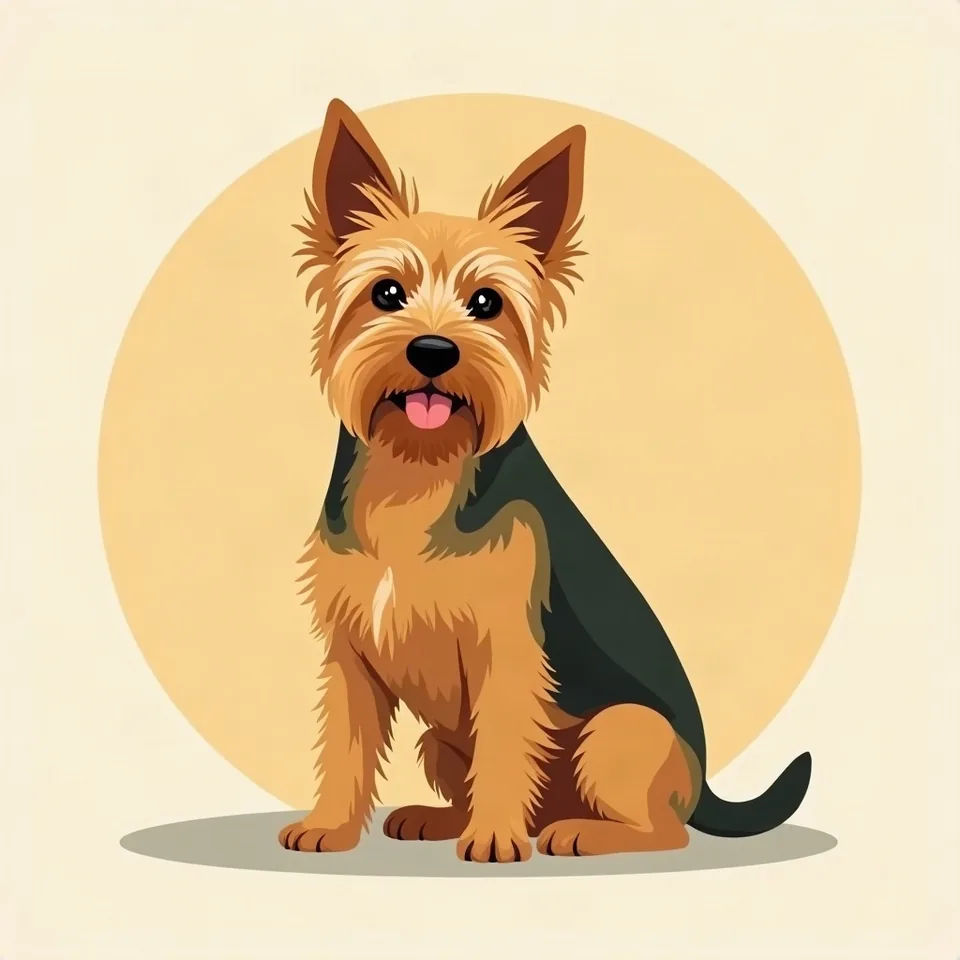
The Yorkshire Terrier is a tiny breed with a small stomach, a tendency toward hypoglycemia, sensitive digestion and an elevated risk of liver shunt. Here's how feeding small, precise portions supports digestion, teeth and stable blood sugar.
- Weight
- 2–3.2 kg4–7 lb
- Height
- 18–23 cm7–9 in
- Lifespan
- 13–16 yrs
- Size
- Toy
- Activity
- Moderate
- Adult at
- 10 months
- Senior from
- 10 yrs
- FCI group
- 3
How much food does a Yorkshire Terrier need?
The calculator starts at the breed average of 2.6 kg (6 lb). Put in your own dog's weight and the energy figure from the bag.
On the bag this is the metabolisable energy (ME). If it is given per kg, divide by 10. If it is in kJ, divide by 4.184.
Daily portion
— g
— oz · range — g
Per meal
— g
2 meals a day
Energy
— kcal
resting need — kcal
Usage: — kg a month (a 12 kg bag lasts about — days)
Cost: — a month
The full explanation of the maths is on the food portion calculator.
Feeding a Yorkshire Terrier: what matters
A Yorkshire Terrier needs energy-dense food in a small volume, because its stomach can only hold a limited amount at once. The daily ration runs to just tens of grams, so weighing it precisely on a kitchen scale matters more for this breed than for larger dogs, where a small error carries less weight.
Given the risk of liver shunt and sensitive digestion, it pays to choose food built on easily digestible, high-quality protein without unnecessary fatty extras. If a dog grows poorly, is lethargic after eating, or vomits even on a stable diet, that calls for a vet visit to check the liver, not more experimenting with food.
Preventing pancreatitis mostly comes down to discipline around treats and table scraps; in a dog this small, even a small piece of fatty meat can trigger an attack. A low-fat but tasty, protein-rich diet is a safer choice than home 'rewards' handed out on top of the regular ration.
Protein in the food
26–32 %
dry matter, mostly animal
Fat in the food
12–16 %
dry matter, by activity
What to watch for
- Hypoglycemia in puppies and small adults: feed often and in small portions, and avoid long gaps between meals.
- Tartar buildup: the small jaw is extremely prone to it, so check the teeth regularly and add dental care.
- Fatty treats and table scraps raise the risk of pancreatitis; in such a small dog, it doesn't take much.
- Poor growth, lethargy after eating, or stunted development can signal a liver shunt and warrant a vet visit.
Practical feeding tips
- Always weigh the daily ration on an accurate kitchen scale.
- Feed adults 3 times a day; feed puppies 4-5 times a day in small portions.
- Choose small kibble sized for toy breeds with sensitive digestion.
- Introduce any new food gradually over 7-10 days.
- Keep treats small and low-fat, and count them into the daily ration.
Feeding schedule by age
| Stage | Meals a day | Note |
|---|---|---|
| Puppy 8 to 12 weeks | 4-5x | Frequent small meals because of hypoglycemia risk, food formulated for toy breeds. |
| Puppy 3 to 6 months | 4x | Watch growth closely; consult a vet if a liver shunt is suspected. |
| Junior 6 to 10 months | 3x | Transition to adult food for toy breeds. |
| Adult 10 months to 10 years | 2-3x | Low-fat, easily digestible food, with regular tartar checks. |
| Senior from 10 years | 3x | Smaller portions, easily digestible ingredients, support for teeth and joints. |
Health risks that diet affects
Tartar and periodontal disease
A small jaw with crowded teeth makes the Yorkshire Terrier extremely prone to tartar buildup. Without regular dental care and food with the right texture, early tooth loss by middle age is a real risk.
Hypoglycemia
Especially in puppies and small adults, a long gap between meals can cause blood sugar to drop, showing up as weakness, trembling or even seizures. Prevention means frequent, small meals and avoiding any prolonged fasting.
Portosystemic shunt (liver shunt)
A congenital vascular defect where blood bypasses the liver occurs more often in this breed than average. Signs include poor growth, lethargy after eating or neurological symptoms. Treatment involves a special diet with restricted, highly digestible protein plus surgery.
Pancreatitis
Inflammation of the pancreas is commonly triggered by fatty food or table scraps. In a dog this small, even a small amount of unsuitable fatty food can set off an acute attack with abdominal pain and vomiting.
Sensitive digestive tract
A tendency toward vomiting and diarrhea with sudden food changes or stress is common in the breed. Gradual food transitions and a stable diet built around a single main protein source help keep it in check.
Temperament and exercise
Bold, feisty and inquisitive, with a true terrier personality that convinces this small dog it's actually a big one. Energy needs are low, but mental stimulation and exercise matter for its wellbeing just as much as for larger breeds.
A small stomach and fast metabolism mean a Yorkshire Terrier needs to eat more often, in smaller portions, than bigger dogs, especially while young, when the risk of hypoglycemia is highest.
A sensitive digestive tract is typical of the breed; sudden food changes, fatty food or table scraps easily trigger vomiting or diarrhea.
Coat: Long, silky, straight hair with no undercoat, closer to human hair than fur; it doesn't shed but needs regular, demanding brushing.
Common questions about feeding a Yorkshire Terrier
How much should a Yorkshire Terrier weigh?
The FCI standard caps weight at 3.2 kg (7 lb); in practice, adults typically fall between 2 and 3.2 kg (4.5-7 lb). On such a tiny dog, body condition is judged more by feel than by eye: ribs should be easy to feel under a thin layer of fat.
How much food does a Yorkshire Terrier need per day?
An adult weighing 2.5-3 kg (5.5-6.5 lb) needs roughly 150-190 kcal a day, which for an energy-dense food works out to about 40-50 g (1.5-2 oz) split into two or three meals. The exact amount depends on the individual dog's age, activity and body condition.
Why does a Yorkshire Terrier handle fatty food so badly?
The breed has an elevated risk of pancreatitis, which fatty food and table scraps can easily trigger. In such a small dog, it takes only a small amount of unsuitable food to set off an acute attack with abdominal pain and vomiting.
What is a liver shunt and how does it relate to feeding?
A portosystemic shunt is a congenital vascular defect where blood bypasses the liver instead of being filtered by it. It occurs more often in Yorkshire Terriers than in most other breeds. Treatment involves a special diet with restricted, highly digestible protein designed by a vet; adjusting food at home on your own won't resolve it.
How long do Yorkshire Terriers live?
On average 13-16 years. Dental care and keeping the dog lean throughout its life are among the factors that most affect the quality and length of its life.
What's the best food for a Yorkshire Terrier?
Food formulated for toy breeds, with small kibble, 26-32% protein and a more moderate 12-16% fat on a dry-matter basis, ideally with dental support built in. For sensitive digestion, a diet built around a single, clearly declared protein source helps.
Breeds of a similar size

Bichon Frise
Toy · 3–6 kg · 13–16 years
The Bichon Frise is a small, cheerful companion prone to skin allergies and to forming calcium oxalate stones in the bladder. Here's how diet can support healthy skin, coat, and urinary tract, and why protein quality and water intake matter so much for this breed.
Chihuahua
Toy · 1.5–3 kg · 14–17 years
The Chihuahua is the smallest breed in the world, with minimal energy intake, a small stomach, and a risk of hypoglycemia in puppies. Here's how precise, gram-measured feeding can prevent blood sugar drops, dental problems, and the excess weight that's especially dangerous for such a tiny dog.

Maltese
Toy · 1.5–3.5 kg · 12–15 years
The Maltese is one of the smallest dog breeds, and its tiny body comes with a tiny stomach and limited liver reserves. Puppy hypoglycemia, sensitive digestion, and tartar buildup are all more common in this breed than in larger dogs. Here's how to feed a Maltese safely and in the right portions.

Pomeranian
Toy · 1.5–3.5 kg · 12–16 years
The Pomeranian is the toy-sized version of the German Spitz, and on such a small frame even tiny calorie swings make a big difference. Tartar buildup, a collapsing windpipe, and hypoglycemia in puppies are all issues this breed's diet needs to address from day one.
Sources
- FCI standard no. 86: Yorkshire Terrier
- WSAVA Global Nutrition Committee: Global Nutrition Guidelines
- Tobias K. M.: Portosystemic shunts and other hepatic vascular anomalies in dogs, a veterinary review of breed predispositions
Last updated 2 September 2026.