Small breed
Shiba Inu: feeding, nutrition and health
The Shiba Inu is a small, independent breed prone to skin allergies with a reputation for being a picky eater. Here's how much a Shiba should weigh, how to build a diet that helps with itchy skin, and how to handle a dog whose appetite depends on its mood.
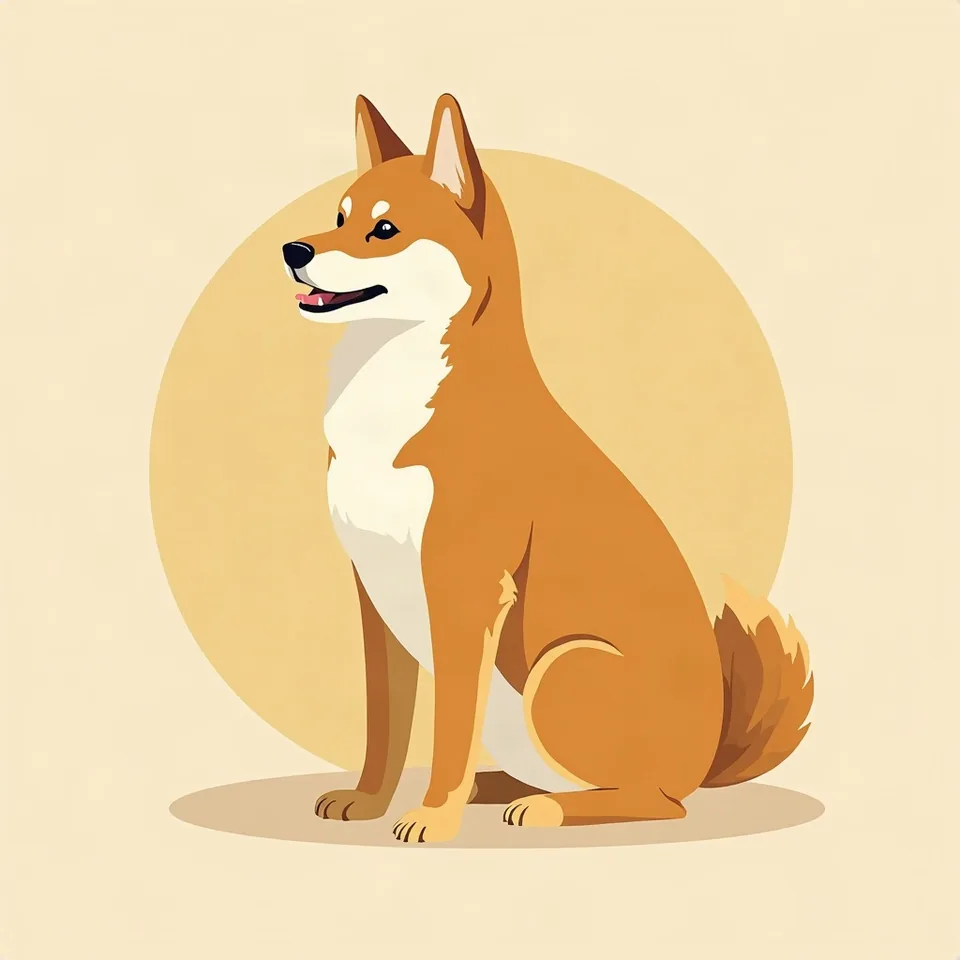
- Weight
- 8–11 kg18–24 lb
- Height
- 35–41 cm14–16 in
- Lifespan
- 12–15 yrs
- Size
- Small
- Activity
- High
- Adult at
- 10 months
- Senior from
- 10 yrs
- FCI group
- 5
How much food does a Shiba Inu need?
The calculator starts at the breed average of 9.5 kg (21 lb). Put in your own dog's weight and the energy figure from the bag.
On the bag this is the metabolisable energy (ME). If it is given per kg, divide by 10. If it is in kJ, divide by 4.184.
Daily portion
— g
— oz · range — g
Per meal
— g
2 meals a day
Energy
— kcal
resting need — kcal
Usage: — kg a month (a 12 kg bag lasts about — days)
Cost: — a month
The full explanation of the maths is on the food portion calculator.
Feeding a Shiba Inu: what matters
Nutrition for the Shiba involves two opposing themes at once: a tendency toward skin allergies on one hand, and picky eating on the other. A food built around one clearly defined protein source with plenty of omega-3 fatty acids addresses both at once, since it's gentler on sensitive skin and its stronger flavor tends to go over better with fussy eaters too.
Constantly switching foods because a Shiba refuses a meal is counterproductive. It makes a food allergy harder to pin down and teaches the dog that refusing food leads to a better offer instead. The recommended approach is to leave the bowl down for a limited time (15 to 20 minutes) and then remove it with no replacement.
Even though the Shiba often comes across as a light eater, less active or older dogs risk the opposite extreme: excess weight from treats offered to make up for a refused meal. Treats should always count toward the total daily ration, not be treated as a bonus on top of it.
Protein in the food
24–28 %
dry matter, mostly animal
Fat in the food
12–16 %
dry matter, by activity
What to watch for
- Frequently switching foods because of picky eating makes a food allergy harder to identify and teaches the dog to keep refusing meals.
- Offering more appealing but unsuitable food as a reaction to a refused meal.
- Skin allergies to common proteins - consider an elimination diet if itching becomes chronic.
- A small daily portion means even one extra treat makes up a meaningful share of daily calories.
Practical feeding tips
- Leave food down for 15 to 20 minutes, then remove the bowl with no replacement, even if the dog didn't eat.
- Choose a food with one clearly defined protein source and plenty of omega-3 fatty acids.
- Don't offer a more appealing alternative when your dog refuses its meal - it only reinforces picky eating.
- Subtract treats from the day's kibble ration, even for a dog that seems to eat very little.
- If itching or ear infections become chronic, talk to your vet about an elimination diet.
Feeding schedule by age
| Stage | Meals a day | Note |
|---|---|---|
| Puppy 8 to 12 weeks | 4x | Small-breed puppy food; establish a fixed feeding routine from the start. |
| Puppy 3 to 6 months | 3x | Track growth rate and body condition, and avoid offering extra food when a meal is refused. |
| Junior 6 to 10 months | 2x | Gradual transition to adult small-breed food. |
| Adult 10 months to 10 years | 2x | A food that supports the skin, with a fixed routine that doesn't give in to picky eating. |
| Senior from 10 years | 2x | Easily digestible senior food, with condition checks given the risk of weight gain from extra treats. |
Health risks that diet affects
Allergies and atopic dermatitis
The Shiba is among the breeds with a higher rate of skin allergies, which show up as itching, paw licking, and recurring ear infections. For chronic problems, an elimination diet built around one novel protein source and a food with a higher level of omega-3 fatty acids both help.
Patellar luxation
A slipping kneecap is common in small and medium breeds, and even more so in the Shiba given how agile and prone to jumping it is. Keeping the dog lean from puppyhood reduces the load on the knee joint and lowers the risk of the condition worsening.
Glaucoma
Elevated eye pressure with a risk of permanent vision loss is reported more often in Shibas than in many other breeds. It isn't directly diet related, but an overall balanced diet with antioxidants supports general eye health.
Picky eating
The Shiba is notorious for refusing food it doesn't like or when it's stressed, which tempts owners into constantly switching brands and offering more appealing but less suitable food instead. The fix is a fixed feeding routine, a limited amount of time at the bowl, and resisting the urge to offer an alternative every time the dog turns its nose up.
Obesity
Even though the Shiba is often picky, less active or older dogs can still develop excess weight, especially if the owner compensates for refused meals by offering extra treats. Regular weigh-ins help catch the trend early.
Temperament and exercise
The Shiba Inu is lively, self-reliant, and strong-willed, with a high need for exercise and mental stimulation despite its small size. Short but intense walks and play sessions suit it better than one long walk.
Unlike many small breeds, the Shiba isn't typically food-driven. Many individuals are picky instead, and will refuse food they don't like or when stressed. That makes portion control harder, because owners are easily tempted to offer something more appealing but less suitable instead.
Strong independence means the Shiba doesn't respond to food as predictably as a Labrador or a Staffordshire Bull Terrier does. Training motivation and willingness to accept a new food both swing with the dog's mood.
Coat: A double coat with a harsh, straight outer layer and a dense undercoat. Sheds heavily twice a year.
Common questions about feeding a Shiba Inu
How much should a Shiba Inu weigh?
The standard gives a target weight of about 10 kg (22 lb) for males and 8 kg (17.6 lb) for females, at a height of 35 to 41 cm (13.8 to 16.1 in) at the withers. Given the breed's small size, even a slight deviation from ideal weight is proportionally significant, so check condition by feeling the ribs and looking for a waist from above.
How much food does a Shiba Inu need per day?
An adult Shiba weighing around 9 kg (20 lb) with average activity needs roughly 380 to 450 kcal a day, which works out to about 100 to 120 g of typical kibble (370 kcal/100 g) split into two meals. Picky eaters don't need to finish the whole portion at once, since what matters is the total for the day.
What is the best food for a Shiba Inu?
A food with one clearly defined protein source and plenty of omega-3 fatty acids addresses both the breed's tendency toward skin allergies and its possible pickiness, since a stronger flavor tends to be more appealing. Constantly switching between different foods doesn't pay off for this breed.
Why is the Shiba Inu so picky about food?
It comes down to a combination of the breed's strong independence and a sensitivity to stress that affects appetite. A fixed feeding routine with a limited time at the bowl, and no offering a replacement when a meal is refused, usually eases the pickiness over time, even if it doesn't disappear entirely.
How long do Shiba Inus live?
The Shiba Inu typically lives 12 to 15 years, putting it among the longer-lived small-to-medium breeds. The biggest factor affecting quality of life is managing skin allergies and keeping the dog lean throughout its life.
Is the Shiba Inu prone to allergies?
Yes, the breed is among those with a higher rate of atopic dermatitis and food allergies, which show up as itching, paw licking, and recurring ear infections. For chronic problems, an elimination diet built around one novel protein source, done under a vet's guidance, can help.
Breeds of a similar size
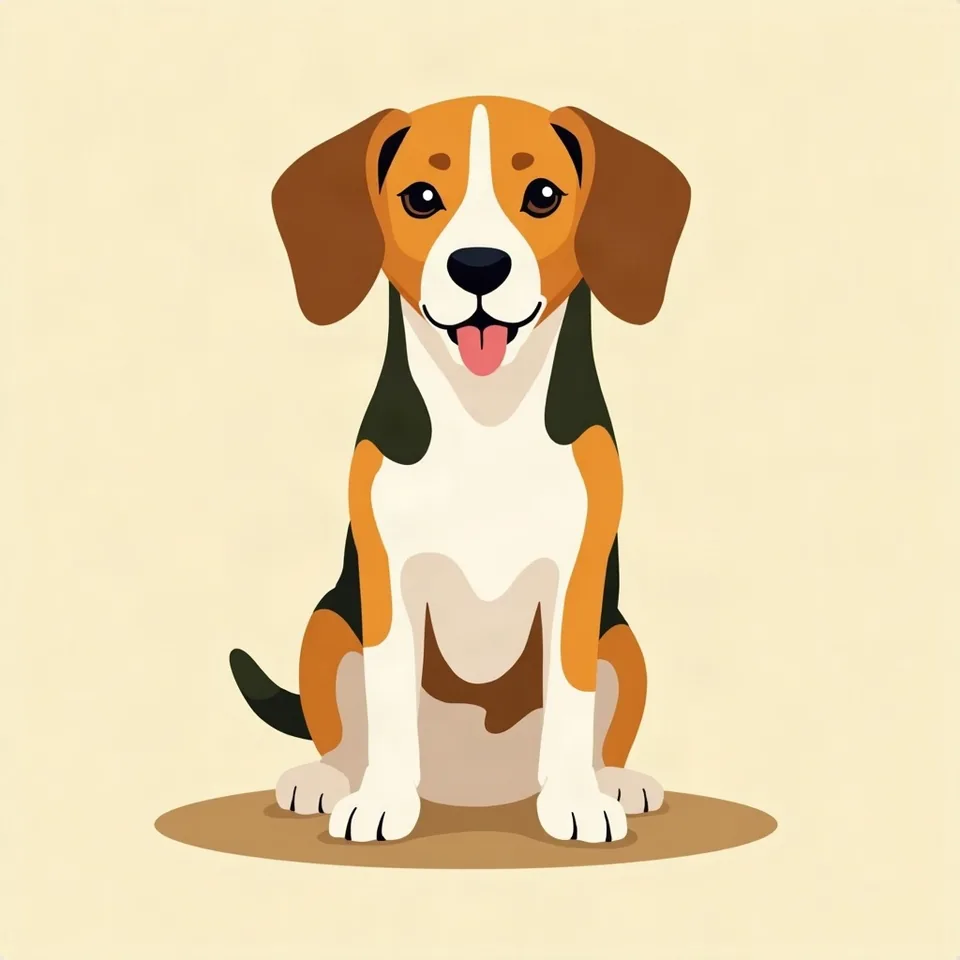
Beagle
Small · 9–11 kg · 12–15 years
The Beagle is a scent-obsessed hound that will eat practically anything it finds, which makes it one of the breeds most prone to excess weight. Here's how precise portioning and smart feeding can prevent the obesity that shortens a Beagle's active life more than anything else.
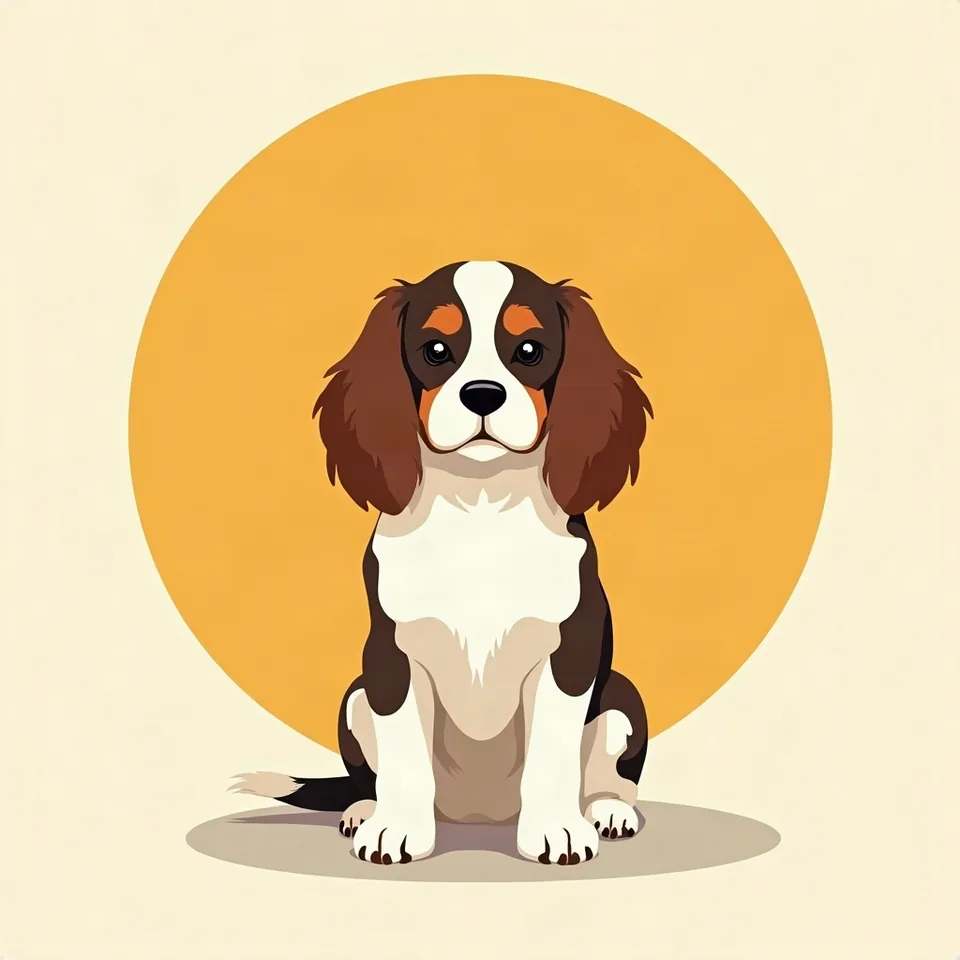
Cavalier King Charles Spaniel
Small · 5.4–8 kg · 9–14 years
The Cavalier King Charles Spaniel is a small, affectionate breed with an unusually high risk of heart valve disease, a condition that excess weight directly worsens. Here's how precise feeding keeps a Cavalier lean and eases the strain on both its heart and a skull prone to syringomyelia.
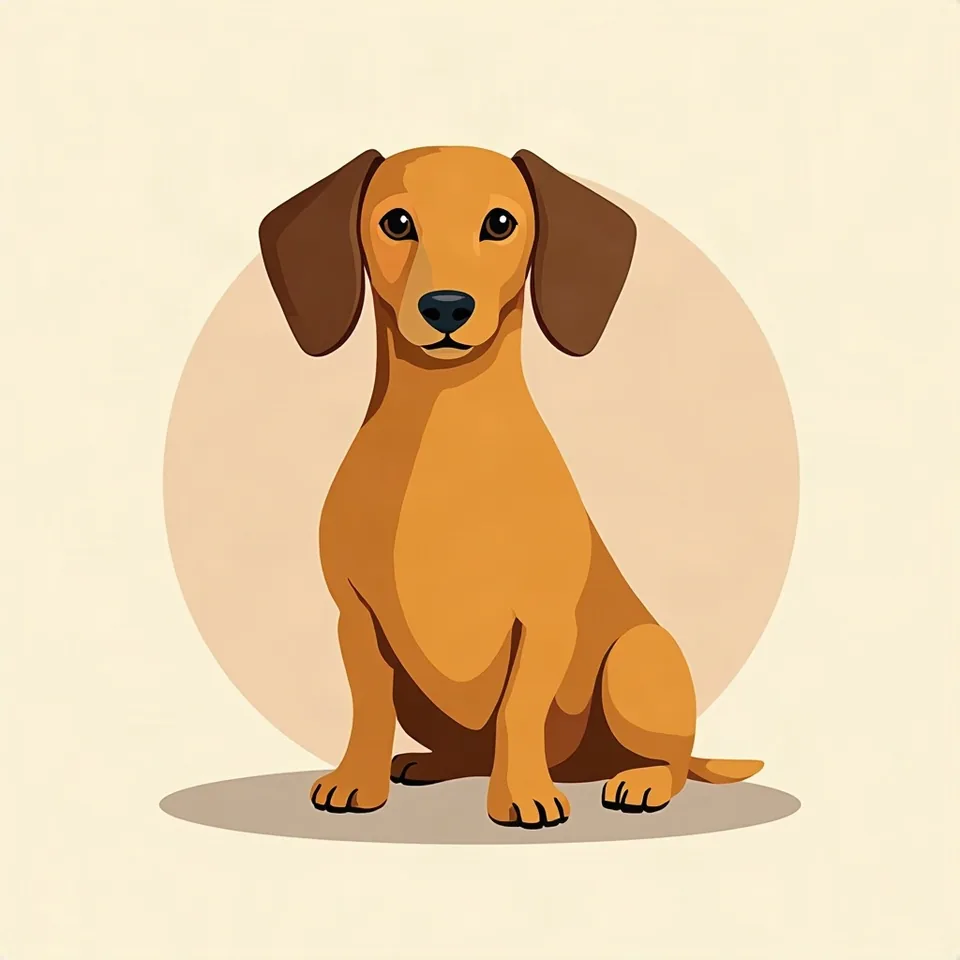
Dachshund
Small · 7–14 kg · 12–16 years
The Dachshund's long back carries a high risk of intervertebral disc disease, and even a little extra weight makes that risk dramatically worse. Here's how precise feeding keeps a Dachshund lean and protects its sensitive spine for life.

French Bulldog
Small · 8–14 kg · 9–11 years
The French Bulldog is a brachycephalic breed in which even mild overweight noticeably worsens breathing and adds strain to a spine already prone to disc herniation. Here's how precise portioning and an easily digestible food keep a French Bulldog lean and healthy.
Sources
- FCI standard no. 257: Shiba
- WSAVA Global Nutrition Committee: Global Nutrition Guidelines
Last updated 2 September 2026.