Small breed
Cavalier King Charles Spaniel: feeding, nutrition and health
The Cavalier King Charles Spaniel is a small, affectionate breed with an unusually high risk of heart valve disease, a condition that excess weight directly worsens. Here's how precise feeding keeps a Cavalier lean and eases the strain on both its heart and a skull prone to syringomyelia.
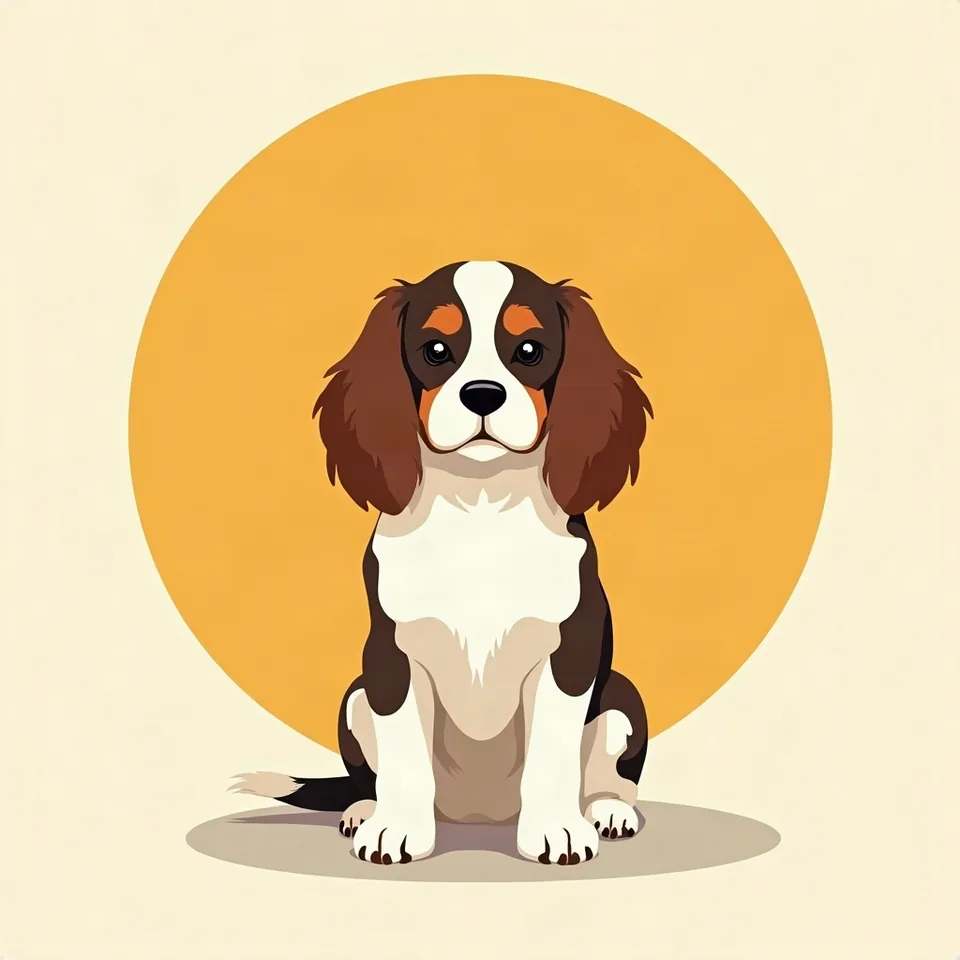
- Weight
- 5.4–8 kg12–18 lb
- Height
- 30–33 cm12–13 in
- Lifespan
- 9–14 yrs
- Size
- Small
- Activity
- Moderate
- Adult at
- 12 months
- Senior from
- 8 yrs
- FCI group
- 9
How much food does a Cavalier King Charles Spaniel need?
The calculator starts at the breed average of 6.7 kg (15 lb). Put in your own dog's weight and the energy figure from the bag.
On the bag this is the metabolisable energy (ME). If it is given per kg, divide by 10. If it is in kJ, divide by 4.184.
Daily portion
— g
— oz · range — g
Per meal
— g
2 meals a day
Energy
— kcal
resting need — kcal
Usage: — kg a month (a 12 kg bag lasts about — days)
Cost: — a month
The full explanation of the maths is on the food portion calculator.
Feeding a Cavalier King Charles Spaniel: what matters
In the Cavalier, weight control is directly tied to the breed's leading health risk, heart valve disease. Excess weight adds to the load on a heart that's already working under increased strain, which makes precisely measuring the daily ration more important for this breed than the choice of any particular food brand.
Given the breed's low energy needs and strong food drive, it pays to choose food with a milder energy density and enough fiber for a sense of fullness. Training treats need to be consistently counted into the total ration, since on such a small dog they can easily make up a disproportionate share of daily calories.
For dogs with advanced heart valve disease, a veterinary cardiologist may recommend a diet with adjusted sodium content plus supplements that support heart function. Any such change should always be based on a specific diagnosis and a vet's recommendation, not applied as general prevention in a healthy dog.
Protein in the food
24–30 %
dry matter, mostly animal
Fat in the food
12–16 %
dry matter, by activity
What to watch for
- Excess weight directly worsens the course of heart valve disease; weigh the dog regularly and adjust the ration at the first sign of gain.
- Training treats can easily push up calorie intake given the breed's strong food drive; count them into the total ration.
- Signs like coughing, tiring after light activity, or rapid breathing warrant a vet visit, as they can signal progressing heart disease.
- Adjusting sodium in the diet should only be done on a vet's recommendation for diagnosed heart disease, never as prevention in a healthy dog.
Practical feeding tips
- Always weigh the daily ration on a kitchen scale; for a small dog, a few grams either way matters.
- Feed twice a day at fixed times, and don't leave the bowl freely available.
- Check body condition by feeling the ribs every 2-4 weeks.
- Introduce any new food gradually over 7-10 days.
- For diagnosed heart disease, always discuss diet changes with a veterinary cardiologist.
Feeding schedule by age
| Stage | Meals a day | Note |
|---|---|---|
| Puppy 8 to 12 weeks | 4x | Small-breed puppy food, with smaller kibble sized for the jaw. |
| Puppy 3 to 6 months | 3x | Watch body condition; the goal is a lean puppy, not a chubby one. |
| Junior 6 to 12 months | 2-3x | Gradual transition to small-breed adult food. |
| Adult 1 to 8 years | 2x | Precisely weighed portions, with regular heart checks at the vet. |
| Senior from 8 years | 2x | Lower energy; for diagnosed heart disease, follow a cardiologist's dietary recommendations. |
Health risks that diet affects
Myxomatous mitral valve disease (MVD)
The breed's single biggest health risk: the vast majority of Cavaliers show signs of heart valve disease by middle age. Excess weight directly increases the strain on the heart and worsens the course of the disease, so keeping the dog lean is one of the most important things an owner can do to slow its progression. For advanced heart failure, a vet will often recommend a diet with adjusted sodium content.
Syringomyelia (Chiari-like malformation)
A mismatch between skull and brain size causes fluid-filled cavities to form in the spinal cord in some Cavaliers, showing up as pain and scratching at the air around the neck. There's no direct dietary treatment, but keeping body weight low reduces the overall load on the neck and spine.
Obesity
Low energy needs combined with a strong food drive make the Cavalier prone to weight gain, which directly worsens both heart disease and spinal problems. For this breed, weight control isn't optional, it's a core part of prevention.
Tartar and periodontal disease
A small jaw is prone to tartar buildup. Kibble with the right texture and dental chews help slow it down, but regular dental checks at the vet remain essential.
Patellar luxation
A slipping kneecap is fairly common in small breeds, Cavaliers included. Keeping the dog lean reduces load on the affected joint and slows the onset of secondary arthritis.
Temperament and exercise
Gentle, affectionate and low in exercise needs, which makes the Cavalier a beloved companion but also a prime candidate for weight gain. Low energy needs combined with a strong food drive call for carefully measured portions.
Because of its small size and relatively short muzzle, a Cavalier can also gulp its food down a bit too fast, which can lead to gas and discomfort after eating.
A strong emotional bond with its owner and a keen appetite make the Cavalier easy to train with treats, which is exactly why rewards need to be consistently counted into the total daily ration.
Coat: Long, silky, slightly wavy coat with pronounced feathering on the ears, chest, legs and tail; shedding is moderate and fairly even year-round.
Common questions about feeding a Cavalier King Charles Spaniel
How much should a Cavalier King Charles Spaniel weigh?
The FCI standard puts adult weight at 5.4-8 kg (12-17.5 lb). Weight control matters more for this breed than most, because excess weight directly worsens the breed's most common health problem, heart valve disease. What counts is a feelable rib and a visible waist, not just the number on the scale.
How much food does a Cavalier need per day?
An adult weighing 7 kg (15.5 lb) with average activity needs roughly 350-420 kcal a day, which for a food at 370 kcal/100 g works out to about 95-115 g (3.5-4 oz) split into two meals. Because the breed's energy needs are naturally low, it's easy to overestimate the ration.
Why is weight control so important for a Cavalier?
The vast majority of Cavaliers show signs of myxomatous mitral valve disease, a heart condition, by middle age, and excess weight directly worsens it by adding strain to the circulatory system. Keeping the dog lean is one of the most effective ways to slow the disease's progression.
Does a Cavalier with heart disease need a special diet?
A healthy dog without a diagnosis doesn't need a special diet, just weight control. Only once advanced heart disease is diagnosed will a veterinary cardiologist often recommend adjusted sodium content and supplements that support heart function, always based on a specific examination.
How long do Cavalier King Charles Spaniels live?
Commonly cited as 9-14 years, though the real lifespan for part of the population is shortened by an early onset of heart valve disease. Staying lean and having regular cardiology checkups are among the factors that can improve both quality and length of life.
What's the best food for a Cavalier?
Food for small breeds with 24-30% protein and 12-16% fat on a dry-matter basis, with a milder energy density given the breed's naturally low activity level. A precisely measured ration and regular body condition checks matter more than any particular brand.
Breeds of a similar size
Beagle
Small · 9–11 kg · 12–15 years
The Beagle is a scent-obsessed hound that will eat practically anything it finds, which makes it one of the breeds most prone to excess weight. Here's how precise portioning and smart feeding can prevent the obesity that shortens a Beagle's active life more than anything else.
Dachshund
Small · 7–14 kg · 12–16 years
The Dachshund's long back carries a high risk of intervertebral disc disease, and even a little extra weight makes that risk dramatically worse. Here's how precise feeding keeps a Dachshund lean and protects its sensitive spine for life.

French Bulldog
Small · 8–14 kg · 9–11 years
The French Bulldog is a brachycephalic breed in which even mild overweight noticeably worsens breathing and adds strain to a spine already prone to disc herniation. Here's how precise portioning and an easily digestible food keep a French Bulldog lean and healthy.
Jack Russell Terrier
Small · 5–8 kg · 13–16 years
The Jack Russell Terrier is a small dog with the energy of a working hunting breed. It needs an energy-dense food that matches its output, or it quickly gains weight, or just as easily runs short on fuel. Here's how to feed this terrier and what to watch for with its teeth, joints, and eyes.
Sources
- FCI standard no. 136: Cavalier King Charles Spaniel
- WSAVA Global Nutrition Committee: Global Nutrition Guidelines
- Keene B. W. et al. (2019): ACVIM consensus guidelines for the diagnosis and treatment of myxomatous mitral valve disease in dogs. Journal of Veterinary Internal Medicine.
Last updated 2 September 2026.