Small breed
French Bulldog: feeding, nutrition and health
The French Bulldog is a brachycephalic breed in which even mild overweight noticeably worsens breathing and adds strain to a spine already prone to disc herniation. Here's how precise portioning and an easily digestible food keep a French Bulldog lean and healthy.

- Weight
- 8–14 kg18–31 lb
- Height
- 27–33 cm11–13 in
- Lifespan
- 9–11 yrs
- Size
- Small
- Activity
- Low
- Adult at
- 12 months
- Senior from
- 8 yrs
- FCI group
- 9
How much food does a French Bulldog need?
The calculator starts at the breed average of 11 kg (24 lb). Put in your own dog's weight and the energy figure from the bag.
On the bag this is the metabolisable energy (ME). If it is given per kg, divide by 10. If it is in kJ, divide by 4.184.
Daily portion
— g
— oz · range — g
Per meal
— g
2 meals a day
Energy
— kcal
resting need — kcal
Usage: — kg a month (a 12 kg bag lasts about — days)
Cost: — a month
The full explanation of the maths is on the food portion calculator.
Feeding a French Bulldog: what matters
A French Bulldog needs a food with lower energy density and a milder fat content, because its exercise output is very small relative to the size of its portions. Precisely weighing the daily ration matters more for this breed than almost any other, since even small, regular surpluses show up quickly in its breathing.
Given the breed's tendency toward allergies and sensitive digestion, it's worth choosing a food with a clearly declared protein source and no unnecessary additives or dyes. Smaller kibble, sized and shaped for a short muzzle, makes eating easier and helps prevent excessive gulping.
Given the risk of IVDD and sensitive joints, glucosamine and omega-3 supplements are worth adding preventively from a young age, not only after problems appear. Just as important is weight control, which has a direct, measurable effect on the spine and joints.
Protein in the food
22–28 %
dry matter, mostly animal
Fat in the food
10–14 %
dry matter, by activity
What to watch for
- Even a small weight gain significantly worsens breathing; weigh the dog regularly and adjust the portion at the first sign of gain.
- Fast, greedy eating; use an anti-gulp bowl or a feeder toy, or risk bloating and gas.
- High temperatures and hard exercise after eating raise the risk of breathing trouble, so allow rest after meals.
- Allergies and infections in the nose folds; with recurring problems, consider a single-protein elimination diet.
Practical feeding tips
- Always weigh the daily portion on a kitchen scale; a few grams matter on a small dog.
- Feed 2 to 3 times a day in smaller portions instead of one large meal.
- Choose smaller kibble sized for a shortened muzzle.
- Introduce a new food gradually over 7 to 10 days, and watch how digestion responds.
- Cap treats at 10% of daily intake; it's easy to underestimate how much this adds up for the breed.
Feeding schedule by age
| Stage | Meals a day | Note |
|---|---|---|
| Puppy 8 to 12 weeks | 4x | Small-breed puppy food, with smaller kibble suited to a short muzzle. |
| Puppy 3 to 6 months | 3x | Watch body condition; a French Bulldog gains weight easily even as a puppy. |
| Junior 6 to 12 months | 2-3x | Gradual switch to an adult food with controlled fat. |
| Adult 1 to 8 years | 2x | Food with milder energy density, and precisely weighed portions. |
| Senior from 8 years | 2x | Lower energy, support for the spine and joints, and even tighter weight control. |
Health risks that diet affects
Brachycephalic obstructive airway syndrome (BOAS)
A shortened muzzle and narrowed airways make breathing, cooling, and digestion harder. Overweight makes the condition dramatically worse, as fat around the neck and chest further limits lung capacity, so staying lean is a critical health measure for this breed, not a cosmetic one.
Intervertebral disc disease (IVDD)
A chondrodystrophic breed with an abnormally shaped spine carries a raised risk of disc damage. Extra weight increases the load on the spine and the risk of a sudden, painful episode, so weight control is prevention here, alongside limiting jumping.
Allergies and food intolerance
Skin inflammation, itching, and frequent infections in the nose folds are common in the breed. Some cases are food-related; chronic problems often improve with an elimination diet built around a single, easily digestible protein source.
Obesity
Low exercise output paired with an unchecked appetite leads to fast weight gain. Even an extra 1 to 2 kg (2 to 4 lb) is a proportionally huge added strain on breathing and joints, so portioning has to be precise.
Sensitive digestive tract and gas
Fast, greedy eating and swallowed air cause bloating and gas. An anti-gulp bowl, smaller and more frequent portions, and avoiding legumes and hard-to-digest ingredients in the food all help.
Temperament and exercise
Cheerful, sociable, and calm, with low exercise needs, which only makes it more prone to weight gain. A short muzzle limits its ability to cool down and handle exertion, so extra pounds are more dangerous for this breed than for most others.
A French Bulldog eats fast and greedily, which leads to swallowing air, bloating, and gas. A slower eating pace, using an anti-gulp bowl, is basic care for this breed, not an optional extra.
Low tolerance for heat and physical exertion means genuine energy output is small in this breed; the portion suggested on a bag's feeding chart is often needlessly high for a French Bulldog's real lifestyle.
Coat: Short, fine, smooth, and glossy coat with no undercoat. Sheds mildly, evenly year-round.
Common questions about feeding a French Bulldog
How much should a French Bulldog weigh?
The commonly cited range is 8 to 14 kg (18 to 31 lb); the FCI standard doesn't set an exact weight. Body condition matters more than the number: ribs should be lightly palpable, with a hint of a waist visible from the side. Even mild overweight shows up significantly in this breed's breathing.
How much food does a French Bulldog need per day?
An adult weighing 11 kg (24 lb) with low to moderate activity needs roughly 450 to 550 kcal a day, which is about 130 to 160 g (4.5 to 5.5 oz) of a 350 kcal/100g food, split into two or three portions. It's worth calculating the exact dose from your dog's real weight and body condition.
Why does my French Bulldog bloat so easily?
A short muzzle and a greedy eating style mean it swallows a lot of air. An anti-gulp bowl or a feeder toy, smaller and more frequent portions, and rest after eating without hard exercise all help.
What food is good for a French Bulldog with allergies?
Food with a single, clearly declared animal protein source, such as salmon, lamb, or duck, and no unnecessary additives. For a suspected food allergy, the most reliable approach is an 8-week elimination diet under a vet's guidance, not repeatedly switching between regular foods.
How long do French Bulldogs live?
On average 9 to 11 years, relatively short for a small breed, linked to brachycephalic breathing problems and IVDD risk. Keeping a lean weight for life is one of the most effective ways to improve both the quality and length of a French Bulldog's life.
When should I switch a French Bulldog to adult food?
Usually between 10 and 12 months, once this small breed finishes growing. Make the switch gradually over 7 to 10 days, and choose a milder energy-density food from the start to avoid rapid weight gain.
Breeds of a similar size
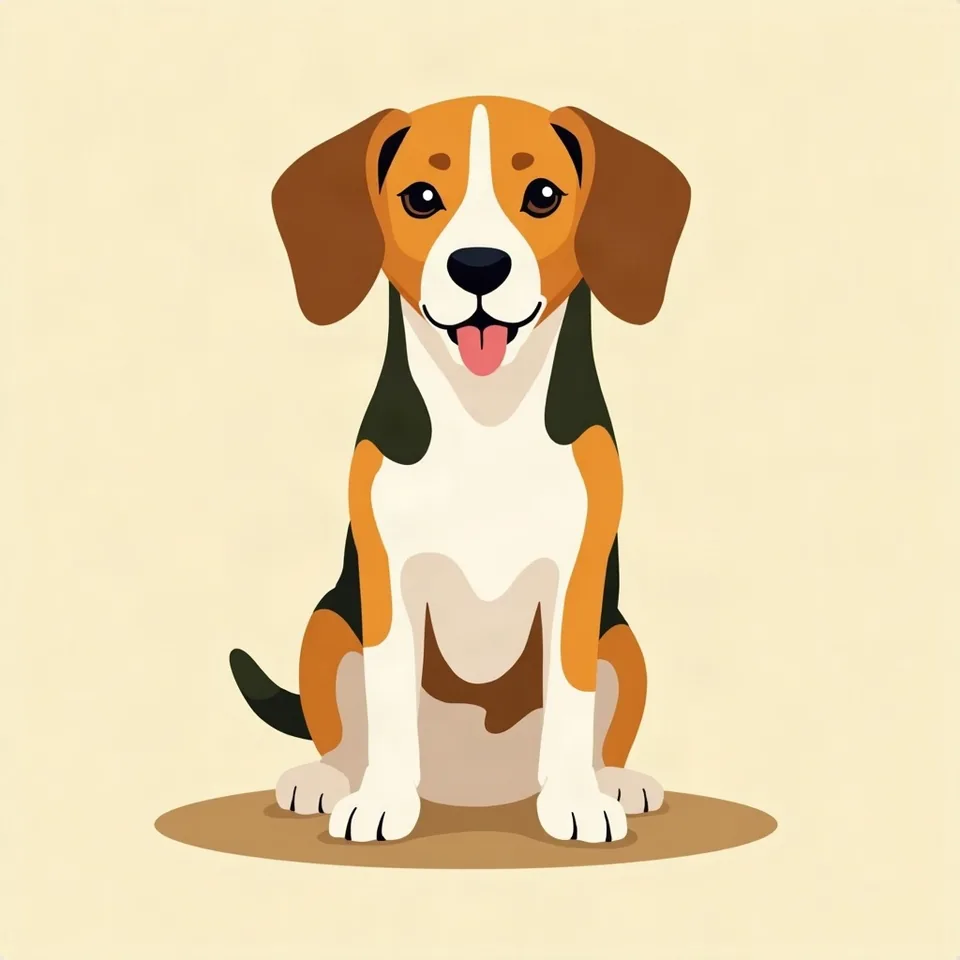
Beagle
Small · 9–11 kg · 12–15 years
The Beagle is a scent-obsessed hound that will eat practically anything it finds, which makes it one of the breeds most prone to excess weight. Here's how precise portioning and smart feeding can prevent the obesity that shortens a Beagle's active life more than anything else.
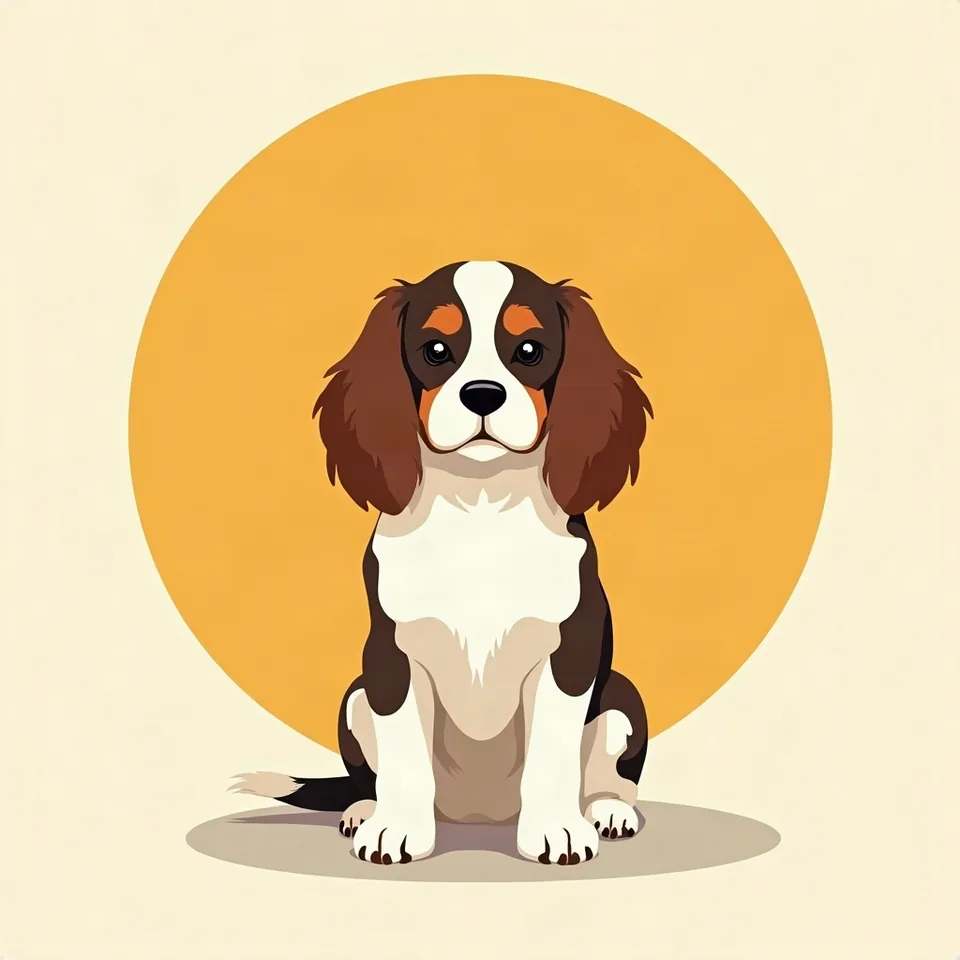
Cavalier King Charles Spaniel
Small · 5.4–8 kg · 9–14 years
The Cavalier King Charles Spaniel is a small, affectionate breed with an unusually high risk of heart valve disease, a condition that excess weight directly worsens. Here's how precise feeding keeps a Cavalier lean and eases the strain on both its heart and a skull prone to syringomyelia.

Dachshund
Small · 7–14 kg · 12–16 years
The Dachshund's long back carries a high risk of intervertebral disc disease, and even a little extra weight makes that risk dramatically worse. Here's how precise feeding keeps a Dachshund lean and protects its sensitive spine for life.
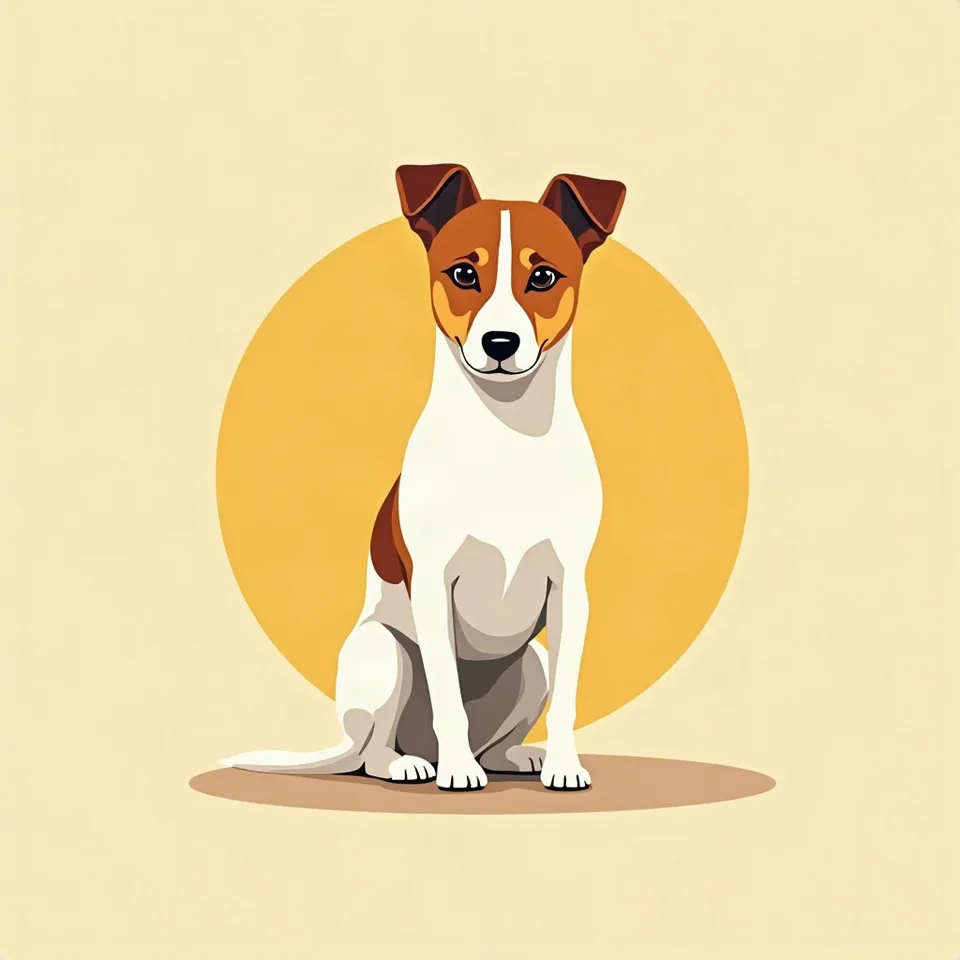
Jack Russell Terrier
Small · 5–8 kg · 13–16 years
The Jack Russell Terrier is a small dog with the energy of a working hunting breed. It needs an energy-dense food that matches its output, or it quickly gains weight, or just as easily runs short on fuel. Here's how to feed this terrier and what to watch for with its teeth, joints, and eyes.
Sources
- FCI standard no. 101: French Bulldog
- WSAVA Global Nutrition Committee: Global Nutrition Guidelines
- Packer R. M. A. et al.: Impact of Facial Conformation on Canine Health: Brachycephalic Obstructive Airway Syndrome
Last updated 2 September 2026.