Small breed
Jack Russell Terrier: feeding, nutrition and health
The Jack Russell Terrier is a small dog with the energy of a working hunting breed. It needs an energy-dense food that matches its output, or it quickly gains weight, or just as easily runs short on fuel. Here's how to feed this terrier and what to watch for with its teeth, joints, and eyes.
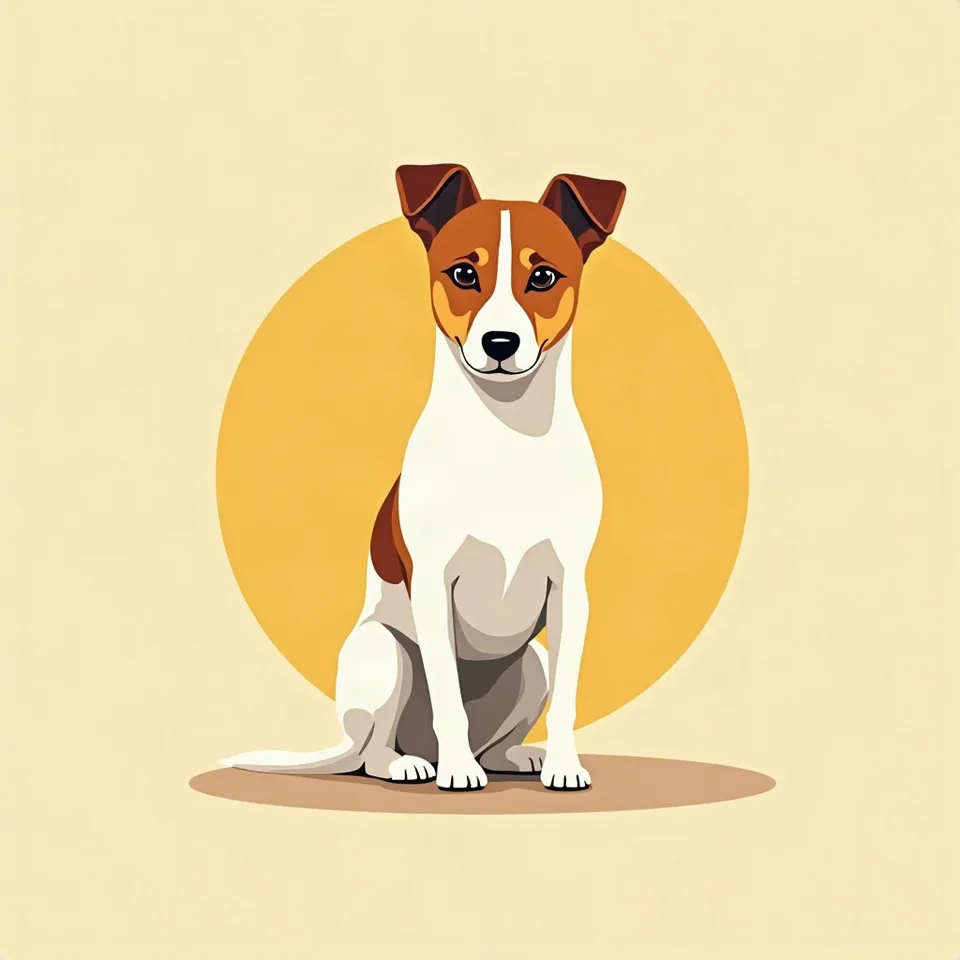
- Weight
- 5–8 kg11–18 lb
- Height
- 25–30 cm10–12 in
- Lifespan
- 13–16 yrs
- Size
- Small
- Activity
- Very high
- Adult at
- 10 months
- Senior from
- 10 yrs
- FCI group
- 3
How much food does a Jack Russell Terrier need?
The calculator starts at the breed average of 6.5 kg (14 lb). Put in your own dog's weight and the energy figure from the bag.
On the bag this is the metabolisable energy (ME). If it is given per kg, divide by 10. If it is in kJ, divide by 4.184.
Daily portion
— g
— oz · range — g
Per meal
— g
2 meals a day
Energy
— kcal
resting need — kcal
Usage: — kg a month (a 12 kg bag lasts about — days)
Cost: — a month
The full explanation of the maths is on the food portion calculator.
Feeding a Jack Russell Terrier: what matters
Thanks to its working and hunting background, a Jack Russell Terrier has a high energy output that needs covering with a quality, energy-dense food rich in animal protein. Genuinely active, working, or sporting dogs need a noticeably bigger portion than the average small breed.
At the same time, a Jack Russell is strongly food-motivated and learns to beg easily, so a less busy, purely companion dog risks the opposite extreme: weight gain from too many treats. The key is matching the food's energy content to the individual dog's real activity, not the breed average.
Because of its small jaw with relatively large teeth, a food with an abrasive texture helps fight tartar buildup. Regular dental care matters just as much in this breed as it does in other small breeds prone to dental problems.
Protein in the food
26–32 %
dry matter, mostly animal
Fat in the food
15–20 %
dry matter, by activity
What to watch for
- High energy output in active dogs; underfeeding leads to weight loss and fatigue.
- Strong food motivation and a tendency to beg; less busy dogs risk the opposite extreme, obesity.
- Dental tartar, driven by relatively large teeth in a small jaw.
- Sudden eye pain or redness can signal hereditary lens luxation and needs immediate veterinary care.
Practical feeding tips
- Match the food portion to the dog's actual activity; a working or sporting Jack Russell needs noticeably more energy than a companion dog.
- Count training treats toward the total daily ration; this breed overeats on rewards easily.
- Choose a food with an abrasive texture against tartar buildup, and back it up with regular dental care.
- Feed twice a day in set portions; very active dogs can be split into three smaller meals instead.
- Have breeding dogs genetically tested for hereditary lens luxation, and see a vet immediately for any sign of eye pain.
Feeding schedule by age
| Stage | Meals a day | Note |
|---|---|---|
| Puppy 8 to 12 weeks | 4x | Small-breed puppy food, with small kibble. |
| Puppy 3 to 6 months | 3x | Monitor growth and body condition, on a richer-energy food. |
| Junior 6 to 10 months | 2-3x | Gradual switch to adult food based on activity level. |
| Adult 10 months to 10 years | 2x | Portion based on real working or sporting workload. |
| Senior from 10 years | 2x | Lower energy as activity drops, with joint support. |
Health risks that diet affects
High energy requirements
Thanks to its hunting and working background, a Jack Russell burns noticeably more energy than its small size suggests. A low-energy food leaves an active dog thin and low on energy, while the same food on a less busy dog easily leads to weight gain; the portion has to match the individual dog.
Dental tartar and periodontal disease
A small jaw with relatively large teeth is prone to fast plaque buildup in this breed. Food with an abrasive texture and regular dental care lower the risk of early tooth loss.
Patellar luxation
A slipping kneecap is common in small, agile breeds, Jack Russells included. Keeping a lean weight lowers the mechanical load on the knee joints and slows the problem's progression.
Hereditary lens luxation
A documented inherited eye disease in the breed that shifts the eye's lens out of place, which without treatment leads to painful glaucoma and vision loss. Diet has no influence here, but breeding dogs should be genetically tested, and sudden eye pain needs immediate veterinary care.
Temperament and exercise
Unstoppable, bold, and immensely energetic, bred to hunt through underground dens. Its energy output far exceeds what you'd expect from such a small dog, and its food needs to match that output.
This breed is strongly food-motivated and learns to beg or steal from the table easily. Not enough exercise combined with too many treats leads to weight gain in a Jack Russell, which then further strains its quick but small joints.
Without enough physical and mental challenge, a Jack Russell gets frustrated and destructive, and owners sometimes respond by adding food instead of exercise, the wrong move for this breed, since it tends to make the restlessness worse.
Coat: Short, smooth or broken coat that's weather-resistant and low maintenance, with moderate shedding.
Common questions about feeding a Jack Russell Terrier
How much should a Jack Russell Terrier weigh?
The commonly cited range is 5 to 8 kg (11 to 18 lb) at a height of 25 to 30 cm under the FCI standard. Exact weight varies with build in this breed; body condition matters more, with ribs that should be lightly palpable and a waist visible from above.
How much food does a Jack Russell Terrier need per day?
An active dog weighing 6.5 kg (14 lb) typically needs roughly 100 to 140 g (3.5 to 5 oz) of quality kibble a day, split into two meals. A dog with heavy working or sporting demands may need more. Use the calculator above for an estimate tailored to your dog.
What's the best food for a Jack Russell Terrier?
Food with a higher share of quality animal protein and an energy content that matches the dog's real activity level: higher energy density for sporting or hunting-active dogs, more moderate for companion dogs.
Why is my Jack Russell Terrier so prone to begging and overeating?
This breed is strongly food-motivated, which makes training easier but also raises the risk of overindulging on treats. In less physically busy dogs, that easily leads to weight gain, since a companion pet's energy output is lower than a working dog's.
How long do Jack Russell Terriers live?
Average lifespan is 13 to 16 years, one of the longest of any breed. Keeping a lean body condition and getting enough exercise are among the main factors affecting how long the dog lives.
What is lens luxation in Jack Russell Terriers?
It's a hereditary eye disease in which the lens shifts out of place; without treatment it can lead to painful glaucoma and vision loss. Breeding dogs should be genetically tested, and sudden redness or pain in the eye needs immediate veterinary care.
Breeds of a similar size
Beagle
Small · 9–11 kg · 12–15 years
The Beagle is a scent-obsessed hound that will eat practically anything it finds, which makes it one of the breeds most prone to excess weight. Here's how precise portioning and smart feeding can prevent the obesity that shortens a Beagle's active life more than anything else.
Cavalier King Charles Spaniel
Small · 5.4–8 kg · 9–14 years
The Cavalier King Charles Spaniel is a small, affectionate breed with an unusually high risk of heart valve disease, a condition that excess weight directly worsens. Here's how precise feeding keeps a Cavalier lean and eases the strain on both its heart and a skull prone to syringomyelia.
Dachshund
Small · 7–14 kg · 12–16 years
The Dachshund's long back carries a high risk of intervertebral disc disease, and even a little extra weight makes that risk dramatically worse. Here's how precise feeding keeps a Dachshund lean and protects its sensitive spine for life.
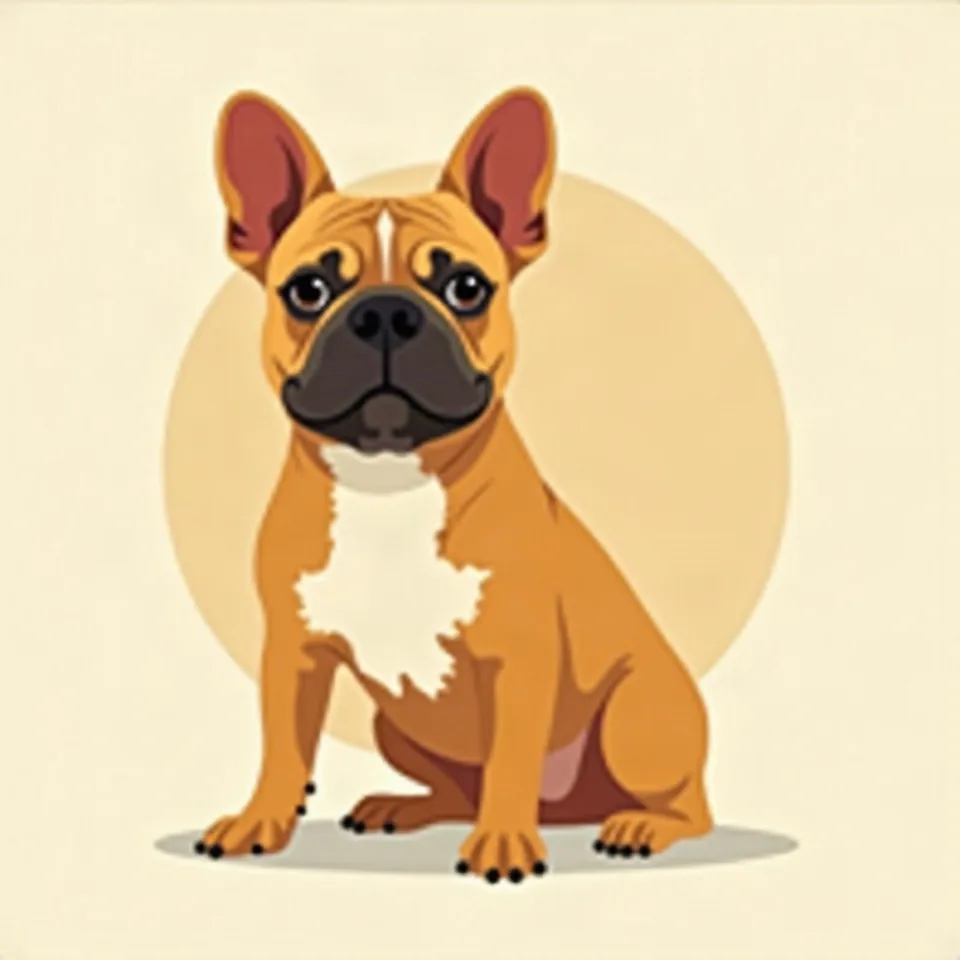
French Bulldog
Small · 8–14 kg · 9–11 years
The French Bulldog is a brachycephalic breed in which even mild overweight noticeably worsens breathing and adds strain to a spine already prone to disc herniation. Here's how precise portioning and an easily digestible food keep a French Bulldog lean and healthy.
Sources
- FCI standard no. 345: Jack Russell Terrier
- WSAVA Global Nutrition Committee: Global Nutrition Guidelines
Last updated 2 September 2026.