Giant breed
Cane Corso: feeding, nutrition and health
The Cane Corso is a massive Italian mastiff-type breed with rapid growth, making control of a puppy's growth rate and prevention of bloat essential. Its muscular build tempts owners into overfeeding, which needlessly strains joints already under pressure.

- Weight
- 40–50 kg88–110 lb
- Height
- 60–68 cm24–27 in
- Lifespan
- 9–12 yrs
- Size
- Giant
- Activity
- High
- Adult at
- 18 months
- Senior from
- 6 yrs
- FCI group
- 2
How much food does a Cane Corso need?
The calculator starts at the breed average of 45 kg (99 lb). Put in your own dog's weight and the energy figure from the bag.
On the bag this is the metabolisable energy (ME). If it is given per kg, divide by 10. If it is in kJ, divide by 4.184.
Daily portion
— g
— oz · range — g
Per meal
— g
2 meals a day
Energy
— kcal
resting need — kcal
Usage: — kg a month (a 12 kg bag lasts about — days)
Cost: — a month
The full explanation of the maths is on the food portion calculator.
Feeding a Cane Corso: what matters
The Cane Corso is a fast-growing large to giant mastiff-type breed, for which slow, even growth is the priority during puppyhood. A large-breed food with controlled energy and calcium content protects the joints from overload and lowers the risk of dysplasia, to which the breed has a high predisposition.
An adult dog weighing 45 kg (99 lb) needs roughly 1,700 to 2,000 kcal a day depending on activity. Split feeding into 2 to 3 smaller meals, not one large one, because of the risk of bloat, to which this deep-chested breed is just as prone as other large mastiffs.
A muscular build doesn't automatically mean a high protein intake beyond standard recommendations for large breeds. What matters is the quality of the animal protein, not the quantity. Quality protein sources and a reasonable fat level maintain muscle mass without unnecessary weight gain.
Protein in the food
24–28 %
dry matter, mostly animal
Fat in the food
12–16 %
dry matter, by activity
What to watch for
- A muscular build masks excess weight, so regularly feel the ribs and check for a waist from above, not just the overall impression.
- Rapid puppy growth: excess energy or calcium supplements raise the risk of dysplasia and skeletal defects.
- Feeding around exercise: no intense activity for an hour before or after meals because of the risk of bloat.
- Treats and table scraps can easily make up a significant share of daily calorie intake in such a large dog, without the owner noticing.
Practical feeding tips
- Weigh the daily ration on a kitchen scale and split it into 2 to 3 meals at set times.
- Use a large- to giant-breed food until at least 18 months of age.
- Track the puppy's weight and gains every 2 weeks; the goal is a lean puppy, not a bulky one.
- Don't add calcium or protein supplements without your vet's recommendation; a quality food is already balanced.
- Reduce the daily ration by 15 to 20 percent after neutering; energy needs drop more than owners expect.
Feeding schedule by age
| Stage | Meals a day | Note |
|---|---|---|
| Puppy 8 to 12 weeks | 4x | A large-breed puppy food with controlled calcium and energy. |
| Puppy 3 to 8 months | 3-4x | The fastest growth phase; keep an eye on the puppy staying lean. |
| Junior 8 to 18 months | 3x | Stay on a large-breed food until skeletal growth is complete. |
| Adult 18 months to 6 years | 2-3x | An adult food, with the ration split because of the risk of bloat. |
| Senior from 6 years | 2x | Lower energy, joint support, and consistent weight monitoring. |
Health risks that diet affects
Hip and elbow dysplasia
A high incidence in heavy mastiff-type breeds, directly linked to growth rate and weight during puppyhood. A large- to giant-breed food with controlled energy and calcium (1.0 to 1.5 percent on a dry matter basis) is the basic prevention.
Bloat (gastric dilatation-volvulus)
A deep chest and massive build mean an elevated risk of bloat. Feeding 2 to 3 times a day instead of one large meal, and resting for at least an hour after eating, lower the risk.
Entropion and ectropion
These eyelid defects are reported more often in the breed. They aren't directly diet-related, but they're a health specific that both breeders and owners should watch for.
Obesity
A muscular, imposing build tempts owners into believing that excess weight "doesn't show" on a Cane Corso. In reality, that extra weight strains joints that are already prone to dysplasia in this breed.
Growth disorders in puppyhood
The rapid weight gain typical of the breed raises the risk of joint and skeletal defects if a puppy gets too much energy or extra calcium supplements. A large-breed food formulated for slow, controlled growth is a must.
Temperament and exercise
The Cane Corso is a confident breed that's relatively calm for its size, bred for sustained guarding and working duty rather than sport. It needs regular but not extreme exercise.
A strong, muscular build tempts owners into thinking the dog needs large portions of meat and protein to "bulk up." In reality, its energy needs match its calm temperament far more than its imposing looks.
A Cane Corso puppy grows fast and packs on weight quickly, which is why the food ration and weight gain need regular monitoring rather than letting the puppy eat freely by appetite.
Coat: Short, dense, glossy coat; standard-recognized colors include black, various shades of gray, fawn, and brindle.
Common questions about feeding a Cane Corso
How much should a Cane Corso weigh?
Under the FCI standard, males weigh 45 to 50 kg (99 to 110 lb) and females 40 to 45 kg (88 to 99 lb), standing 64 to 68 cm and 60 to 64 cm at the shoulder respectively. The muscular build means the dog can look leaner visually than it actually weighs, so it pays to regularly feel the ribs.
How much food does a Cane Corso need per day?
An adult dog weighing 45 kg (99 lb) with average activity needs roughly 1,700 to 2,000 kcal a day, which works out to about 470 to 560 g of a typical kibble (360 kcal/100 g) split into 2 to 3 meals. A less active or neutered dog needs 15 to 20 percent less.
What food is suitable for a Cane Corso?
A large- to giant-breed food with 24 to 28 percent protein, 12 to 16 percent fat, and a controlled calcium-to-phosphorus ratio. Puppies need a food formulated for slow, controlled growth, not a standard high-energy puppy kibble.
How long do Cane Corsos live?
Average lifespan is 9 to 12 years, a relatively good figure for a giant mastiff-type breed. Keeping the dog lean for life and controlling growth during puppyhood are among the main factors an owner can influence.
Why does a Cane Corso gain weight so easily?
The breed's calm, low-drive temperament combined with low energy expenditure means a Cane Corso needs fewer calories than its imposing, muscular build would suggest. Feeding by the chart on the bag without checking condition easily leads to excess weight.
When should a Cane Corso switch to adult food?
Usually between 16 and 18 months of age, by which point skeletal growth is largely complete. Switching too early to a more energy-dense adult food can disrupt even joint development in such a fast-growing breed.
Breeds of a similar size
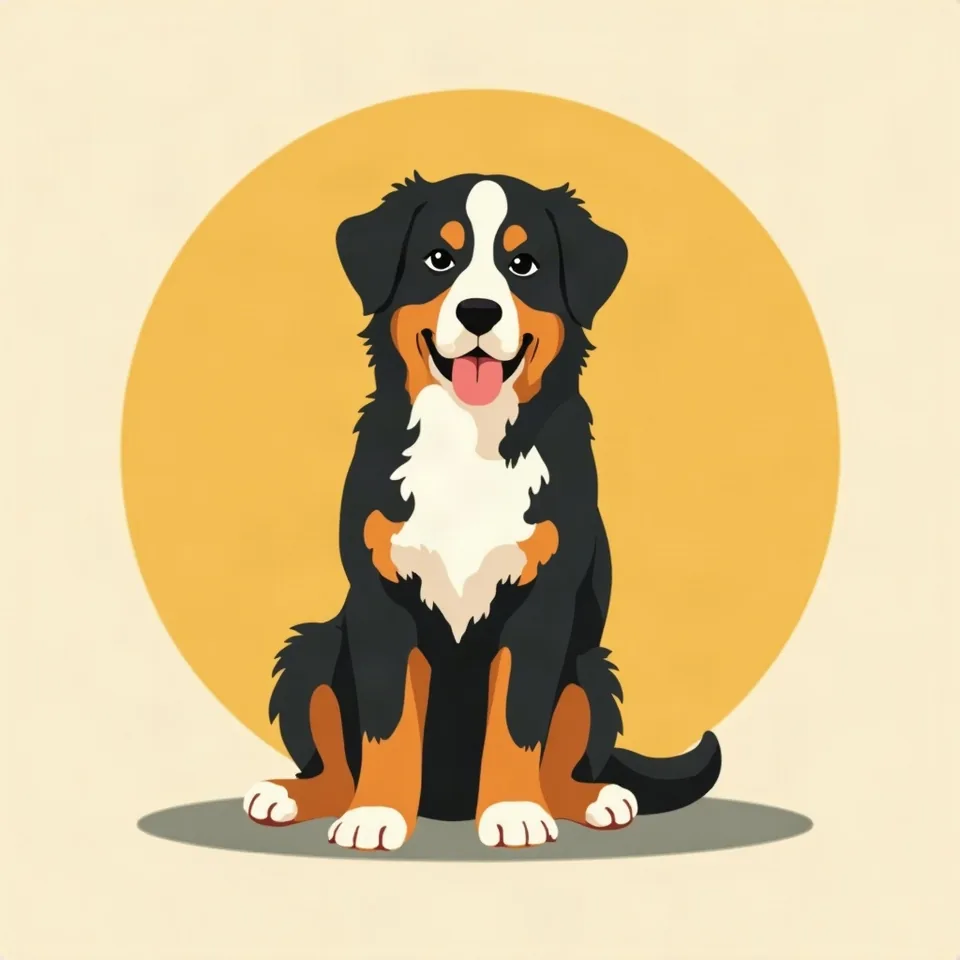
Bernese Mountain Dog
Giant · 36–50 kg · 7–10 years
The Bernese Mountain Dog is a giant breed with a short lifespan of 7 to 10 years and a high risk of cancer. Its diet has to manage two jobs at once: slow, controlled growth as a puppy, and preventing bloat and obesity as an adult.
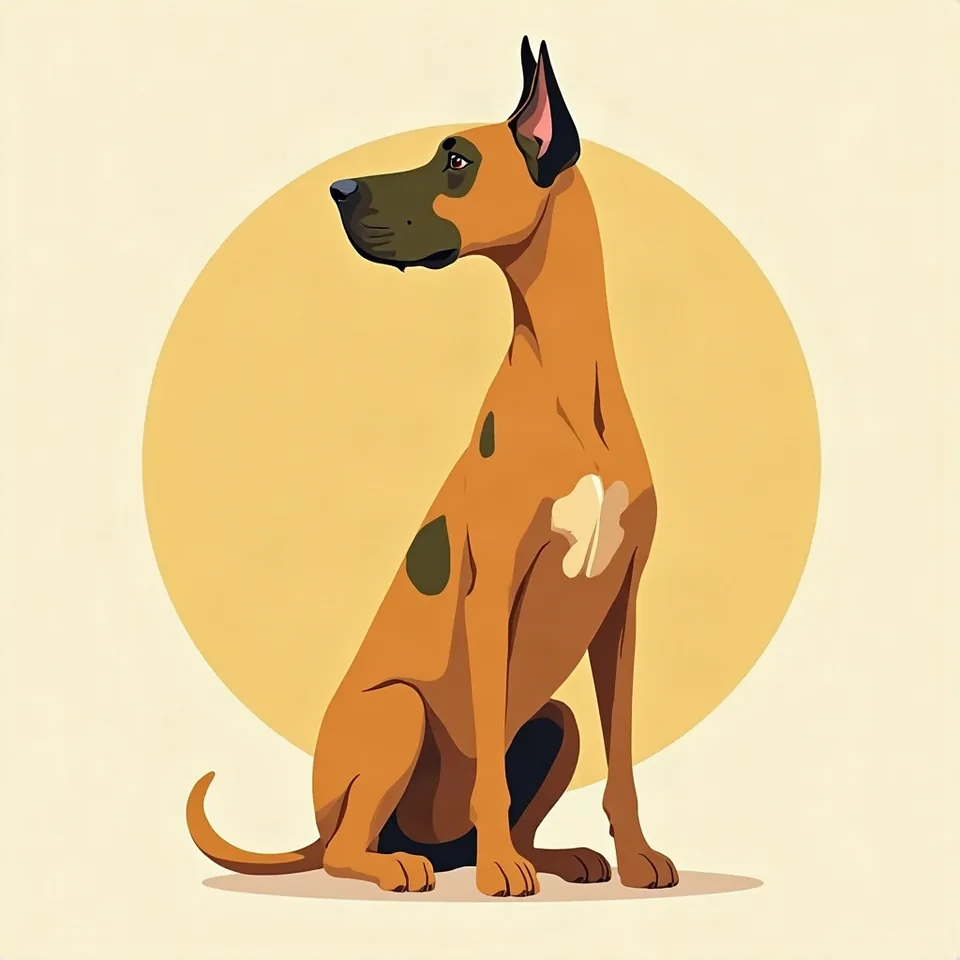
Great Dane
Giant · 45–90 kg · 7–9 years
The Great Dane carries the highest risk of bloat and stomach torsion of any dog breed. Feeding small meals several times a day and enforcing quiet time afterward isn't an optional tip here, it's a necessity. Just as critical is an extremely slow, controlled growth rate for a giant breed puppy.

Irish Wolfhound
Giant · 40–70 kg · 6–8 years
The Irish Wolfhound is the tallest breed in the world, and also one of the shortest-lived, at just 6 to 8 years. Its diet has to manage an extremely slow-growing giant puppy, protect the heart from cardiomyopathy, and prevent bloat in the deepest-chested breed of all dogs.
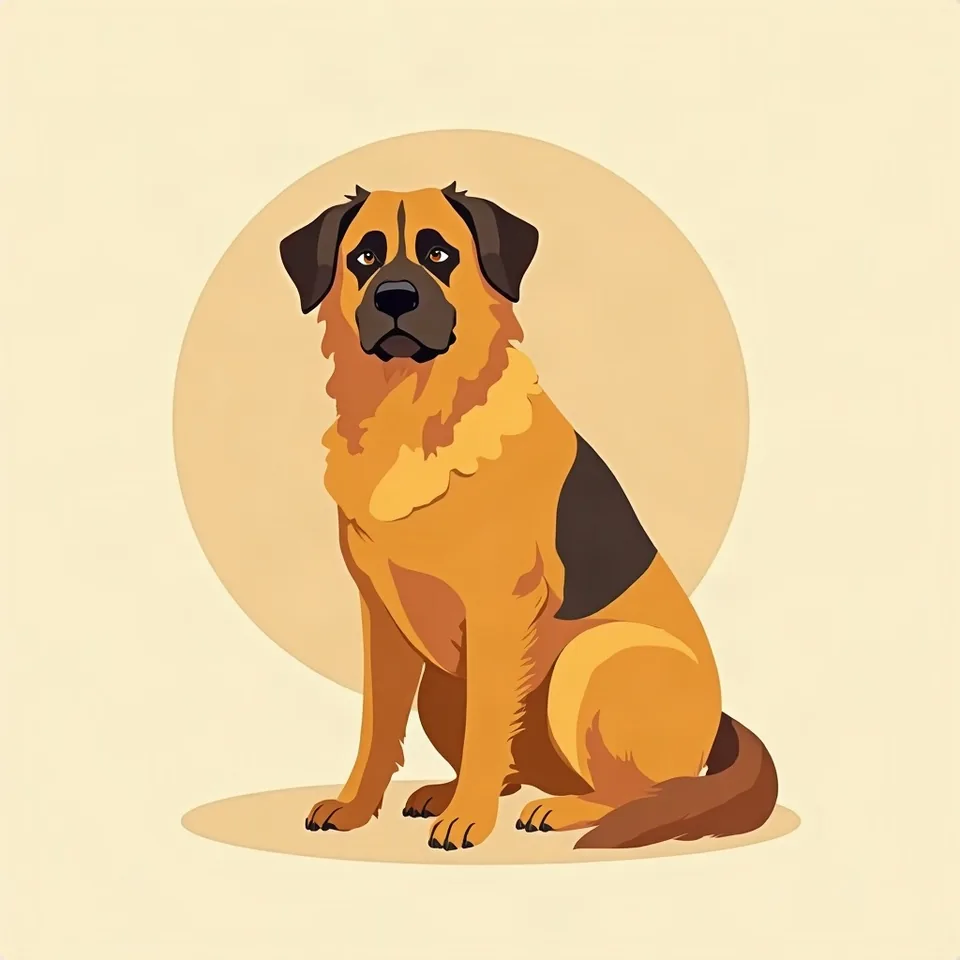
Leonberger
Giant · 45–77 kg · 7–9 years
The Leonberger is a massive giant breed with a short lifespan of just 7 to 9 years and an inherited nerve disease that can complicate eating. Nutrition has to support slow, controlled growth in a giant puppy and help prevent bloat, cancer, and obesity in adulthood.
Sources
- FCI standard no. 343: Cane Corso
- WSAVA Global Nutrition Guidelines
Last updated 2 September 2026.