Giant breed
Irish Wolfhound: feeding, nutrition and health
The Irish Wolfhound is the tallest breed in the world, and also one of the shortest-lived, at just 6 to 8 years. Its diet has to manage an extremely slow-growing giant puppy, protect the heart from cardiomyopathy, and prevent bloat in the deepest-chested breed of all dogs.
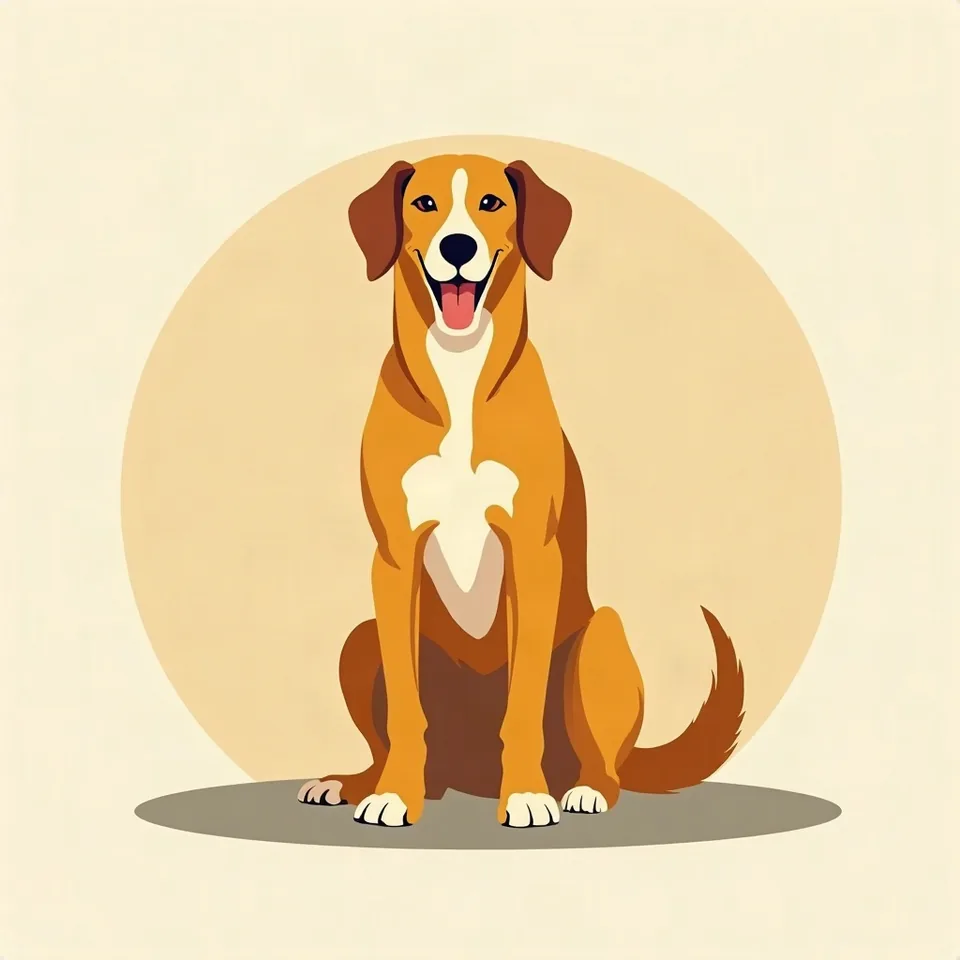
- Weight
- 40–70 kg88–154 lb
- Height
- 71–90 cm28–35 in
- Lifespan
- 6–8 yrs
- Size
- Giant
- Activity
- Moderate
- Adult at
- 24 months
- Senior from
- 5 yrs
- FCI group
- 10
How much food does a Irish Wolfhound need?
The calculator starts at the breed average of 55 kg (121 lb). Put in your own dog's weight and the energy figure from the bag.
On the bag this is the metabolisable energy (ME). If it is given per kg, divide by 10. If it is in kJ, divide by 4.184.
Daily portion
— g
— oz · range — g
Per meal
— g
2 meals a day
Energy
— kcal
resting need — kcal
Usage: — kg a month (a 12 kg bag lasts about — days)
Cost: — a month
The full explanation of the maths is on the food portion calculator.
Feeding a Irish Wolfhound: what matters
Slow, even growth is an absolute priority for the Irish Wolfhound. A giant-breed food with a controlled calcium-to-phosphorus ratio and a milder energy density prevents the too-rapid weight gain that overloads growing joints and spine. A lean, slow-growing puppy is the goal for this breed, not a chubby one.
An adult dog weighing 55 kg (121 lb) needs roughly 2,000 to 2,400 kcal a day depending on activity, less energy per kilogram than smaller breeds need. Always split the ration into 2 to 3 smaller meals, never one large one, given this deep-chested breed's extreme bloat risk.
Given the high incidence of heart disease in the breed, it makes sense to choose a food with demonstrably high-quality animal protein and adequate taurine, and to talk to a vet about supplementing if cardiomyopathy is suspected. Cheap plant-based protein substitutes aren't a good fit for this breed.
Protein in the food
23–27 %
dry matter, mostly animal
Fat in the food
12–16 %
dry matter, by activity
What to watch for
- Body condition: ribs should be lightly palpable; a lean build is healthy for a Wolfhound, not a sign of malnutrition.
- Puppy growth rate: weigh every 2 weeks, and give no extra calcium supplements on top of the food.
- Feeding around exercise: no running or play for an hour before or after meals, given the bloat risk.
- Heart health: given this breed's high incidence of cardiomyopathy, choose a food with proven protein quality.
Practical feeding tips
- Split the daily ration into 2 to 3 meals and feed at set times, never all at once.
- Use a giant-breed, slow-growth food until at least 22 to 24 months old.
- Track the puppy's weight and height regularly and compare them against the breed's growth curve.
- Don't add extra calcium or other minerals without a vet's recommendation.
- Switch to a senior food with heart and joint support after age 5.
Feeding schedule by age
| Stage | Meals a day | Note |
|---|---|---|
| Puppy 8 to 12 weeks | 4x | Giant-breed, slow-growth puppy food, in small and frequent portions. |
| Puppy 3 to 8 months | 3-4x | The fastest phase of height growth; the puppy needs to stay lean, not chubby. |
| Junior 8 to 22 months | 3x | Continue on giant-breed food until skeletal growth is complete. |
| Adult 22 months to 5 years | 2-3x | Adult giant-breed food, with the ration always split because of bloat risk. |
| Senior from 5 years | 2-3x | Lower energy value, heart and joint support, and body condition monitoring. |
Health risks that diet affects
Dilated cardiomyopathy (DCM)
One of the most frequently cited causes of death in Irish Wolfhounds. A diet built on quality animal protein with adequate taurine is key; grain-free foods heavy in legumes call for extra caution and a vet consultation.
Gastric torsion (GDV)
The Wolfhound has one of the deepest, narrowest chests of any breed, meaning an extremely high risk of the stomach twisting. Feeding 2 to 3 times a day in small portions, resting for an hour after eating, and avoiding gulping are absolutely essential for this breed.
Osteosarcoma
A bone cancer with a high incidence in giant, long-limbed breeds. There's no direct dietary prevention, but keeping a lean body condition for life reduces overall strain on the body.
Portosystemic shunt (liver shunt)
A congenital vascular defect that reroutes blood around the liver, documented more often in giant sighthound breeds. Affected dogs need a special low-protein diet designed by a vet; healthy dogs of this breed don't need to restrict protein.
Short lifespan and fast aging
A Wolfhound is already considered a senior around age 5. Senior food with adjusted energy and support for the heart and joints should start earlier than it would in smaller breeds.
Temperament and exercise
A calm, dignified giant with a surprisingly low need for intense exercise; long walks are enough, not hours of sport. It still needs room to run freely, ideally in a securely fenced area.
A lean, sculpted, sighthound-like build with visible ribs is the desirable body condition for a Wolfhound, not a sign of poor nutrition. Owners often overfeed trying to 'fatten up' the dog, which only adds strain to its joints and heart.
Extremely fast height gain in the first year of life places enormous demands on controlling energy and calcium in the diet. A Wolfhound doesn't finish its skeletal growth until around 22 to 24 months, and until then it needs to grow slowly and evenly.
Coat: Rough, wiry, shaggy coat with a bushy beard, in gray, brindle, fawn, red, black, or white.
Common questions about feeding a Irish Wolfhound
How much should an Irish Wolfhound weigh?
Under the FCI standard, males weigh at least 54.5 kg (120 lb) and females at least 40.5 kg (89 lb); in practice, weight runs roughly 40 to 70 kg (88 to 154 lb). Given the sighthound build, lightly palpable ribs are normal for this breed, not the rounded silhouette expected of other giant breeds.
How much food does an Irish Wolfhound need per day?
An adult weighing 55 kg (121 lb) with average activity needs roughly 2,000 to 2,400 kcal a day, which is about 570 to 685 g (1.3 to 1.5 lb) of an ordinary kibble (350 kcal/100g) split into 2 to 3 portions. A less active or older dog needs less.
What's the best food for an Irish Wolfhound?
A giant-breed, slow-growth food with 23 to 27% protein, 12 to 16% fat, and a controlled calcium-to-phosphorus ratio. Given the breed's high risk of heart disease, choose a food with quality animal protein sources and adequate taurine.
How long do Irish Wolfhounds live?
Average lifespan is just 6 to 8 years, among the shortest of any breed. Heart disease and cancer are the main causes. Keeping a lean body condition and feeding a quality diet for life are among the few factors an owner can actually influence.
Why is bloat risk so high in Irish Wolfhounds?
Its extremely deep, narrow chest gives it one of the most torsion-prone body shapes of any breed for gastric dilatation-volvulus (GDV). Feeding 2 to 3 times a day in small portions, resting after eating, and avoiding gulping all reduce the risk.
When should I switch an Irish Wolfhound to adult food?
Usually between 22 and 24 months, once skeletal growth is complete. There's no benefit to rushing this in a giant breed; switching to energy-richer food too early can disrupt the slow, even growth of the skeleton.
Breeds of a similar size
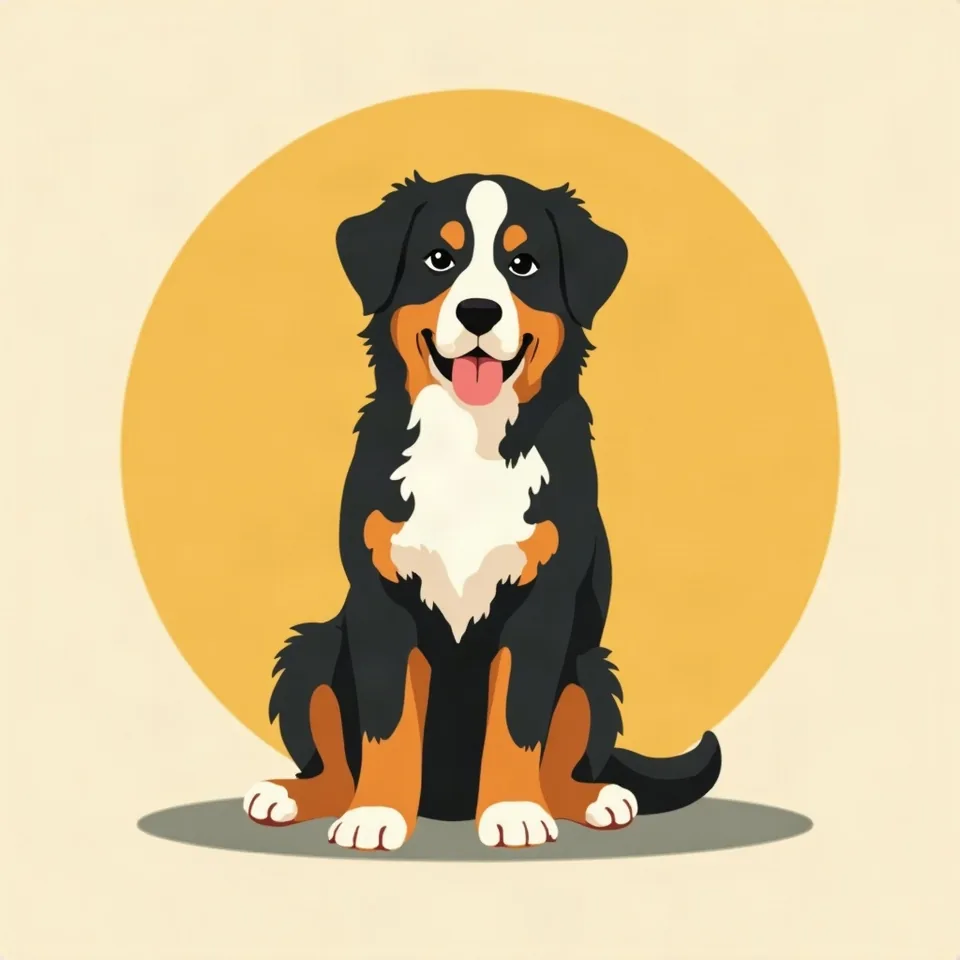
Bernese Mountain Dog
Giant · 36–50 kg · 7–10 years
The Bernese Mountain Dog is a giant breed with a short lifespan of 7 to 10 years and a high risk of cancer. Its diet has to manage two jobs at once: slow, controlled growth as a puppy, and preventing bloat and obesity as an adult.
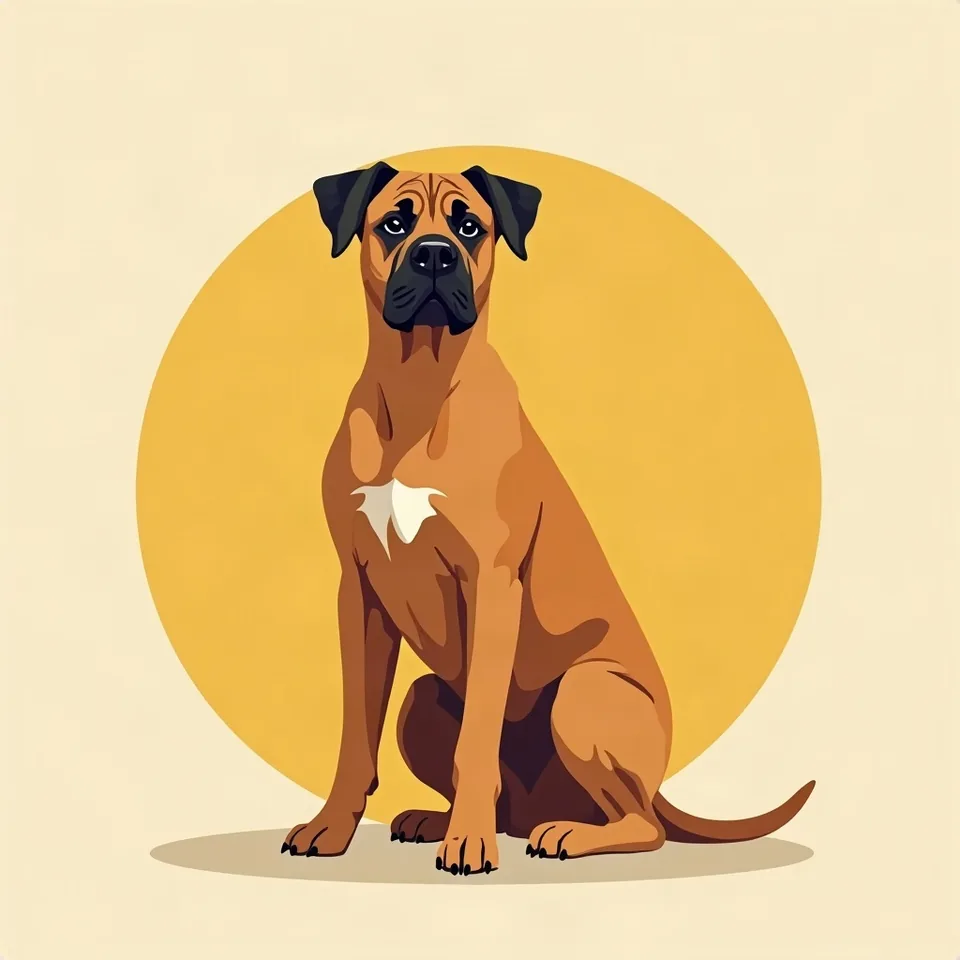
Cane Corso
Giant · 40–50 kg · 9–12 years
The Cane Corso is a massive Italian mastiff-type breed with rapid growth, making control of a puppy's growth rate and prevention of bloat essential. Its muscular build tempts owners into overfeeding, which needlessly strains joints already under pressure.
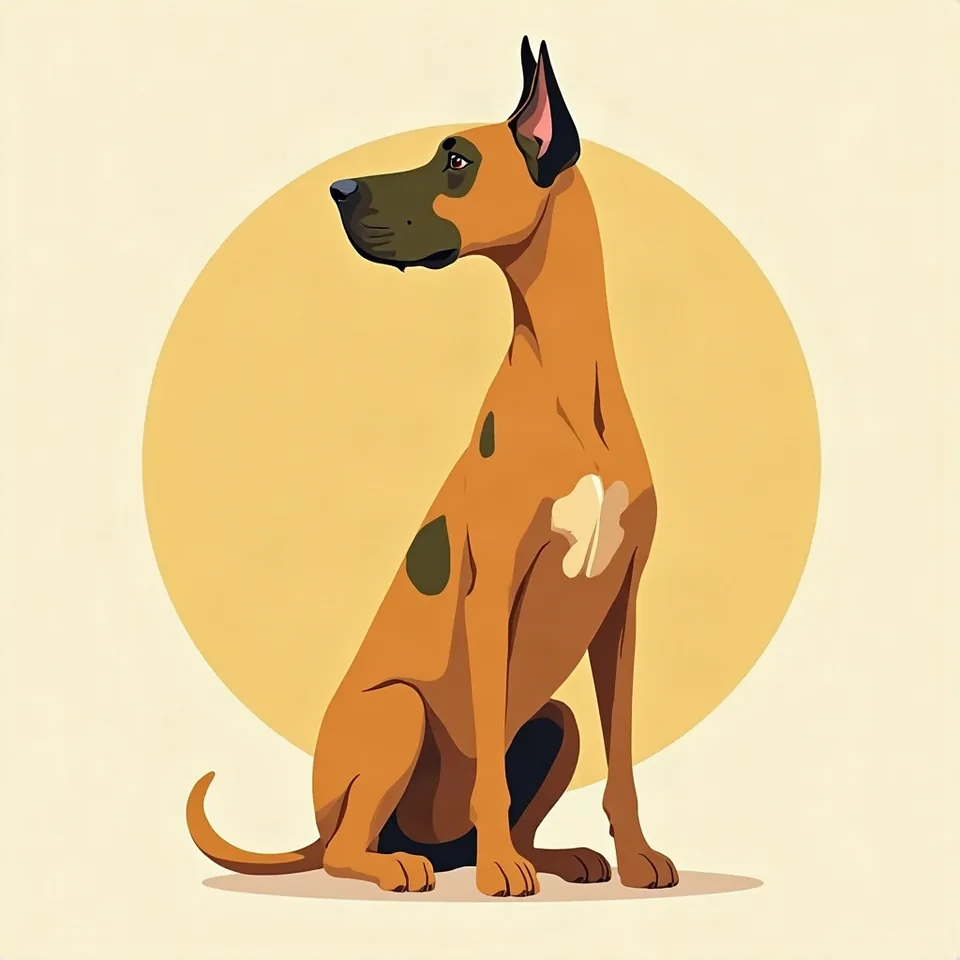
Great Dane
Giant · 45–90 kg · 7–9 years
The Great Dane carries the highest risk of bloat and stomach torsion of any dog breed. Feeding small meals several times a day and enforcing quiet time afterward isn't an optional tip here, it's a necessity. Just as critical is an extremely slow, controlled growth rate for a giant breed puppy.
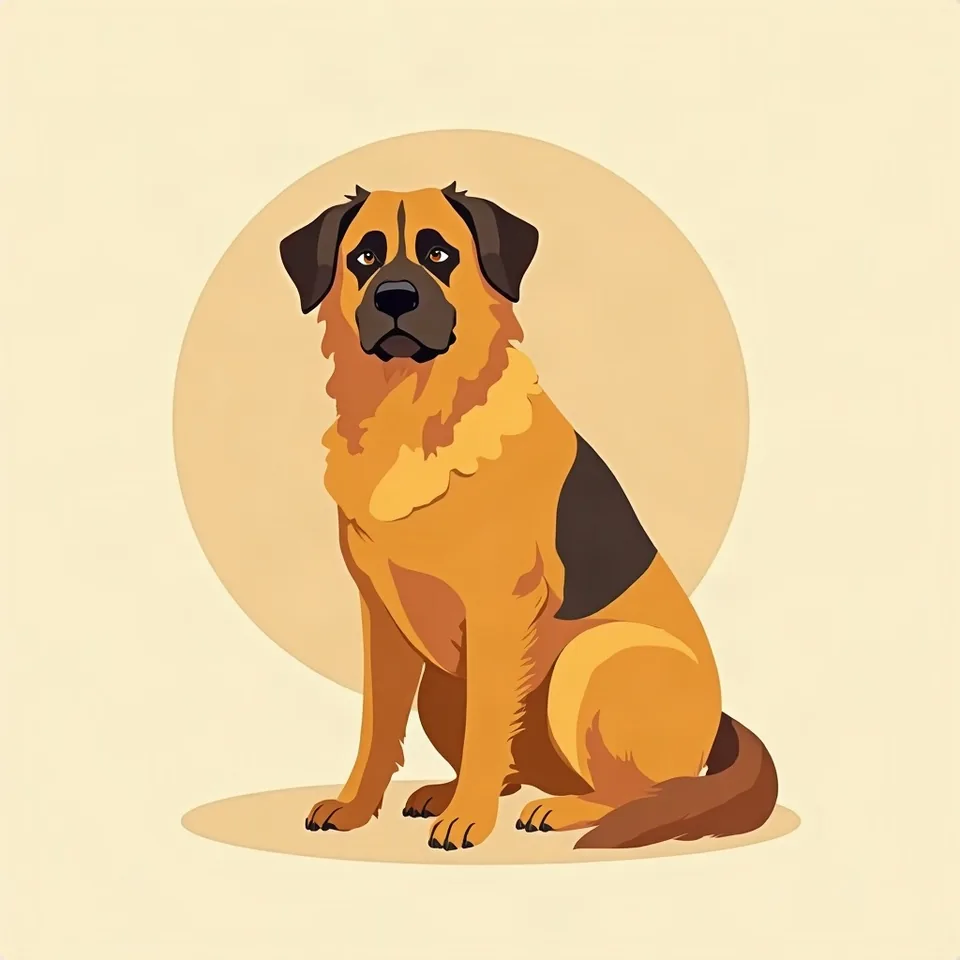
Leonberger
Giant · 45–77 kg · 7–9 years
The Leonberger is a massive giant breed with a short lifespan of just 7 to 9 years and an inherited nerve disease that can complicate eating. Nutrition has to support slow, controlled growth in a giant puppy and help prevent bloat, cancer, and obesity in adulthood.
Sources
- FCI standard no. 160: Irish Wolfhound
- WSAVA Global Nutrition Committee: Global Nutrition Guidelines
Last updated 2 September 2026.