Giant breed
Great Dane: feeding, nutrition and health
The Great Dane carries the highest risk of bloat and stomach torsion of any dog breed. Feeding small meals several times a day and enforcing quiet time afterward isn't an optional tip here, it's a necessity. Just as critical is an extremely slow, controlled growth rate for a giant breed puppy.
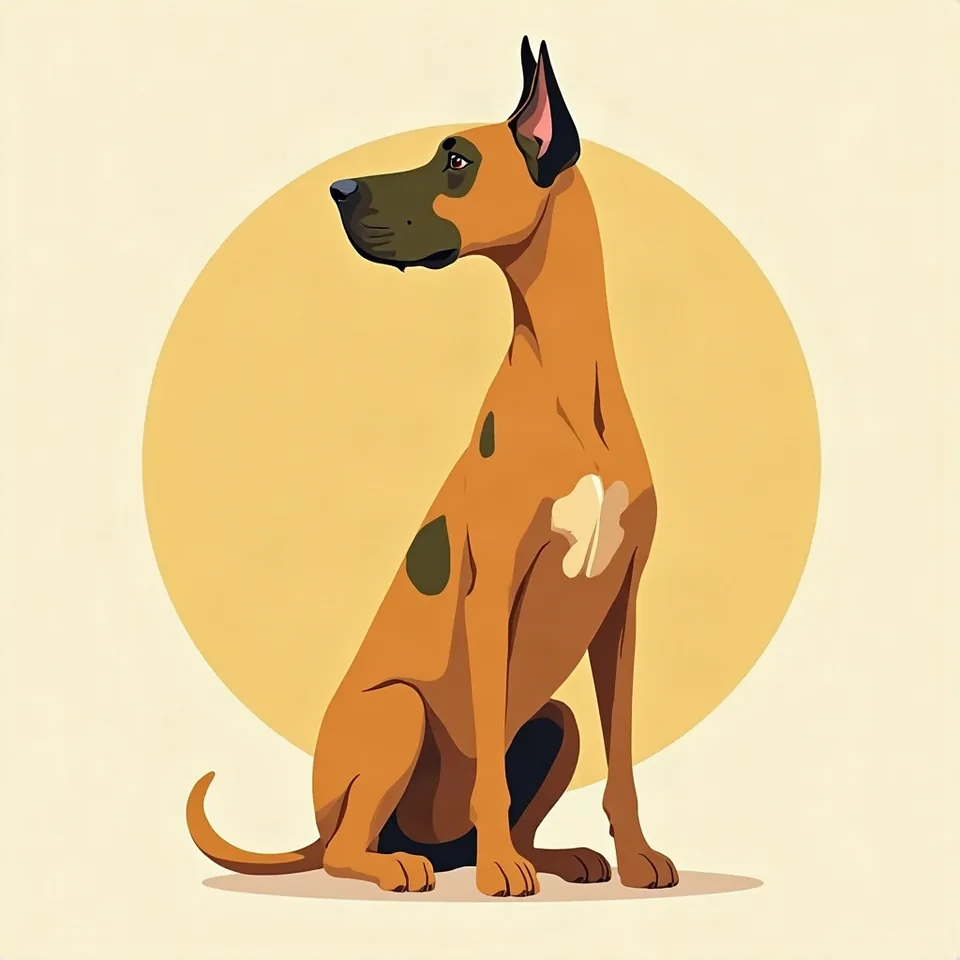
- Weight
- 45–90 kg99–198 lb
- Height
- 71–90 cm28–35 in
- Lifespan
- 7–9 yrs
- Size
- Giant
- Activity
- Moderate
- Adult at
- 24 months
- Senior from
- 5 yrs
- FCI group
- 2
How much food does a Great Dane need?
The calculator starts at the breed average of 67.5 kg (149 lb). Put in your own dog's weight and the energy figure from the bag.
On the bag this is the metabolisable energy (ME). If it is given per kg, divide by 10. If it is in kJ, divide by 4.184.
Daily portion
— g
— oz · range — g
Per meal
— g
2 meals a day
Energy
— kcal
resting need — kcal
Usage: — kg a month (a 12 kg bag lasts about — days)
Cost: — a month
The full explanation of the maths is on the food portion calculator.
Feeding a Great Dane: what matters
For a Great Dane, slow and steady puppy growth is the absolute priority. A giant breed food with a controlled calcium to phosphorus ratio and a moderate energy density prevents the kind of rapid weight gain that overloads growing joints, the spine, and the neck vertebrae.
An adult weighing 65 kg (143 lb) needs roughly 2,200 to 2,700 kcal a day depending on activity level, noticeably less energy per kilogram than smaller breeds need. Always split the daily amount into 2 to 3 smaller meals, never one large one, given this breed's extreme bloat risk. The food bowl should sit on the floor at normal height; raised bowls, once recommended as a way to prevent bloat, may actually increase the risk according to some research.
Given how common heart disease is in this breed, it's worth choosing food with demonstrably high quality animal protein and enough taurine. Cheap protein substitutes heavy in plant sources aren't a good fit here. The same caution applies to grain free recipes high in legumes, which have been linked to a higher risk of dilated cardiomyopathy in some breeds.
Protein in the food
23–28 %
dry matter, mostly animal
Fat in the food
10–14 %
dry matter, by activity
What to watch for
- Feeding around exercise: no running, play, or gulping large amounts of water within an hour of a meal in either direction.
- Puppy growth rate: weigh every 2 weeks and skip calcium supplements on top of a giant breed puppy food.
- Gulping food: use a slow feed bowl or split the daily ration into more, smaller meals.
- Heart health: given this breed's high rate of cardiomyopathy, choose a food with proven protein quality.
Practical feeding tips
- Split the daily ration into 2 to 3 meals fed at set times, never all at once.
- Use a giant breed puppy food formulated for slow growth until at least 24 months old.
- Track your puppy's weight and height regularly and compare them against the breed's growth curve.
- Give your dog at least an hour of rest after eating, with no exercise or play.
- Switch to a senior food that supports the heart and joints after age 5.
Feeding schedule by age
| Stage | Meals a day | Note |
|---|---|---|
| Puppy 8 to 12 weeks | 4x | Giant breed puppy food formulated for slow growth, small and frequent meals. |
| Puppy 3 to 8 months | 3-4x | The fastest growth phase; the puppy needs to stay lean, not chubby. |
| Junior 8 to 24 months | 3x | Continue with a giant breed food until skeletal growth is complete. |
| Adult 24 months to 5 years | 2-3x | Adult giant breed food, always split into multiple meals because of bloat risk. |
| Senior from 5 years | 2-3x | Lower energy density, support for the heart and joints, close monitoring of body condition. |
Health risks that diet affects
Bloat and gastric torsion (GDV)
The Great Dane has the highest risk of bloat and gastric dilatation volvulus of any breed, a condition that can be fatal within hours. Feeding 2 to 3 small meals a day rather than one large one, avoiding meals right before or after exercise, resting for an hour before and after eating, and using a slow feed bowl for dogs that gulp their food are all essential.
Dilated cardiomyopathy (DCM)
This breed has a high rate of heart disease. A diet built on quality animal protein with enough taurine matters most. Grain free formulas heavy in legumes call for extra caution and a conversation with your vet.
Wobbler syndrome
Instability in the neck vertebrae that puts pressure on the spinal cord, made worse in giant breeds by fast growth and puppy weight gain. Controlled, slow growth on a giant breed puppy food is the key prevention.
Osteosarcoma
A bone cancer with a high incidence in giant breeds with long limbs. There's no direct dietary prevention, but keeping a lean body condition for life reduces the overall strain on the body.
Growth disorders (HOD, panosteitis)
Painful conditions affecting the growing bones of fast growing giant breed puppies, directly linked to excess energy and calcium in the diet. A lean, slowly growing Great Dane puppy is a healthy puppy, not an underfed one.
Temperament and exercise
Despite its enormous size, the Great Dane is a calm, even tempered companion that doesn't need intense exercise. It still needs regular, longer walks, not just a few minutes of running around the yard.
Rapid gains in height and weight during the first year place extreme demands on controlling energy and calcium in the diet. A Great Dane doesn't finish growing its skeleton until around 24 months, and until then it needs to grow slowly rather than as fast as possible.
A deep, narrow chest means that how you feed this breed, how many meals, how fast the dog eats, how much rest follows a meal, becomes a matter of survival, not just comfort.
Coat: Short, dense, glossy coat that lies flat against the body. Colors include fawn, brindle, blue, black, and harlequin.
Common questions about feeding a Great Dane
How much should a Great Dane weigh?
The FCI standard only sets a minimum: at least 54 kg (119 lb) for males and 45 kg (99 lb) for females. In practice, adult dogs range from about 55 to 90 kg (121 to 198 lb) depending on sex and bloodline. Body condition, with rib bones you can feel and a visible waist, matters more than the number on the scale.
How much food does a Great Dane need per day?
An adult weighing 65 kg (143 lb) with average activity needs roughly 2,200 to 2,700 kcal a day, which works out to about 630 to 770 g (22 to 27 oz) of a typical kibble (350 kcal/100 g), split into 2 to 3 meals. Always feed according to your dog's actual weight and activity level, not a guess.
What's the best food for a Great Dane?
A giant breed formula built for slow growth, with 23 to 28% protein, 10 to 14% fat, and a controlled calcium to phosphorus ratio. Given this breed's heart disease risk, choose a food with quality animal protein sources and enough taurine.
How long do Great Danes live?
The average lifespan is just 7 to 9 years, among the shortest of any breed. The leading causes are bloat and heart disease. Feeding small portions correctly and providing quality nutrition are among the most effective things an owner can control.
Why is a Great Dane's bloat risk so high?
The combination of extreme height, a deep and narrow chest, and rapid growth makes the Great Dane the breed at highest risk of bloat and gastric torsion of all dogs. Feeding 2 to 3 small meals a day and resting for an hour after eating both reduce the risk.
When should a Great Dane switch to adult food?
Usually between 22 and 24 months, once skeletal growth is complete. There's no benefit to rushing this with a giant breed; switching to an energy dense adult food too early can disrupt slow, steady skeletal growth and raise the risk of Wobbler syndrome.
Breeds of a similar size
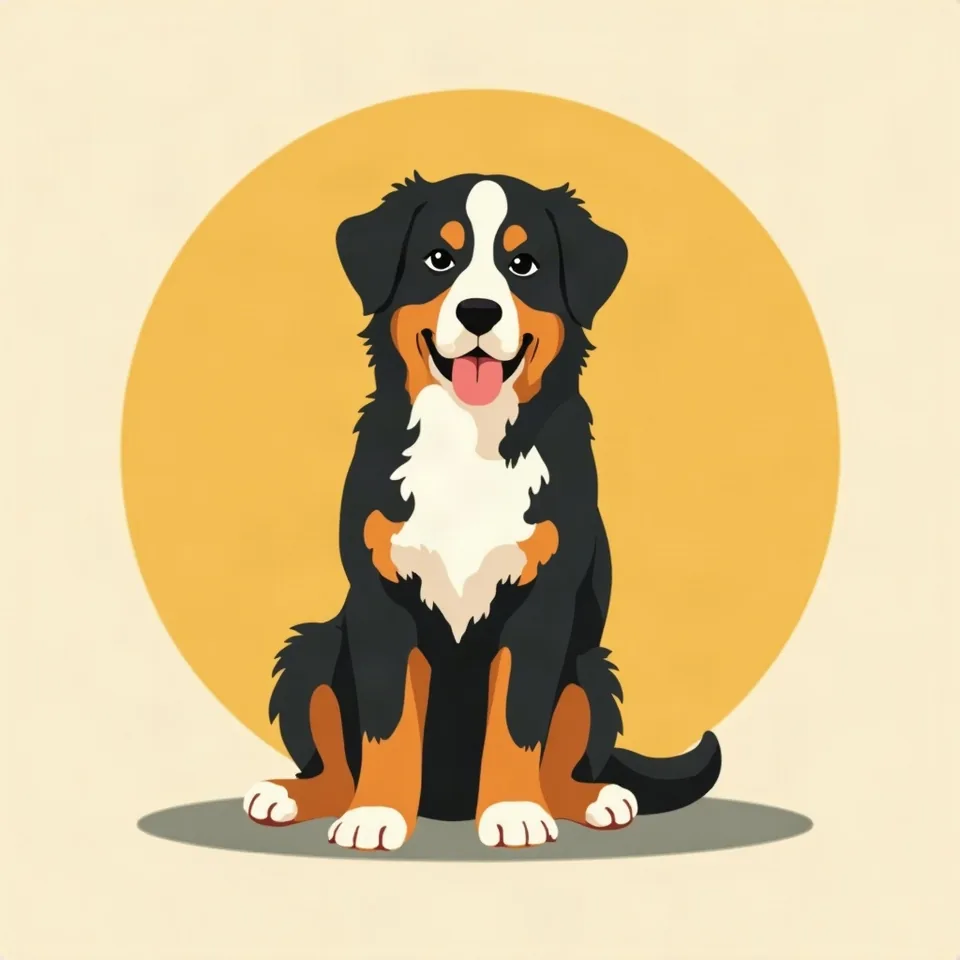
Bernese Mountain Dog
Giant · 36–50 kg · 7–10 years
The Bernese Mountain Dog is a giant breed with a short lifespan of 7 to 10 years and a high risk of cancer. Its diet has to manage two jobs at once: slow, controlled growth as a puppy, and preventing bloat and obesity as an adult.
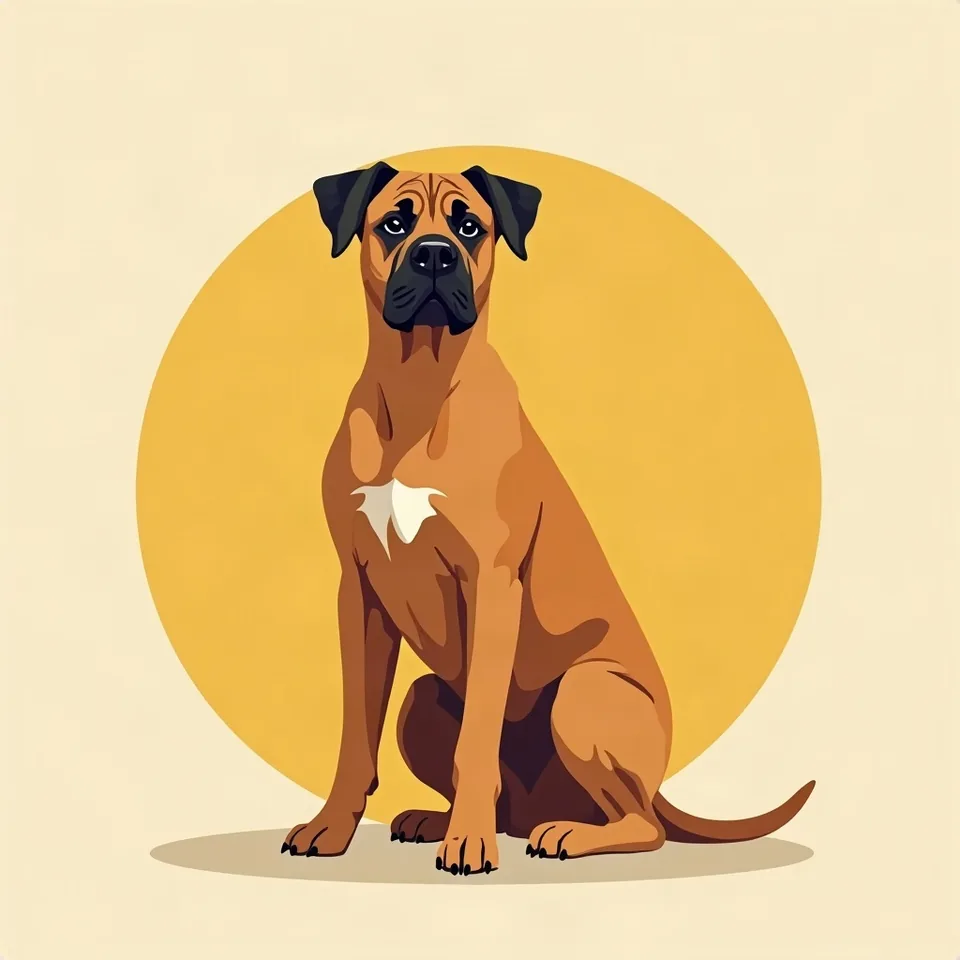
Cane Corso
Giant · 40–50 kg · 9–12 years
The Cane Corso is a massive Italian mastiff-type breed with rapid growth, making control of a puppy's growth rate and prevention of bloat essential. Its muscular build tempts owners into overfeeding, which needlessly strains joints already under pressure.
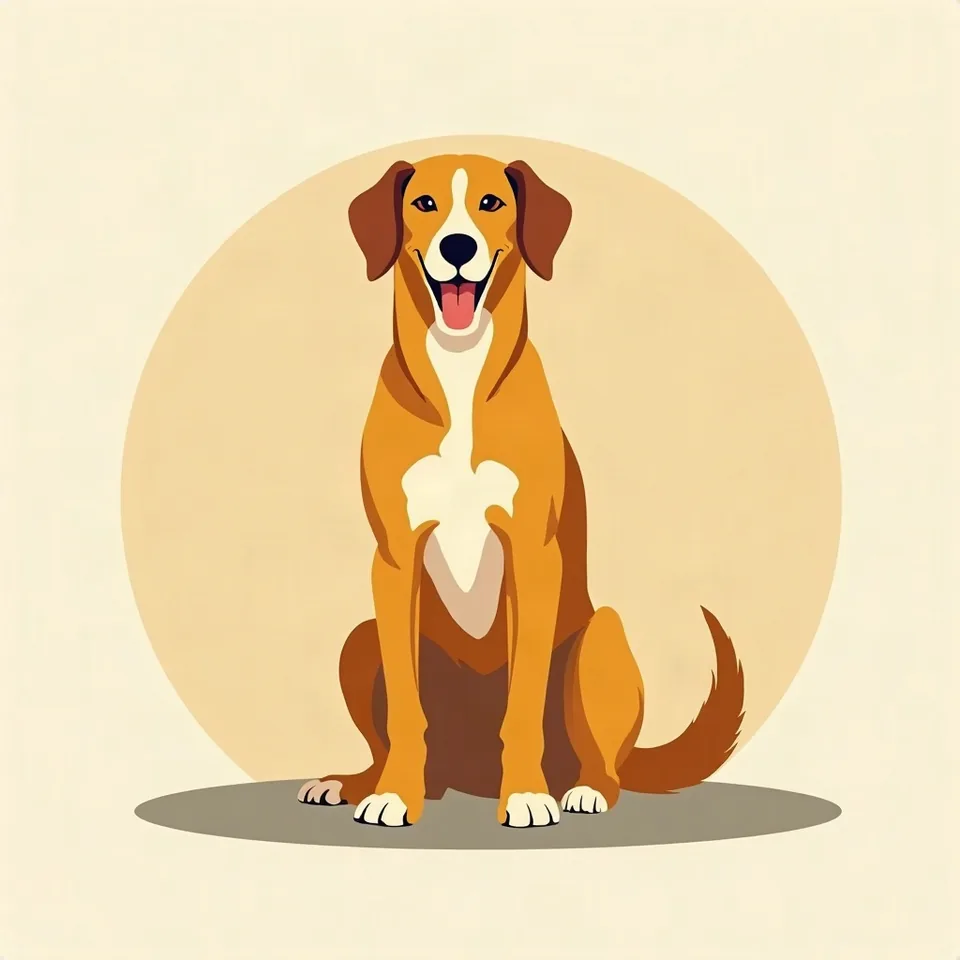
Irish Wolfhound
Giant · 40–70 kg · 6–8 years
The Irish Wolfhound is the tallest breed in the world, and also one of the shortest-lived, at just 6 to 8 years. Its diet has to manage an extremely slow-growing giant puppy, protect the heart from cardiomyopathy, and prevent bloat in the deepest-chested breed of all dogs.
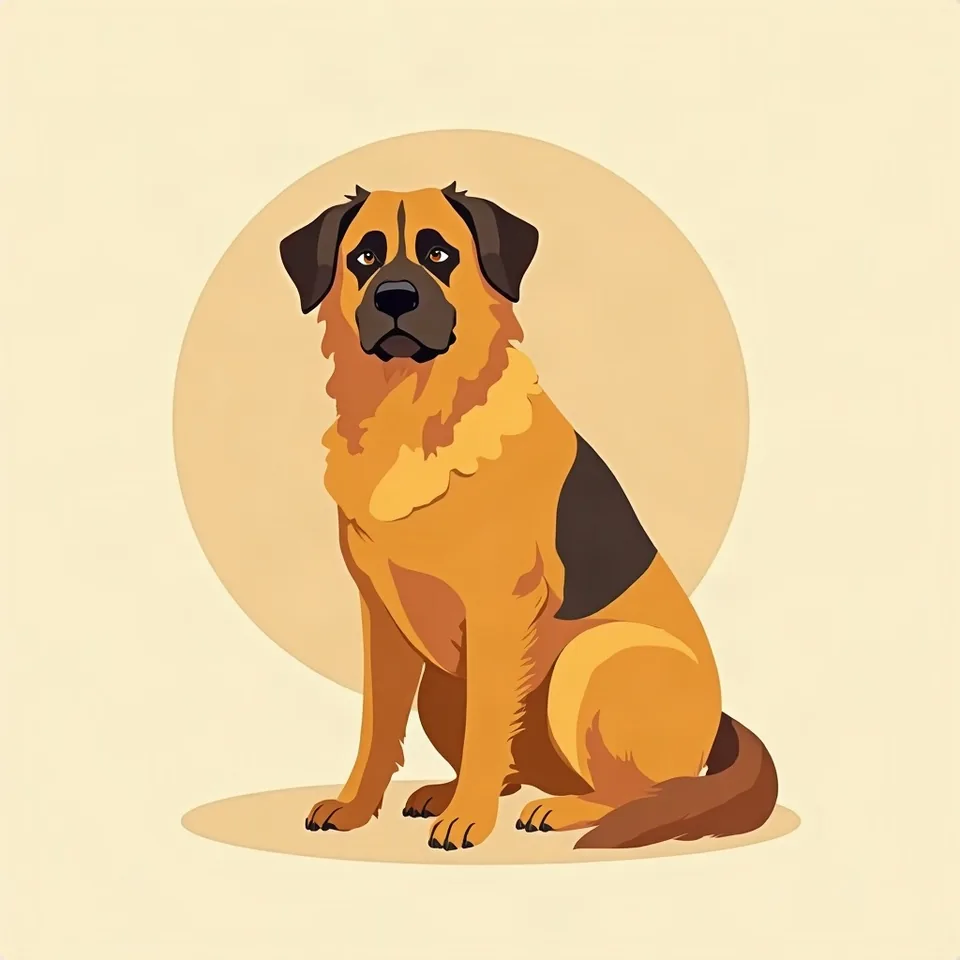
Leonberger
Giant · 45–77 kg · 7–9 years
The Leonberger is a massive giant breed with a short lifespan of just 7 to 9 years and an inherited nerve disease that can complicate eating. Nutrition has to support slow, controlled growth in a giant puppy and help prevent bloat, cancer, and obesity in adulthood.
Sources
- FCI standard no. 235: Great Dane
- WSAVA Global Nutrition Guidelines
Last updated 2 September 2026.