Medium breed
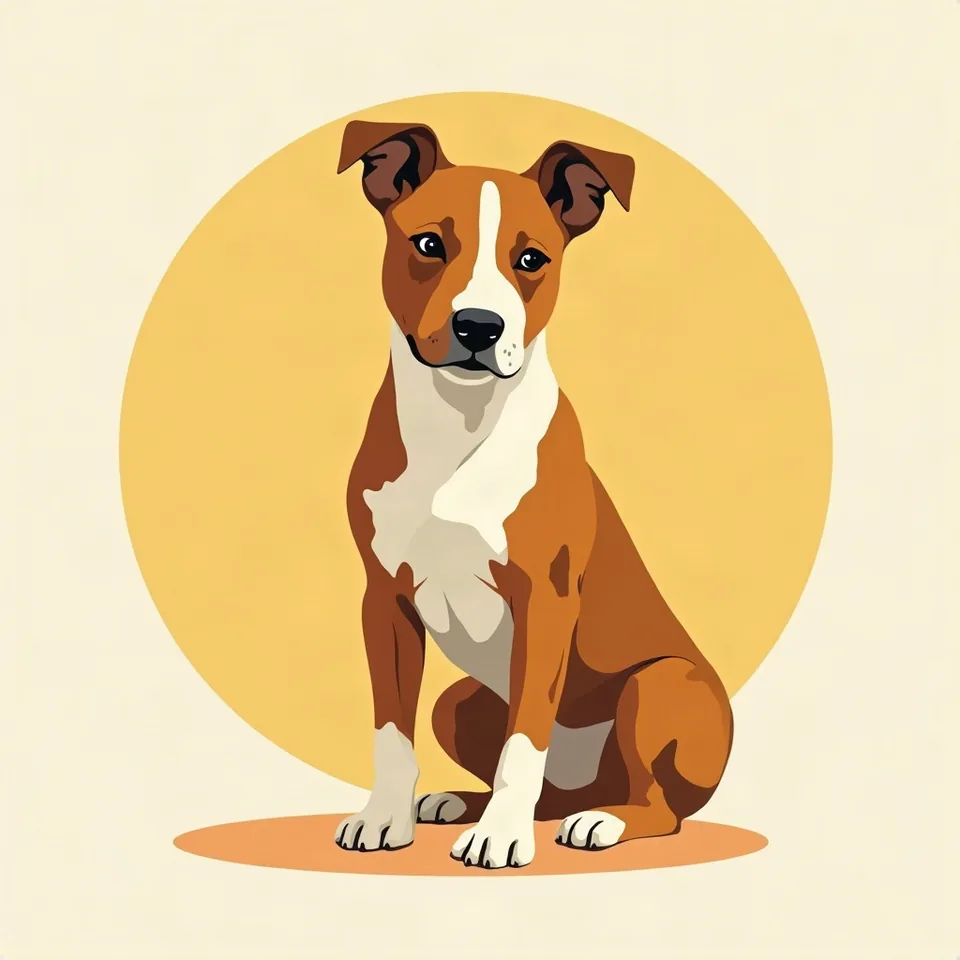
Staffordshire Bull Terrier: feeding, nutrition and health
The Staffordshire Bull Terrier is a muscular, food-driven dog prone to obesity and skin allergies. Here's how much one should weigh, how to recognize the risk of the inherited condition L-2-HGA, and why portion control, more than any specific kibble brand, is what protects this breed's joints and skin.
- Weight
- 11–17 kg24–37 lb
- Height
- 33–41 cm13–16 in
- Lifespan
- 12–14 yrs
- Size
- Medium
- Activity
- High
- Adult at
- 12 months
- Senior from
- 8 yrs
- FCI group
- 3
How much food does a Staffordshire Bull Terrier need?
The calculator starts at the breed average of 14 kg (31 lb). Put in your own dog's weight and the energy figure from the bag.
On the bag this is the metabolisable energy (ME). If it is given per kg, divide by 10. If it is in kJ, divide by 4.184.
Daily portion
— g
— oz · range — g
Per meal
— g
2 meals a day
Energy
— kcal
resting need — kcal
Usage: — kg a month (a 12 kg bag lasts about — days)
Cost: — a month
The full explanation of the maths is on the food portion calculator.
Feeding a Staffordshire Bull Terrier: what matters
The Staffordshire Bull Terrier needs food with plenty of quality animal protein to maintain muscle mass, but without excess fat, since its energy expenditure is lower than its muscular build would suggest. Save high-energy 'active dog' formulas for dogs that are demonstrably sport- or work-conditioned.
Because this breed is extremely food-motivated, training with treats can easily throw off the energy balance. It's best to reward with part of the daily kibble ration instead of extra treats, or to count treats into the total daily intake. Otherwise, for such a food-driven dog, the excess calories add up quietly but reliably within a few weeks.
For dogs with skin problems, food with a higher omega-3 content and one clearly defined protein source is worth it. It makes any later elimination-diet diagnosis easier if a food allergy is suspected, and supports skin healing during an active flare-up.
Protein in the food
24–28 %
dry matter, mostly animal
Fat in the food
12–16 %
dry matter, by activity
What to watch for
- Excess weight masked by a muscular build - check body condition by feeling the ribs, not by looking.
- Too many training treats - in this highly motivated breed, they can easily add up to tens of percent of daily intake.
- Skin allergies to common proteins (chicken, beef) - consider an elimination diet for chronic itching.
- Sudden energy swings in dogs with L-2-HGA - keep a regular, balanced feeding routine.
Practical feeding tips
- Check body condition by feeling the ribs monthly - more reliable in this breed than judging by silhouette.
- Deduct training rewards from the daily kibble ration, or use small pieces of vegetable instead.
- Feed twice a day and avoid free access to food throughout the day.
- For chronic itching, try an 8-week elimination diet with one new protein source under your vet's guidance.
- For active, sport-conditioned dogs (agility, conditioning shows), raise the ration only on days of real exertion, not permanently.
Feeding schedule by age
| Stage | Meals a day | Note |
|---|---|---|
| Puppy 8 to 12 weeks | 4x | Food for medium-breed puppies with a balanced ratio of protein and energy. |
| Puppy 3 to 6 months | 3x | Watch that the puppy stays lean - rapid weight gain strains the joints. |
| Junior 6 to 12 months | 2x | Gradual transition to adult food, adjusting the ration to body condition. |
| Adult 1 to 8 years | 2x | Moderate-fat food, with regular weight checks and ribs felt by hand. |
| Senior from 8 years | 2x | Lower energy density, quality protein to maintain muscle mass, and joint support. |
Health risks that diet affects
Allergies and skin problems
The breed has an increased rate of atopic dermatitis and food allergies, showing up as itching, paw licking, and skin infections. For chronic problems, an elimination diet with one new protein source and food rich in omega-3 fatty acids is recommended.
L-2-hydroxyglutaric aciduria (L-2-HGA)
An inherited neurometabolic disorder specific to this breed, causing coordination problems and seizures. It doesn't respond directly to diet, but affected dogs should avoid extreme exertion and sudden swings in energy intake, which can worsen symptoms. A genetic test exists and breeding dogs should have it.
Inherited cataracts
Clouding of the eye lens with a genetic basis that's tested for in the breed. No direct link to diet has been proven, but antioxidants (vitamin E, C) in quality food support overall eye health.
Patellar luxation
A slipping kneecap affects this muscular breed too, especially with excess weight, which increases load on the knee joint. Keeping a lean body condition from puppyhood is the simplest way to prevent symptoms from worsening.
Obesity
High food motivation combined with a muscular build that visually masks excess weight makes the staffie one of the breeds most prone to quietly gaining weight. Regular weigh-ins and checking the ribs by hand matter more in this breed than in visibly leaner ones.
Temperament and exercise
The Staffordshire Bull Terrier is tenacious, playful, and extremely food-motivated, a trait that makes training easy but feeding risky. This dog will work for a treat almost endlessly, so rewards need to be counted into the total daily ration.
A muscular, compact build means high weight relative to height. A 'staffie' can often look lean even when carrying excess weight, since fat gets stored under dense muscle. Checking the ribs by hand is therefore more reliable than checking by eye.
This breed needs 45 to 60 minutes of active exercise a day, or it channels excess energy and frustration into overeating and destructive behavior. An active staffie can handle a few more calories than a couch-bound dog of the same weight.
Coat: Short, smooth, dense, and glossy coat lying close to the body; low-maintenance and sheds lightly.
Common questions about feeding a Staffordshire Bull Terrier
How much should a Staffordshire Bull Terrier weigh?
Under the FCI standard, an adult weighs 11 to 17 kg (24.3 to 37.5 lb) and stands 36 to 41 cm (14.2 to 16.1 in) at the withers (females 33 to 38 cm / 13 to 15 in), though the muscular build can make one look lighter than it is. Check condition by feeling the ribs, since excess weight hides easily under muscle in this breed.
How much food does a staffie need per day?
An adult staffie weighing 15 kg (33.1 lb) with normal activity needs roughly 800 to 950 kcal a day, which for typical kibble (350 to 370 kcal/100 g) works out to about 220 to 260 g split into two meals. A neutered or less active dog needs about 20 to 30 percent less.
What is the best food for a Staffordshire Bull Terrier?
Food with a moderate fat content (12 to 16 percent dry matter) and quality animal protein to maintain muscle mass. If the dog is prone to skin problems, food with a higher omega-3 content and one clearly defined protein source is worth choosing over a formula blending several meat sources.
How long do Staffordshire Bull Terriers live?
Typically 12 to 14 years. The most common factor that shortens both lifespan and quality of life is unmanaged obesity, since excess weight strains joints prone to patellar luxation and raises the risk of other health complications.
What is L-2-HGA and does diet affect it?
L-2-hydroxyglutaric aciduria is an inherited neurometabolic disorder specific to this breed, causing coordination problems and seizures. Diet doesn't cause or treat it, but affected dogs benefit from a regular, balanced feeding routine without sudden energy swings. Breeding dogs should have the genetic test.
Why does a staffie gain weight so easily?
A combination of extreme food motivation, low resting energy expenditure, and a muscular build that visually hides excess weight makes this breed one of the most prone to quietly gaining weight. Regular weigh-ins, deducting treats from the daily ration, and monthly rib checks by hand all help.
Breeds of a similar size
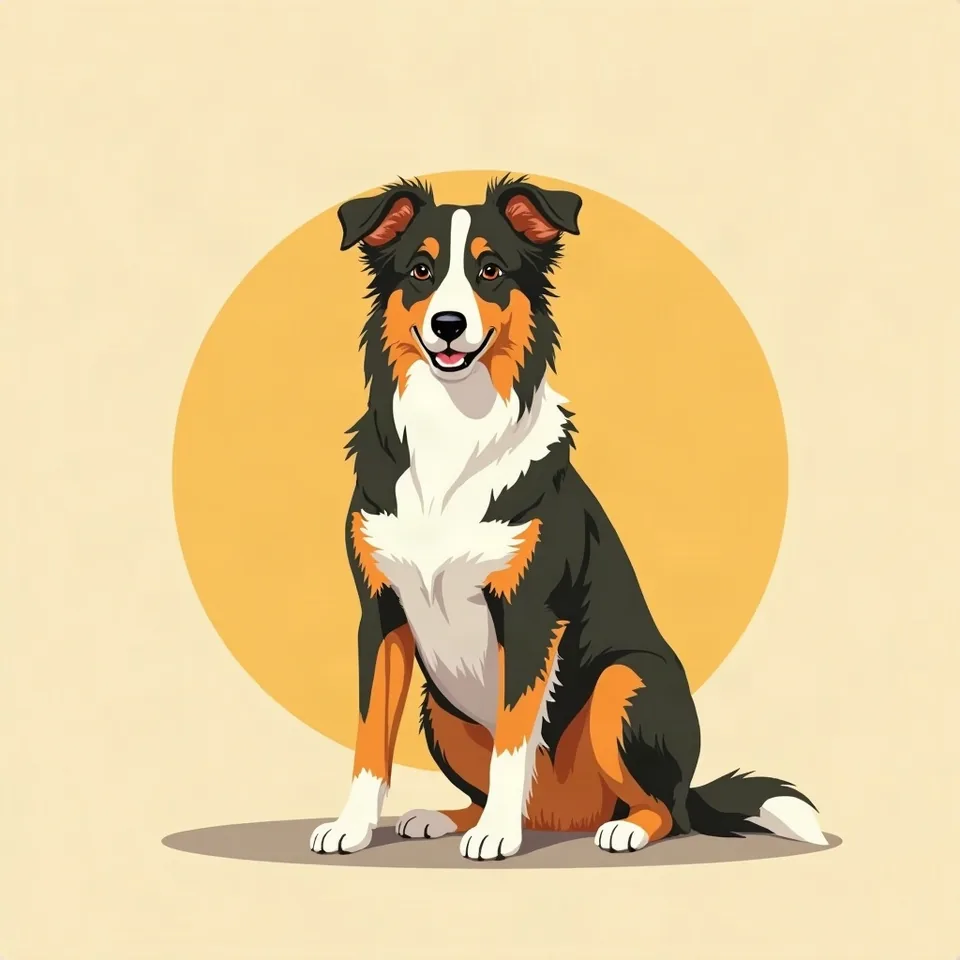
Australian Shepherd
Medium · 16–32 kg · 12–15 years
The Australian Shepherd is a working herding dog with enormous exercise and calorie needs, but also a breed with a well-known genetic sensitivity to certain drugs. Here's how to feed an Aussie according to its actual energy output, and what to watch for with the MDR1 gene mutation and a tendency toward epilepsy.
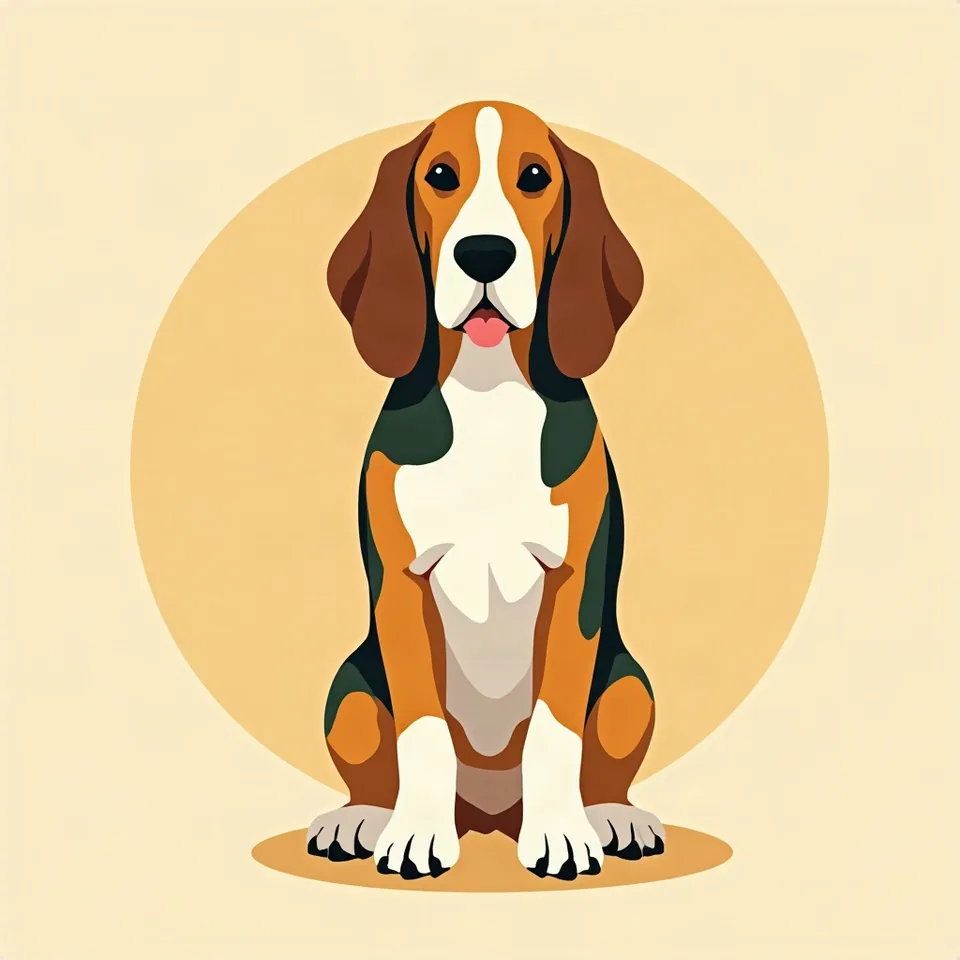
Basset Hound
Medium · 20–29 kg · 10–12 years
The Basset Hound is a low-slung, heavy dog with minimal natural drive to move, and even mild excess weight puts serious strain on its long back and joints. Here's how much a Basset should weigh, why portion control matters more for this breed than almost any other, and how to lower the risk of a slipped disc.
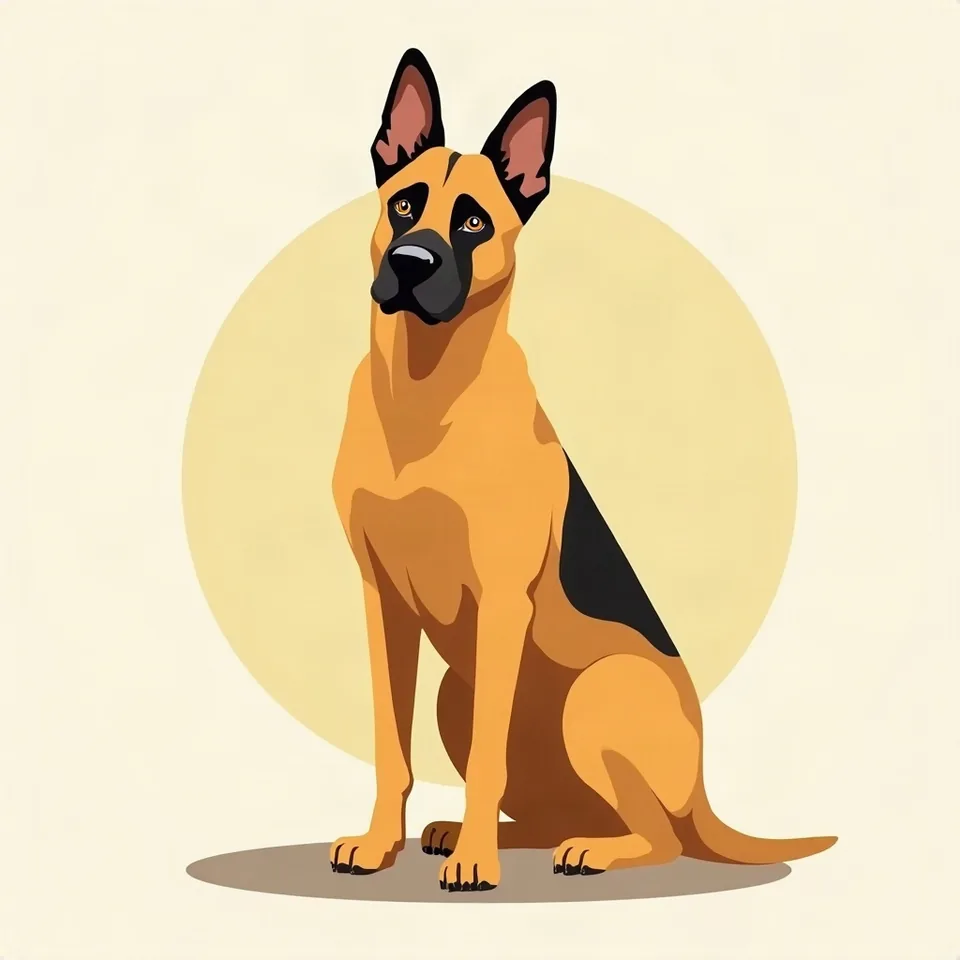
Belgian Malinois
Medium · 20–30 kg · 12–14 years
The Belgian Malinois is a working breed with extremely high energy needs and a digestive system that's sensitive to stress. Here's how much energy an active versus a companion Malinois actually needs, how to prevent bloat, and why a poorly judged ration hurts both performance and health in this breed.
Border Collie
Medium · 12–22 kg · 12–15 years
The Border Collie is the most hardworking herding breed, with energy needs that can differ by tens of percent depending on lifestyle. Here's how to portion food according to actual workload, what to watch for with drug sensitivity (MDR1), and how to support the joints of dogs active in sport.
Sources
- FCI standard no. 76: Staffordshire Bull Terrier
- WSAVA Global Nutrition Committee: Global Nutrition Guidelines
Last updated 2 September 2026.