Small breed
Shetland Sheepdog: feeding, nutrition and health
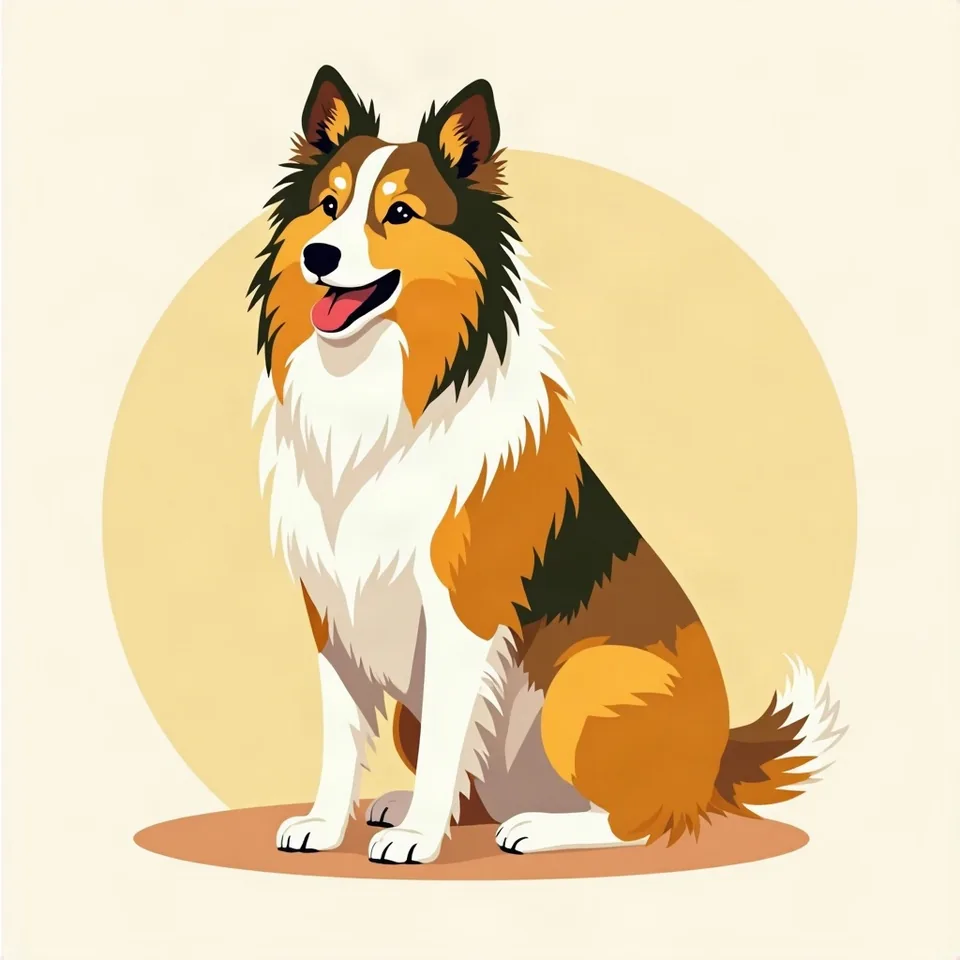
The Shetland Sheepdog is a small, lively herding breed with a dense coat that hides excess weight all too easily, and a higher rate of thyroid problems. Here's how much a Sheltie should weigh, how diet connects to dermatomyositis and gallbladder mucocele, and what to watch for in this genetically sensitive breed.
- Weight
- 6–12 kg13–26 lb
- Height
- 33–40 cm13–16 in
- Lifespan
- 12–14 yrs
- Size
- Small
- Activity
- High
- Adult at
- 12 months
- Senior from
- 9 yrs
- FCI group
- 1
How much food does a Shetland Sheepdog need?
The calculator starts at the breed average of 9 kg (20 lb). Put in your own dog's weight and the energy figure from the bag.
On the bag this is the metabolisable energy (ME). If it is given per kg, divide by 10. If it is in kJ, divide by 4.184.
Daily portion
— g
— oz · range — g
Per meal
— g
2 meals a day
Energy
— kcal
resting need — kcal
Usage: — kg a month (a 12 kg bag lasts about — days)
Cost: — a month
The full explanation of the maths is on the food portion calculator.
Feeding a Shetland Sheepdog: what matters
As a small but energetic herding breed, the Sheltie needs a food with enough quality protein to maintain muscle mass and fuel a full day of activity, but without excess fat that could easily tip such a small dog into weight gain.
Given the breed's higher rate of hypothyroidism and gallbladder mucocele, a moderate fat content in the food and tracking weight over time both pay off. Sudden or unexplained weight gain despite an unchanged ration is reason enough to have a Sheltie's thyroid checked by a vet.
The dense coat hides body condition the same way it does on a Collie, so it's especially important to check a Sheltie's condition by regularly feeling the ribs, not just looking. In dogs with dermatomyositis, a good supply of omega-3 fatty acids also helps support the skin alongside veterinary treatment.
Protein in the food
24–28 %
dry matter, mostly animal
Fat in the food
14–18 %
dry matter, by activity
What to watch for
- Excess weight hides under the dense coat - check body condition by feel on a regular basis, not just by eye.
- Unexplained weight gain with no change to the diet can be a sign of hypothyroidism.
- A high-fat food is a concern for dogs at risk of gallbladder mucocele - choose a more moderate formula.
- A small daily portion means even one extra treat can make up a significant share of daily calories.
Practical feeding tips
- Weigh your dog and check the ribs by feel on a regular schedule - the coat easily distorts how weight looks.
- If your dog gains weight for no clear reason, have thyroid function checked.
- Provide enough omega-3 fatty acids to support skin and coat health.
- Subtract treats from the day's kibble ration - on a small dog they make up a meaningful share of total calories.
- Have your dog genetically tested for the MDR1 mutation and share the result with your vet before any medication is given.
Feeding schedule by age
| Stage | Meals a day | Note |
|---|---|---|
| Puppy 8 to 12 weeks | 4x | Small-breed puppy food with a balanced protein and fat content. |
| Puppy 3 to 6 months | 3x | Track growth rate by feel, since the coat visually distorts body condition. |
| Junior 6 to 12 months | 2x | Gradual transition to adult small-breed food. |
| Adult 1 to 9 years | 2x | A moderate-fat food, with regular weight checks under the coat. |
| Senior from 9 years | 2x | Lower energy density, with monitoring of thyroid function and weight. |
Health risks that diet affects
Hypothyroidism
An underactive thyroid is one of the more common endocrine disorders in Shelties and shows up as weight gain, lethargy, and a duller coat even without any change to the diet. If a dog gains weight for no clear reason despite a reasonable ration, it's worth having thyroid hormones checked.
MDR1 gene mutation
Like the Collie it's related to, the Sheltie can carry the MDR1 gene mutation, which increases sensitivity to certain drugs, including ivermectin. It has nothing to do with diet directly, but it's worth having your dog genetically tested and telling your vet before any antiparasitic treatment.
Dermatomyositis
An inflammatory autoimmune disease affecting the skin and muscles, genetically linked in Shelties and typically appearing in young dogs as skin lesions and muscle weakness. Treatment is a veterinary matter, but a good supply of omega-3 fatty acids can offer supportive anti-inflammatory benefits alongside standard therapy.
Gallbladder mucocele
Shelties show an increased rate of abnormally thick bile building up in the gallbladder, which can cause it to rupture and become an acute, life-threatening emergency. A link to high-fat diets or endocrine disorders like hypothyroidism is debated, so predisposed dogs are generally advised to eat a moderate-fat diet and have regular veterinary checkups.
Obesity
Small size combined with a dense coat that visually masks weight gain makes the Sheltie prone to quietly putting on pounds. Regular weigh-ins and hands-on rib checks matter more for this breed than for short-coated breeds of similar size.
Temperament and exercise
The Sheltie is intelligent, lively, and hard-working, with a high need for both exercise and mental stimulation despite its small size. Without enough stimulation it gets bored easily, which in this breed often shows up as overeating or barking at the food bowl.
The dense, long coat is very good at hiding early weight gain, much like it does on the larger Collie, of which the Sheltie is essentially a scaled-down version. Checking body condition by eye simply doesn't work reliably on this breed, so it has to be verified by feel.
A small daily portion means it only takes a few extra grams a day for a Sheltie to develop excess weight over a few months. The breed is also sensitive to stress, which can show up as a fluctuating appetite.
Coat: A long, dense double coat with a prominent mane, resembling a scaled-down Collie. Sheds heavily and needs regular brushing.
Common questions about feeding a Shetland Sheepdog
How much should a Shetland Sheepdog weigh?
The typical range is about 6 to 12 kg (13 to 26 lb) at a height of 33 to 40 cm (13 to 15.7 in) at the withers. The dense coat hides both excess and insufficient weight well, so it's more reliable to check body condition by feeling the ribs than by looking.
How much food does a Shetland Sheepdog need per day?
An adult Sheltie weighing around 9 kg (20 lb) with average activity needs roughly 380 to 460 kcal a day, which works out to about 100 to 125 g of typical kibble (370 kcal/100 g) split into two meals. A less active or older dog needs somewhat less.
What is the best food for a Shetland Sheepdog?
A small-breed food with enough quality protein and a moderate fat content (14 to 18 percent on a dry-matter basis), with added omega-3 fatty acids to support skin and coat. Given the breed's risk of gallbladder mucocele, avoid extremely high-fat formulas.
How long do Shetland Sheepdogs live?
The Sheltie typically lives 12 to 14 years, putting it among the longer-lived small-to-medium breeds. Quality and length of life are most affected by catching thyroid disorders early and keeping the dog lean, something the dense coat can easily disguise.
What is gallbladder mucocele, and is it related to diet?
It's a buildup of abnormally thick, gel-like bile in the gallbladder that affects more Shelties than most other breeds and can lead to rupture. A link to high-fat diets and endocrine disorders like hypothyroidism is debated, so predisposed dogs are generally advised to eat a moderate-fat food and be monitored by a vet.
Why does a Sheltie gain weight so easily under its coat?
The combination of small size, a dense long coat that visually masks weight gain, and a higher rate of hypothyroidism makes the Sheltie prone to quietly putting on pounds. Regular weigh-ins, feeling the ribs by hand, and a thyroid check if the weight gain has no clear explanation all help catch it early.
Breeds of a similar size
Beagle
Small · 9–11 kg · 12–15 years
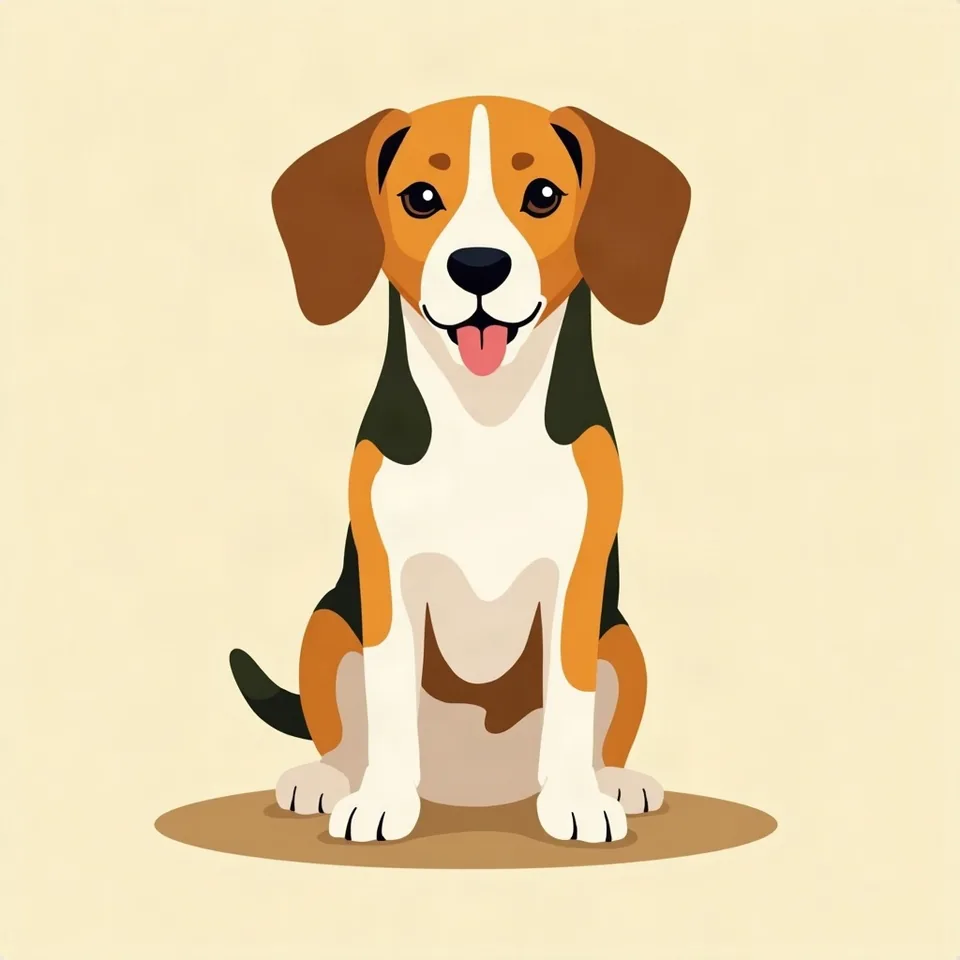
The Beagle is a scent-obsessed hound that will eat practically anything it finds, which makes it one of the breeds most prone to excess weight. Here's how precise portioning and smart feeding can prevent the obesity that shortens a Beagle's active life more than anything else.
Cavalier King Charles Spaniel
Small · 5.4–8 kg · 9–14 years
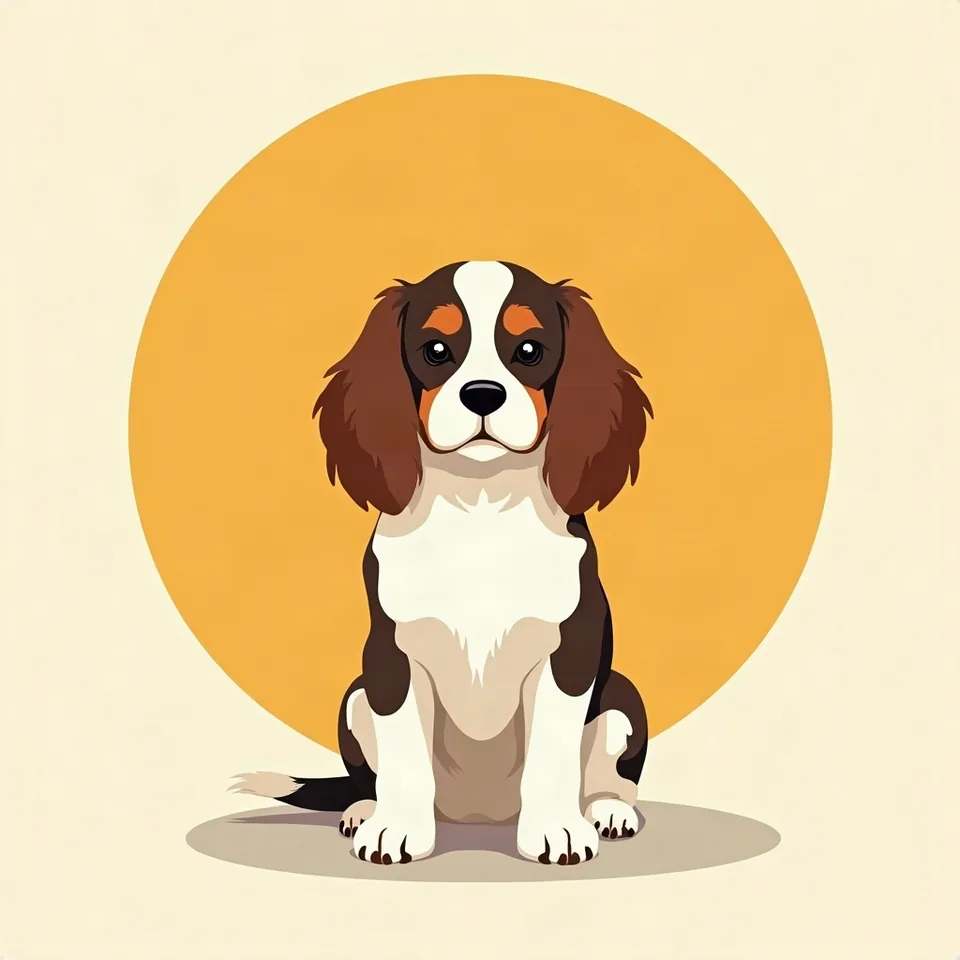
The Cavalier King Charles Spaniel is a small, affectionate breed with an unusually high risk of heart valve disease, a condition that excess weight directly worsens. Here's how precise feeding keeps a Cavalier lean and eases the strain on both its heart and a skull prone to syringomyelia.
Dachshund
Small · 7–14 kg · 12–16 years
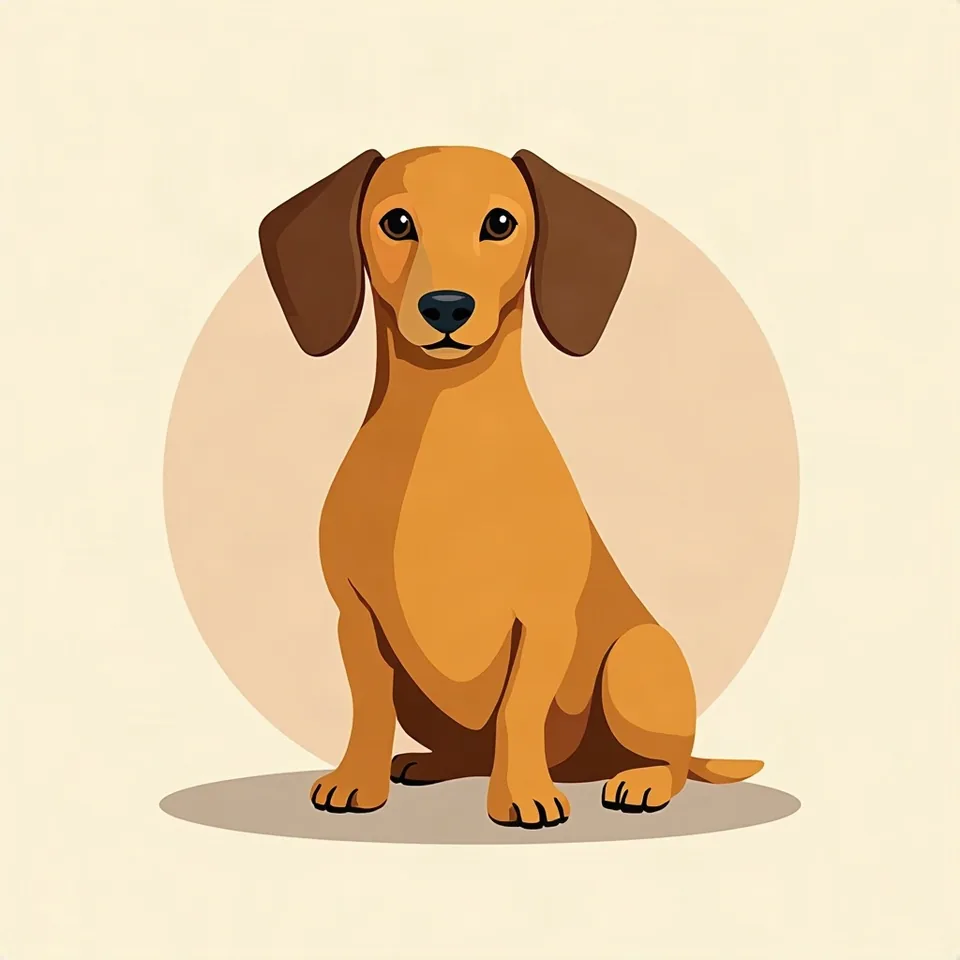
The Dachshund's long back carries a high risk of intervertebral disc disease, and even a little extra weight makes that risk dramatically worse. Here's how precise feeding keeps a Dachshund lean and protects its sensitive spine for life.
French Bulldog
Small · 8–14 kg · 9–11 years
The French Bulldog is a brachycephalic breed in which even mild overweight noticeably worsens breathing and adds strain to a spine already prone to disc herniation. Here's how precise portioning and an easily digestible food keep a French Bulldog lean and healthy.
Sources
- FCI standard no. 88: Shetland Sheepdog (Sheltie)
- WSAVA Global Nutrition Committee: Global Nutrition Guidelines
Last updated 2 September 2026.