Medium breed
Siberian Husky: feeding, nutrition and health
The Siberian Husky is an endurance sled dog with an exceptionally efficient metabolism. It needs fewer calories per kilogram of body weight than most similarly sized breeds and packs on weight fast if fed by standard charts. Here's how to feed a husky according to its real workload, and why zinc intake needs watching.
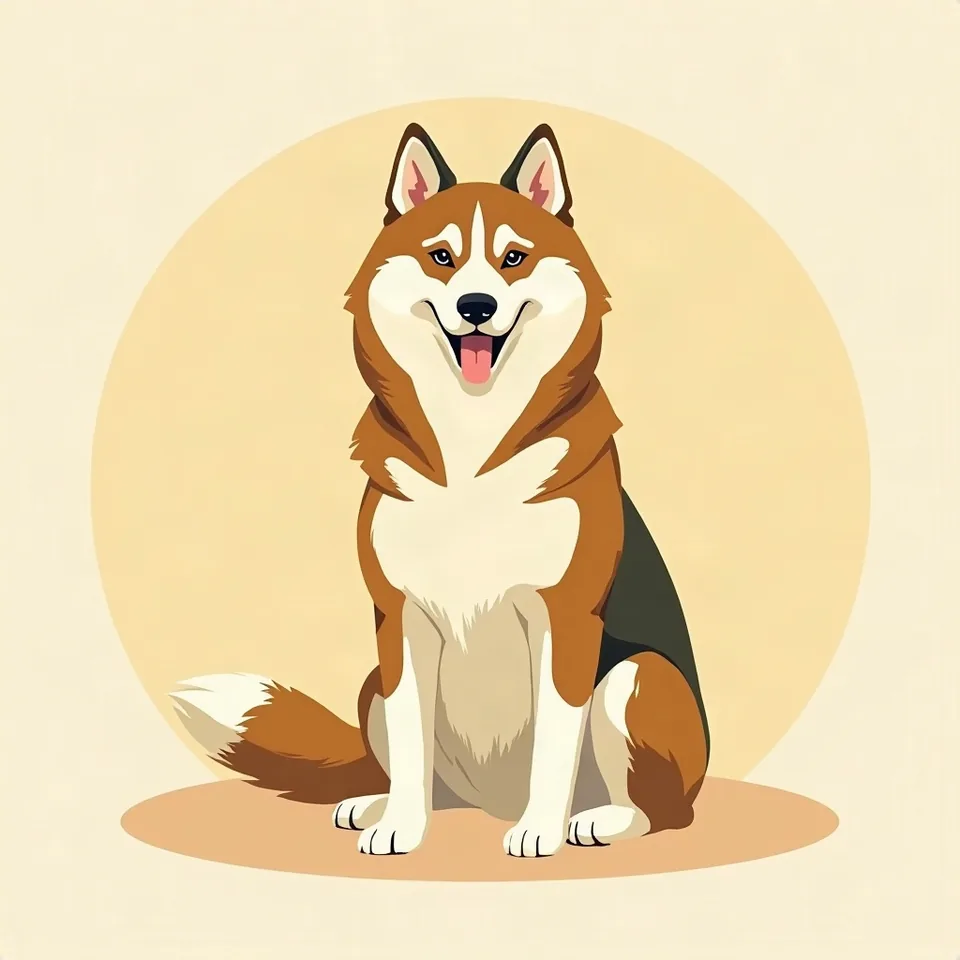
- Weight
- 16–27 kg35–60 lb
- Height
- 51–60 cm20–24 in
- Lifespan
- 12–14 yrs
- Size
- Medium
- Activity
- Very high
- Adult at
- 15 months
- Senior from
- 8 yrs
- FCI group
- 5
How much food does a Siberian Husky need?
The calculator starts at the breed average of 21.5 kg (47 lb). Put in your own dog's weight and the energy figure from the bag.
On the bag this is the metabolisable energy (ME). If it is given per kg, divide by 10. If it is in kJ, divide by 4.184.
Daily portion
— g
— oz · range — g
Per meal
— g
2 meals a day
Energy
— kcal
resting need — kcal
Usage: — kg a month (a 12 kg bag lasts about — days)
Cost: — a month
The full explanation of the maths is on the food portion calculator.
Feeding a Siberian Husky: what matters
The husky is unusual in that its energy needs per kilogram of body weight are markedly lower than comparably sized breeds, unless it's a genuinely working dog. Food needs to be portioned to the individual dog's actual workload rather than the amount on the bag, or excess weight quickly follows.
For working or sport-conditioned huskies (sledding, canicross, long-distance running), energy needs rise sharply instead, and the food should get more of its energy from fat as the main fuel for endurance performance, with a mild to moderate protein content.
Because of the risk of zinc-responsive dermatosis, it's worth choosing food with quality animal protein sources and avoiding cheap recipes heavy in grains, which can interfere with zinc absorption. If skin problems appear around the eyes or muzzle, it's worth discussing the food's zinc content with your vet.
Protein in the food
24–32 %
dry matter, mostly animal
Fat in the food
16–24 %
dry matter, by activity
What to watch for
- Don't feed by the chart on the bag without adjusting it - a husky with an ordinary home activity level often needs fewer calories than the chart suggests.
- In multi-dog households, watch that the husky doesn't eat the other dogs' food.
- Skin problems around the eyes and muzzle can signal poor zinc absorption; discuss the food with your vet.
- In working dogs, on the other hand, food with too little energy leads to weight loss and exhaustion, so match the ration to the workload.
Practical feeding tips
- Check weight and body condition regularly and adjust the ration to actual activity, not the breed average.
- For recreationally active huskies, choose food with moderate energy density; for sport-working huskies, go with a higher fat content.
- Feed twice a day, and in multi-dog households feed separately to avoid competition over food.
- Watch the skin around the eyes and muzzle, and have any persistent lesions checked by a vet for possible zinc deficiency.
- After intense exertion (running, pulling), make sure the dog rehydrates well and replace energy gradually rather than in one large meal.
Feeding schedule by age
| Stage | Meals a day | Note |
|---|---|---|
| Puppy 8 to 12 weeks | 4x | Food for medium-breed puppies, with growth rate monitored. |
| Puppy 3 to 6 months | 3x | Monitor body condition; a husky should stay on the lean side. |
| Junior 6 to 15 months | 2x | Gradual transition to adult food, based on growth and activity. |
| Adult 15 months to 8 years | 2x | Ration based on actual activity, not the breed average. |
| Senior from 8 years | 2x | Lower energy, joint support, and weight monitoring if activity drops. |
Health risks that diet affects
Low energy needs and a tendency to gain weight quickly
The husky has an evolutionarily fine-tuned metabolism that can deliver extreme performance on relatively little food. In pets that don't work as hard, feeding by the standard chart on the bag easily leads to excess weight; the ration needs to be set according to the dog's actual activity, not the breed average.
Zinc-responsive dermatosis
Arctic breeds, including the husky, have a documented higher sensitivity to poor zinc absorption, which shows up as skin lesions around the eyes, muzzle, and paws. Food that's heavy in grains, or excessive calcium supplementation, can make zinc absorption worse, so this breed benefits from quality food with plenty of animal protein and an adequate zinc level.
Eye disease (cataracts, PRA, corneal dystrophy)
Huskies have a higher rate of inherited eye conditions that aren't directly linked to diet, though an overall balanced diet with antioxidants supports eye tissue health. Any suspected decline in vision should always go to a vet, and genetic testing is worthwhile for breeding dogs.
Bloat (gastric dilatation)
The risk in huskies is lower than in deep-chested breeds, but it's still recommended to feed twice a day rather than one large meal and to let the dog rest after eating, especially active working dogs.
Temperament and exercise
The Siberian Husky was bred to pull sleds over long distances on minimal food, and it still carries that efficient metabolism today. A husky living as a household pet with ordinary walks needs noticeably fewer calories than its size and energetic personality would suggest.
This breed's energy and stamina are enormous. An under-exercised husky becomes destructive, noisy, and prone to escaping. But physical activity is not an excuse to overfeed, since a husky genuinely burns the calories spent on a long run more efficiently than most other breeds.
Huskies tend to be strongly food-motivated and, in a pack setting, will quickly eat whatever they find, including other dogs' food. That makes portion control harder in multi-dog households and calls for feeding separately or under supervision.
Coat: A dense double coat with a plush undercoat built for the cold, shedding heavily twice a year.
Common questions about feeding a Siberian Husky
How much should a Siberian Husky weigh?
Under the FCI standard, males weigh 20.5 to 28 kg (45.2 to 61.7 lb) and females 15.5 to 23 kg (34.2 to 50.7 lb), standing 54 to 60 cm (21.3 to 23.6 in) and 51 to 56 cm (20.1 to 22 in) at the withers respectively. A husky should look light and athletic, with ribs easily felt under a thin layer of muscle and fat.
How much food does a husky need per day?
For a recreationally active husky weighing around 22 kg (48.5 lb), that typically works out to roughly 250 to 320 g of quality kibble a day, less than the bag's chart would suggest, since this breed has a naturally efficient metabolism. A working dog may need considerably more. Use the calculator above for a precise estimate.
What is the best food for a husky?
Food with moderate energy density and quality animal protein suits recreationally active dogs, while sport-working huskies do better on food with a higher fat content for endurance performance. The specific brand matters less than matching the ration to the dog's actual workload.
Why does my husky gain weight even though it's very active?
The husky has an evolutionarily fine-tuned, highly efficient metabolism and burns fewer calories per kilogram of body weight than other similarly sized breeds. Ordinary walks and play usually aren't enough to offset feeding by the standard chart, so the ration needs to be reduced to match actual energy output.
How long do Siberian Huskies live?
The average lifespan is 12 to 14 years. Maintaining a lean body condition and preventing the excess weight this breed tends toward when the ration is misjudged are among the factors that influence how long it lives.
Why does my husky have skin problems around the eyes and muzzle?
Arctic breeds can develop zinc-responsive dermatosis, a skin condition linked to poor zinc absorption. Quality food with enough animal protein and an adequate zinc level can help, but diagnosis and treatment should always be led by your vet.
Breeds of a similar size
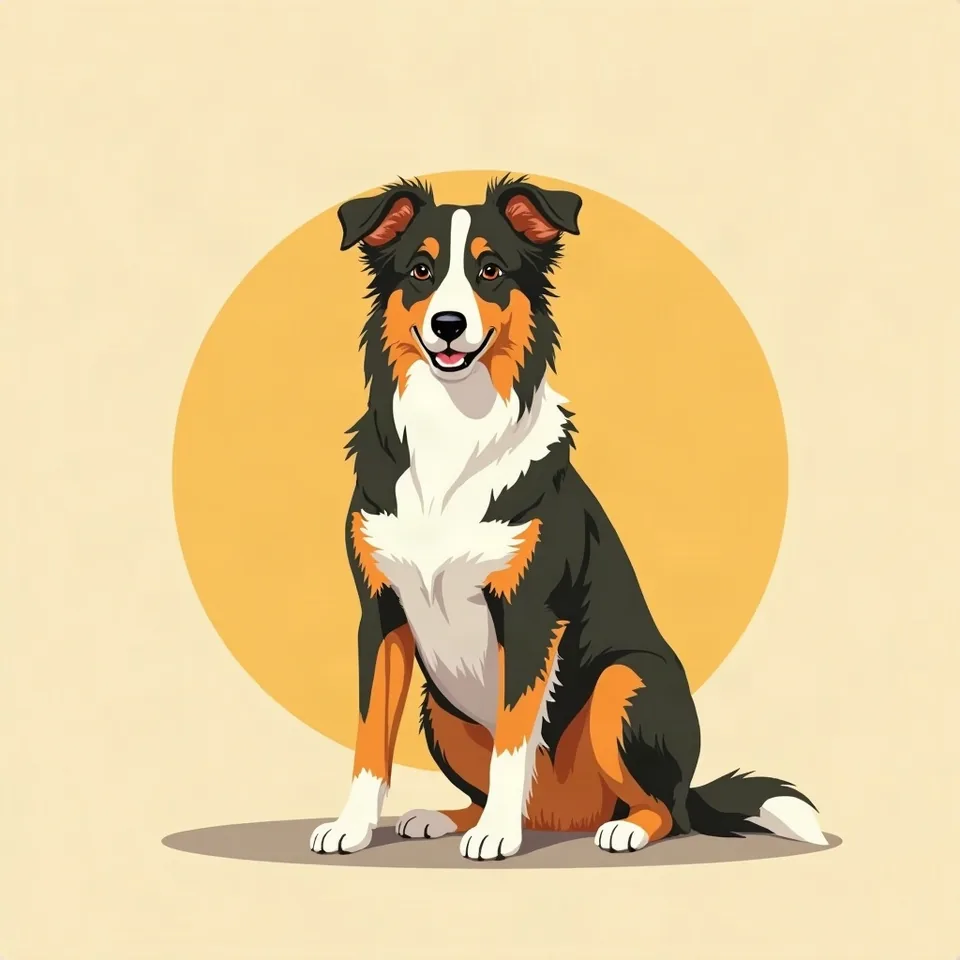
Australian Shepherd
Medium · 16–32 kg · 12–15 years
The Australian Shepherd is a working herding dog with enormous exercise and calorie needs, but also a breed with a well-known genetic sensitivity to certain drugs. Here's how to feed an Aussie according to its actual energy output, and what to watch for with the MDR1 gene mutation and a tendency toward epilepsy.
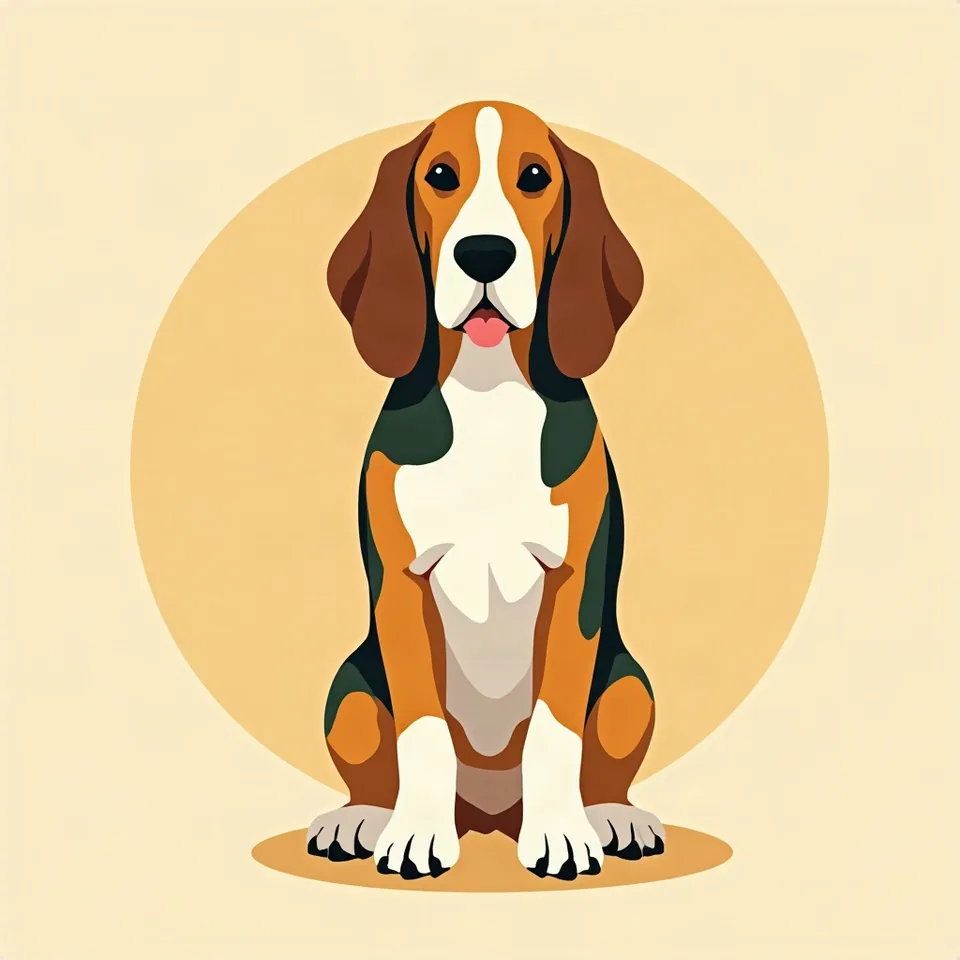
Basset Hound
Medium · 20–29 kg · 10–12 years
The Basset Hound is a low-slung, heavy dog with minimal natural drive to move, and even mild excess weight puts serious strain on its long back and joints. Here's how much a Basset should weigh, why portion control matters more for this breed than almost any other, and how to lower the risk of a slipped disc.
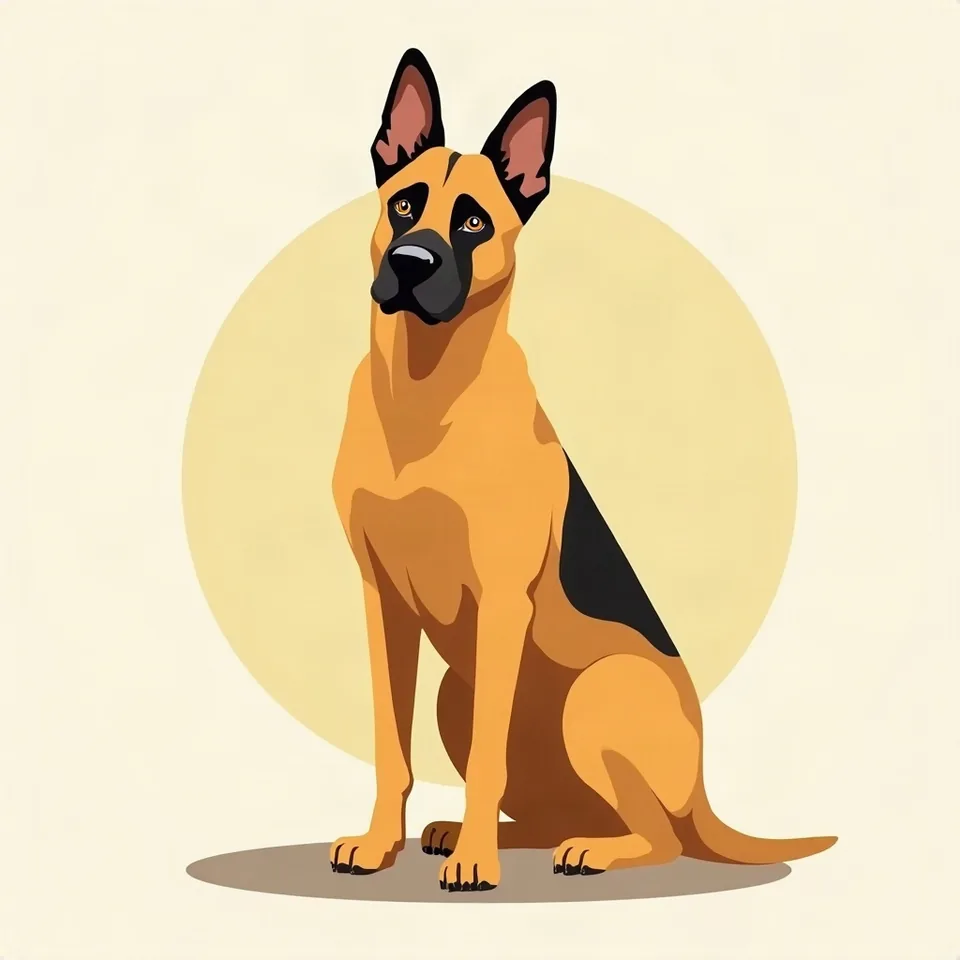
Belgian Malinois
Medium · 20–30 kg · 12–14 years
The Belgian Malinois is a working breed with extremely high energy needs and a digestive system that's sensitive to stress. Here's how much energy an active versus a companion Malinois actually needs, how to prevent bloat, and why a poorly judged ration hurts both performance and health in this breed.
Border Collie
Medium · 12–22 kg · 12–15 years
The Border Collie is the most hardworking herding breed, with energy needs that can differ by tens of percent depending on lifestyle. Here's how to portion food according to actual workload, what to watch for with drug sensitivity (MDR1), and how to support the joints of dogs active in sport.
Sources
- FCI standard no. 270: Siberian Husky
- WSAVA Global Nutrition Committee: Global Nutrition Guidelines
Last updated 2 September 2026.