Medium breed
Whippet: feeding, nutrition and health
The Whippet is a lean sprinter with minimal fat reserves, and visible ribs on this breed are a sign of normal condition, not thinness. We cover how much a Whippet should weigh, why it needs a more energy-dense food than other dogs of the same weight, and how to prevent chilling and dental problems.
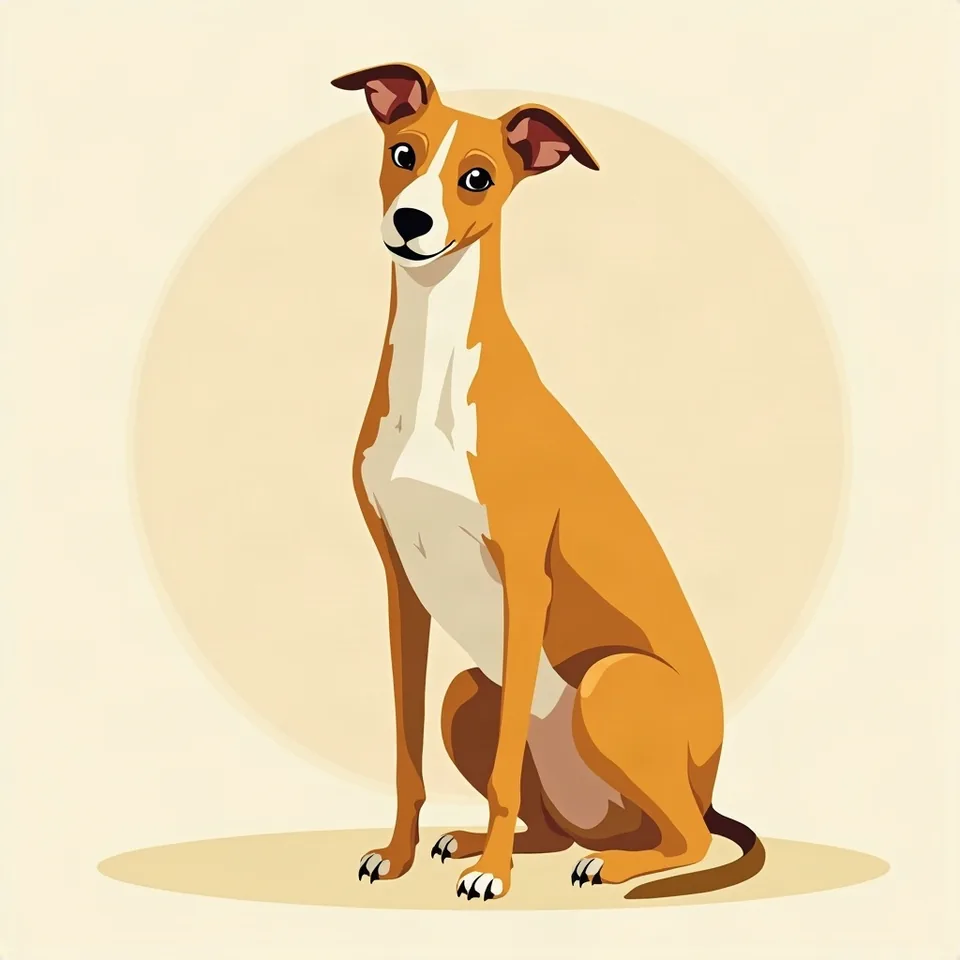
- Weight
- 11–17 kg24–37 lb
- Height
- 44–51 cm17–20 in
- Lifespan
- 12–15 yrs
- Size
- Medium
- Activity
- High
- Adult at
- 12 months
- Senior from
- 8 yrs
- FCI group
- 10
How much food does a Whippet need?
The calculator starts at the breed average of 14 kg (31 lb). Put in your own dog's weight and the energy figure from the bag.
On the bag this is the metabolisable energy (ME). If it is given per kg, divide by 10. If it is in kJ, divide by 4.184.
Daily portion
— g
— oz · range — g
Per meal
— g
2 meals a day
Energy
— kcal
resting need — kcal
Usage: — kg a month (a 12 kg bag lasts about — days)
Cost: — a month
The full explanation of the maths is on the food portion calculator.
Feeding a Whippet: what matters
The Whippet needs food with a higher energy density than its body weight would suggest for an average breed, because its minimal fat reserves give it nowhere to store energy, and it loses weight quickly if the ration doesn't match actual output. Food formulated for active or sporting dogs tends to suit a Whippet better than standard small-to-medium breed food.
Visible ribs and vertebrae are a normal state for a Whippet, not a sign of malnutrition - judging condition by appearance, which works for other breeds, is misleading here and easily leads to unnecessary overfeeding. It's more reliable to track muscle tone, energy level, and weight stability over time than to go by silhouette.
In cold months or after intense physical exertion, such as racing or coursing, it's worth temporarily increasing the ration, since thin fur and minimal fat mean a higher energy cost for maintaining body temperature and faster depletion of reserves after exercise than is typical in other breeds.
Protein in the food
28–32 %
dry matter, mostly animal
Fat in the food
15–20 %
dry matter, by activity
What to watch for
- Judging condition by visible ribs - on a Whippet, that's a normal state, not malnutrition.
- Insufficient energy density in the food relative to the breed's minimal fat reserves.
- Chilling and increased energy needs in winter because of the thin coat with no undercoat.
- Inadequate dental care - sighthounds have an increased tendency toward tartar buildup.
Practical feeding tips
- Choose a food with a higher energy density, ideally one formulated for active or sporting dogs.
- Don't judge condition by visible ribs alone - track muscle tone and weight stability instead.
- In winter or after intense exertion, temporarily increase the ration and consider clothing against the cold.
- Pay attention to dental care - chew items or tooth brushing reduce the risk of tartar buildup.
- Tell your vet about the breed before any planned anesthesia - sighthounds need adjusted dosing for certain drugs.
Feeding schedule by age
| Stage | Meals a day | Note |
|---|---|---|
| Puppy 8 to 12 weeks | 4x | Small/medium-breed puppy food with adequate energy density. |
| Puppy 3 to 6 months | 3x | Watch the growth rate - a Whippet stays lean even when properly fed. |
| Junior 6 to 12 months | 2x | Gradual transition to adult food with a higher energy density. |
| Adult 1 to 8 years | 2x | Energy-dense food; increase the ration in winter or after exertion. |
| Senior from 8 years | 2x | Maintain energy density, watch for muscle loss and heart condition. |
Health risks that diet affects
Minimal fat reserves
The Whippet carries a very low proportion of subcutaneous fat, which means a smaller energy reserve in the event of illness, fasting, or cold. Food should have a higher energy density than for an average dog of the same weight, so the dog can maintain condition even through normal fluctuations in food intake.
Tartar and periodontal disease
Sighthounds, including the Whippet, have an increased tendency to form tartar and develop periodontal disease. Dry food of a suitable texture, chew items, or regular dental care all help delay dental problems.
Heart murmurs
Both benign and pathological heart murmurs are documented in Whippets; some are harmless while others need monitoring by a cardiologist. They aren't directly linked to diet, but for a diagnosed heart condition, your vet may recommend adjusting the sodium content of the food.
Sensitivity to anesthesia and certain drugs
The low body fat percentage typical of sighthounds affects how fat-soluble substances, including some anesthetics, are processed in the body. This isn't a direct dietary issue, but it relates to the same body composition that needs to be factored into feeding plans around surgery.
Chilling and increased energy needs in winter
A thin coat with no undercoat and minimal body fat mean a Whippet burns more energy staying warm in cold weather. In winter months it's worth increasing the ration slightly if the dog spends time outdoors, and providing clothing.
Temperament and exercise
The Whippet is the fastest of the commonly kept breeds over a short distance, but at home it's more of a relaxed couch companion - it needs short, intense sprints rather than hours of steady exercise. Energy needs are shaped by the type of effort as much as by overall activity level.
A body built with almost no subcutaneous fat means ribs and vertebrae are visible on a Whippet even at ideal condition - unlike most breeds, a visible skeleton here isn't a sign of malnutrition but a typical trait of the breed.
Thin skin and almost no insulating fat layer make the Whippet sensitive to cold. In winter it needs more energy to maintain body temperature and often needs clothing too, which also translates into a higher energy requirement from food during the colder months.
Coat: Very short, fine, smooth, close-lying coat with no undercoat; minimal insulation against cold.
Common questions about feeding a Whippet
How much should a Whippet weigh?
The FCI standard doesn't give an exact weight, but the usual range is about 11 to 17 kg (24.3 to 37.5 lb), at a height of 44 to 51 cm (17.3 to 20.1 in) for males and 44 to 47 cm (17.3 to 18.5 in) for females. Visible ribs and vertebrae are normal for this breed, not a sign of malnutrition - judge muscle tone and energy level instead.
How much food does a Whippet need per day?
An adult Whippet weighing 14 kg (30.9 lb) with normal activity needs roughly 600 to 750 kcal a day, which for energy-dense kibble (400 kcal per 100 g) works out to about 150 to 190 g split into two meals. The ration may need to be higher in winter or after intense exercise.
What is the best food for a Whippet?
Food with a higher energy density and fat content, around 15 to 20 percent on a dry-matter basis, ideally formulated for active or sporting dogs. A standard low-fat food may not cover the energy needs of this lean breed with minimal fat reserves.
Why does my Whippet look so thin even after eating?
This is the breed's typical body type, built with minimal subcutaneous fat - visible ribs and vertebrae are a normal state for a Whippet, not a sign of malnutrition or illness. If the dog is also losing muscle mass or energy, it's worth increasing the food's energy density and checking in with your vet.
How long do Whippets live?
Whippets typically live 12 to 15 years, with some living even longer, making them a long-lived breed. Dental care and early detection of heart murmurs at routine checkups have the biggest impact on quality and length of life.
Does a Whippet need more food in winter?
Yes. A thin coat with no undercoat and minimal body fat mean a Whippet burns more energy staying warm in cold weather. In winter months it's worth increasing the ration slightly if the dog spends time outdoors, and considering clothing against the cold.
Breeds of a similar size
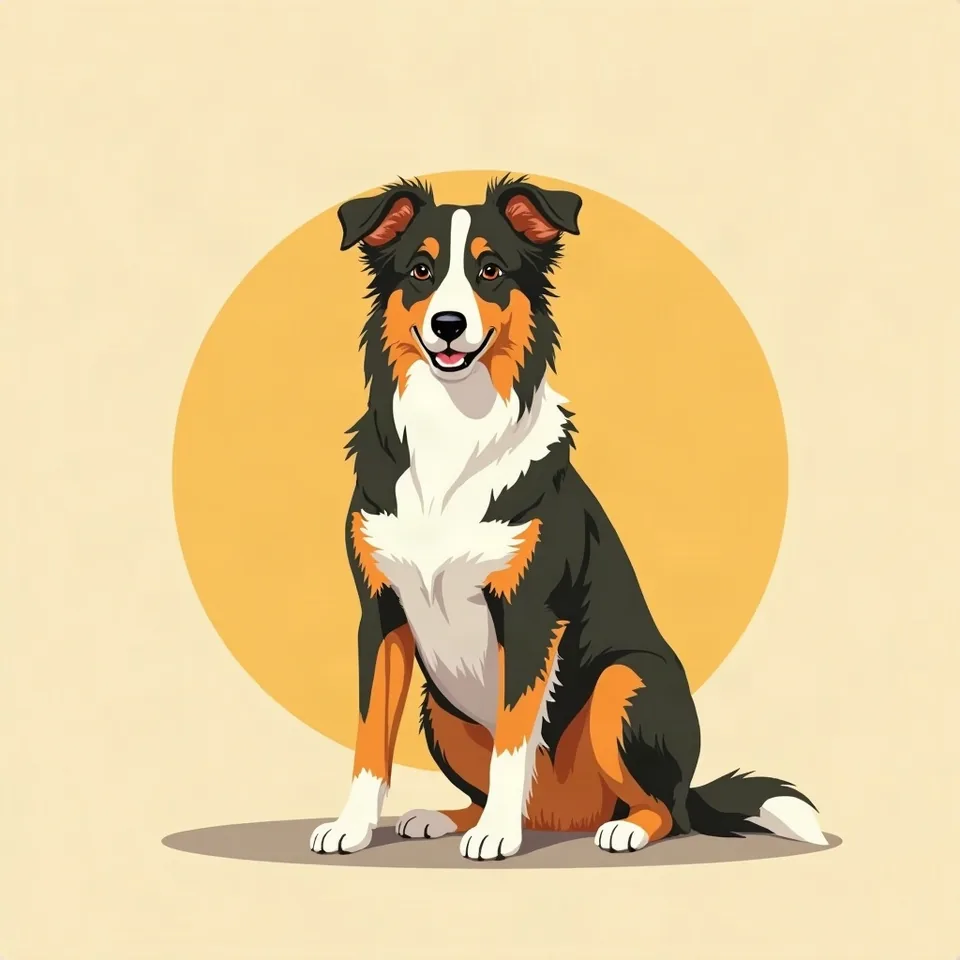
Australian Shepherd
Medium · 16–32 kg · 12–15 years
The Australian Shepherd is a working herding dog with enormous exercise and calorie needs, but also a breed with a well-known genetic sensitivity to certain drugs. Here's how to feed an Aussie according to its actual energy output, and what to watch for with the MDR1 gene mutation and a tendency toward epilepsy.
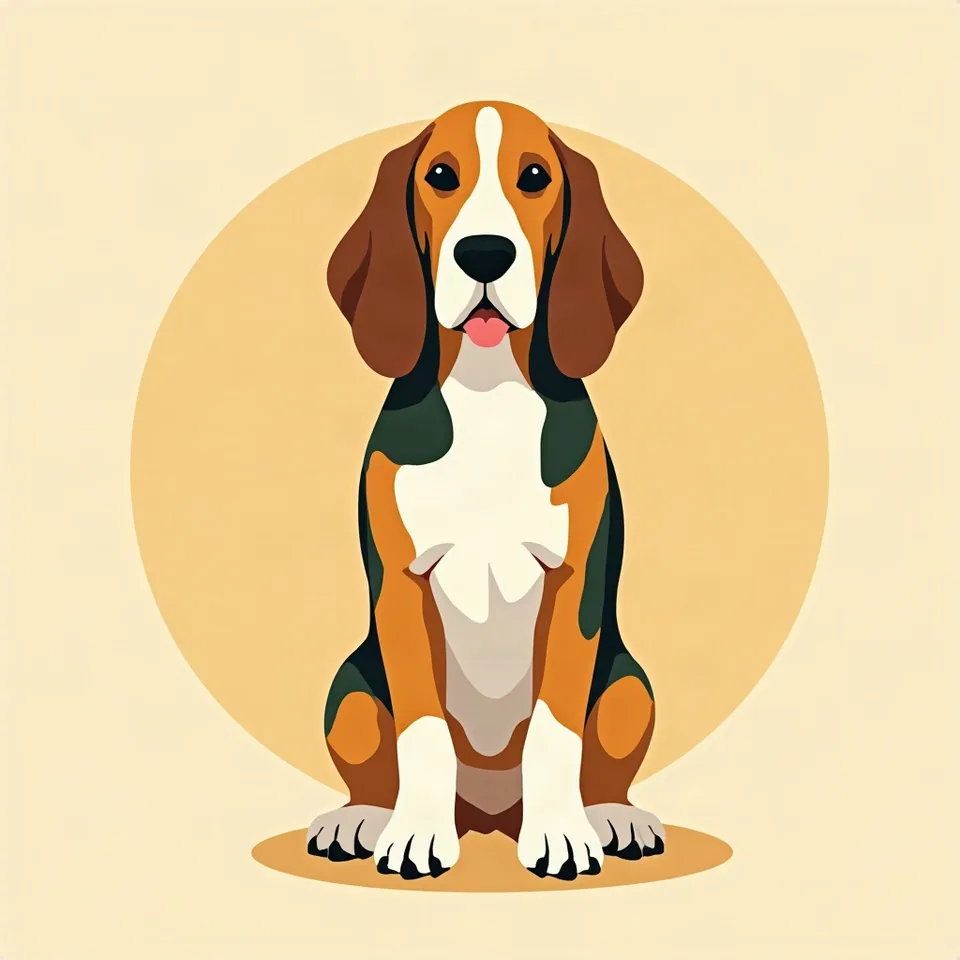
Basset Hound
Medium · 20–29 kg · 10–12 years
The Basset Hound is a low-slung, heavy dog with minimal natural drive to move, and even mild excess weight puts serious strain on its long back and joints. Here's how much a Basset should weigh, why portion control matters more for this breed than almost any other, and how to lower the risk of a slipped disc.
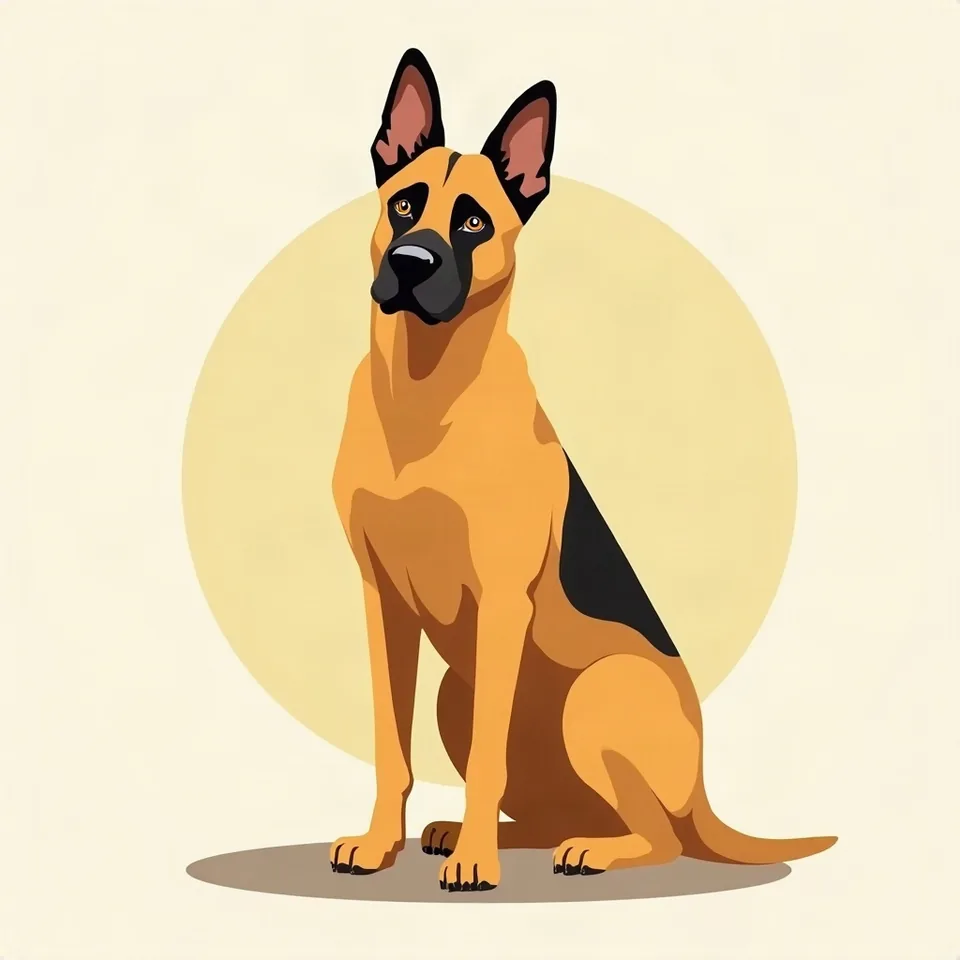
Belgian Malinois
Medium · 20–30 kg · 12–14 years
The Belgian Malinois is a working breed with extremely high energy needs and a digestive system that's sensitive to stress. Here's how much energy an active versus a companion Malinois actually needs, how to prevent bloat, and why a poorly judged ration hurts both performance and health in this breed.
Border Collie
Medium · 12–22 kg · 12–15 years
The Border Collie is the most hardworking herding breed, with energy needs that can differ by tens of percent depending on lifestyle. Here's how to portion food according to actual workload, what to watch for with drug sensitivity (MDR1), and how to support the joints of dogs active in sport.
Sources
- FCI standard no. 162: Whippet
- WSAVA Global Nutrition Committee: Global Nutrition Guidelines
Last updated 2 September 2026.