Giant breed
Newfoundland: feeding, nutrition and health
The Newfoundland is a calm giant swimmer with low activity needs and one standout genetic quirk in its nutrition, cystinuria, an inherited disorder that forms urinary stones in some dogs. Feeding has to manage slow puppy growth, obesity prevention, and, when needed, a kidney friendly diet.
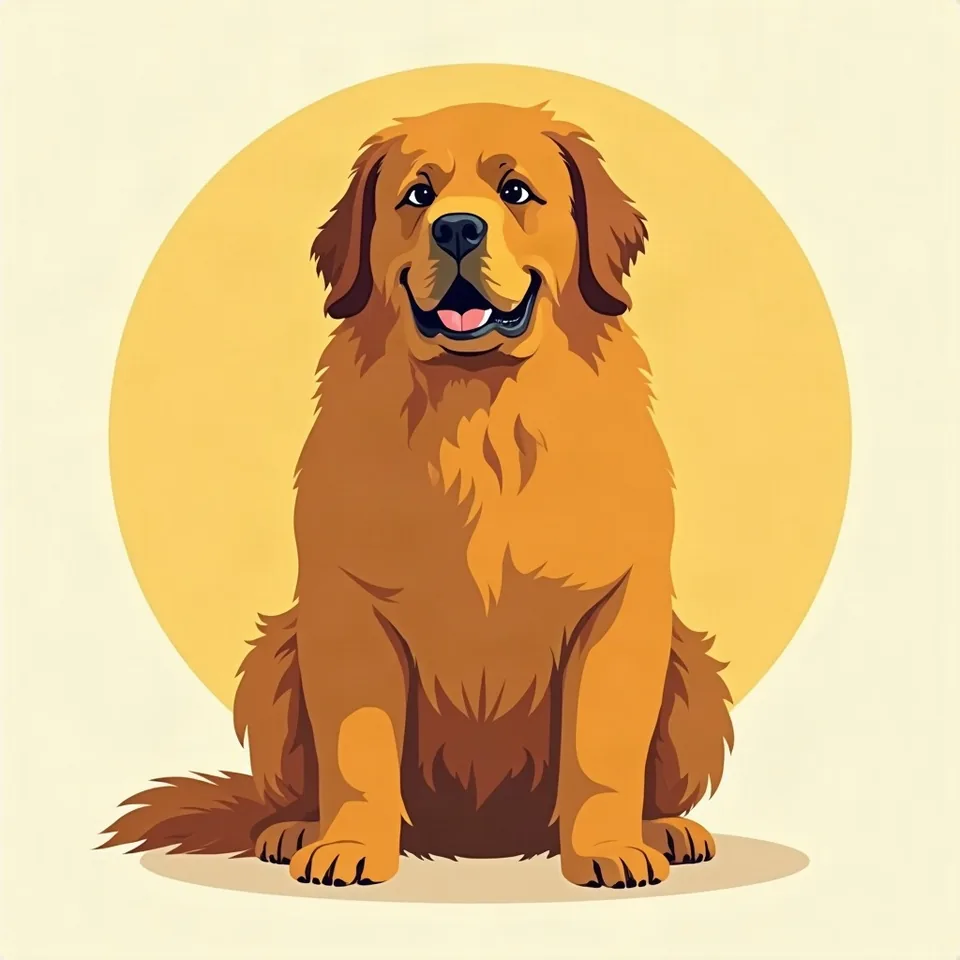
- Weight
- 45–70 kg99–154 lb
- Height
- 63–74 cm25–29 in
- Lifespan
- 8–10 yrs
- Size
- Giant
- Activity
- Low
- Adult at
- 20 months
- Senior from
- 6 yrs
- FCI group
- 2
How much food does a Newfoundland need?
The calculator starts at the breed average of 57.5 kg (127 lb). Put in your own dog's weight and the energy figure from the bag.
On the bag this is the metabolisable energy (ME). If it is given per kg, divide by 10. If it is in kJ, divide by 4.184.
Daily portion
— g
— oz · range — g
Per meal
— g
2 meals a day
Energy
— kcal
resting need — kcal
Usage: — kg a month (a 12 kg bag lasts about — days)
Cost: — a month
The full explanation of the maths is on the food portion calculator.
Feeding a Newfoundland: what matters
For the Newfoundland, the priorities are slow puppy growth and, from adulthood on, weight control given the breed's naturally low activity level. A giant breed food with a controlled calcium to phosphorus ratio protects growing joints, and the energy density shouldn't be any higher than it needs to be.
This breed also requires planning around cystinuria, an inherited disorder that causes cystine crystals and stones to form in the urine of some dogs. A slightly lower protein level, particularly of the amino acid methionine, a precursor of cystine, along with high water intake are the basic preventive steps, guided by your vet for dogs with a confirmed genetic risk or a clinical diagnosis.
An adult weighing 60 kg (132 lb) with low activity needs roughly 1,700 to 2,100 kcal a day. Split meals into 2 to 3 portions because of bloat risk, and go easy on treats, since this laid back breed puts on weight from them easily. A neutered or spayed dog needs a further 15 to 20% less energy, so reassess the portion after the procedure.
Protein in the food
22–26 %
dry matter, mostly animal
Fat in the food
10–14 %
dry matter, by activity
What to watch for
- Cystinuria: for dogs with a confirmed predisposition, discuss adjusting protein levels and water intake with your vet.
- Low activity means low energy needs; the portion shouldn't be set by size alone.
- Body condition: the thick coat hides weight gain easily, so check by feeling the ribs regularly.
- Feeding around exercise: rest for an hour before and after meals given the bloat risk.
Practical feeding tips
- Keep fresh water available at all times; diluting the urine is a key part of preventing cystinuria.
- Split the daily portion into 2 to 3 meals fed at set times.
- Use a giant breed food formulated for slow growth until 18 to 20 months old.
- Reduce the portion by 15 to 20% after neutering or spaying, the risk of weight gain is high.
- Feed during the cooler parts of the day in summer, since the thick coat makes heat harder to tolerate.
Feeding schedule by age
| Stage | Meals a day | Note |
|---|---|---|
| Puppy 8 to 12 weeks | 4x | Giant breed puppy food with controlled calcium. |
| Puppy 3 to 8 months | 3-4x | Fast growth phase; watch to keep the puppy lean. |
| Junior 8 to 20 months | 3x | Continue a giant breed food until growth is complete. |
| Adult 20 months to 6 years | 2-3x | Adult giant breed food with calories controlled for low activity. |
| Senior from 6 years | 2-3x | Lower energy, joint and heart support, weight monitoring. |
Health risks that diet affects
Cystinuria
An inherited defect in how the kidneys reabsorb cystine, leading to cystine urinary stones, the breed's single most distinctive nutritional issue. Dietary management includes a slightly reduced protein level, plenty of water to dilute the urine, and, for affected dogs, a special diet prescribed by a vet, sometimes alongside urine alkalization.
Subaortic stenosis (SAS)
A congenital heart defect with a higher incidence in this breed. Diet has no direct effect on it, but keeping a lean body condition reduces strain on the heart, and quality protein sources support overall health.
Hip dysplasia
An inherited joint condition made worse by fast growth and puppy weight gain. A giant breed food with controlled energy and calcium is the basic prevention.
Bloat and gastric torsion (GDV)
A deep chest puts the Newfoundland among the higher risk breeds for stomach torsion. Feeding 2 to 3 meals a day instead of one large one and resting after meals both reduce the risk.
Obesity
Low natural activity combined with a large body makes weight gain easy, especially after neutering or spaying. Extra weight further strains the joints and heart, a particular concern in a breed already prone to heart defects.
Temperament and exercise
The Newfoundland is an even tempered, patient companion with low to moderate need for intense exercise, it's happier swimming or doing calm work than playing sports. That low energy expenditure means a real risk of weight gain without regular portion control.
The dense, water resistant coat holds in heat extremely well, which raises this breed's risk of overheating in summer. That has an indirect effect on feeding too; in warm months it's best to feed during the cooler parts of the day.
Puppies grow slowly but reach a high final body weight, not finishing skeletal growth until around 18 to 20 months. Controlling energy and calcium during this period is essential for healthy joints that will carry a heavy adult body.
Coat: Long, dense, water resistant double coat built for swimming. Colors include black, brown, or black and white (the Landseer pattern).
Common questions about feeding a Newfoundland
How much should a Newfoundland weigh?
Adult males typically weigh 60 to 70 kg (132 to 154 lb) and females 45 to 55 kg (99 to 121 lb), standing around 71 cm (28 in) and 66 cm (26 in) at the shoulder respectively. For this giant breed, body condition matters more than the exact number, ribs should be feelable even under the thick coat.
How much food does a Newfoundland need per day?
An adult weighing 60 kg (132 lb) with low activity needs roughly 1,700 to 2,100 kcal a day, about 500 to 620 g (18 to 22 oz) of a typical kibble (340 kcal/100 g) split into 2 to 3 meals. A less active or neutered dog needs less.
What food is right for a Newfoundland?
A giant breed formula with 22 to 26% protein, 10 to 14% fat, and a controlled calcium to phosphorus ratio. For dogs with confirmed cystinuria, talk to your vet about a special reduced protein diet.
How long do Newfoundlands live?
The average lifespan is 8 to 10 years. Keeping a lean body condition, monitoring the heart given the risk of subaortic stenosis, and ensuring plenty of water because of cystinuria are the main factors an owner can control. Given the breed's giant size and naturally low activity, well managed nutrition plays an unusually large role in how long a Newfoundland actually lives.
What is cystinuria in Newfoundlands and how does it relate to feeding?
It's an inherited defect in how the kidneys reabsorb cystine, which causes cystine crystals and stones to form in the urine of some dogs. Diet helps through a slightly lower protein level and plenty of water, plus a special vet prescribed diet for dogs that are affected.
When should a Newfoundland switch to adult food?
Usually between 18 and 20 months, once skeletal growth is complete. Given this breed's low activity level in adulthood, go straight for a food with a moderate, not excessive, energy level. Switching to a richer adult food too early can pack on weight faster than a growing giant breed puppy's joints can handle.
Breeds of a similar size
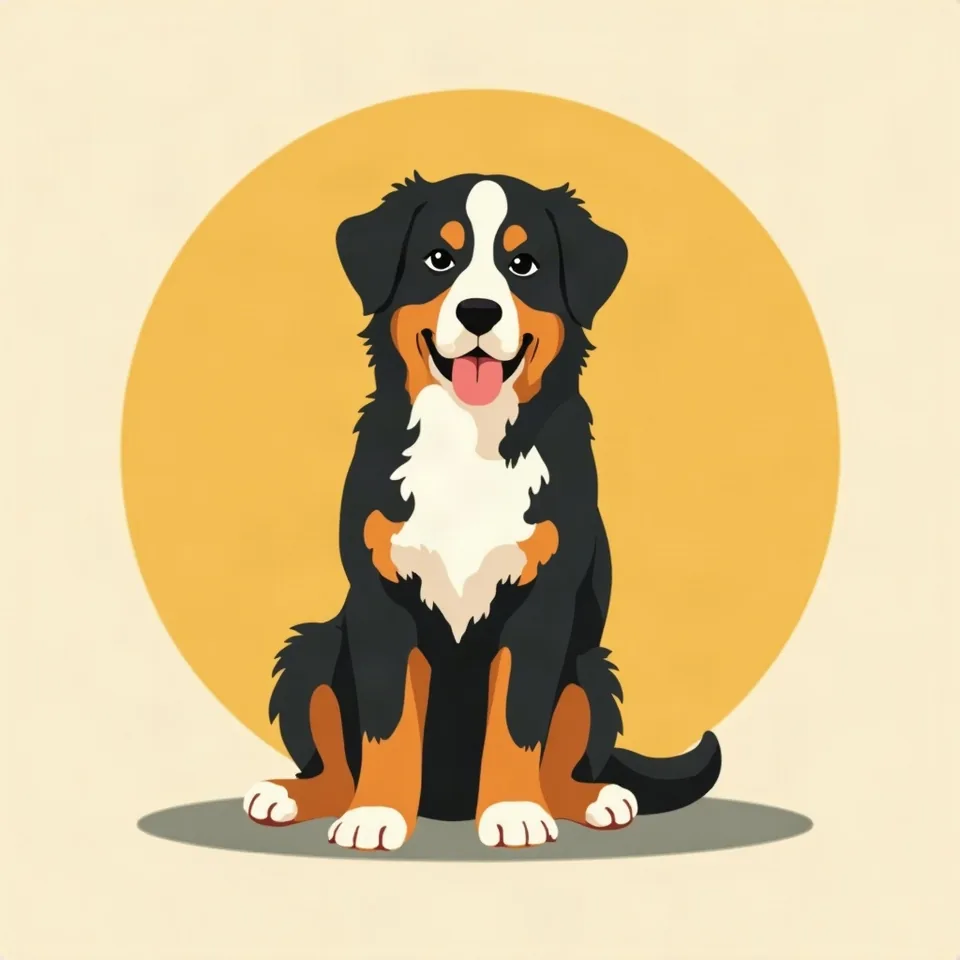
Bernese Mountain Dog
Giant · 36–50 kg · 7–10 years
The Bernese Mountain Dog is a giant breed with a short lifespan of 7 to 10 years and a high risk of cancer. Its diet has to manage two jobs at once: slow, controlled growth as a puppy, and preventing bloat and obesity as an adult.
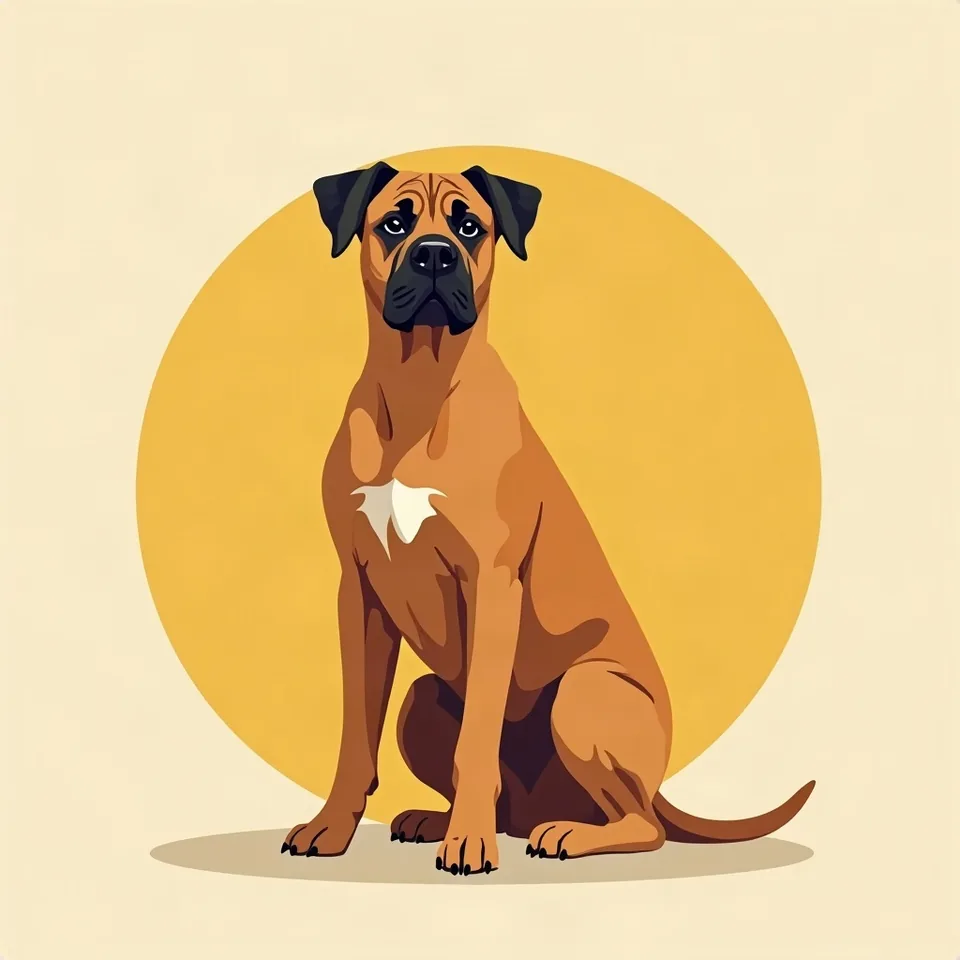
Cane Corso
Giant · 40–50 kg · 9–12 years
The Cane Corso is a massive Italian mastiff-type breed with rapid growth, making control of a puppy's growth rate and prevention of bloat essential. Its muscular build tempts owners into overfeeding, which needlessly strains joints already under pressure.
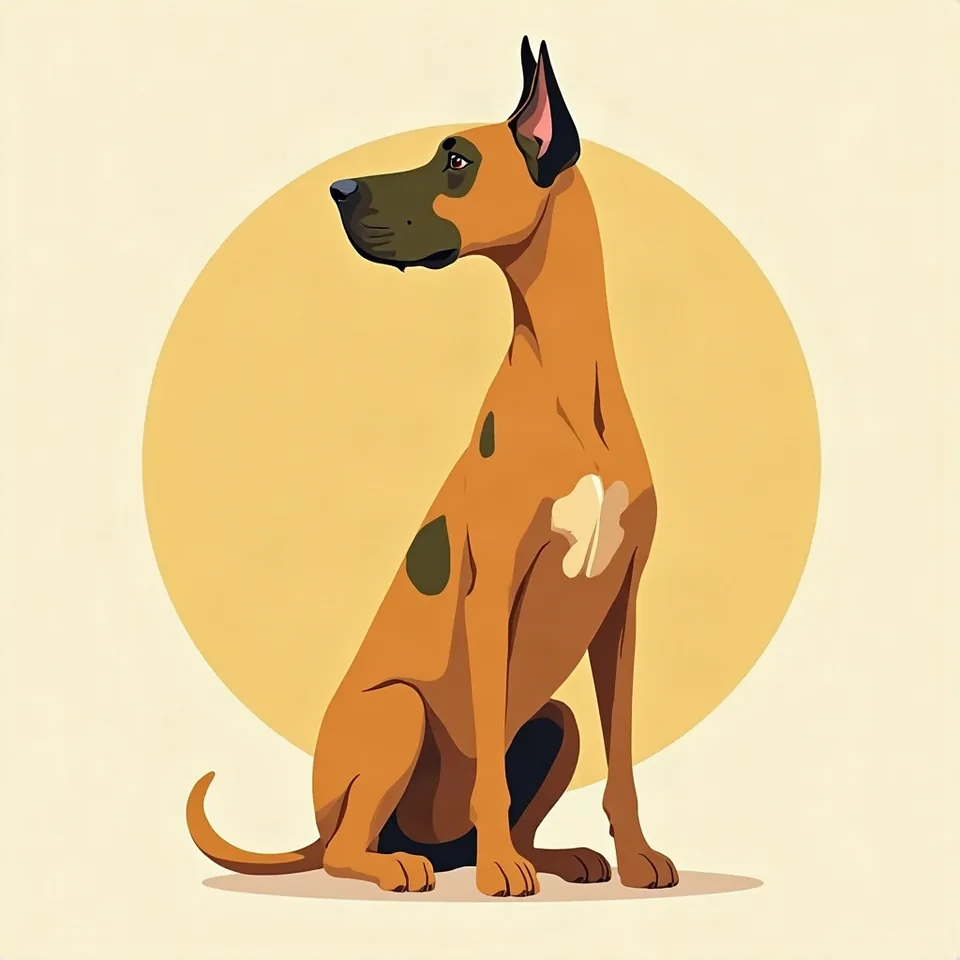
Great Dane
Giant · 45–90 kg · 7–9 years
The Great Dane carries the highest risk of bloat and stomach torsion of any dog breed. Feeding small meals several times a day and enforcing quiet time afterward isn't an optional tip here, it's a necessity. Just as critical is an extremely slow, controlled growth rate for a giant breed puppy.
Irish Wolfhound
Giant · 40–70 kg · 6–8 years
The Irish Wolfhound is the tallest breed in the world, and also one of the shortest-lived, at just 6 to 8 years. Its diet has to manage an extremely slow-growing giant puppy, protect the heart from cardiomyopathy, and prevent bloat in the deepest-chested breed of all dogs.
Sources
- FCI standard no. 50: Newfoundland
- WSAVA Global Nutrition Guidelines
Last updated 2 September 2026.