Small breed
Shih Tzu: feeding, nutrition and health
The Shih Tzu is a brachycephalic toy breed with pronounced dental problems due to its shortened jaw, and a long lifespan that puts obesity and kidney problem prevention front and center. Here's how to feed a Shih Tzu with its breathing, teeth, and sensitive kidneys all in mind.

- Weight
- 4.5–8.1 kg10–18 lb
- Height
- 20–27 cm8–11 in
- Lifespan
- 13–16 yrs
- Size
- Small
- Activity
- Low
- Adult at
- 10 months
- Senior from
- 10 yrs
- FCI group
- 9
How much food does a Shih Tzu need?
The calculator starts at the breed average of 6.3 kg (14 lb). Put in your own dog's weight and the energy figure from the bag.
On the bag this is the metabolisable energy (ME). If it is given per kg, divide by 10. If it is in kJ, divide by 4.184.
Daily portion
— g
— oz · range — g
Per meal
— g
2 meals a day
Energy
— kcal
resting need — kcal
Usage: — kg a month (a 12 kg bag lasts about — days)
Cost: — a month
The full explanation of the maths is on the food portion calculator.
Feeding a Shih Tzu: what matters
Because of its low activity level and limited tolerance for exertion, the Shih Tzu has notably lower energy needs than its size would suggest for a more active breed. Food with a controlled energy density and a precisely measured portion is the foundation of preventing the obesity this breed tends toward.
Because of its short jaw and crowded teeth, dental care matters especially for the Shih Tzu. Kibble with an abrasive texture or dental treats sized for the breed help slow the tartar buildup that forms quickly and extensively in this breed.
Because renal dysplasia occurs in this breed, it's worth watching for signs like increased thirst or frequent urination even in young dogs. A confirmed diagnosis calls for a special low-protein renal diet under a vet's guidance; ordinary food for healthy dogs isn't enough in that case.
Protein in the food
24–28 %
dry matter, mostly animal
Fat in the food
12–16 %
dry matter, by activity
What to watch for
- Low tolerance for heat and exertion limits how many calories can be burned through exercise, which makes portion control essential.
- Tartar builds up quickly in this breed because of the short jaw and crowded teeth.
- Increased thirst or frequent urination can signal a congenital kidney disorder and should be checked by a vet.
- Picky eating - don't give in by adding fatty treats, which can throw off the nutritional balance of the diet.
Practical feeding tips
- Always weigh the daily ration on a kitchen scale - a Shih Tzu gains weight easily even from small calorie surpluses.
- Choose small kibble with an abrasive texture to fight tartar, and back it up with regular dental care.
- Use a slow-feeder bowl if your dog grunts or gulps while eating.
- Monitor water intake and how often your dog urinates - a sudden change calls for a vet visit given the risk of kidney disease.
- Keep your dog calm after meals, with no intense activity, especially in warm weather.
Feeding schedule by age
| Stage | Meals a day | Note |
|---|---|---|
| Puppy 8 to 12 weeks | 4x | Food for toy and small-breed puppies, with small kibble. |
| Puppy 3 to 6 months | 3x | Monitor how the teeth are coming in and track body condition. |
| Junior 6 to 10 months | 2-3x | Gradual transition to adult food. |
| Adult 10 months to 10 years | 2x | Precisely measured portions, dental care, and obesity prevention. |
| Senior from 10 years | 2x | Easily digestible food, with monitoring of kidneys and joints. |
Health risks that diet affects
Brachycephalic syndrome
A shortened skull and narrowed airways make both breathing and eating harder, and a Shih Tzu may grunt, gulp, or choke while it eats. Slow-feeder bowls, smaller portions, and rest after meals reduce the risk of regurgitation and overheating, especially in warm weather.
Tartar and gum disease
The short jaw often means noticeably crowded teeth, which makes dental disease one of the most common and serious health issues in this breed overall. Food with an abrasive texture and regular dental care are close to essential for delaying early tooth loss.
Renal dysplasia
This breed has a documented congenital kidney development disorder that can appear as early as young adulthood with increased thirst and urination. A diagnosis calls for a special renal diet prescribed by a vet; self-treating with ordinary food will not improve the condition.
Allergies and skin sensitivity
Shih Tzus can develop skin allergies that show up as itching or inflammation in the folds around the muzzle. A food component is significant for some dogs, and a food with a limited number of clearly declared protein sources can ease symptoms.
Obesity
Low activity and limited tolerance for exertion make the Shih Tzu prone to rapid weight gain. Portion control and regular weigh-ins are key, since burning off excess weight through exercise is difficult given its breathing limitations.
Temperament and exercise
The Shih Tzu is a calm, affectionate companion with low exercise needs, happy with short walks and play indoors. But that low energy expenditure means even a small amount of extra food quickly shows up on the scale.
Because of its shortened muzzle, the Shih Tzu has limited tolerance for heat and intense exertion, which further limits how many calories it can burn through exercise. Portion control is therefore the main tool for preventing excess weight in this breed.
This breed tends to be picky about food, which tempts owners into adding richer, fattier treats. On such a small dog, that easily throws off both the calorie balance and the nutritional balance of the diet.
Coat: A long, dense double coat year-round, demanding daily grooming and regular trimming.
Common questions about feeding a Shih Tzu
How much should a Shih Tzu weigh?
Under the FCI standard, the ideal weight is 4.5 to 8.1 kg (9.9 to 17.9 lb) at a height of 20 to 27 cm (7.9 to 10.6 in). A Shih Tzu should be compact and sturdy, but not overweight - the ribs should be easily felt under a thin layer of fat.
How much food does a Shih Tzu need per day?
For a dog weighing around 6 kg (13.2 lb), that usually works out to roughly 70 to 95 g of quality kibble a day, split into two meals. The exact amount depends on the energy value of the specific food and how active your dog is, so use the calculator above for a precise figure.
What is the best food for a Shih Tzu?
Small kibble with an abrasive texture against tartar, a controlled energy density given the breed's tendency to gain weight, and quality protein all work well. For dogs with skin problems, a food with a limited number of protein sources can help.
Why does the Shih Tzu have so many dental problems?
This breed's short jaw leaves the teeth noticeably crowded, and plaque and tartar build up on them quickly as a result. The combination of the right food, regular at-home dental care, and professional cleaning by a vet when needed matters more for this breed than for most others.
How long do Shih Tzus live?
The average lifespan is 13 to 16 years, making it one of the longer-lived small breeds. Preventing obesity, caring for the teeth, and monitoring kidney health are among the main factors that influence how long a Shih Tzu lives.
What is renal dysplasia in the Shih Tzu?
It's a documented congenital kidney development disorder in this breed that can show up as early as young adulthood with increased thirst and frequent urination. A confirmed diagnosis calls for a special low-protein diet prescribed by a vet - don't adjust the diet yourself.
Breeds of a similar size
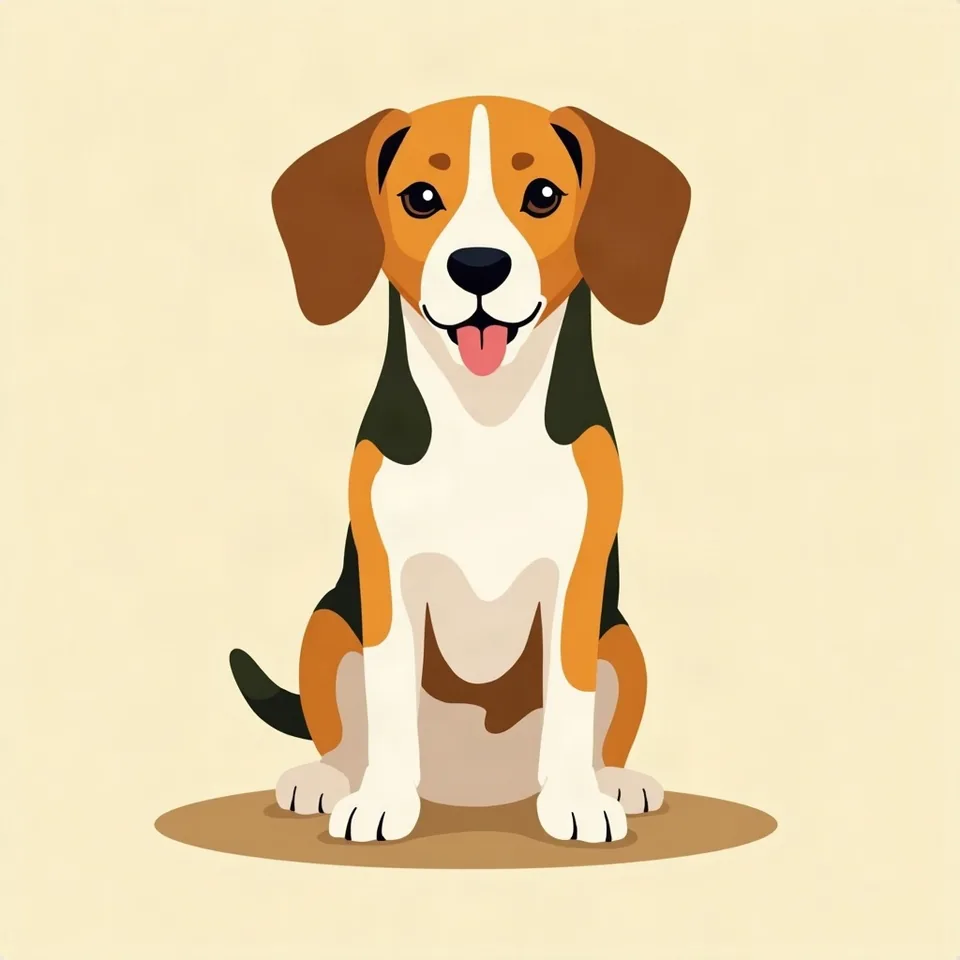
Beagle
Small · 9–11 kg · 12–15 years
The Beagle is a scent-obsessed hound that will eat practically anything it finds, which makes it one of the breeds most prone to excess weight. Here's how precise portioning and smart feeding can prevent the obesity that shortens a Beagle's active life more than anything else.
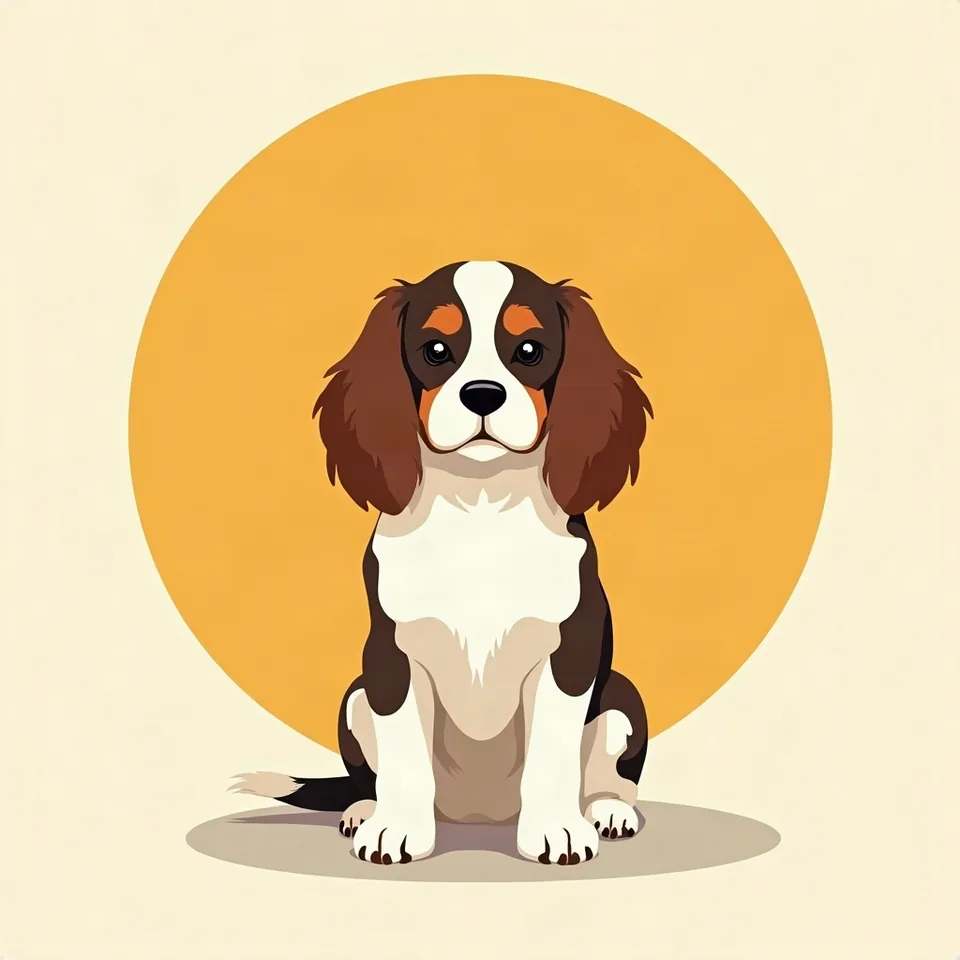
Cavalier King Charles Spaniel
Small · 5.4–8 kg · 9–14 years
The Cavalier King Charles Spaniel is a small, affectionate breed with an unusually high risk of heart valve disease, a condition that excess weight directly worsens. Here's how precise feeding keeps a Cavalier lean and eases the strain on both its heart and a skull prone to syringomyelia.
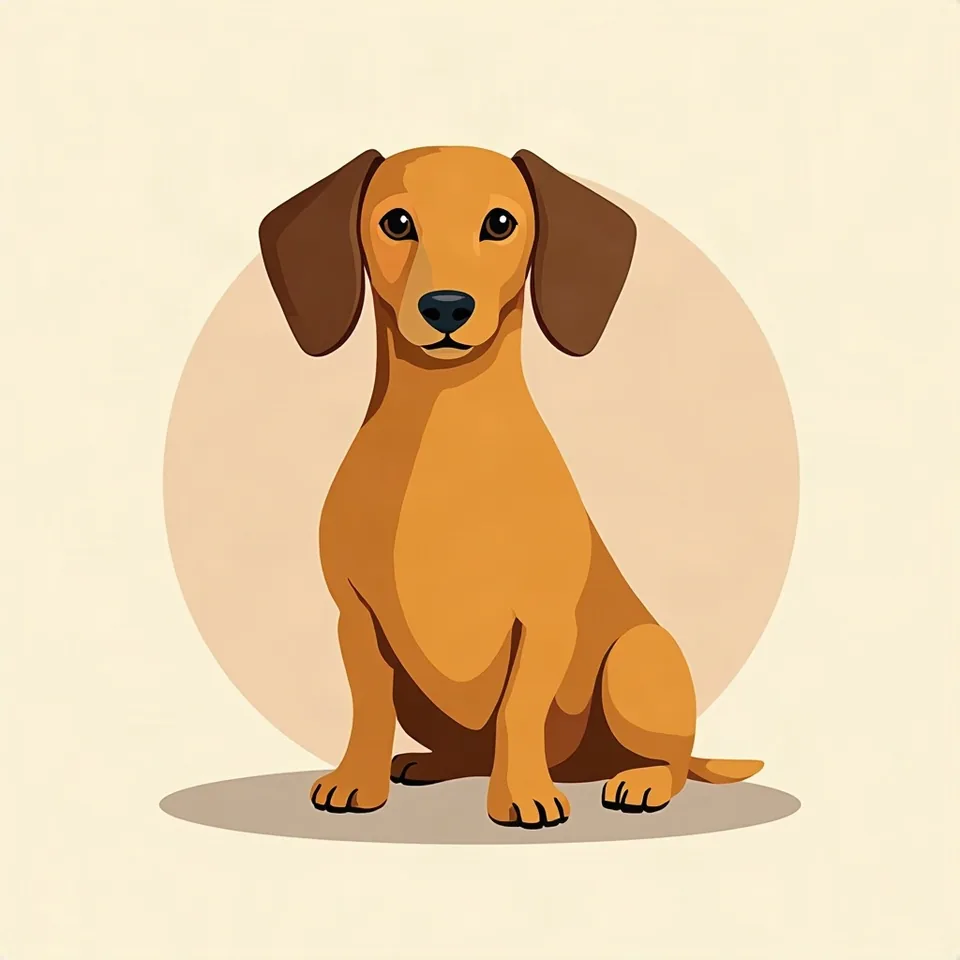
Dachshund
Small · 7–14 kg · 12–16 years
The Dachshund's long back carries a high risk of intervertebral disc disease, and even a little extra weight makes that risk dramatically worse. Here's how precise feeding keeps a Dachshund lean and protects its sensitive spine for life.

French Bulldog
Small · 8–14 kg · 9–11 years
The French Bulldog is a brachycephalic breed in which even mild overweight noticeably worsens breathing and adds strain to a spine already prone to disc herniation. Here's how precise portioning and an easily digestible food keep a French Bulldog lean and healthy.
Sources
- FCI standard no. 208: Shih Tzu
- WSAVA Global Nutrition Committee: Global Nutrition Guidelines
Last updated 2 September 2026.