Large breed
Rough Collie: feeding, nutrition and health
The Rough Collie is a tall, slender dog whose long coat can easily hide extra weight, and the breed carries a genetic sensitivity to certain drugs (MDR1). Here's how much a Rough Collie should weigh, how to check its condition under all that coat, and what raises its risk of bloat.
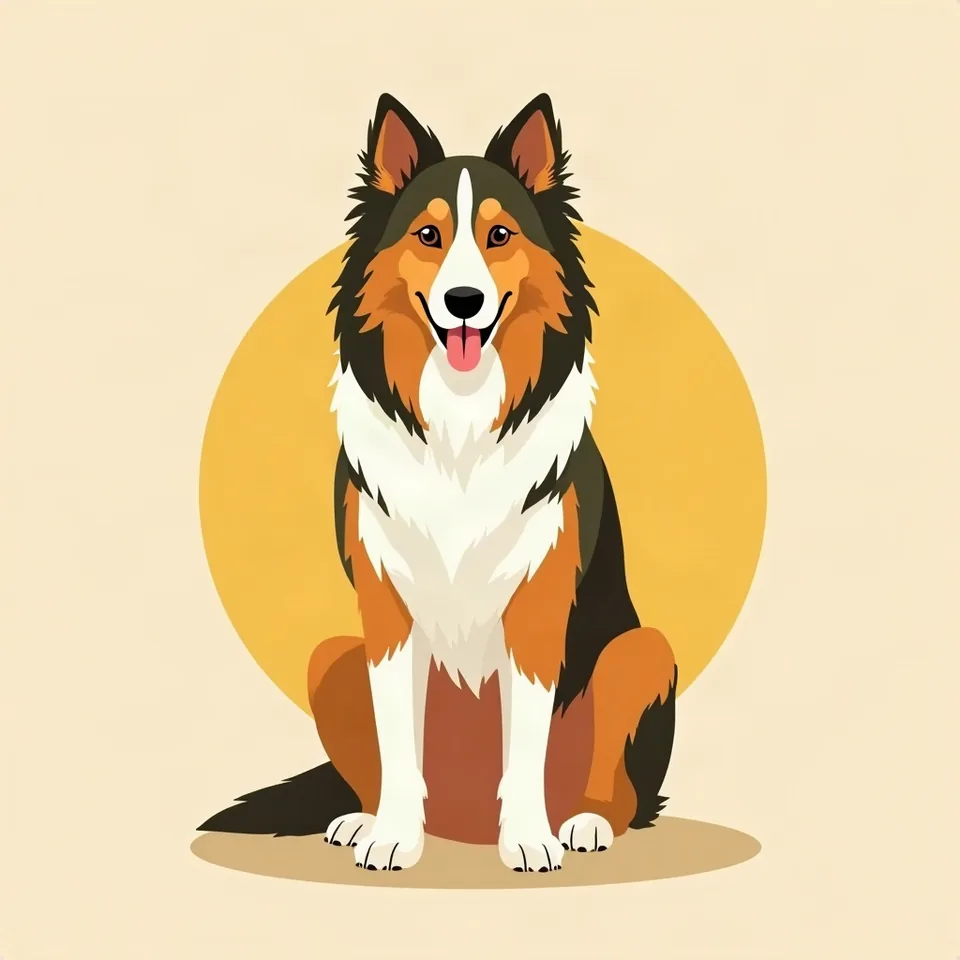
- Weight
- 18–29 kg40–64 lb
- Height
- 51–61 cm20–24 in
- Lifespan
- 12–14 yrs
- Size
- Large
- Activity
- High
- Adult at
- 15 months
- Senior from
- 7 yrs
- FCI group
- 1
How much food does a Rough Collie need?
The calculator starts at the breed average of 23.5 kg (52 lb). Put in your own dog's weight and the energy figure from the bag.
On the bag this is the metabolisable energy (ME). If it is given per kg, divide by 10. If it is in kJ, divide by 4.184.
Daily portion
— g
— oz · range — g
Per meal
— g
2 meals a day
Energy
— kcal
resting need — kcal
Usage: — kg a month (a 12 kg bag lasts about — days)
Cost: — a month
The full explanation of the maths is on the food portion calculator.
Feeding a Rough Collie: what matters
A Rough Collie looks large but is actually slender and athletic; energy needs per kilogram tend to run lower than in stockier large breeds of similar height. A large-breed food with mild to moderate energy density usually suits it better than a high-calorie recipe built for working dogs.
Because the thick coat hides the dog's real build, it's especially important to check condition by regularly feeling the ribs and spine rather than relying on looks. Weigh the dog every 3 to 4 weeks and adjust the portion based on the actual weight trend, not appearance.
For dogs with dermatomyositis or other skin problems, a food higher in omega-3 fatty acids is worth adding as support alongside standard veterinary treatment. Quality protein also aids the muscle regeneration this disease can undermine.
Protein in the food
22–26 %
dry matter, mostly animal
Fat in the food
12–16 %
dry matter, by activity
What to watch for
- Weight gain hidden under a thick coat: check condition by regularly feeling the dog, not just by looking.
- A high-calorie food built for working dogs is too much for an ordinarily active family Collie.
- Feeding right before or after intense activity raises the risk of gastric torsion.
- Giving certain antiparasitics without knowing the dog's MDR1 status; talk to your vet and consider a genetic test.
Practical feeding tips
- Do regular weigh-ins and hands-on rib checks; the coat easily distorts the visual impression of body condition.
- Feed twice a day, avoid one large portion, and allow at least an hour of rest after eating.
- Choose a large-breed food with moderate, not high, energy density.
- Make sure the diet provides enough omega-3 fatty acids to support skin and coat.
- Have the dog genetically tested for MDR1 and tell your vet the result before starting any medication.
Feeding schedule by age
| Stage | Meals a day | Note |
|---|---|---|
| Puppy 8 to 12 weeks | 4x | Large-breed puppy food with controlled energy and calcium. |
| Puppy 3 to 6 months | 3x | Track growth rate by touch; the coat visually distorts body condition. |
| Junior 6 to 15 months | 2x | Gradual switch to adult large-breed food. |
| Adult 15 months to 7 years | 2x | Food with moderate energy density, and regular weight checks under the coat. |
| Senior from 7 years | 2x | Lower energy density, joint and skin support, and weight checks by touch. |
Health risks that diet affects
MDR1 gene mutation
A fairly common genetic mutation in Collies causes heightened sensitivity to certain drugs, ivermectin among them, which can cross the blood-brain barrier in affected dogs and cause serious neurotoxicity. It has nothing to do with diet, but owners should have the dog genetically tested and tell their vet about the result before any antiparasitic is given.
Collie eye anomaly (CEA)
An inherited developmental eye defect specific to Collies and related breeds, detectable with a genetic test or an eye exam by a veterinary ophthalmologist in puppyhood. It has no link to diet; it's a purely genetic issue worth screening for before breeding.
Dermatomyositis
An inflammatory autoimmune disease affecting skin and muscle, genetically linked to this breed and typically showing up as skin lesions and muscle weakness in young dogs. Treatment is veterinary, but adequate omega-3 intake can offer some supportive anti-inflammatory benefit alongside standard therapy.
Gastric torsion (bloat)
A tall, deep-chested build raises the risk of this acute, life-threatening condition. Feeding twice a day rather than one large meal, resting after eating, and avoiding intense activity right after a meal all reduce it.
Weight hidden under the coat
A dense, long coat can visually mask creeping weight gain even from an attentive owner. Condition needs to be checked by regularly feeling the ribs and spine under the coat, not just by looking, or extra weight can go unnoticed until it's well advanced.
Temperament and exercise
Sensitive, intelligent, and closely bonded to family, with a high need for exercise and social contact. Long walks and mental stimulation suit a Rough Collie far better than a day spent alone in the yard.
A tall, slender, deep-chested build means a Collie needs relatively fewer calories per kilogram than similarly tall but stockier breeds. It still overeats easily, though, if an owner feeds by size alone rather than the dog's real build.
That thick, long coat hides both incipient weight gain and weight loss remarkably well; a visual check just doesn't work as reliably as it does on a short-haired breed, so condition needs to be verified by hand on a regular basis.
Coat: Long, dense double coat with a pronounced mane and frill. Sheds heavily, and the thick undercoat can visually hide creeping weight gain.
Common questions about feeding a Rough Collie
How much should a Rough Collie weigh?
The FCI standard puts males at 20.5 to 29.5 kg (45 to 65 lb) and females at 18.5 to 25 kg (41 to 55 lb), at heights of 56 to 61 cm (22 to 24 in) for males and 51 to 56 cm (20 to 22 in) for females. The thick coat hides both overweight and underweight well, so checking condition by feeling the ribs is more reliable than looking.
How much food does a Rough Collie need per day?
An adult Collie weighing 24 kg (53 lb) with average activity needs roughly 1,000 to 1,200 kcal a day. With a moderate-energy kibble (360 kcal/100g), that's about 280 to 330 g (10 to 11.5 oz) split into two meals. A less active or neutered dog needs 20 to 30% less.
What's the best food for a Rough Collie?
A large-breed food with moderate energy density and enough omega-3 fatty acids to support skin and coat. High-calorie recipes built for working dogs suit only genuinely sport-active individuals.
How long do Rough Collies live?
Typically 12 to 14 years. Quality and length of life are most affected by weight control, which this breed's thick coat makes trickier by hiding creeping weight gain, and by catching autoimmune skin disease early.
What is the MDR1 mutation, and does it affect feeding?
It's a genetic mutation common in Collies that raises sensitivity to certain drugs, ivermectin among them. It isn't directly linked to diet, but it's important to have the dog tested and to tell your vet before giving antiparasitics or other drugs that can trigger a serious reaction in affected dogs.
Are Rough Collies at risk of bloat?
Yes, a tall, deep-chested build raises the risk of gastric torsion. Feeding twice a day rather than one large meal, at least an hour of rest after eating, and avoiding intense activity right after a meal all reduce that risk.
Breeds of a similar size
Akita
Large · 25–45 kg · 10–12 years
The Akita is a powerful, independent breed with a strong predisposition to autoimmune skin disease and thyroid problems. Here's how much an Akita should weigh, how diet affects autoimmune inflammation, and why careful feeding matters for this breed's risk of bloat.
American Staffordshire Terrier
Large · 18–32 kg · 12–14 years
The American Staffordshire Terrier is a muscular, powerful breed prone to skin allergies and to weight gain if its energetic temperament doesn't get enough exercise. Here's how to support muscle and joints through diet, and how to recognize a food allergy in this breed.
Boxer
Large · 25–32 kg · 9–11 years
The Boxer is a muscular, deep-bodied breed with an elevated risk of heart arrhythmia, cancer, and bloat. Here's how diet can support the heart and digestion, and how feeding practices can lower this breed's high risk of stomach twisting.
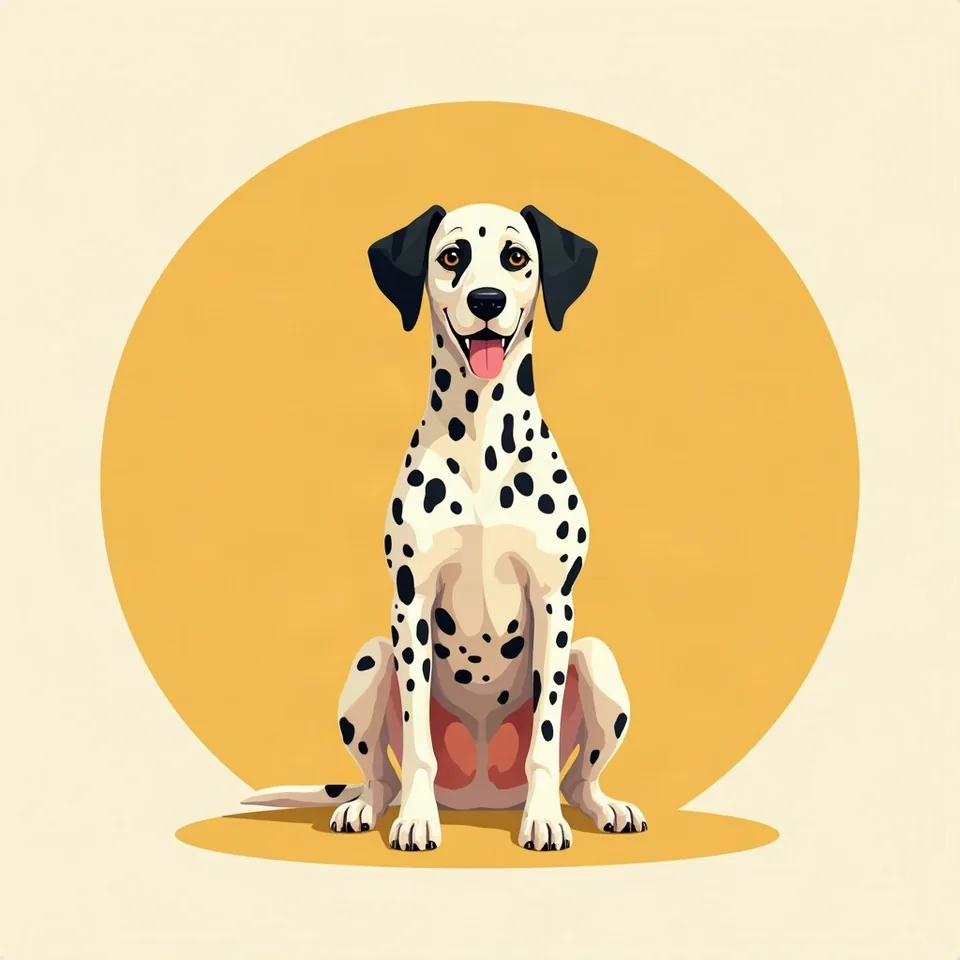
Dalmatian
Large · 24–32 kg · 11–13 years
The Dalmatian has a unique, genetically based disorder of purine metabolism that sets it apart from every other breed: it excretes an excessive amount of uric acid and is prone to urate bladder stones. Its diet therefore needs to be low in purines, moderate in protein, and built around good hydration.
Sources
- FCI standard no. 156: Collie (Rough)
- WSAVA Global Nutrition Committee: Global Nutrition Guidelines
Last updated 2 September 2026.