Fruit
What fruit can dogs eat?
Most fruit is safe for dogs in small amounts, but a few kinds are seriously toxic. Sorted from safe to dangerous.
At a glance
| Food | Verdict | In short |
|---|---|---|
| Apples | Yes | Yes, dogs can eat apples. The flesh is safe, full of fiber and vitamin C, and even gives teeth a light mechanical clean. |
| Blueberries | Yes | Yes, blueberries are one of the healthiest fruits for dogs. They're small, low in calories, and packed with antioxidants, which is why they're often recommended as a training treat or a snack for older dogs. |
| Pears | Yes | Yes, dogs can eat pears. The flesh is safe and full of fiber and vitamin C. |
| Raspberries | Yes | Yes, dogs can eat raspberries in moderation. They're low in sugar and high in fiber and antioxidants, but they do contain a trace amount of natural xylitol, so they're not something to feed every day. |
| Strawberries | Yes | Yes, dogs can eat strawberries. They're low in calories, full of vitamin C and antioxidants, and most dogs love them. |
| Watermelon | Yes | Yes, dogs can eat watermelon. The flesh is about ninety percent water, low in calories, and most dogs love it as a summer treat. |
| Bananas | In moderation | Yes, dogs can eat banana, but only as an occasional treat. It's safe and dogs tend to love it, but it's high in sugar. |
| Cherries | In moderation | Yes, but only in moderation and always with the pit removed. The flesh of a cherry isn't toxic on its own, but the pit, stem and leaves contain traces of cyanide, and the pit can easily get stuck in the digestive tract. |
| Dates | In moderation | Yes, dogs can eat dates, but only occasionally and never with the pit. They're extremely high in sugar, so at most they work as a tiny, infrequent treat. |
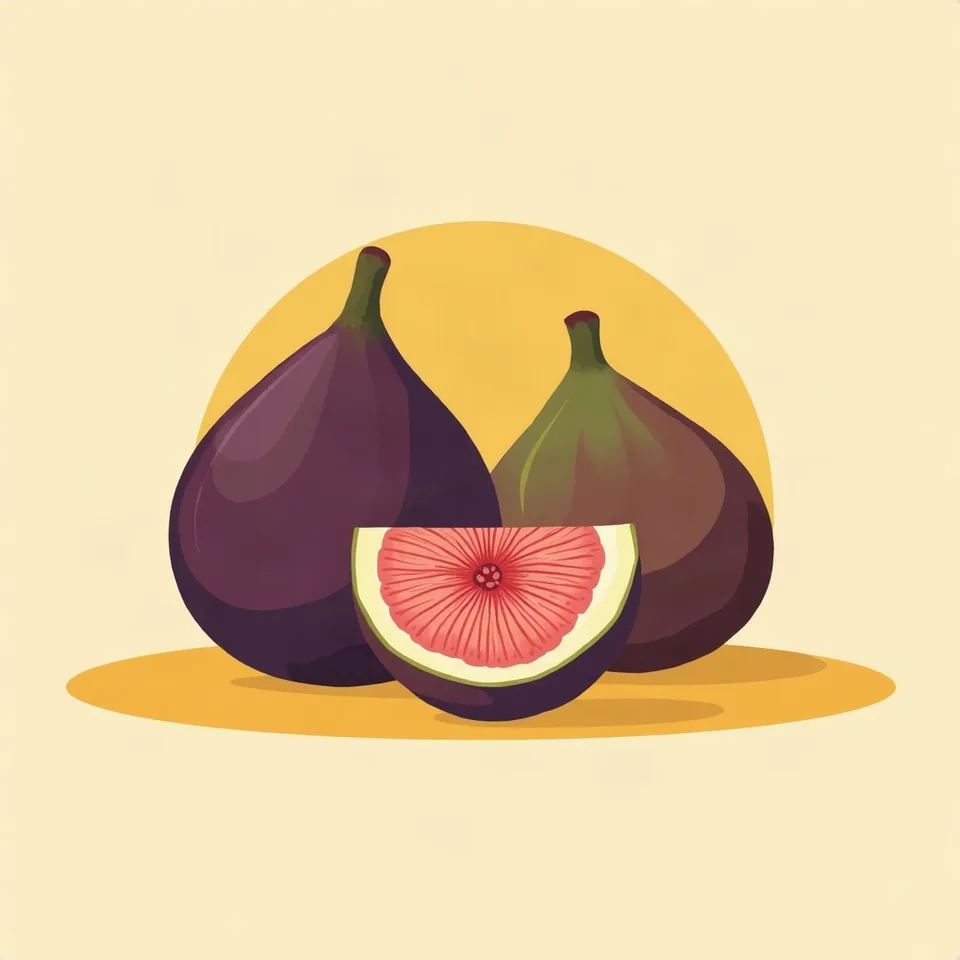
| Figs | In moderation | Yes, a small amount of fresh, ripe, peeled fig is fine for most dogs. Figs are high in sugar and fiber, so they only work as an occasional treat, not a regular part of the diet. |
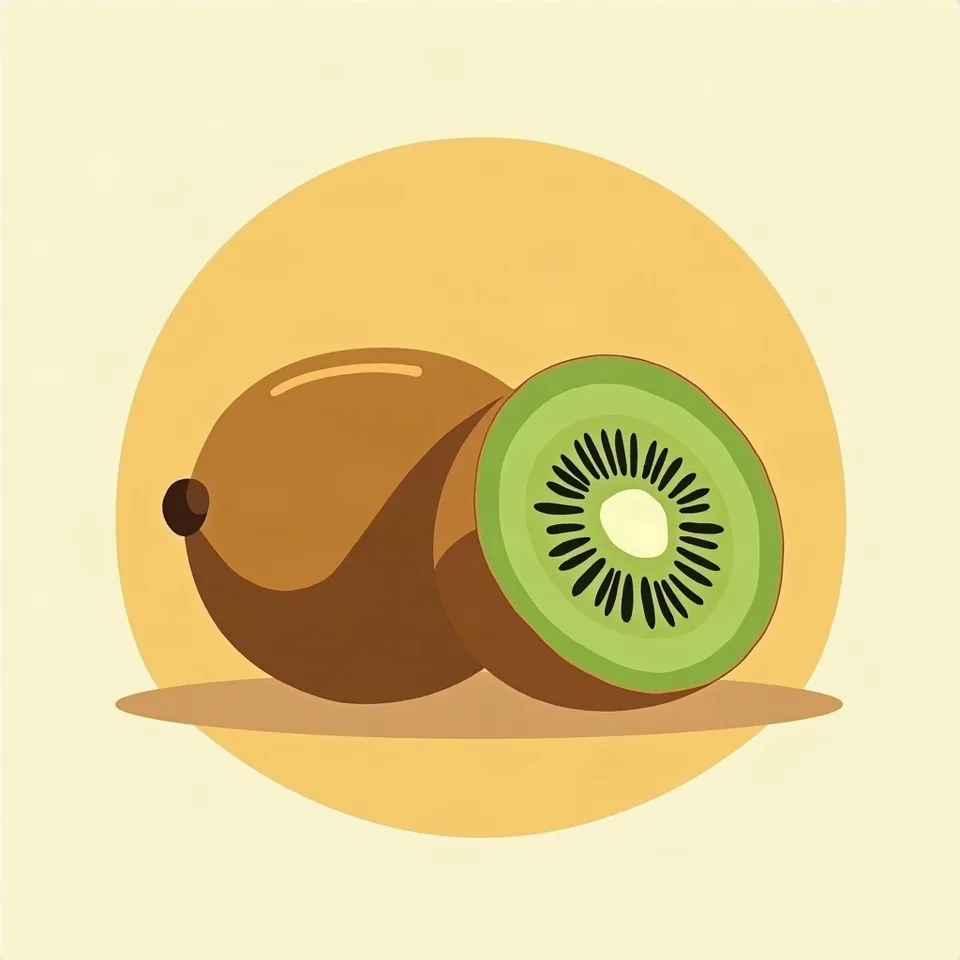
| Kiwi | In moderation | Yes, but in moderation. Peeled kiwi flesh is safe for dogs and full of vitamin C, but the fuzzy skin is irritating and hard to digest, and too much of the fruit's fiber can cause diarrhea. |
| Mango | In moderation | Yes, but in moderation. Peeled mango flesh with no pit is safe for dogs and rich in vitamins, but it's high in sugar, and the pit is a serious choking and intestinal blockage risk. |
| Oranges | In moderation | Yes, but in moderation. A few segments of flesh with no peel or seeds won't hurt a dog, but the citrus oil in the peel is irritating, and most dogs aren't fans of oranges anyway because of the strong smell and tart taste. |
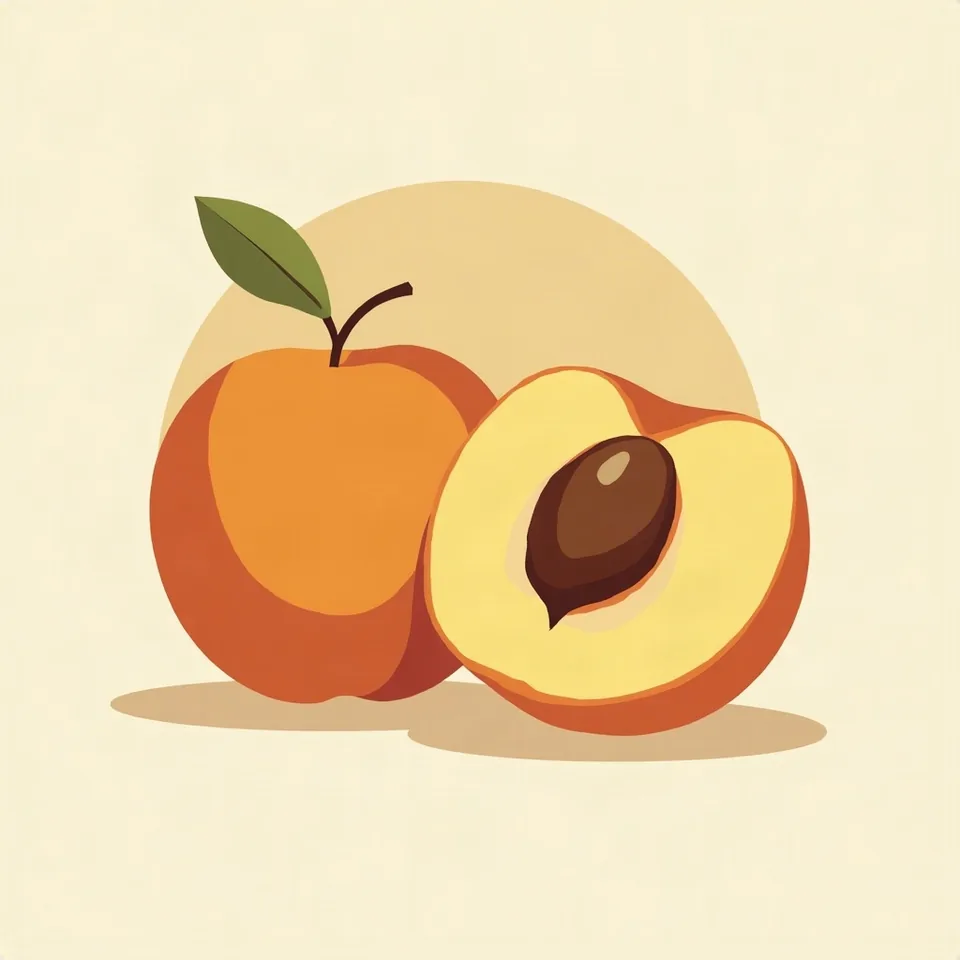
| Peaches | In moderation | Yes, in moderation. Peach flesh is safe in small amounts and full of vitamins, but the pit is hard, contains trace amounts of cyanide, and poses a serious choking or blockage risk. |
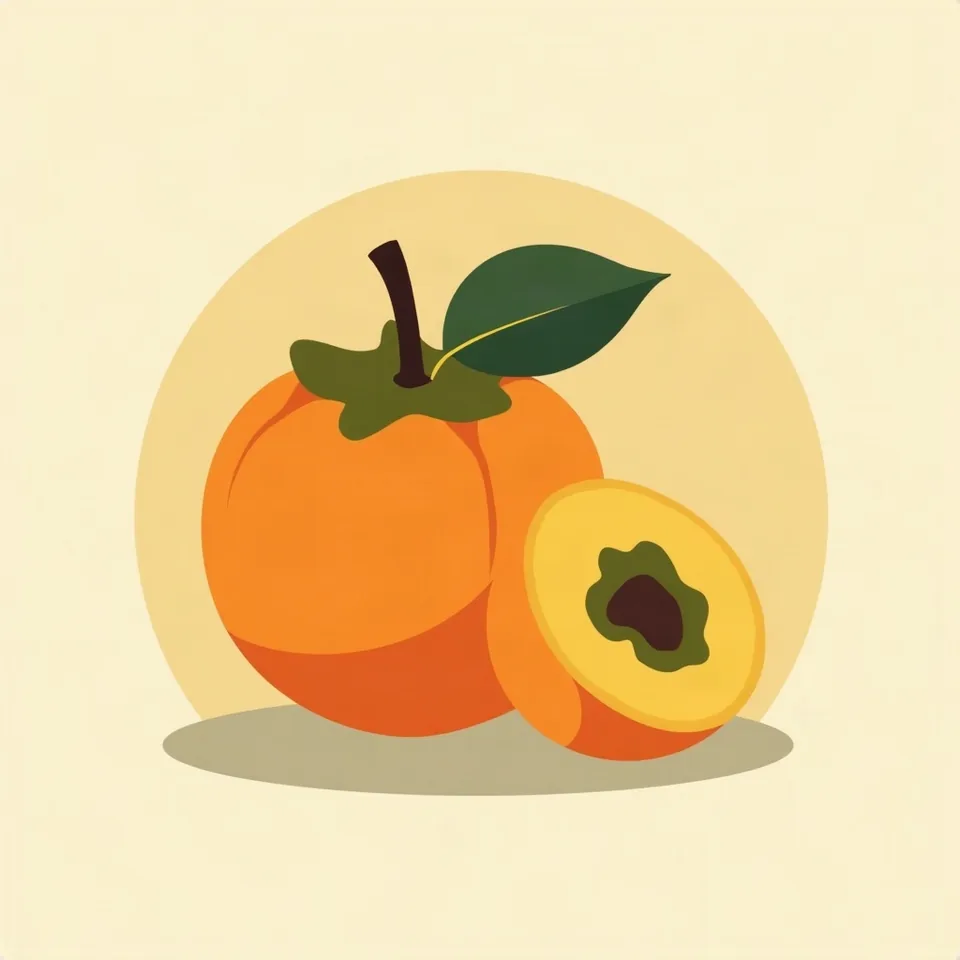
| Persimmon | In moderation | Yes, but only ripe flesh with no seeds or skin, and in small amounts. Persimmon seeds can block the intestine, and unripe fruit contains tannins that form hard masses in the stomach. |
| Pineapple | In moderation | Yes, in moderation. Fresh pineapple flesh, with the skin and core removed, is safe for dogs in small amounts, but it's high in sugar, and the tough skin and core can injure the mouth or block the gut. |
| Plums | In moderation | Yes, but in moderation. Plum flesh is safe in small amounts, but the pit is hard and contains traces of cyanide. |
| Pomegranate | In moderation | Yes, dogs can eat pomegranate pulp without the seeds' hard peel or the white membrane, but only in small amounts. The rind and white pith contain tannins that irritate digestion. |
| Pomelo | In moderation | Yes, but only the peeled flesh, with no seeds, and in small amounts. Pomelo is high in sugar, and the peel's citrus oils can upset digestion, so it's fine only as an occasional treat. |
| Avocado | No | No, avocado isn't recommended for dogs. It contains persin, which dogs tolerate better than birds or horses do, but the pit is a serious choking and blockage hazard, and the high fat content can trigger pancreatitis. |
| Grapes | Toxic | No. Grapes are highly toxic to dogs and can cause acute kidney failure. |
| Raisins | Toxic | No. Raisins are just as dangerous as grapes, arguably more so, since drying concentrates the toxin. |
In detail
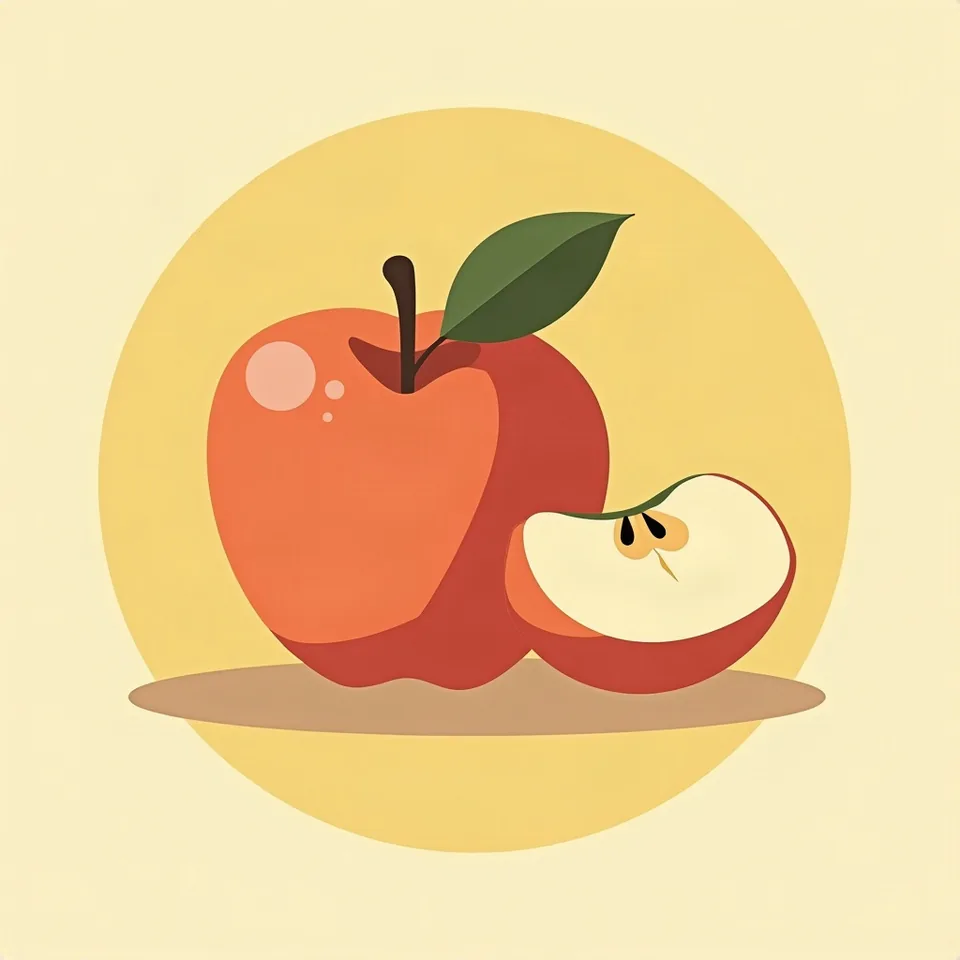
Can dogs eat apples?
Yes, dogs can eat apples. The flesh is safe, full of fiber and vitamin C, and even gives teeth a light mechanical clean. Always remove the core and seeds, though, and don't feed large pieces at once.
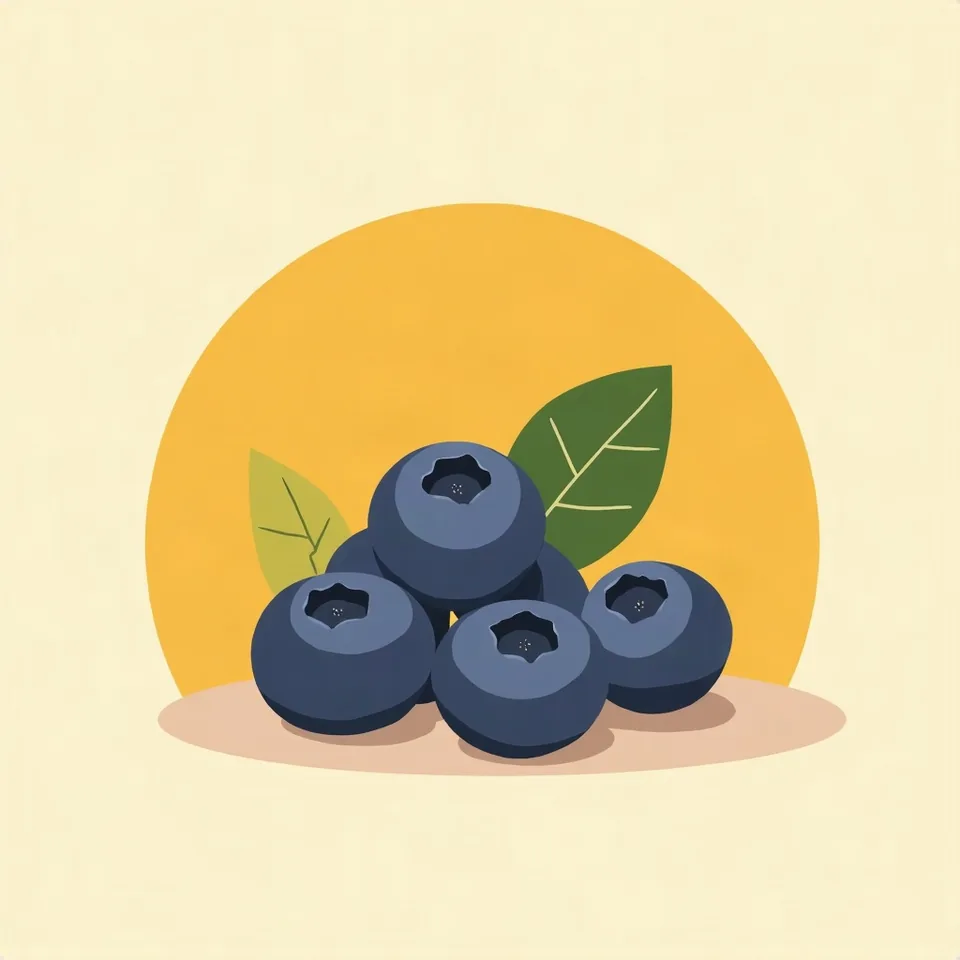
Can dogs eat blueberries?
Yes, blueberries are one of the healthiest fruits for dogs. They're small, low in calories, and packed with antioxidants, which is why they're often recommended as a training treat or a snack for older dogs.

Can dogs eat pears?
Yes, dogs can eat pears. The flesh is safe and full of fiber and vitamin C. Always remove the core and seeds along with the stem, though, since they contain trace amounts of cyanide-forming compounds.
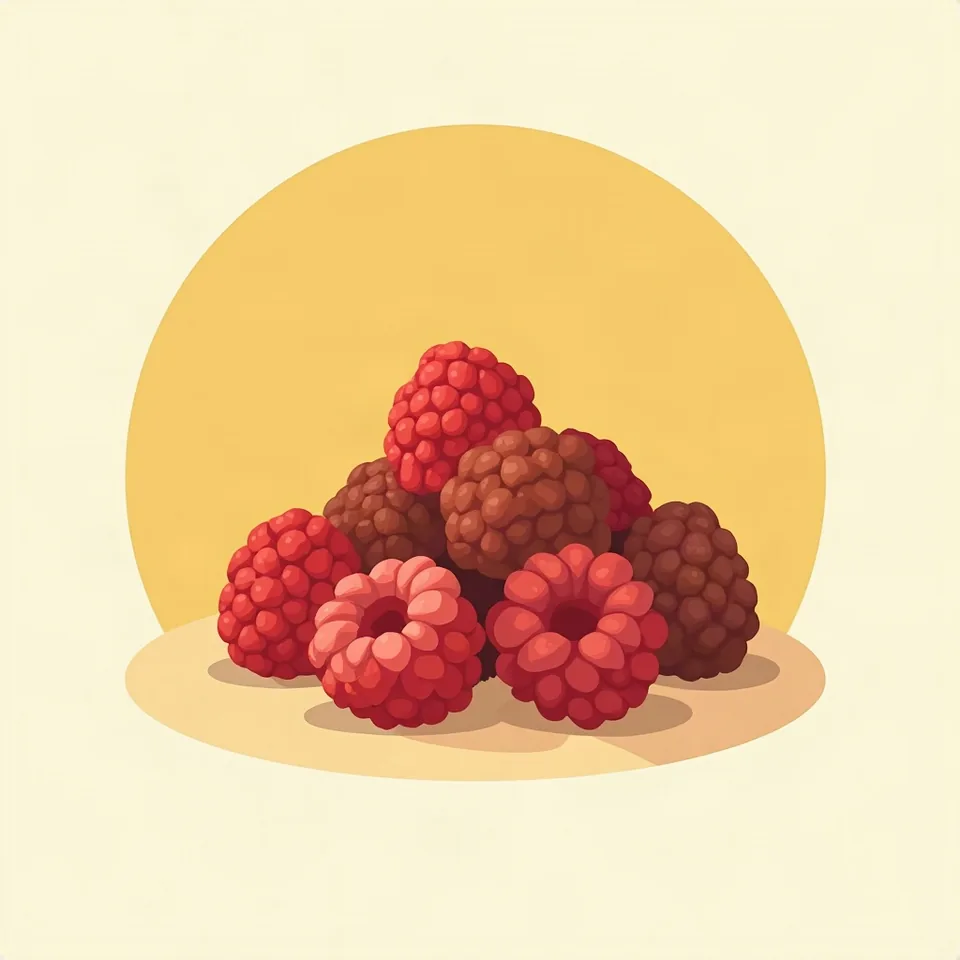
Can dogs eat raspberries?
Yes, dogs can eat raspberries in moderation. They're low in sugar and high in fiber and antioxidants, but they do contain a trace amount of natural xylitol, so they're not something to feed every day.

Can dogs eat strawberries?
Yes, dogs can eat strawberries. They're low in calories, full of vitamin C and antioxidants, and most dogs love them. Serve them washed, with the leafy top removed, and in a reasonable amount because of the sugar content.
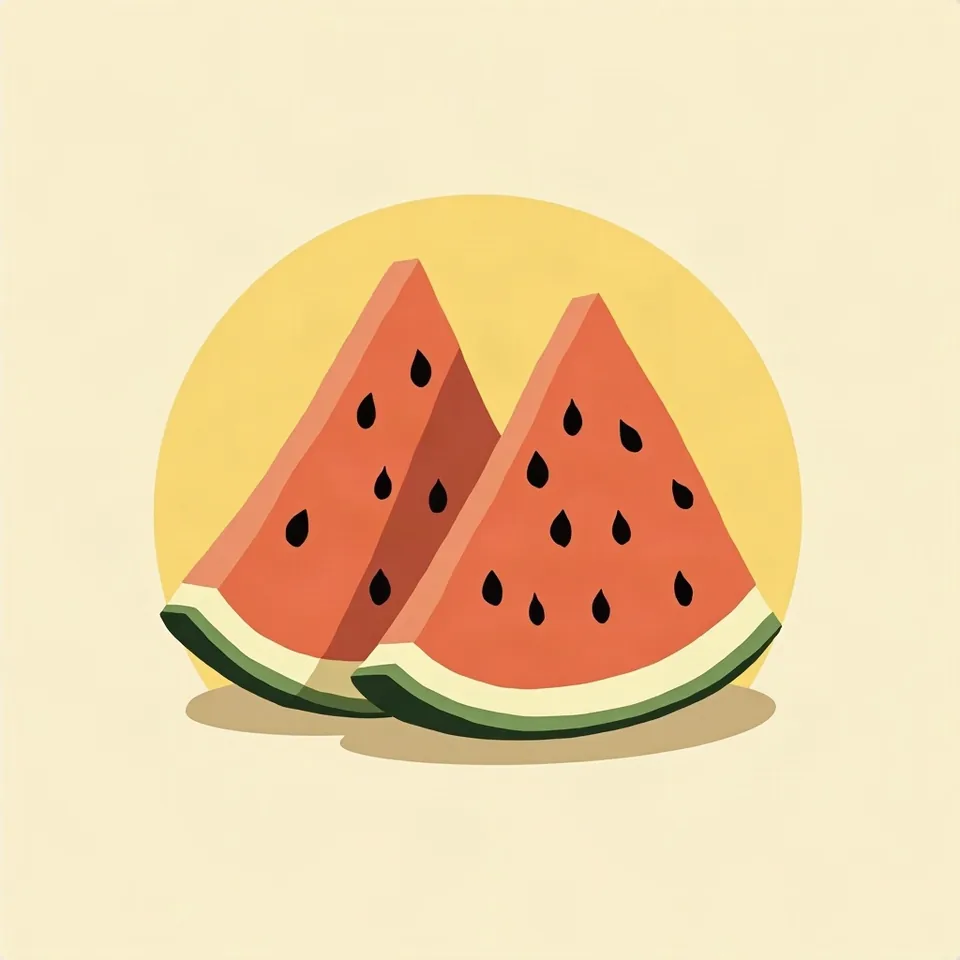
Can dogs eat watermelon?
Yes, dogs can eat watermelon. The flesh is about ninety percent water, low in calories, and most dogs love it as a summer treat. Just always remove the seeds and the tough rind first.

Can dogs eat bananas?
Yes, dogs can eat banana, but only as an occasional treat. It's safe and dogs tend to love it, but it's high in sugar. A small dog only needs 2 to 3 slices, a large dog about half a banana.

Can dogs eat cherries?
Yes, but only in moderation and always with the pit removed. The flesh of a cherry isn't toxic on its own, but the pit, stem and leaves contain traces of cyanide, and the pit can easily get stuck in the digestive tract. In practice, it's often simpler to skip cherries altogether.

Can dogs eat dates?
Yes, dogs can eat dates, but only occasionally and never with the pit. They're extremely high in sugar, so at most they work as a tiny, infrequent treat.
Can dogs eat figs?
Yes, a small amount of fresh, ripe, peeled fig is fine for most dogs. Figs are high in sugar and fiber, so they only work as an occasional treat, not a regular part of the diet.
Can dogs eat kiwi?
Yes, but in moderation. Peeled kiwi flesh is safe for dogs and full of vitamin C, but the fuzzy skin is irritating and hard to digest, and too much of the fruit's fiber can cause diarrhea.

Can dogs eat mango?
Yes, but in moderation. Peeled mango flesh with no pit is safe for dogs and rich in vitamins, but it's high in sugar, and the pit is a serious choking and intestinal blockage risk.

Can dogs eat oranges?
Yes, but in moderation. A few segments of flesh with no peel or seeds won't hurt a dog, but the citrus oil in the peel is irritating, and most dogs aren't fans of oranges anyway because of the strong smell and tart taste.
Can dogs eat peaches?
Yes, in moderation. Peach flesh is safe in small amounts and full of vitamins, but the pit is hard, contains trace amounts of cyanide, and poses a serious choking or blockage risk.
Can dogs eat persimmon?
Yes, but only ripe flesh with no seeds or skin, and in small amounts. Persimmon seeds can block the intestine, and unripe fruit contains tannins that form hard masses in the stomach.

Can dogs eat pineapple?
Yes, in moderation. Fresh pineapple flesh, with the skin and core removed, is safe for dogs in small amounts, but it's high in sugar, and the tough skin and core can injure the mouth or block the gut.
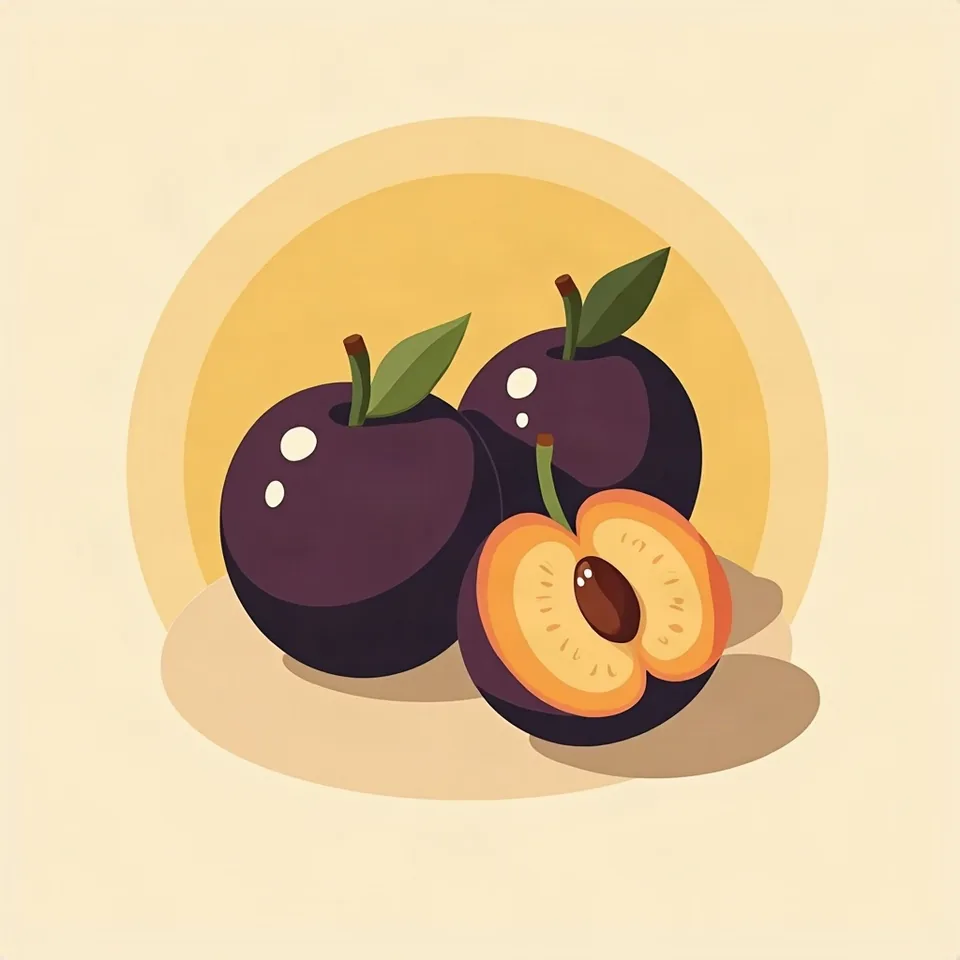
Can dogs eat plums?
Yes, but in moderation. Plum flesh is safe in small amounts, but the pit is hard and contains traces of cyanide. Plums can also have a laxative effect in larger quantities.
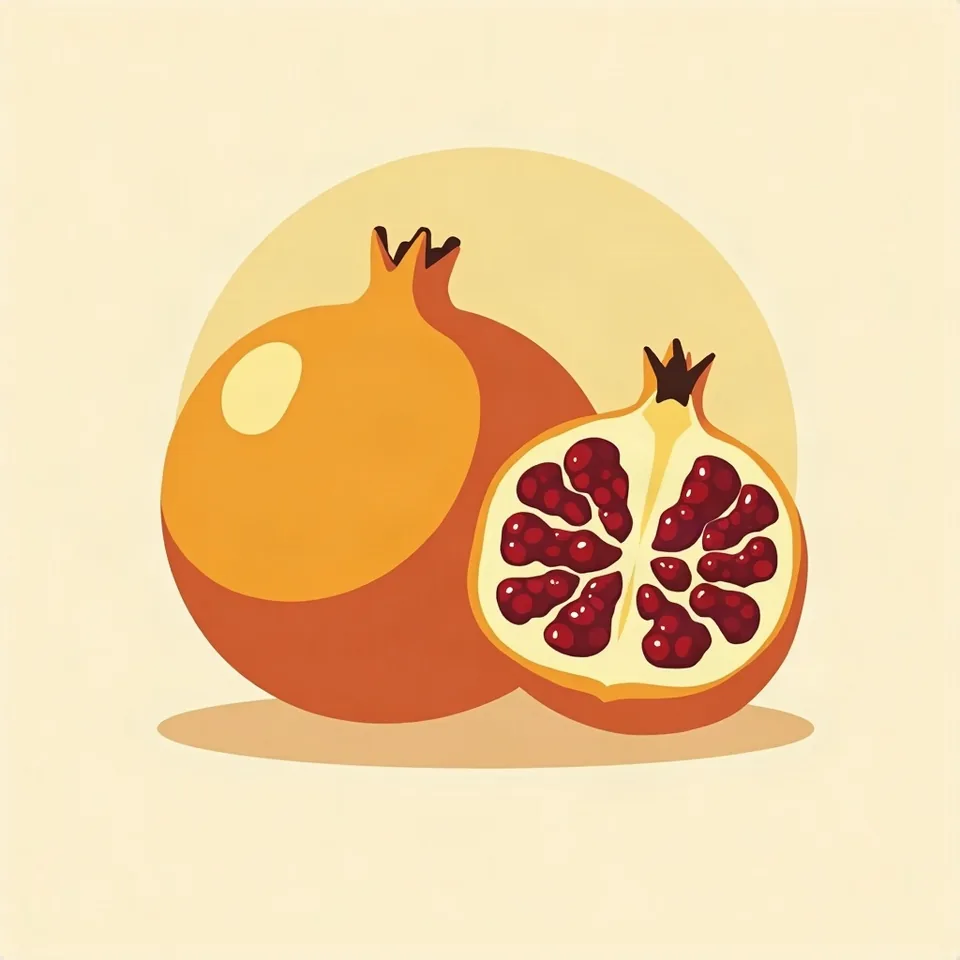
Can dogs eat pomegranate?
Yes, dogs can eat pomegranate pulp without the seeds' hard peel or the white membrane, but only in small amounts. The rind and white pith contain tannins that irritate digestion.
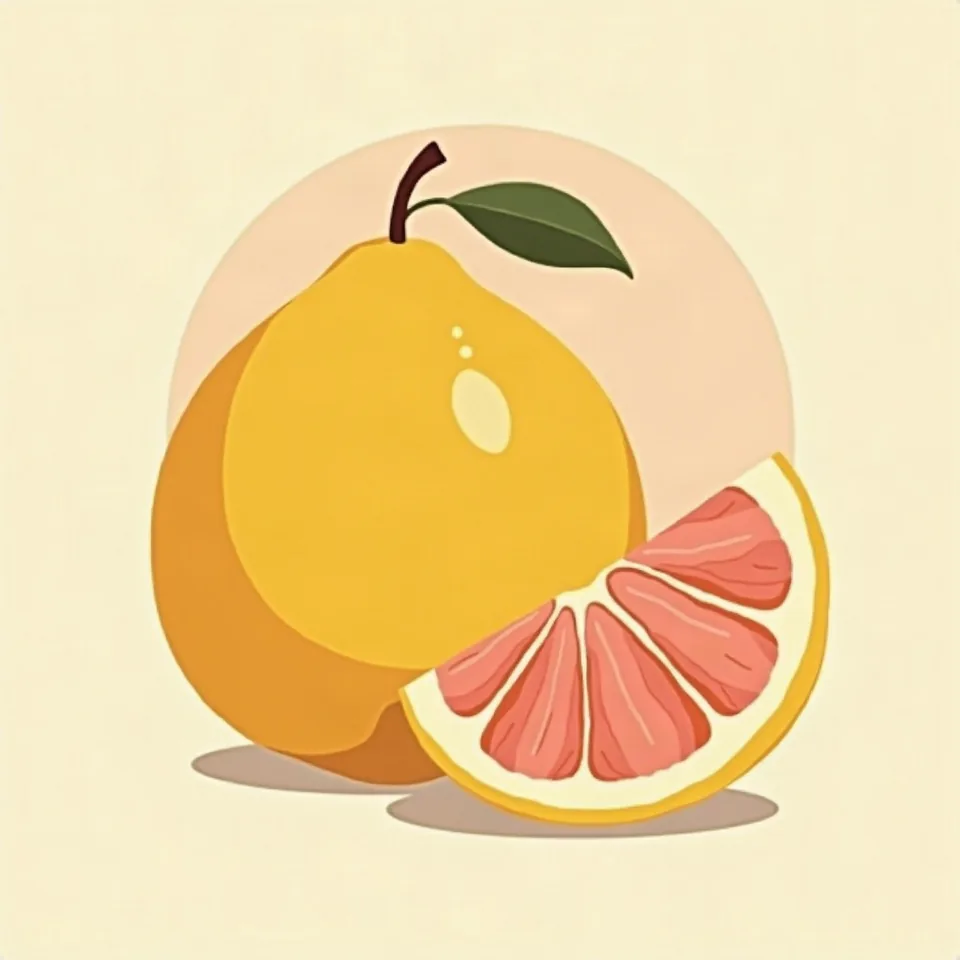
Can dogs eat pomelo?
Yes, but only the peeled flesh, with no seeds, and in small amounts. Pomelo is high in sugar, and the peel's citrus oils can upset digestion, so it's fine only as an occasional treat.
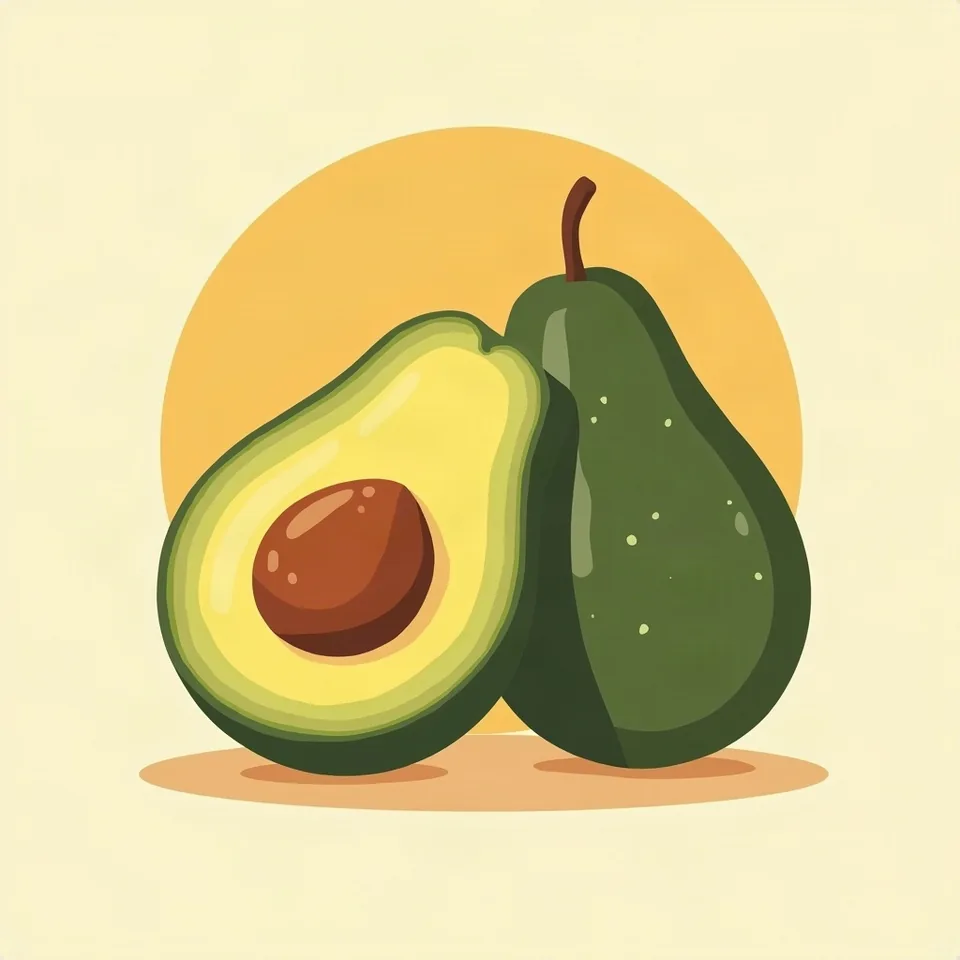
Can dogs eat avocado?
No, avocado isn't recommended for dogs. It contains persin, which dogs tolerate better than birds or horses do, but the pit is a serious choking and blockage hazard, and the high fat content can trigger pancreatitis.
Can dogs eat grapes?
No. Grapes are highly toxic to dogs and can cause acute kidney failure. There's no known safe amount, and it doesn't depend on breed or size. Call your vet immediately if your dog eats any.

Can dogs eat raisins?
No. Raisins are just as dangerous as grapes, arguably more so, since drying concentrates the toxin. There is no safe amount. If your dog eats any, call your vet right away.
Key: Yes, safe · Yes, in moderation · No, better avoided · Dangerous, never.