Can dogs eat pears?
Short answer
Yes, dogs can eat pears. The flesh is safe and full of fiber and vitamin C. Always remove the core and seeds along with the stem, though, since they contain trace amounts of cyanide-forming compounds.
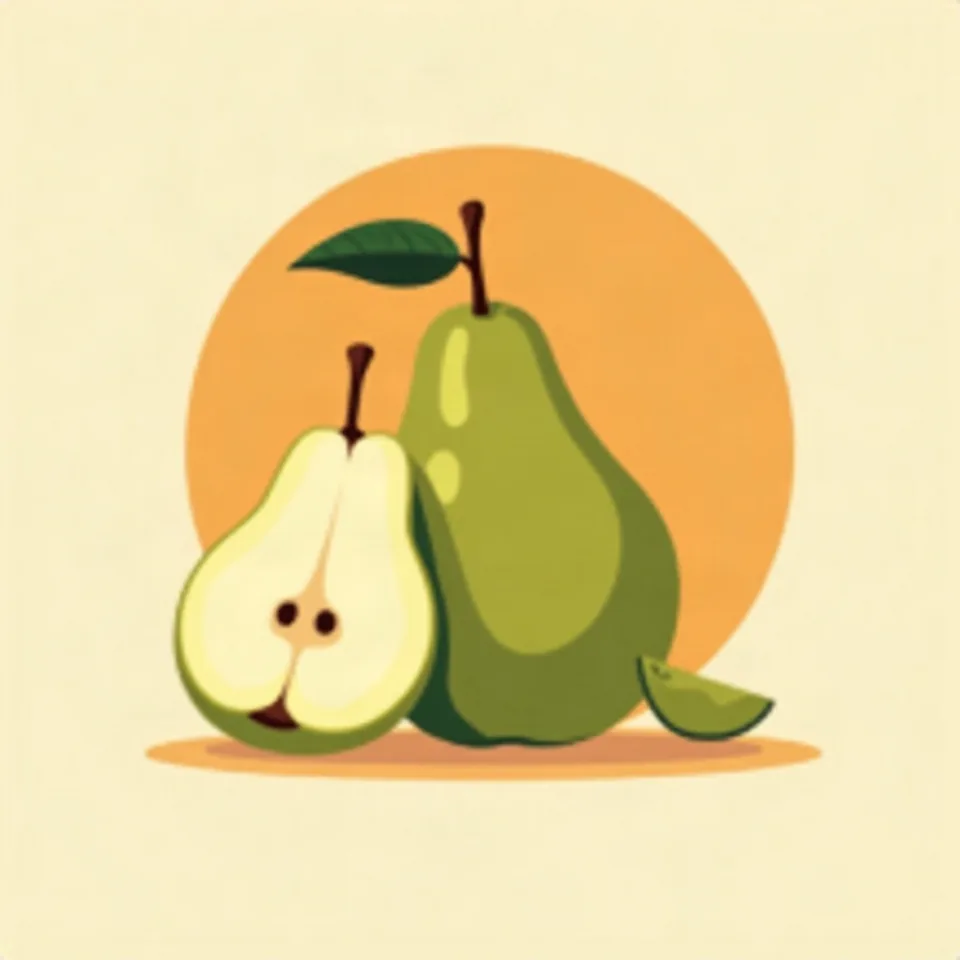
Like apples, pears are a safe and nutritionally worthwhile fruit for dogs: high fiber, low fat, and a pleasant taste. The only real risk is the core and seeds. Here's how to prepare pears properly and how much to give.
Why it is fine
Pear flesh contains vitamin C, vitamin K, copper, and soluble fiber that supports digestion. It's low in fat and protein, making it suitable even for dogs with a sensitive stomach or mild weight issues, as long as the portion stays modest and occasional.
The core, seeds, and stem contain amygdalin, a cyanogenic glycoside similar to the one in apple seeds. From a single pear, the amount is negligible enough that acute cyanide poisoning is essentially not a concern; it's more of a mechanical risk. A hard core can get lodged in the throat or gut, especially in small breeds.
About 100 g of pear contains roughly 10 g of natural sugar, similar to an apple. For dogs with diabetes, weight issues, or a tendency toward pancreatitis, keep an eye on portion size and avoid adding a larger amount of pear on top of a carbohydrate-heavy kibble meal at the same time.
Canned pears in syrup aren't a good substitute for fresh fruit; they contain added sugar, which increases the caloric load and can trigger digestive upset in sensitive dogs or contribute to weight gain over time if fed regularly in larger amounts.
How to serve pears
- Wash the pear, cut out the core with the seeds and the stem, and chop it into pieces sized for your dog.
- For small breeds, consider peeling the skin too if your dog has sensitive digestion or a tendency toward loose stool.
- A ripe, soft pear can be mashed and added to a lick mat or homemade oat treats with no added sugar.
- Skip unripe, hard pears; they're harder to chew, harder to digest, and can irritate a sensitive stomach.
Rough portion
Small dog (under 10 kg / 22 lb): 2-3 small cubes. Medium dog: a quarter of a pear. Large dog: half a pear. A few times a week as a treat.
Risks
- The core or stem getting stuck in the throat or gut, mainly in small breeds.
- Digestive upset (loose stool, gas) from a larger amount, due to the fiber and sugar content.
- Trace amounts of cyanide-forming compounds from repeatedly eating a large number of seeds.
- Added sugar in canned pears packed in syrup.
Symptoms to watch for
- Loose stool or gas after a larger portion
- Gagging if a piece of core gets stuck
- Refusing food, restlessness
Your dog already ate pears. What now?
- A few seeds from one pear usually isn't cause for concern; just watch for normal digestion.
- If your dog swallowed the whole core or stem, watch to make sure they're breathing normally and not gagging.
- See a vet within 24-48 hours for repeated vomiting, loss of appetite, or a bloated abdomen.
Common questions about dogs and pears
How much pear can a dog eat?
A small dog is fine with 2-3 small cubes, a medium dog a quarter of a pear, and a large dog at most half a pear, only occasionally as a treat. Pears contain a similar amount of sugar to apples, so it shouldn't make up more than 10% of daily calorie intake.
Can puppies eat pear?
Yes, in small pieces with the core and seeds removed. A puppy's digestion is more sensitive, so start with one small piece and watch their stool before increasing the amount. Skip unripe, hard pears for puppies; they're harder to chew and can irritate a still-developing stomach.
Are pear seeds toxic to dogs?
They contain amygdalin, which breaks down into cyanide, but the amount from a single pear makes the poisoning risk negligible. It's still best to remove the core every time, mainly because of the risk of it getting stuck in the digestive tract, which is far more likely in practice than actual poisoning.
Can dogs eat dried pears?
In small amounts, yes, as long as they contain no added sugar or sulfur used for color. Dried fruit is far more calorie-dense than fresh, so one or two small pieces is plenty as an occasional treat, ideally without the skin, which tends to be tougher on dried pieces.
Are canned pears okay for dogs?
No, pears in syrup contain a lot of added sugar, which raises the calorie load and can trigger digestive upset or loose stool in sensitive dogs. Always choose fresh or frozen pear with no sweeteners and no syrup, and remember the core still needs to come out either way.
Other good treats
Can dogs eat apples?
Yes, dogs can eat apples. The flesh is safe, full of fiber and vitamin C, and even gives teeth a light mechanical clean. Always remove the core and seeds, though, and don't feed large pieces at once.
Can dogs eat bananas?
Yes, dogs can eat banana, but only as an occasional treat. It's safe and dogs tend to love it, but it's high in sugar. A small dog only needs 2 to 3 slices, a large dog about half a banana.
Can dogs eat blueberries?
Yes, blueberries are one of the healthiest fruits for dogs. They're small, low in calories, and packed with antioxidants, which is why they're often recommended as a training treat or a snack for older dogs.
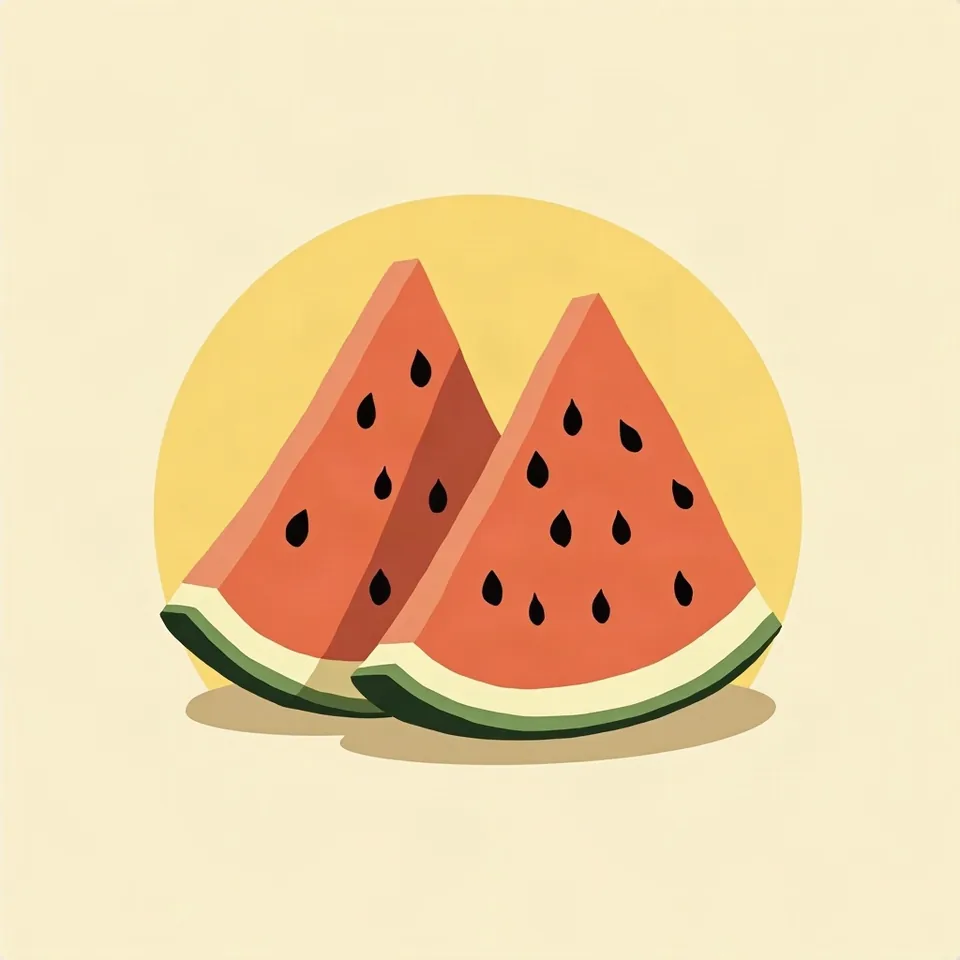
Can dogs eat watermelon?
Yes, dogs can eat watermelon. The flesh is about ninety percent water, low in calories, and most dogs love it as a summer treat. Just always remove the seeds and the tough rind first.
More from fruit
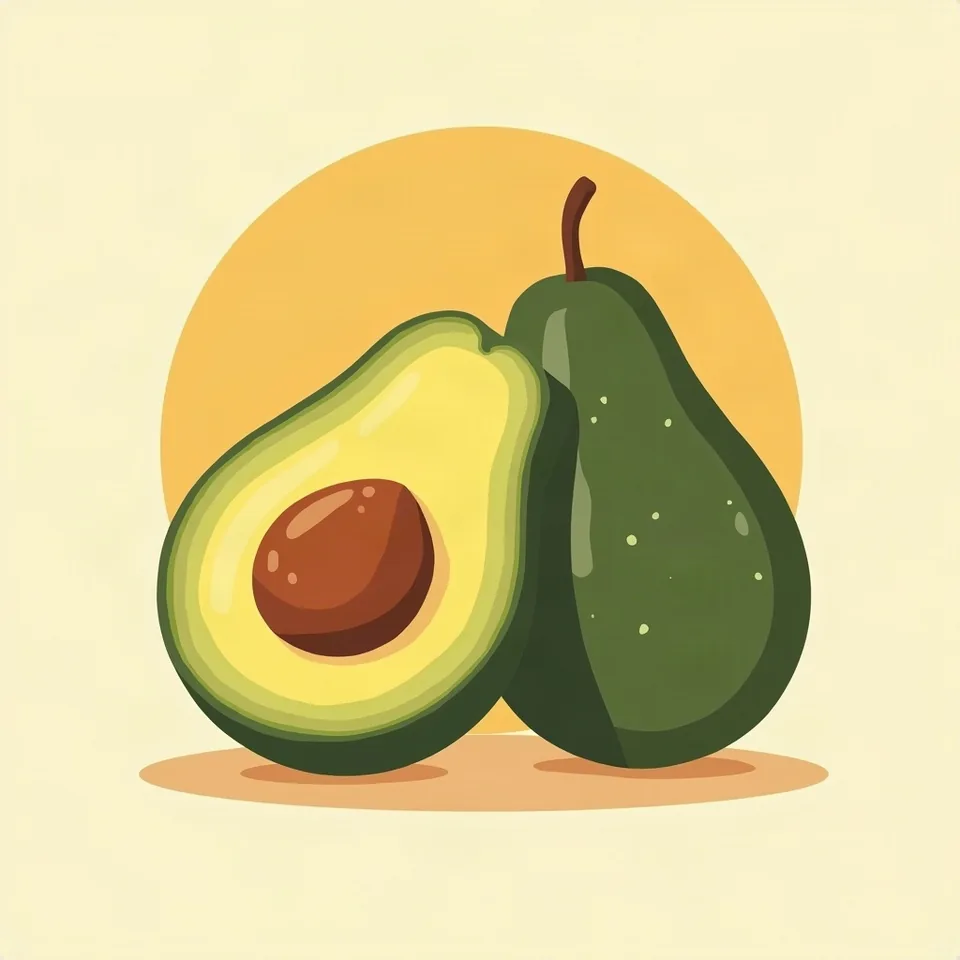
Can dogs eat avocado?
No, avocado isn't recommended for dogs. It contains persin, which dogs tolerate better than birds or horses do, but the pit is a serious choking and blockage hazard, and the high fat content can trigger pancreatitis.
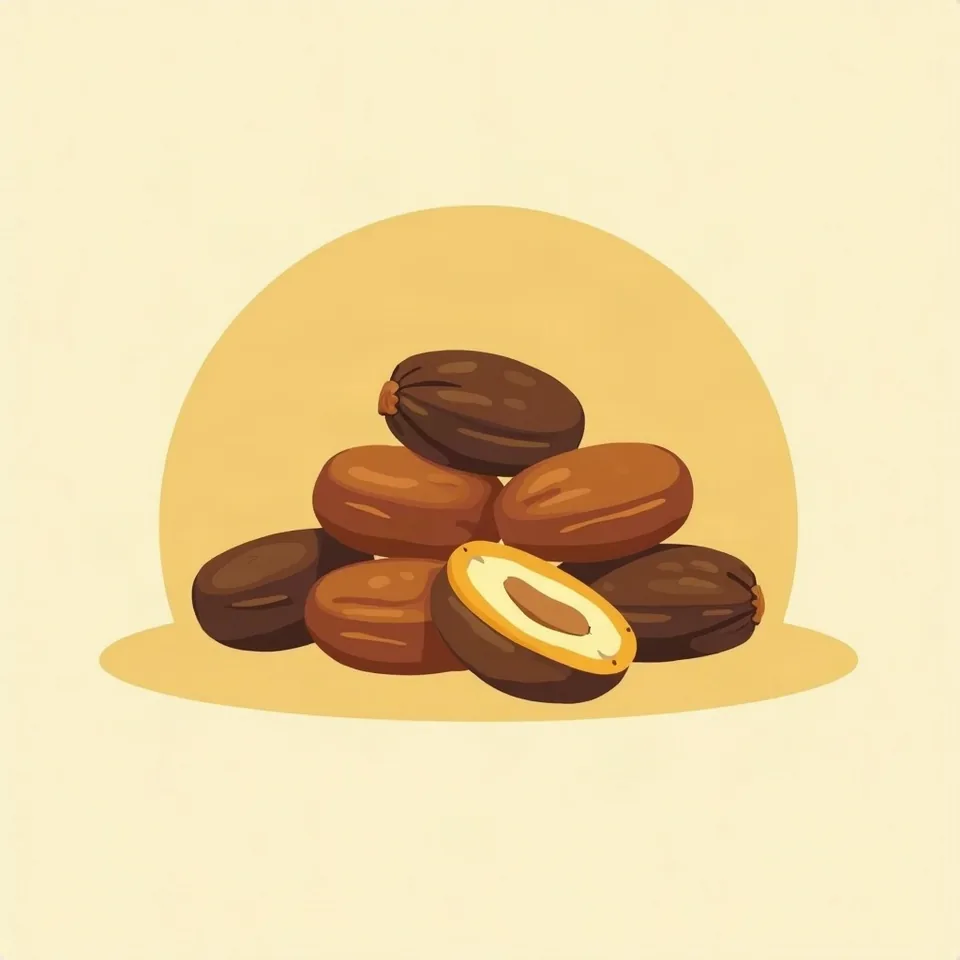
Can dogs eat dates?
Yes, dogs can eat dates, but only occasionally and never with the pit. They're extremely high in sugar, so at most they work as a tiny, infrequent treat.
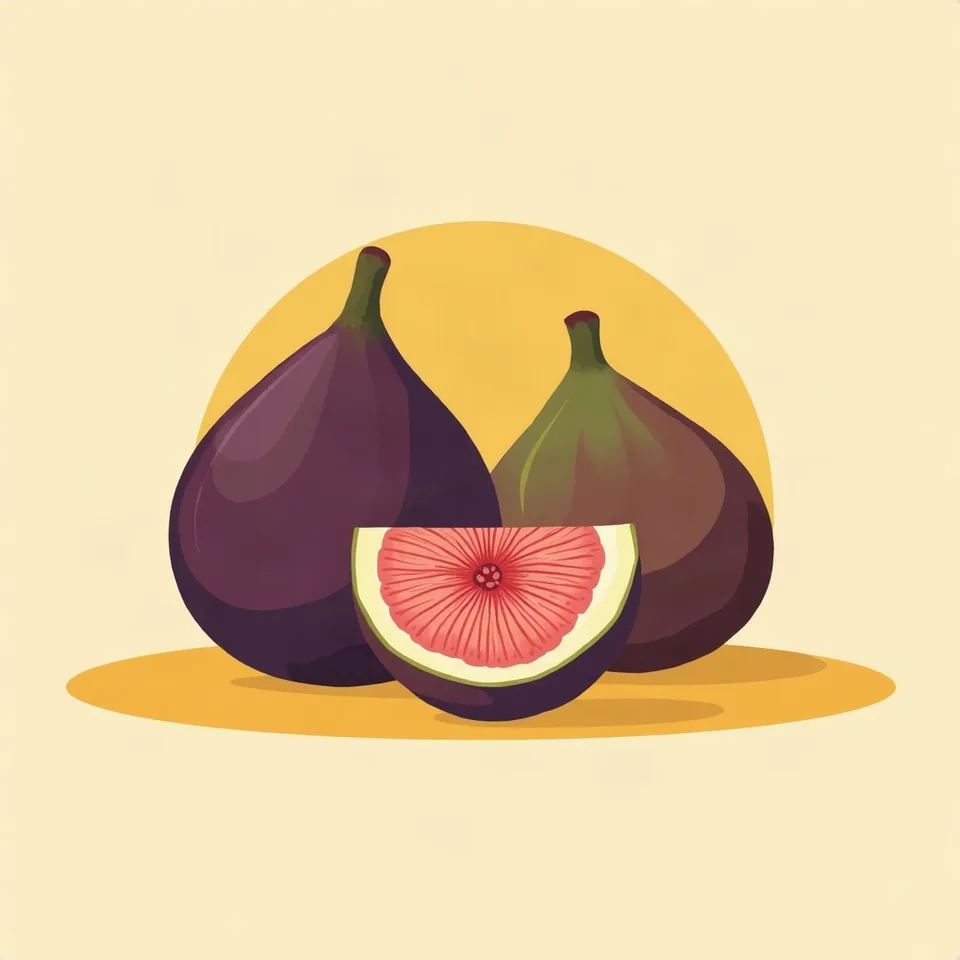
Can dogs eat figs?
Yes, a small amount of fresh, ripe, peeled fig is fine for most dogs. Figs are high in sugar and fiber, so they only work as an occasional treat, not a regular part of the diet.
Sources
- AKC: Can Dogs Eat Pears? Are Pears Good for Dogs?
- ASPCA Animal Poison Control: People Foods to Avoid Feeding Your Pets
Last updated 2 September 2026.