Can dogs eat bananas?
Short answer
Yes, dogs can eat banana, but only as an occasional treat. It's safe and dogs tend to love it, but it's high in sugar. A small dog only needs 2 to 3 slices, a large dog about half a banana.
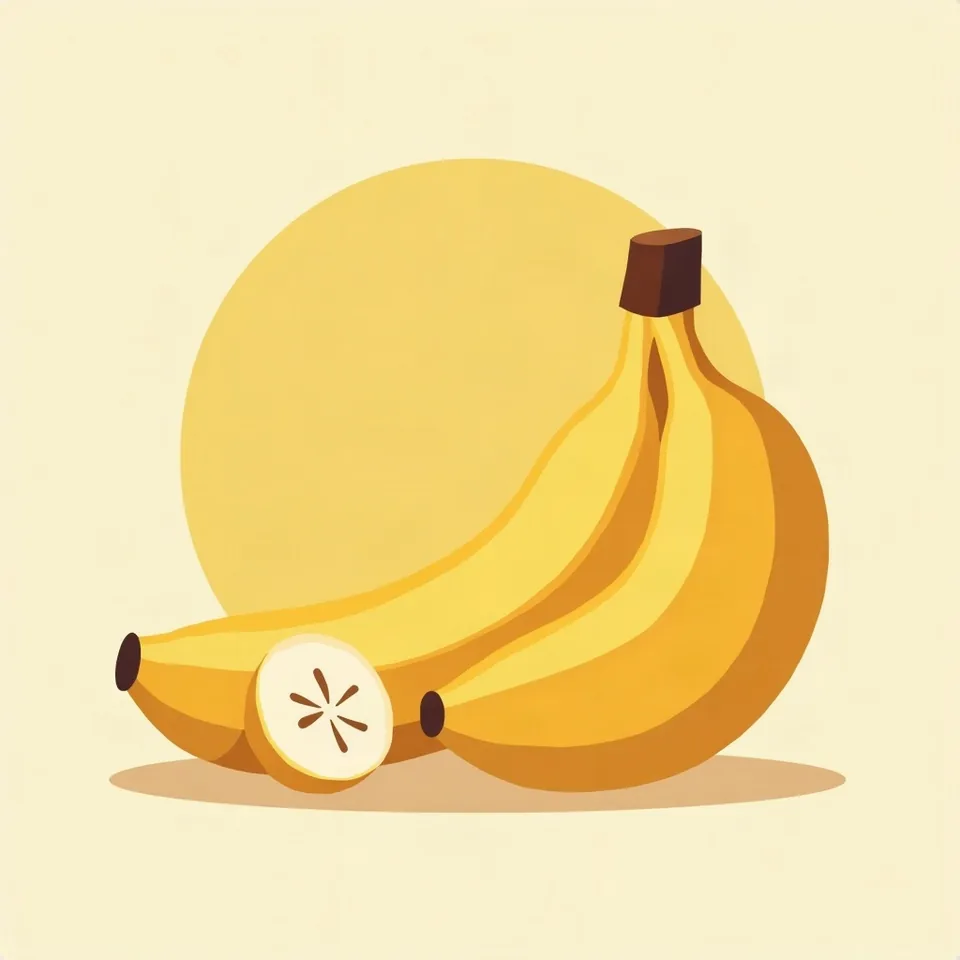
Banana is a safe fruit for dogs and works well as a training treat or mixed into homemade dog biscuits. Because it's high in sugar, though, it belongs on the menu only occasionally and in small amounts. Here's how much banana to give, when to skip it, and how to serve it.
Why only in moderation
Banana doesn't contain anything toxic to dogs. It provides potassium, vitamin B6, vitamin C, and fiber. Compared with most commercial treats it's low in fat and sodium, which is why vets often recommend it as a healthier alternative for dogs carrying extra weight.
The catch is the sugar. A hundred grams of banana contains roughly 12 g of simple sugars, which is a lot for a metabolism built around protein and fat. Regular, larger portions lead to weight gain, and can be a problem for dogs prone to diabetes or pancreatitis.
Ripeness affects how digestible a banana is. A green banana contains resistant starch, which ferments in the gut and causes gas. An overripe banana, on the other hand, has the most sugar. A regular ripe yellow banana without brown spots is the best choice.
How to serve bananas
- Peel it and cut it into slices or cubes sized for your dog. Skip the peel; it isn't toxic, but it's hard to digest and can cause constipation or a blockage.
- Freeze banana slices for a summer treat. For dogs that gulp their food, mash the frozen pieces first so they can't be swallowed whole.
- Mashed banana works well on a lick mat or as a binder in homemade oatmeal and peanut-butter biscuits, as long as the peanut butter is xylitol-free.
- Introduce a new treat gradually: one slice on the first day, then watch the stool. If diarrhea shows up, skip the banana.
Rough portion
Small dog (under 10 kg / 22 lb): 2 to 3 slices. Medium dog: a quarter to half a banana. Large dog: half a banana. No more than 2 to 3 times a week. Treats overall shouldn't make up more than 10% of daily calorie intake.
Risks
- Weight gain and elevated blood sugar with regular, larger portions.
- Constipation from a larger amount, due to the fiber and pectin content, or the opposite, diarrhea, in sensitive dogs.
- The peel can cause digestive upset or a blockage, especially in small breeds.
- Store-bought banana chips often contain added sugar and oil, or even honey, and aren't a good substitute.
Symptoms to watch for
- Diarrhea or loose stools after a larger portion
- Constipation after eating the peel or a large amount
- Bloating and abdominal discomfort
Your dog already ate bananas. What now?
- If your dog ate a whole banana, peel included, watch them for 24 to 48 hours. In small dogs, keep an eye on whether they're passing stool normally and not vomiting.
- See a vet if you notice repeated vomiting, a bloated belly, or your dog hasn't passed stool in 2 days; it could be an intestinal blockage.
Common questions about dogs and bananas
How much banana can a dog eat?
Go by the rule that treats should make up no more than 10% of daily calories. In practice that means 2 to 3 slices for a small dog, a quarter to half a banana for a medium dog, and no more than half a banana for a large dog, at most a few times a week. Save the rest for another day or freeze it.
Can puppies eat banana?
Yes, but only small pieces, and only once they're established on regular puppy food. A puppy's digestion is sensitive, and too much sugar or fiber can easily trigger diarrhea. One or two thin slices as a training reward are fine.
Does banana help with a dog's diarrhea?
It's sometimes recommended for its pectin and potassium content, which diarrhea depletes, but the effect is mild, and the sugar can make diarrhea worse in some dogs. A bland diet of boiled rice with chicken, or pureed pumpkin, is more reliable. See a vet if diarrhea lasts more than a day.
Can dogs eat banana peel?
It isn't toxic, but it's tough and fibrous and hard to digest. A small dog risks a blockage, while larger dogs may just end up constipated or vomit. Always throw the peel somewhere your dog can't reach it, including in an outdoor compost bin.
Other good treats
Can dogs eat apples?
Yes, dogs can eat apples. The flesh is safe, full of fiber and vitamin C, and even gives teeth a light mechanical clean. Always remove the core and seeds, though, and don't feed large pieces at once.
Can dogs eat blueberries?
Yes, blueberries are one of the healthiest fruits for dogs. They're small, low in calories, and packed with antioxidants, which is why they're often recommended as a training treat or a snack for older dogs.
Can dogs eat carrots?
Yes, carrots are safe for dogs and rank among the best treats you can give them. They're low in calories, full of fiber and beta-carotene, and raw carrots even help clean teeth. Cut them to a size that suits your dog.
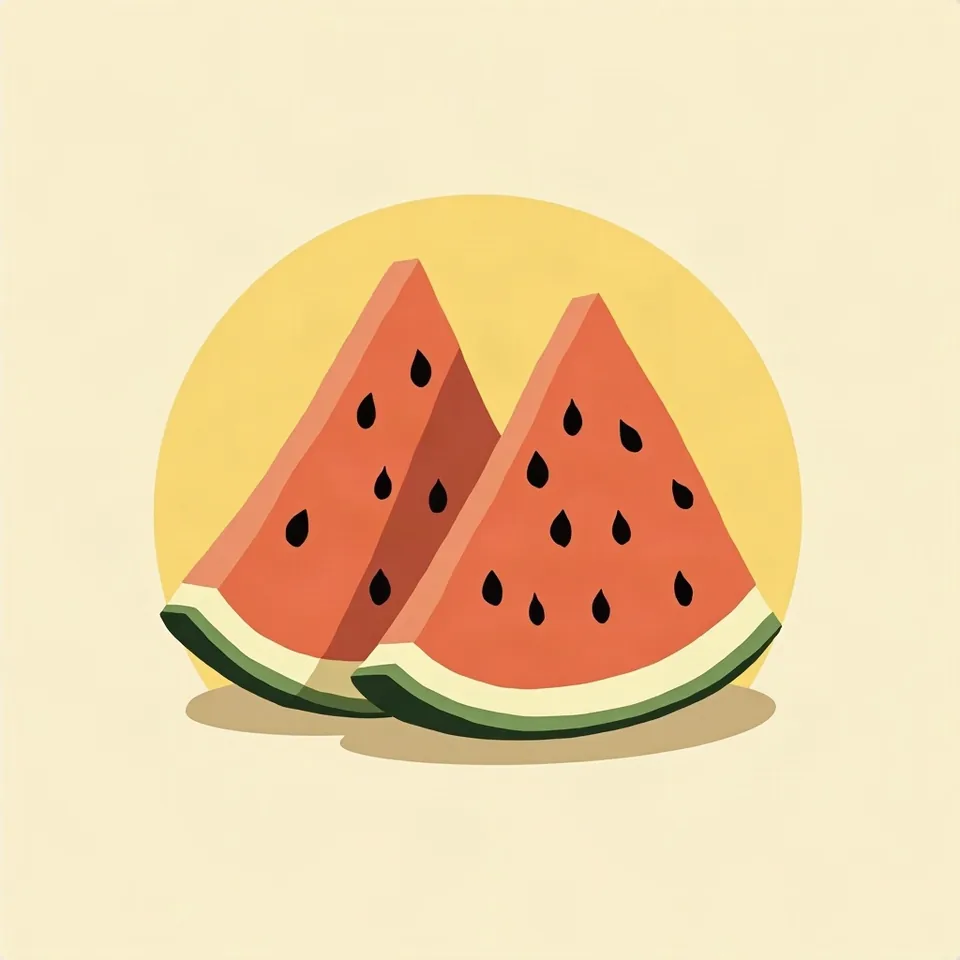
Can dogs eat watermelon?
Yes, dogs can eat watermelon. The flesh is about ninety percent water, low in calories, and most dogs love it as a summer treat. Just always remove the seeds and the tough rind first.
More from fruit
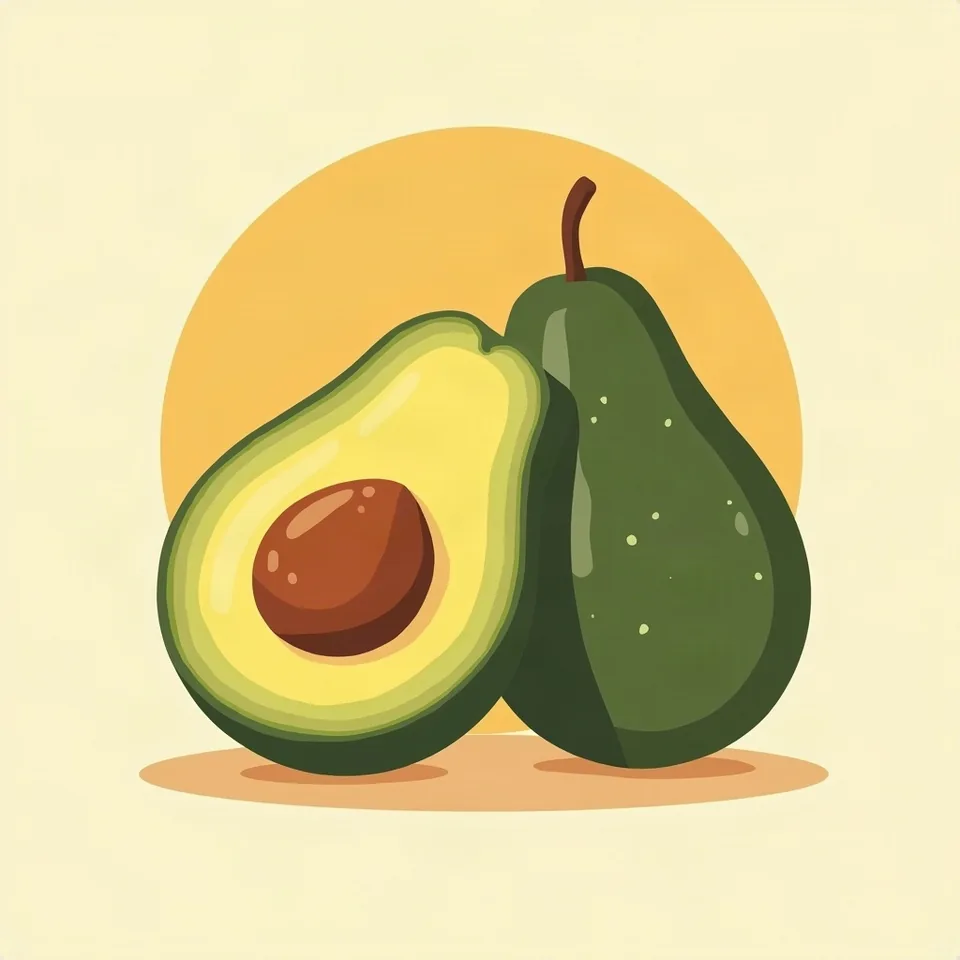
Can dogs eat avocado?
No, avocado isn't recommended for dogs. It contains persin, which dogs tolerate better than birds or horses do, but the pit is a serious choking and blockage hazard, and the high fat content can trigger pancreatitis.
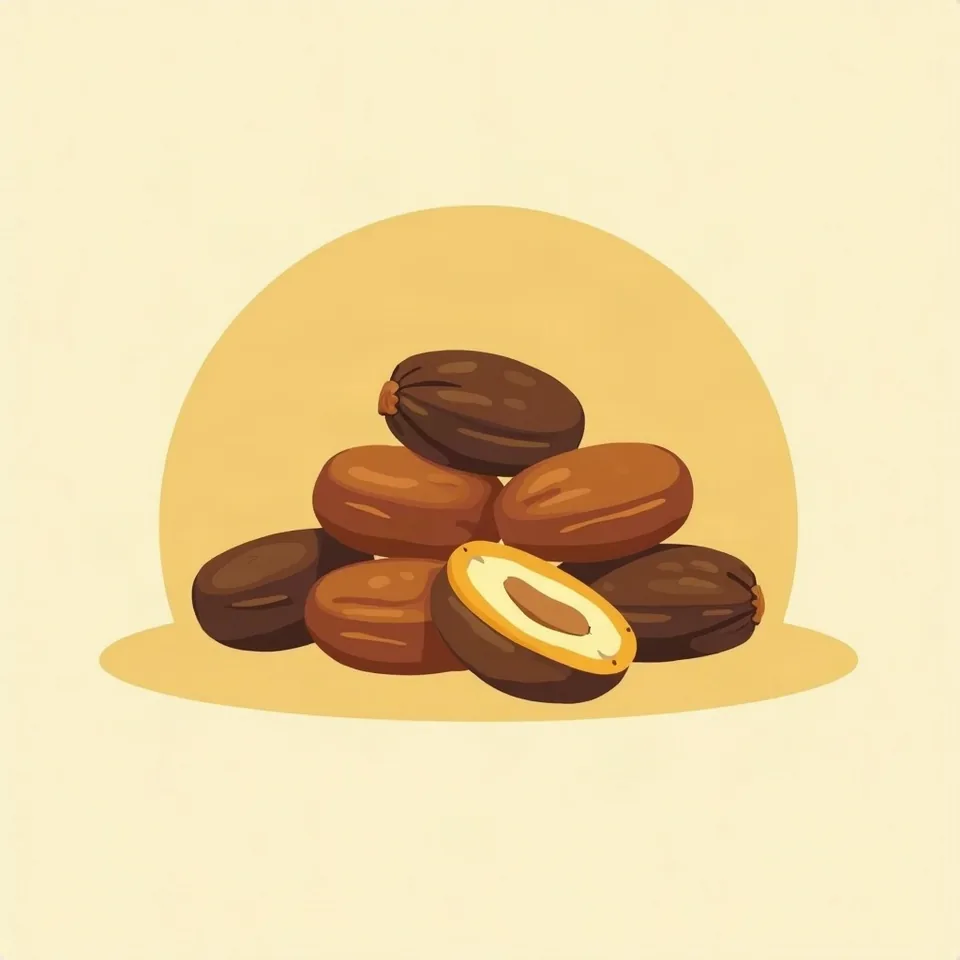
Can dogs eat dates?
Yes, dogs can eat dates, but only occasionally and never with the pit. They're extremely high in sugar, so at most they work as a tiny, infrequent treat.
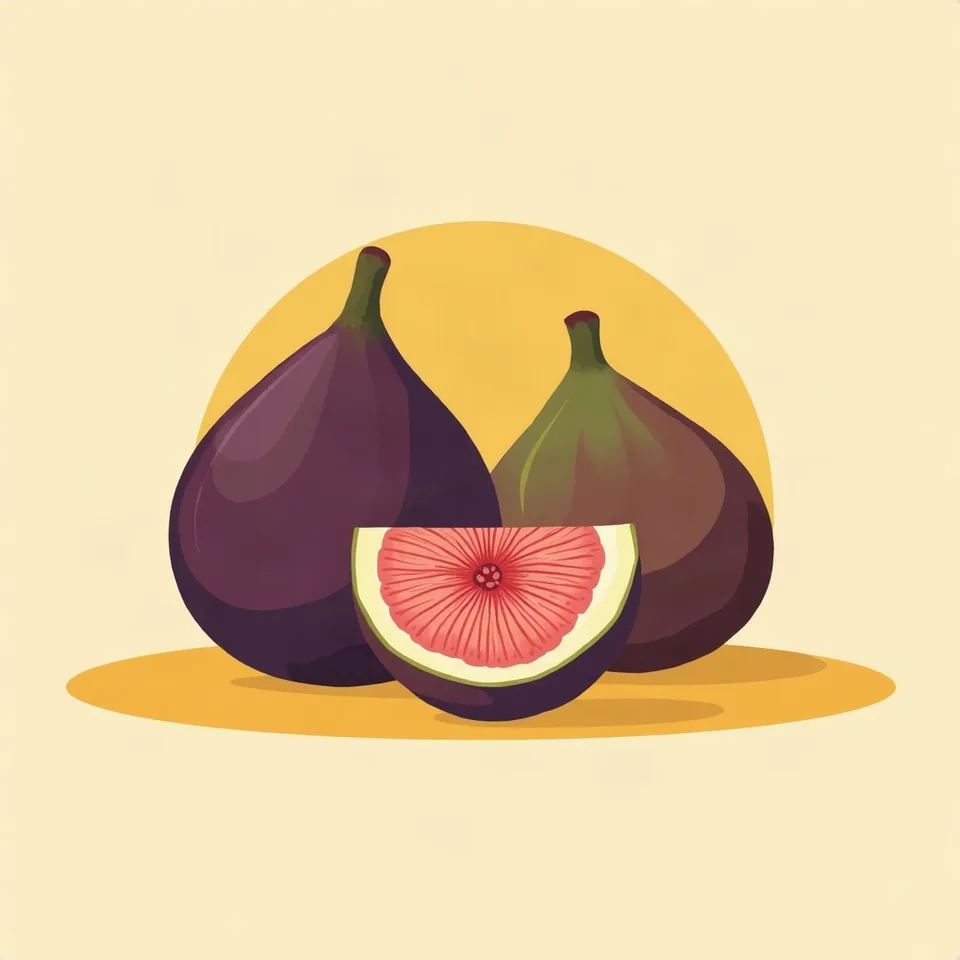
Can dogs eat figs?
Yes, a small amount of fresh, ripe, peeled fig is fine for most dogs. Figs are high in sugar and fiber, so they only work as an occasional treat, not a regular part of the diet.
Sources
- AKC: Can Dogs Eat Bananas?
- WSAVA Global Nutrition Committee: Guidelines on selecting pet foods and treats
Last updated 2 September 2026.