Can dogs eat avocado?
Short answer
No, avocado isn't recommended for dogs. It contains persin, which dogs tolerate better than birds or horses do, but the pit is a serious choking and blockage hazard, and the high fat content can trigger pancreatitis.
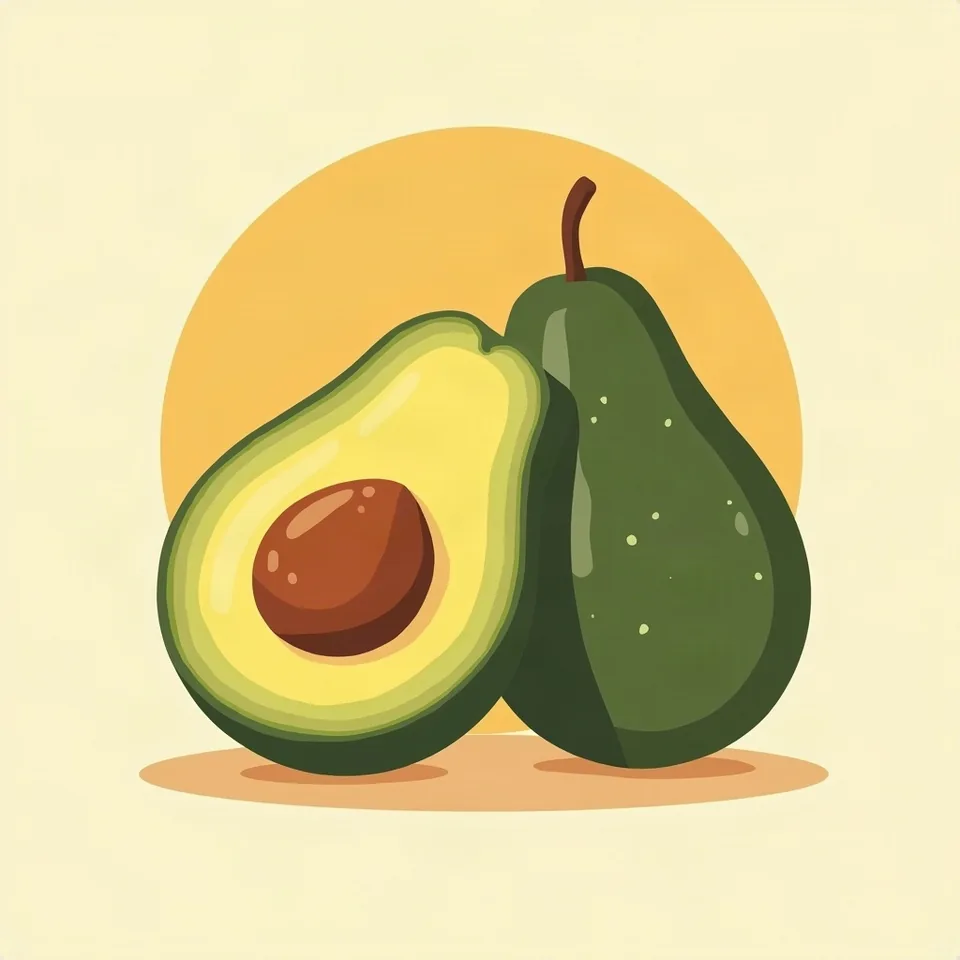
Avocado isn't an acute poison for dogs the way chocolate or grapes are, but it isn't a benefit either. Persin in a small amount of flesh usually isn't a problem, but the pit and the high fat content are real risks. Here's why it's best to skip avocado altogether.
Why not
Toxic compound: persin.
Avocado contains persin, a natural fungicidal compound that's toxic mainly to birds, horses, rabbits, and some other animals, in which it can damage heart muscle. Dogs are relatively resistant to persin, and true persin poisoning is described only rarely in dogs, usually after eating a large amount of leaves, bark, or unripe fruit.
The bigger risk for dogs lies elsewhere: the large, hard pit. It easily lodges in the esophagus or small intestine and is a common cause of surgically treated digestive blockages after a dog eats fruit. Small and medium breeds face the highest risk, but even large dogs aren't immune.
Avocado flesh is very high in fat, far more than most other fruit. In dogs prone to pancreatitis, typically smaller breeds and overweight dogs, even a modest amount can trigger an acute, painful flare-up of the pancreas that needs veterinary treatment.
The skin is tough and hard to digest, and along with the pit it adds to the blockage risk. Since avocado doesn't offer dogs any nutrient they can't get from a safer source, the risks outweigh any benefit, which is why it's better to avoid offering it on purpose rather than treat it as a healthy extra.
Rough portion
There's no recommended safe portion. An occasional lick of the flesh usually isn't cause for panic, but don't deliberately feed avocado to your dog.
Risks
- The pit lodging in the esophagus or intestine, a common and serious risk that often requires surgery.
- Acute pancreatitis from the high fat content, especially in predisposed breeds.
- Digestive irritation from the skin or unripe fruit.
- A low but real risk of persin poisoning from eating a large amount of leaves, bark, or unripe fruit from an avocado tree.
Symptoms to watch for
- Retching, drooling, or refusing food if the pit is stuck
- Bloated or painful belly (possible obstruction)
- Abdominal pain, repeated vomiting (possible pancreatitis)
- Lethargy, loss of appetite
Your dog already ate avocado. What now?
- If your dog licked or ate a small amount of the flesh alone, watching for vomiting or abdominal pain over the next 24 to 48 hours is usually enough.
- If your dog swallowed the pit or a piece of it, contact your vet even without immediate symptoms; an X-ray is often needed to check for a blockage.
- See a vet for repeated vomiting, a painful belly, or lethargy, which could point to early pancreatitis.
Common questions about dogs and avocado
Is avocado poisonous to dogs?
Not in the classic sense, the way chocolate or grapes are. It contains persin, which dogs are relatively resistant to, so acute poisoning from a small amount of flesh is rare. The pit and the high fat content are the more realistic dangers, which is why avocado generally isn't recommended for dogs.
What if my dog eats an avocado pit?
That's a serious situation. The pit is large and hard and easily gets stuck in the esophagus or intestine. Contact your vet even without immediate symptoms; an X-ray is often needed, and sometimes the pit has to be surgically removed from the digestive tract.
Can dogs eat guacamole?
No. Guacamole typically contains onion, garlic, salt, and sometimes chili peppers, each of which is risky or toxic to dogs in its own right. Even a small amount of guacamole isn't recommended, whether it's on a chip or straight from the bowl.
Why are birds and horses more sensitive to avocado than dogs?
Sensitivity to persin varies a lot between species. Birds and horses can suffer serious heart damage after eating even a small amount of avocado leaves, bark, or fruit, while a dog's system handles persin much better. That doesn't mean avocado is risk-free for dogs, though.
Do dog foods containing avocado have a dangerous amount of persin?
No, commercial dog foods use only the flesh, without skin or pit, in small, processed amounts that have nothing in common with the persin or fat content of a whole fruit. That kind of food is fine as far as the avocado content goes.
Safer alternatives

Can dogs eat apples?
Yes, dogs can eat apples. The flesh is safe, full of fiber and vitamin C, and even gives teeth a light mechanical clean. Always remove the core and seeds, though, and don't feed large pieces at once.
Can dogs eat blueberries?
Yes, blueberries are one of the healthiest fruits for dogs. They're small, low in calories, and packed with antioxidants, which is why they're often recommended as a training treat or a snack for older dogs.
Can dogs eat carrots?
Yes, carrots are safe for dogs and rank among the best treats you can give them. They're low in calories, full of fiber and beta-carotene, and raw carrots even help clean teeth. Cut them to a size that suits your dog.

Can dogs eat watermelon?
Yes, dogs can eat watermelon. The flesh is about ninety percent water, low in calories, and most dogs love it as a summer treat. Just always remove the seeds and the tough rind first.
More from fruit

Can dogs eat bananas?
Yes, dogs can eat banana, but only as an occasional treat. It's safe and dogs tend to love it, but it's high in sugar. A small dog only needs 2 to 3 slices, a large dog about half a banana.

Can dogs eat dates?
Yes, dogs can eat dates, but only occasionally and never with the pit. They're extremely high in sugar, so at most they work as a tiny, infrequent treat.

Can dogs eat figs?
Yes, a small amount of fresh, ripe, peeled fig is fine for most dogs. Figs are high in sugar and fiber, so they only work as an occasional treat, not a regular part of the diet.
Sources
- Merck Veterinary Manual: Avocado (Persea spp) Toxicosis in Animals
- AKC: Can Dogs Eat Avocado? Are Avocados Bad for Dogs?
- ASPCA Animal Poison Control: People Foods to Avoid Feeding Your Pets
Last updated 2 September 2026.