Can dogs eat carrots?
Short answer
Yes, carrots are safe for dogs and rank among the best treats you can give them. They're low in calories, full of fiber and beta-carotene, and raw carrots even help clean teeth. Cut them to a size that suits your dog.
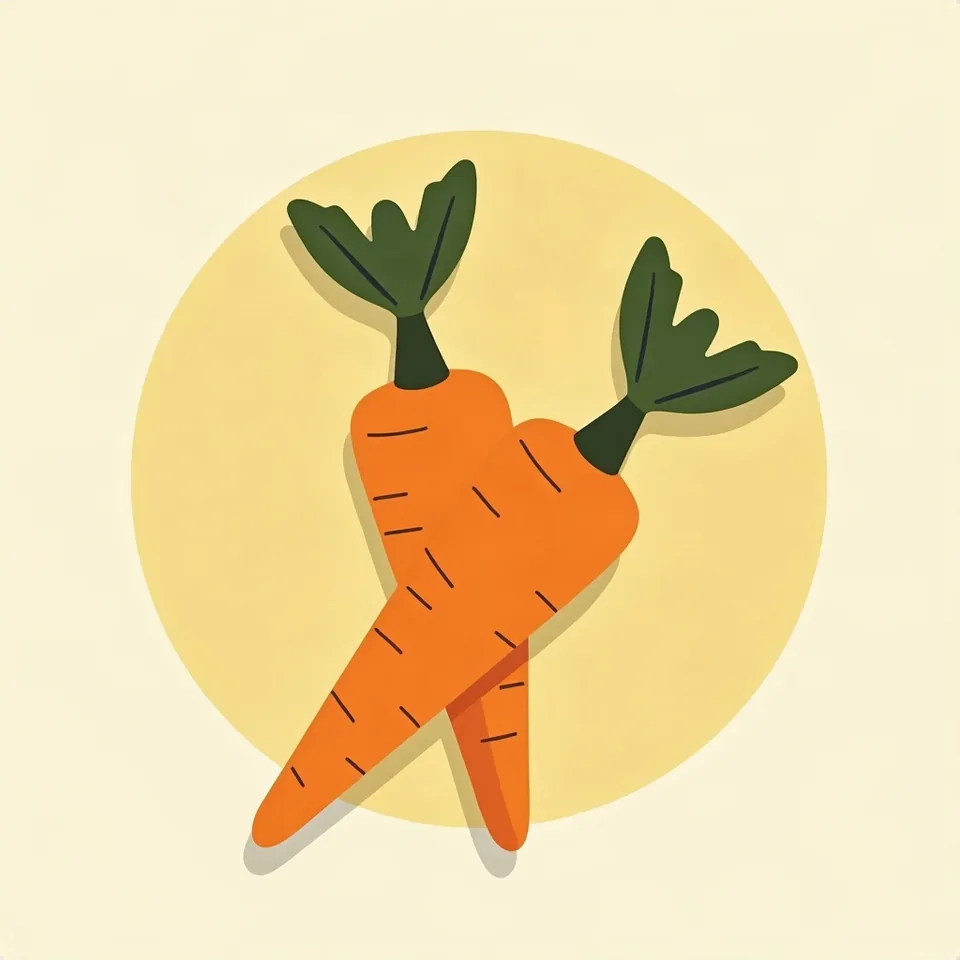
Carrots are one of the safest and most accessible vegetables you can give a dog, safe enough for almost daily feeding. They're low in calories, high in fiber and beta-carotene, and work well both as a weight-loss treat and a training reward. Here's how to serve them and how much.
Why it is fine
Carrots are among the safest vegetables for dogs, period. They contain nothing toxic, and vets commonly recommend them as a low-calorie stand-in for fattier store-bought treats, especially for overweight dogs or those on a weight-loss plan.
They're rich in fiber, which supports digestion and creates a feeling of fullness, and in beta-carotene, which a dog's body converts into vitamin A, important for eyesight, skin, and immunity. They also contain potassium and very little fat, making them a fine addition to home-cooked meals as a vegetable component.
Raw, firm carrots also work as a natural toothbrush, chewing mechanically scrapes off plaque, which owners of small breeds prone to tartar will especially appreciate. Frozen carrot sticks are often recommended for teething puppies too, since they soothe sore gums.
The only things to watch are piece size and total amount. A whole raw carrot or large hard chunks can pose a choking risk for smaller dogs or dogs who gulp their food, and too much at once can cause loose stool because of the high fiber content.
How to serve carrots
- Raw, cut into coins or sticks, the firm texture cleans teeth, choose smaller pieces for small dogs.
- Cooked or steamed with no salt or seasoning, pureed works well even for puppies or dogs with a sensitive stomach.
- Grated raw carrot can be mixed straight into kibble or homemade food as a fiber source.
- Frozen coins make a nice summer treat or relief for teething puppies.
Rough portion
Small dog: 2 to 3 thin coins a day. Medium dog: half to a whole small carrot. Large dog: 1 to 2 carrots a day. Carrots can be given daily, but treats including carrots should stay within about 10% of daily calorie intake.
Risks
- Choking risk from large, hard pieces, especially for small breeds and dogs who gulp their food without chewing.
- Too much at once can lead to loose stool or gas because of the high fiber content.
- Carrot juice and store-bought dried carrot treats can contain added sugar or salt, always check the label.
Symptoms to watch for
- Gagging or coughing if a piece gets stuck
- Loose stool after a large portion
- Gas or bloating
Your dog already ate carrots. What now?
- If your dog eats a reasonable amount of carrot, there's nothing to worry about, it's a common and safe treat.
- If your dog starts gagging or coughing while eating, check their mouth and throat, and see a vet if the trouble continues because of the choking risk.
- After a larger one-off portion, watch the stool the next day, loose stool should resolve on its own.
Common questions about dogs and carrots
Can dogs eat carrots every day?
Yes, carrots are one of the foods that can be given to a dog even daily. They're low in calories and contain nothing toxic. Still, count them toward the total daily treat allowance, which shouldn't exceed roughly 10% of calories, though for active, healthy dogs that's usually not an issue.
Is raw or cooked carrot better for dogs?
Both forms are fine, it depends on the purpose. Raw, firm carrot mechanically cleans teeth and works well as a chew treat. Cooked or steamed carrot is more digestible and gentler for dogs with a sensitive stomach, puppies, or seniors with worse dental health.
Can puppies eat carrots?
Yes, carrots are safe for puppies, and frozen coins are even recommended during teething because they soothe sore gums. For small breeds, use smaller pieces to avoid choking, or mash or cook the carrot instead.
Do carrots help dogs lose weight?
Yes, thanks to their low calorie count and high fiber content, carrots are a popular stand-in for fattier treats during a weight-loss plan. They create a feeling of fullness without extra calories. They're not a magic fix on their own though, weight loss always comes down to overall diet and exercise, carrots are just a helpful tool.
Other good treats
Can dogs eat cucumber?
Yes, cucumber is safe for dogs and very low in calories. It's about 95% water, making it a refreshing summer treat and a good option for overweight dogs. Serve it raw, and peel it for dogs with sensitive digestion.
Can dogs eat peas?
Yes, green peas are safe and nutritious for dogs. They provide plant protein, fiber, and vitamins, and plenty of quality kibble uses them as an ingredient. Serve fresh or frozen, never salted canned peas.
Can dogs eat pumpkin?
Yes, cooked or plain pumpkin flesh is very healthy for dogs, and vets often recommend it to help with digestive upset. Always choose plain pumpkin puree, never pie filling with added sugar and spices.
Can dogs eat zucchini?
Yes, zucchini is safe for dogs and low in calories. It's mostly water with a little fiber and vitamins, and makes a light treat even for dogs on a diet. Serve it raw or cooked, with no salt, oil, or seasoning.
More from vegetables
Can dogs eat beans?
Yes, plain beans that are cooked thoroughly and unsalted are safe for dogs in small amounts and offer a good dose of fiber and protein. Raw beans are toxic due to lectins, though, and canned or baked beans usually carry too much salt and sugar.
Can dogs eat bell peppers?
Yes, but only sweet bell peppers in small amounts. They aren't toxic and contain vitamin C, but hot varieties like chili peppers or jalapenos should never be given, capsaicin irritates the digestive tract and causes painful burning.
Can dogs eat broccoli?
Yes, broccoli is safe for dogs in small amounts. It contains isothiocyanates, which in larger doses irritate the digestive tract and cause gas. Stick to small pieces, raw or cooked, with no seasoning.
Sources
- AKC: Can Dogs Eat Carrots? Are Carrots Good for Dogs?
- ASPCA Animal Poison Control: People Foods to Avoid Feeding Your Pets
Last updated 2 September 2026.