Can dogs eat cucumber?
Short answer
Yes, cucumber is safe for dogs and very low in calories. It's about 95% water, making it a refreshing summer treat and a good option for overweight dogs. Serve it raw, and peel it for dogs with sensitive digestion.
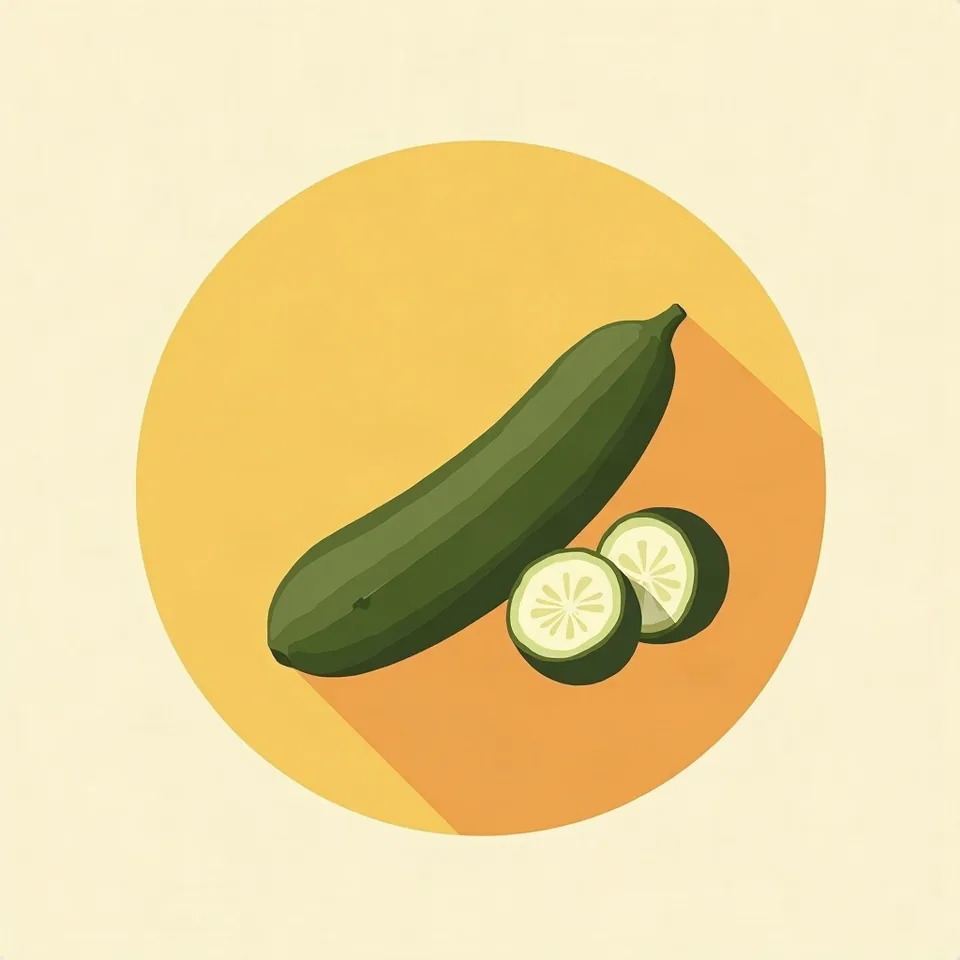
Cucumber is about as light as vegetables get for dogs, almost no calories, a lot of water, and a bit of fiber. It won't replace a balanced diet, but as a refreshing treat on hot days or an aid for weight loss, it works beautifully. Here's how to serve it and what to avoid.
Why it is fine
Cucumber contains nothing toxic to dogs. It's mostly water, giving it the fewest calories of any common vegetable, an ideal choice for overweight dogs or hot summer days, when it also helps with hydration.
It contains a small amount of vitamin K, potassium, and fiber, though the nutritional value is more of a bonus than anything essential. It works especially well as a low-calorie stand-in for fattier treats during training or weight loss.
Fresh cucumber isn't the problem, prepared versions are. Pickled cucumbers (dill or sweet) are high in salt and vinegar and often contain onion, garlic, or mustard seed, all of which are harmful to dogs, even though the vegetable itself is fine.
Large pieces or a whole cucumber pose a choking risk for smaller dogs, so it's better to cut it into slices or cubes matched to your dog's size.
Thanks to its low calorie count and pleasant, juicy texture, cucumber is a popular choice for training, when you need to reward frequently without loading your dog up with unnecessary calories.
How to serve cucumber
- Raw, cut into slices or cubes, peel it for dogs with sensitive digestion, otherwise it's not necessary.
- No salt, seasoning, or brine, never use pickled or sour cucumbers.
- Frozen slices make a nice summer treat, especially for dogs who gulp their food, mash them first so they aren't swallowed whole.
- Small cubes work well as a low-calorie training reward.
- The ends, which tend to be more bitter, can be trimmed off if your dog seems to avoid them.
Rough portion
Small dog: a few thin slices. Medium dog: a quarter cucumber. Large dog: half a cucumber. Thanks to the low calorie content it can be given fairly often, moderation matters more here because of the water content and possible loose stool.
Risks
- Pickled and sour cucumbers contain a lot of salt and vinegar, often onion or garlic too, never feed these.
- Large pieces or a whole cucumber can cause choking in small breeds and dogs who gulp their food.
- Too much at once can lead to loose stool because of the high water content, especially in dogs who aren't used to it.
Symptoms to watch for
- Loose stool after a larger amount
- Bloating
- Gagging or coughing if a large piece gets stuck
Your dog already ate cucumber. What now?
- Fresh cucumber in a reasonable amount poses no risk, no need to monitor.
- If your dog ate a pickled cucumber, check the brine's ingredients, if onion or garlic is involved, treat it as a possible toxicity and contact your vet.
- If a larger piece causes choking and persistent gagging or restlessness, seek veterinary help.
Common questions about dogs and cucumber
Can dogs eat cucumber every day?
Yes, thanks to its minimal calorie content it can be given even daily in a reasonable amount. Because of the high water content, watch the stool though, in sensitive dogs too much can cause loose stool or bloating.
Is pickled cucumber safe for dogs?
No, pickled and sour cucumbers are high in salt and vinegar and often contain onion, garlic, or mustard seed. These ingredients can hurt a dog even though cucumber itself isn't harmful. Always give only fresh, raw cucumber with no brine.
Does cucumber help overweight dogs?
Yes, thanks to its minimal calories and high water content, cucumber is a popular stand-in for fattier treats during weight loss. It creates a feeling of fullness without much energy. It's not a standalone weight-loss solution, but as part of an adjusted diet it works well.
Can puppies eat cucumber?
Yes, in small amounts cucumber is safe for puppies. Because of their more sensitive digestion, give smaller pieces and watch for loose stool afterward. It's best to peel it for younger dogs, and introduce it gradually rather than offering a large piece the first time.
Why do dogs like cucumber so much?
Cucumber is juicy, crunchy, and cool, which a lot of dogs appreciate, especially in summer. It doesn't have a strong flavor that would put a dog off the way some spicier vegetables do, and thanks to its low calorie content you can offer it a bit more often than fattier treats without worry.
Other good treats
Can dogs eat carrots?
Yes, carrots are safe for dogs and rank among the best treats you can give them. They're low in calories, full of fiber and beta-carotene, and raw carrots even help clean teeth. Cut them to a size that suits your dog.
Can dogs eat peas?
Yes, green peas are safe and nutritious for dogs. They provide plant protein, fiber, and vitamins, and plenty of quality kibble uses them as an ingredient. Serve fresh or frozen, never salted canned peas.
Can dogs eat pumpkin?
Yes, cooked or plain pumpkin flesh is very healthy for dogs, and vets often recommend it to help with digestive upset. Always choose plain pumpkin puree, never pie filling with added sugar and spices.
Can dogs eat zucchini?
Yes, zucchini is safe for dogs and low in calories. It's mostly water with a little fiber and vitamins, and makes a light treat even for dogs on a diet. Serve it raw or cooked, with no salt, oil, or seasoning.
More from vegetables
Can dogs eat beans?
Yes, plain beans that are cooked thoroughly and unsalted are safe for dogs in small amounts and offer a good dose of fiber and protein. Raw beans are toxic due to lectins, though, and canned or baked beans usually carry too much salt and sugar.
Can dogs eat bell peppers?
Yes, but only sweet bell peppers in small amounts. They aren't toxic and contain vitamin C, but hot varieties like chili peppers or jalapenos should never be given, capsaicin irritates the digestive tract and causes painful burning.
Can dogs eat broccoli?
Yes, broccoli is safe for dogs in small amounts. It contains isothiocyanates, which in larger doses irritate the digestive tract and cause gas. Stick to small pieces, raw or cooked, with no seasoning.
Sources
Last updated 2 September 2026.