Can dogs eat pumpkin?
Short answer
Yes, cooked or plain pumpkin flesh is very healthy for dogs, and vets often recommend it to help with digestive upset. Always choose plain pumpkin puree, never pie filling with added sugar and spices.
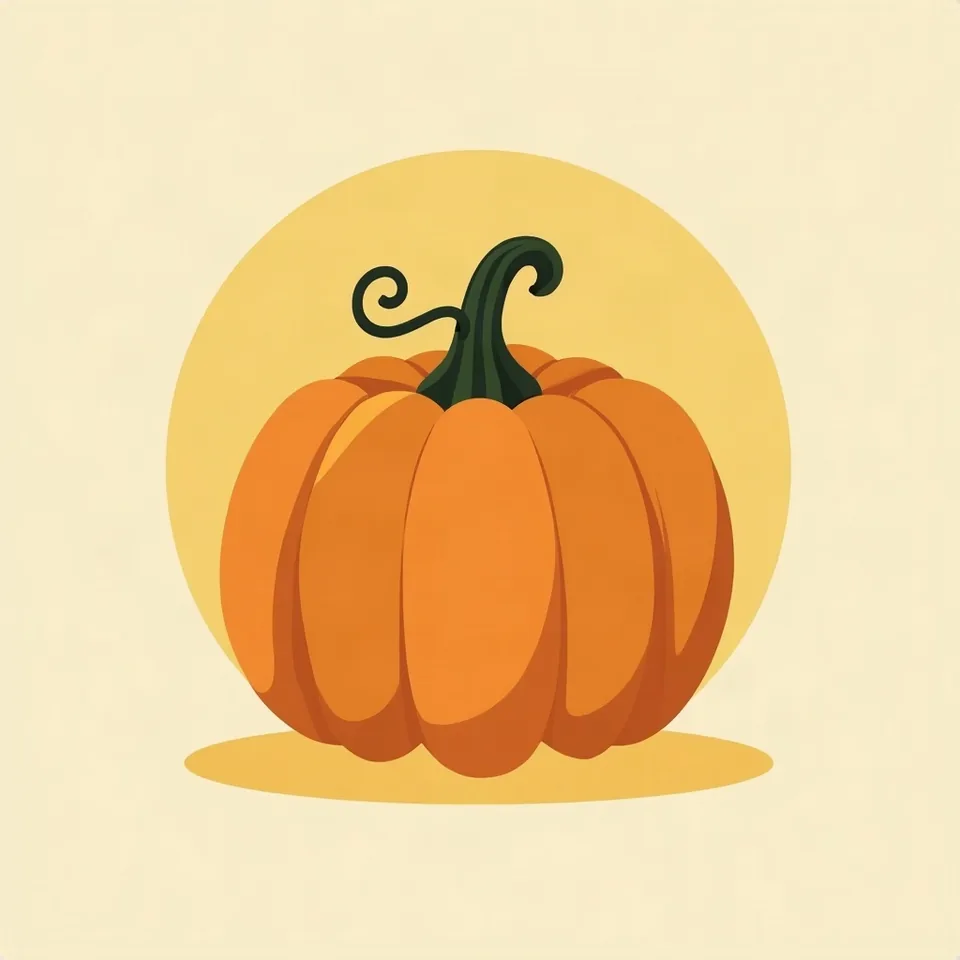
Pumpkin is one of the most recommended vegetables for a dog's digestion. Its fiber helps firm up loose stool and relieve mild constipation, and it's low in calories with plenty of vitamin A and antioxidants. Here's which type to choose and how much to give.
Why it is fine
Pumpkin is one of the few foods vets actively recommend to help manage mild digestive upset. Its soluble fiber regulates the gut in both directions, helping firm up loose stool while also getting things moving again during mild constipation.
Besides fiber, pumpkin provides beta-carotene, which converts to vitamin A and supports eyesight and skin, along with potassium and antioxidants. It's also low in calories, making it a good substitute for fattier treats in dogs carrying extra weight.
It's essential to tell plain pumpkin apart from products made for people. Pumpkin pie filling contains added sugar and spices, including nutmeg, which is toxic to dogs in larger amounts. Dogs should only get plain pumpkin puree or cooked pumpkin flesh with nothing added.
Pumpkin seeds are also fine in small amounts, roasted, unsalted, and crushed. They're sometimes mentioned as a natural aid for digestion, though the evidence for any deworming effect is limited, and seeds shouldn't replace proper parasite prevention.
How to serve pumpkin
- Plain canned pumpkin puree (100% pumpkin, not pie filling) mixed into food.
- Fresh cooked or steamed pumpkin flesh, with the skin and seeds removed and no seasoning.
- Roasted, unsalted pumpkin seeds, crushed into powder, in small amounts only.
- Introduce it gradually; a large amount of fiber all at once can actually upset digestion rather than help it.
Rough portion
Small dog: 1 to 2 teaspoons. Medium dog: 1 tablespoon. Large dog: 1 to 2 tablespoons of pumpkin puree mixed into food. Fine even daily for a short stretch, for example to help with loose stool, otherwise a few times a week is enough.
Risks
- Pumpkin pie filling contains added sugar and spices, including nutmeg, which is toxic in larger amounts.
- Too much fiber at once can cause bloating or digestive upset instead of helping.
- The skin and stem are tough and harder to digest, posing a choking risk for smaller dogs.
Symptoms to watch for
- Looser stools, or conversely constipation, with an excessive amount
- Bloating
Your dog already ate pumpkin. What now?
- A reasonable amount of plain pumpkin doesn't call for any action; it's a commonly recommended food.
- If your dog ate pumpkin pie filling, check the label for nutmeg or xylitol, and contact your vet if either is present.
- After a larger portion of plain pumpkin, watch the stool the next day; mild changes resolve on their own.
Common questions about dogs and pumpkin
Does pumpkin help with a dog's diarrhea?
Yes, the soluble fiber in pumpkin helps firm up loose stool and is one of the most commonly recommended home remedies for mild digestive upset. Use plain pumpkin puree with nothing added, and contact your vet if diarrhea lasts more than a day.
What's the difference between pumpkin puree and pie filling?
Plain puree contains nothing but cooked pumpkin, while pie filling has added sugar and spices, including nutmeg, which is toxic to dogs in larger amounts. Always check the label for “100% pumpkin” or “pure pumpkin.”
How much pumpkin can a dog eat in a day?
Roughly 1 to 2 teaspoons for a small dog up to 1 to 2 tablespoons for a large dog per day, usually for a short period while addressing digestive upset. For regular feeding as a supplement, a few times a week is enough. More than that can backfire and cause bloating from excess fiber.
Can dogs eat pumpkin seeds?
Yes, roasted, unsalted seeds crushed into powder are safe in small amounts. They're sometimes credited with a mild digestive benefit, but they're definitely not a reliable substitute for regular parasite prevention.
Can dogs eat raw pumpkin from the garden?
Raw flesh, with the skin and seeds removed, isn't toxic, but it's tougher and harder to digest than cooked pumpkin. Steaming or boiling it briefly is the better choice, since it improves digestibility and helps release the beta-carotene pumpkin contains.
Other good treats
Can dogs eat carrots?
Yes, carrots are safe for dogs and rank among the best treats you can give them. They're low in calories, full of fiber and beta-carotene, and raw carrots even help clean teeth. Cut them to a size that suits your dog.
Can dogs eat cucumber?
Yes, cucumber is safe for dogs and very low in calories. It's about 95% water, making it a refreshing summer treat and a good option for overweight dogs. Serve it raw, and peel it for dogs with sensitive digestion.

Can dogs eat peas?
Yes, green peas are safe and nutritious for dogs. They provide plant protein, fiber, and vitamins, and plenty of quality kibble uses them as an ingredient. Serve fresh or frozen, never salted canned peas.
Can dogs eat zucchini?
Yes, zucchini is safe for dogs and low in calories. It's mostly water with a little fiber and vitamins, and makes a light treat even for dogs on a diet. Serve it raw or cooked, with no salt, oil, or seasoning.
More from vegetables
Can dogs eat beans?
Yes, plain beans that are cooked thoroughly and unsalted are safe for dogs in small amounts and offer a good dose of fiber and protein. Raw beans are toxic due to lectins, though, and canned or baked beans usually carry too much salt and sugar.
Can dogs eat bell peppers?
Yes, but only sweet bell peppers in small amounts. They aren't toxic and contain vitamin C, but hot varieties like chili peppers or jalapenos should never be given, capsaicin irritates the digestive tract and causes painful burning.
Can dogs eat broccoli?
Yes, broccoli is safe for dogs in small amounts. It contains isothiocyanates, which in larger doses irritate the digestive tract and cause gas. Stick to small pieces, raw or cooked, with no seasoning.
Sources
- AKC: Can Pumpkin Help With Dog Diarrhea? Benefits, Dosage & Tips
- WSAVA Global Nutrition Committee: Guidelines on selecting pet foods and treats
Last updated 2 September 2026.