Can dogs eat broccoli?
Short answer
Yes, broccoli is safe for dogs in small amounts. It contains isothiocyanates, which in larger doses irritate the digestive tract and cause gas. Stick to small pieces, raw or cooked, with no seasoning.
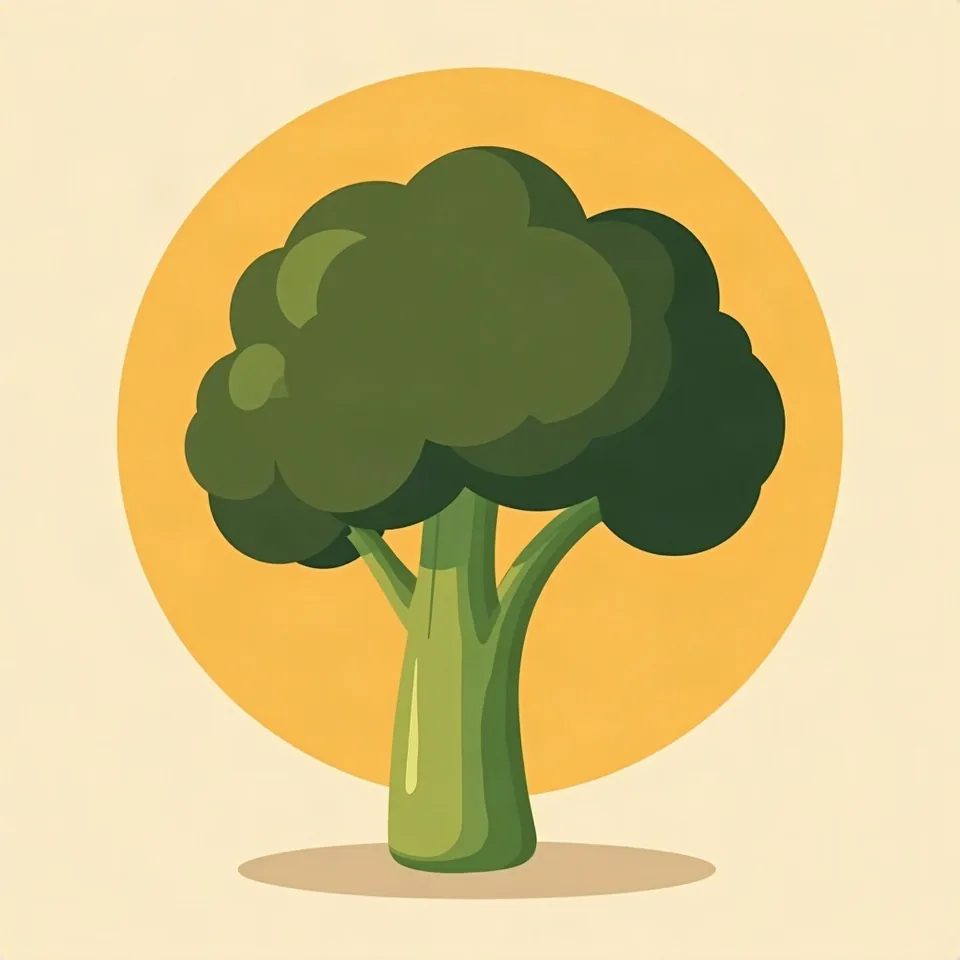
Broccoli isn't toxic to dogs, and in small portions it's a healthy vegetable rich in fiber and vitamin C. In larger amounts, though, isothiocyanates and the high fiber content easily cause bloating and digestive upset. Here's how much broccoli is still fine.
Why only in moderation
Broccoli is a cruciferous vegetable, like cauliflower or cabbage. It doesn't contain anything directly toxic, but it does contain isothiocyanates, compounds that in larger amounts irritate the stomach and intestines and can cause vomiting or diarrhea.
In small portions, broccoli provides fiber, vitamin C, vitamin K, and antioxidants, and many veterinary sources consider it a fine addition to the diet as long as it doesn't make up more than about a tenth of daily food intake.
The tough stalks are harder to digest and pose a choking risk for smaller dogs, so it's best to chop them into smaller pieces or skip them and use just the florets.
Both raw and cooked broccoli are fine; what matters is leaving out the butter, cheese, cream sauce, or dressing that broccoli is often served with for people, all of which are unsuitable for dogs because of the fat and salt.
Frozen broccoli without additives is just as suitable as fresh; simply thaw it or blanch it briefly before serving. Frozen mixes with sauce or cheese aren't appropriate, and neither is broccoli microwaved with seasoning.
How to serve broccoli
- Small florets, raw or briefly boiled or steamed, with no salt, oil, or seasoning.
- Chop the stalks into smaller pieces or skip them; they're tougher and harder to digest.
- Never serve broccoli in cheese sauce, cream sauce, or dressing.
- Introduce it gradually in small pieces and watch how your dog handles the gas.
- Frozen broccoli just needs thawing or a quick blanch, no special preparation required.
Rough portion
A few small florets two to three times a week. Total amount shouldn't exceed about 10% of daily food intake, which in practice means just a few small pieces at a time for a 10 kg (22 lb) dog.
Risks
- Isothiocyanates in larger amounts irritate the digestive tract and can cause vomiting or diarrhea.
- The higher fiber content easily causes gas and bloating, especially the first time.
- Tough stalks are harder to digest and pose a choking risk for small breeds.
- Broccoli served in cheese, cream, or oil-based sauce is unsuitable because of the fat and salt.
Symptoms to watch for
- Bloating and gas
- Looser stools or diarrhea
- Vomiting after a larger amount
- Abdominal pain, restlessness
Your dog already ate broccoli. What now?
- A small amount of plain broccoli usually causes nothing worse than temporary gas, so just keep an eye on things.
- After a larger portion, watch your dog for 24 hours for vomiting or diarrhea.
- If your dog ate broccoli with cheese sauce, butter, or dressing, watch for digestive upset linked to the higher fat content, and contact your vet if symptoms persist.
Common questions about dogs and broccoli
How much broccoli can a dog eat?
It's recommended that broccoli make up no more than about 10% of daily food intake, which in practice means a few small florets two to three times a week. Larger amounts raise the risk of bloating and digestive upset because of the isothiocyanates and high fiber content.
Why does my dog get gassy after eating broccoli?
Broccoli is high in fiber and sulfur compounds, which produce gas during digestion, much like they do in people. It's a harmless, if unpleasant, reaction. To cut down on gas, offer smaller portions and cooked rather than raw broccoli.
Can dogs eat broccoli stalks?
The stalks aren't toxic, but they're tougher and harder to digest than the florets, and pose a choking risk for smaller dogs. If you want to give them, chop them into smaller pieces, or just stick to the florets.
Is cooked broccoli better than raw?
Both are safe. Cooked broccoli without salt or fat is usually easier to digest and causes less gas than raw. What matters most is skipping the butter, cheese, or cream sauce that broccoli is typically served with for people.
Can dogs eat frozen broccoli?
Yes, frozen broccoli without additives has a nutritional value similar to fresh, so it's a fine stand-in when fresh isn't on hand. Just let it thaw or blanch it briefly before serving. Avoid frozen vegetable mixes with added sauce, cheese, or seasoning.
Other good treats
Can dogs eat carrots?
Yes, carrots are safe for dogs and rank among the best treats you can give them. They're low in calories, full of fiber and beta-carotene, and raw carrots even help clean teeth. Cut them to a size that suits your dog.
Can dogs eat cucumber?
Yes, cucumber is safe for dogs and very low in calories. It's about 95% water, making it a refreshing summer treat and a good option for overweight dogs. Serve it raw, and peel it for dogs with sensitive digestion.
Can dogs eat pumpkin?
Yes, cooked or plain pumpkin flesh is very healthy for dogs, and vets often recommend it to help with digestive upset. Always choose plain pumpkin puree, never pie filling with added sugar and spices.
Can dogs eat zucchini?
Yes, zucchini is safe for dogs and low in calories. It's mostly water with a little fiber and vitamins, and makes a light treat even for dogs on a diet. Serve it raw or cooked, with no salt, oil, or seasoning.
More from vegetables
Can dogs eat beans?
Yes, plain beans that are cooked thoroughly and unsalted are safe for dogs in small amounts and offer a good dose of fiber and protein. Raw beans are toxic due to lectins, though, and canned or baked beans usually carry too much salt and sugar.
Can dogs eat bell peppers?
Yes, but only sweet bell peppers in small amounts. They aren't toxic and contain vitamin C, but hot varieties like chili peppers or jalapenos should never be given, capsaicin irritates the digestive tract and causes painful burning.
Can dogs eat cabbage?
Yes, raw or cooked cabbage is safe for dogs in small amounts. In larger portions it causes noticeable gas, and heavy long-term intake can affect thyroid function. Skip sauerkraut because of its salt content.
Sources
- AKC: Can Dogs Eat Broccoli?
- WSAVA Global Nutrition Committee: Guidelines on selecting pet foods and treats
Last updated 2 September 2026.