Can dogs eat cabbage?
Short answer
Yes, raw or cooked cabbage is safe for dogs in small amounts. In larger portions it causes noticeable gas, and heavy long-term intake can affect thyroid function. Skip sauerkraut because of its salt content.
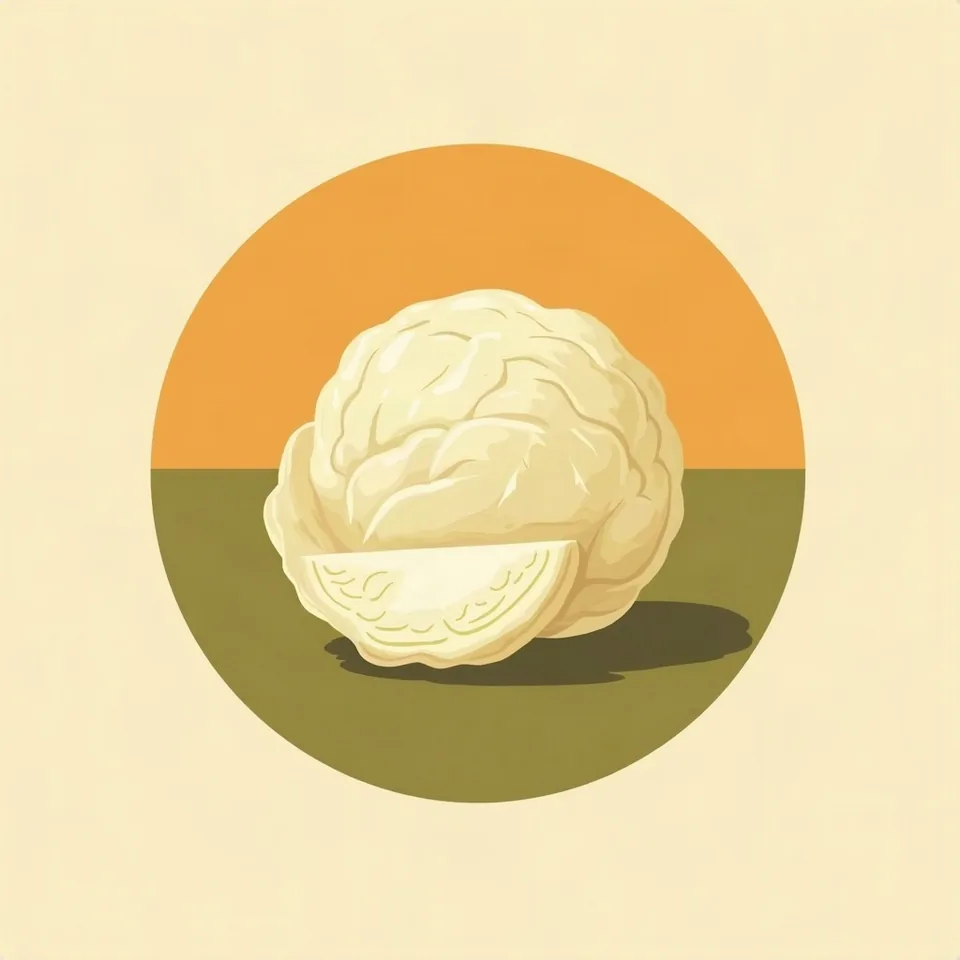
Cabbage isn't toxic to dogs, and in small portions it offers vitamin C, vitamin K and fibre. It belongs to the cruciferous vegetable family, though, which easily causes gas, and heavy regular intake contains compounds that affect the thyroid. Here's how much cabbage a dog can safely have.
Why only in moderation
Cabbage belongs to the same family as broccoli or cauliflower and doesn't contain any directly toxic compound. In small amounts, it's a source of vitamin C, vitamin K and fibre, and plenty of dogs handle it without any trouble as an occasional taste.
The issue is quantity and frequency. Cabbage is high in fibre and sulphur compounds, so even a modestly oversized portion reliably causes gas and bloating, which small or sensitive breeds tolerate worse than others.
Cruciferous vegetables also contain goitrogenic compounds, which, with heavy, long-term intake, can interfere with iodine absorption and thyroid function. For an occasional small portion this is a theoretical risk; it matters mainly for dogs with an existing thyroid condition.
Sauerkraut and shop-bought coleslaw aren't suitable: sauerkraut is high in salt, and coleslaw is usually coated in a mayonnaise-based dressing. Dogs should only get fresh raw or cooked cabbage with no additions.
Red and white cabbage can both be served the same way; the nutritional difference between them is negligible for a dog. Kale and other leafy cruciferous greens follow similar rules: a small amount, unseasoned, not on a regular basis.
How to serve cabbage
- Serve it raw and shredded, or lightly boiled or steamed, without salt or seasoning.
- Introduce it in small amounts and gradually, to let digestion adjust and to avoid gas.
- Never sauerkraut, and never coleslaw with a mayonnaise dressing.
- Chop cabbage leaves into small pieces; whole large leaves can be harder to digest.
- For dogs with a thyroid condition, it's best to check the amount with your vet.
Rough portion
A couple of spoonfuls of raw or cooked cabbage once or twice a week. It isn't a food a dog needs regularly or in large amounts.
Risks
- In larger amounts, it causes noticeable gas and bloating, especially in small breeds.
- Goitrogenic compounds can affect thyroid function with heavy, long-term intake.
- Sauerkraut is high in salt, and coleslaw is usually coated in a mayonnaise dressing, neither is suitable.
Symptoms to watch for
- Noticeable bloating and gas
- Looser stool
- Abdominal discomfort after a larger portion
Your dog already ate cabbage. What now?
- A smaller amount of fresh cabbage usually causes nothing worse than temporary gas, so just keep an eye on things.
- After a larger portion, watch your dog for a day or two for gas or loose stool; it typically resolves on its own.
- If your dog ate sauerkraut or coleslaw in an amount that concerns you, watch for symptoms linked to a higher salt or fat intake and contact your vet if problems appear.
Common questions about dogs and cabbage
Can dogs eat sauerkraut?
It's not recommended. Sauerkraut is high in salt, which is harmful to dogs in larger amounts, and fermentation also increases its acidity, which can irritate the stomach. If you want to give your dog cabbage, choose fresh, raw or lightly cooked, with no salt.
Why does cabbage make dogs so gassy?
Cabbage is high in fibre and sulphur compounds, which produce gas during digestion, the same effect people notice after coleslaw or cabbage soup. It's a harmless reaction that you can limit with a smaller portion.
Does cabbage harm a dog's thyroid?
Cabbage contains goitrogenic compounds, which, with heavy and long-term intake, can affect iodine absorption. For an occasional small portion, the risk is negligible; for dogs with an existing thyroid condition, it's best to discuss the amount with your vet.
Is cabbage suitable for a dog with a sensitive stomach?
Probably not the best choice. Its high fibre and sulphur content can easily trigger gas or looser stool even in healthy dogs, let alone sensitive ones. If you want to try it, start with a genuinely small amount of cooked cabbage.
Is there a difference between red and white cabbage for dogs?
Nutritionally, the difference is minor; red cabbage has somewhat more antioxidants. For safety and tolerance, the difference is negligible, and the same rules about small amounts and plain preparation apply to both.
Other good treats
Can dogs eat carrots?
Yes, carrots are safe for dogs and rank among the best treats you can give them. They're low in calories, full of fiber and beta-carotene, and raw carrots even help clean teeth. Cut them to a size that suits your dog.
Can dogs eat cucumber?
Yes, cucumber is safe for dogs and very low in calories. It's about 95% water, making it a refreshing summer treat and a good option for overweight dogs. Serve it raw, and peel it for dogs with sensitive digestion.
Can dogs eat pumpkin?
Yes, cooked or plain pumpkin flesh is very healthy for dogs, and vets often recommend it to help with digestive upset. Always choose plain pumpkin puree, never pie filling with added sugar and spices.
Can dogs eat zucchini?
Yes, zucchini is safe for dogs and low in calories. It's mostly water with a little fiber and vitamins, and makes a light treat even for dogs on a diet. Serve it raw or cooked, with no salt, oil, or seasoning.
More from vegetables
Can dogs eat beans?
Yes, plain beans that are cooked thoroughly and unsalted are safe for dogs in small amounts and offer a good dose of fiber and protein. Raw beans are toxic due to lectins, though, and canned or baked beans usually carry too much salt and sugar.
Can dogs eat bell peppers?
Yes, but only sweet bell peppers in small amounts. They aren't toxic and contain vitamin C, but hot varieties like chili peppers or jalapenos should never be given, capsaicin irritates the digestive tract and causes painful burning.
Can dogs eat broccoli?
Yes, broccoli is safe for dogs in small amounts. It contains isothiocyanates, which in larger doses irritate the digestive tract and cause gas. Stick to small pieces, raw or cooked, with no seasoning.
Sources
Last updated 2 September 2026.