Vegetables
What vegetables can dogs eat?
Vegetables make a low calorie treat and a raw diet staple. Which to serve raw, which to cook and which to skip.
At a glance
| Food | Verdict | In short |
|---|---|---|
| Carrots | Yes | Yes, carrots are safe for dogs and rank among the best treats you can give them. They're low in calories, full of fiber and beta-carotene, and raw carrots even help clean teeth. |
| Celery | Yes | Yes, celery is safe and healthy for dogs and low in calories. Cut it into smaller pieces first, since the stringy stalks can cause choking in dogs that gulp their food. |
| Cucumber | Yes | Yes, cucumber is safe for dogs and very low in calories. It's about 95% water, making it a refreshing summer treat and a good option for overweight dogs. |
| Lettuce | Yes | Yes, both iceberg and leaf lettuce are safe for dogs. It is mostly water with few nutrients, so it is not a nutritional win, but as a low-calorie treat or cool snack it will not do any harm. |
| Peas | Yes | Yes, green peas are safe and nutritious for dogs. They provide plant protein, fiber, and vitamins, and plenty of quality kibble uses them as an ingredient. |
| Pumpkin | Yes | Yes, cooked or plain pumpkin flesh is very healthy for dogs, and vets often recommend it to help with digestive upset. Always choose plain pumpkin puree, never pie filling with added sugar and spices. |
| Zucchini | Yes | Yes, zucchini is safe for dogs and low in calories. It's mostly water with a little fiber and vitamins, and makes a light treat even for dogs on a diet. |
| Beans | In moderation | Yes, plain beans that are cooked thoroughly and unsalted are safe for dogs in small amounts and offer a good dose of fiber and protein. Raw beans are toxic due to lectins, though, and canned or baked beans usually carry too much salt and sugar. |
| Bell peppers | In moderation | Yes, but only sweet bell peppers in small amounts. They aren't toxic and contain vitamin C, but hot varieties like chili peppers or jalapenos should never be given, capsaicin irritates the digestive tract and causes painful burning. |
| Broccoli | In moderation | Yes, broccoli is safe for dogs in small amounts. It contains isothiocyanates, which in larger doses irritate the digestive tract and cause gas. |
| Cabbage | In moderation | Yes, raw or cooked cabbage is safe for dogs in small amounts. In larger portions it causes noticeable gas, and heavy long-term intake can affect thyroid function. |
| Cauliflower | In moderation | Yes, cauliflower is safe for dogs in small amounts. Like other cruciferous vegetables, larger portions can easily cause gas and bloating. |
| Corn | In moderation | Yes, plain cooked corn kernels with no salt are fine for dogs in small amounts. The corn cob is dangerous, though; dogs can't digest it, and it can cause a serious intestinal blockage that requires surgery. |
| Eggplant | In moderation | Yes, but only cooked and in small amounts. Raw eggplant contains solanine and can upset a dog's stomach, though cooked, peeled eggplant is fine for most dogs in moderation. |
| Kale | In moderation | Yes, kale is healthy for dogs in small amounts; it contains vitamins and antioxidants. In larger amounts, though, its oxalates and isothiocyanates can irritate digestion or affect thyroid function, so serve it in moderation. |
| Kohlrabi | In moderation | Yes, dogs can eat kohlrabi. It's a safe vegetable that's high in fiber and vitamin C, but larger amounts can cause gas, so it's best kept as an occasional small-portion extra rather than a regular addition. |
| Lentils | In moderation | Yes, dogs can eat plain cooked lentils with no salt or seasoning, but only in small amounts as an occasional add-in. Raw lentils are a bad idea — they're hard to digest and cause gas. |
| Potatoes | In moderation | Yes, but only cooked, peeled, and unsalted. Raw and green potatoes, along with sprouted eyes, contain solanine, which is toxic to dogs. |
| Radishes | In moderation | Yes, radishes are not toxic to dogs and are fine in small amounts. Their sharp, peppery taste is not a hit with most dogs, and larger amounts can irritate the stomach and cause gas. |
| Spinach | In moderation | Yes, spinach is safe for dogs only in small amounts. It contains oxalates, which in larger doses bind calcium and may contribute to urinary stones. |
| Sweet potatoes | In moderation | Yes, dogs can eat sweet potatoes, but only cooked and peeled, and in small amounts. Raw sweet potato is hard to digest, and larger portions strain digestion because of the high starch content. |
| Tomatoes | In moderation | Yes, but only ripe red tomato flesh in small amounts, never the leaves or stems. Unripe green tomatoes and the plant's leaves and stems contain solanine and tomatine, which can cause digestive and even neurological problems. |
| Garlic | Toxic | No, garlic is toxic to dogs in every form, raw, cooked, dried, powdered, or as a supplement. It's in the same family as onion but far more concentrated, and it damages red blood cells, causing hemolytic anemia. |
| Leeks | Toxic | No, leeks are toxic to dogs. They belong to the Allium family along with onions, garlic, and chives, and contain compounds that damage red blood cells and can cause hemolytic anemia. |
| Onions | Toxic | No, onion is toxic to dogs in every form, raw, cooked, dried, or powdered. It damages red blood cells and causes hemolytic anemia. |
In detail
Can dogs eat carrots?
Yes, carrots are safe for dogs and rank among the best treats you can give them. They're low in calories, full of fiber and beta-carotene, and raw carrots even help clean teeth. Cut them to a size that suits your dog.
Can dogs eat celery?
Yes, celery is safe and healthy for dogs and low in calories. Cut it into smaller pieces first, since the stringy stalks can cause choking in dogs that gulp their food.
Can dogs eat cucumber?
Yes, cucumber is safe for dogs and very low in calories. It's about 95% water, making it a refreshing summer treat and a good option for overweight dogs. Serve it raw, and peel it for dogs with sensitive digestion.
Can dogs eat lettuce?
Yes, both iceberg and leaf lettuce are safe for dogs. It is mostly water with few nutrients, so it is not a nutritional win, but as a low-calorie treat or cool snack it will not do any harm.
Can dogs eat peas?
Yes, green peas are safe and nutritious for dogs. They provide plant protein, fiber, and vitamins, and plenty of quality kibble uses them as an ingredient. Serve fresh or frozen, never salted canned peas.
Can dogs eat pumpkin?
Yes, cooked or plain pumpkin flesh is very healthy for dogs, and vets often recommend it to help with digestive upset. Always choose plain pumpkin puree, never pie filling with added sugar and spices.
Can dogs eat zucchini?
Yes, zucchini is safe for dogs and low in calories. It's mostly water with a little fiber and vitamins, and makes a light treat even for dogs on a diet. Serve it raw or cooked, with no salt, oil, or seasoning.
Can dogs eat beans?
Yes, plain beans that are cooked thoroughly and unsalted are safe for dogs in small amounts and offer a good dose of fiber and protein. Raw beans are toxic due to lectins, though, and canned or baked beans usually carry too much salt and sugar.
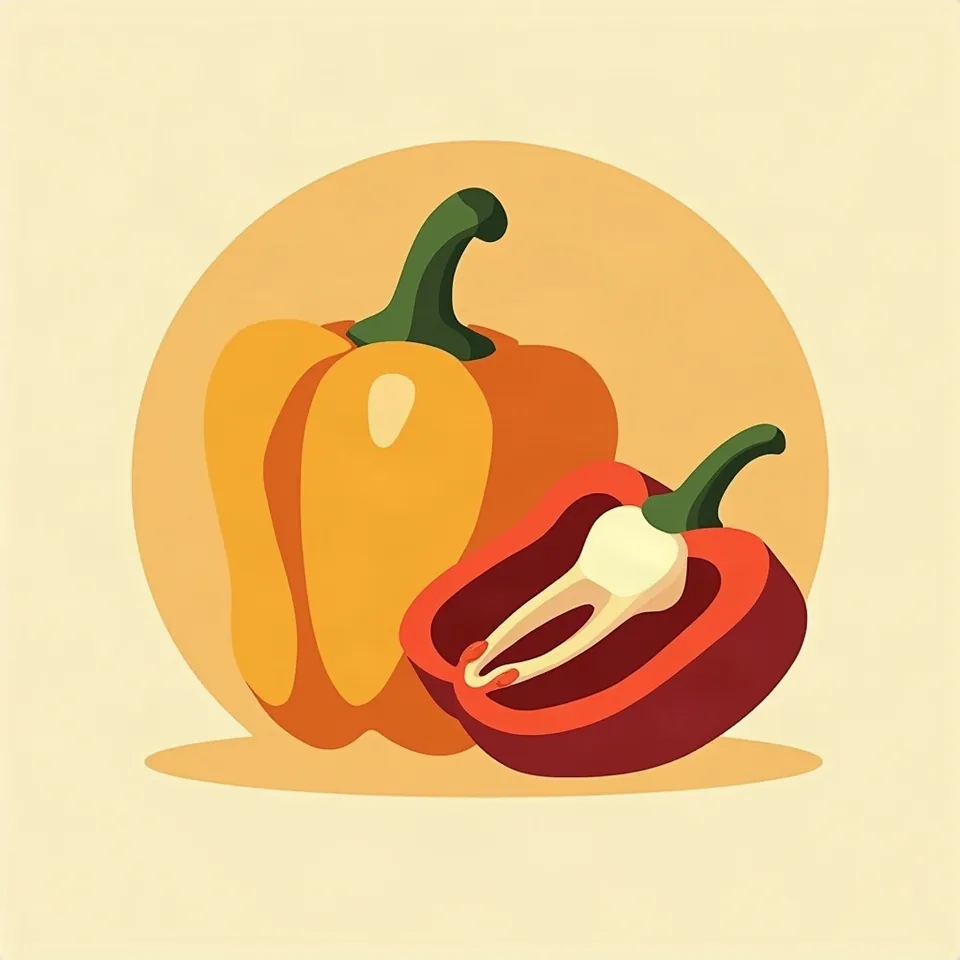
Can dogs eat bell peppers?
Yes, but only sweet bell peppers in small amounts. They aren't toxic and contain vitamin C, but hot varieties like chili peppers or jalapenos should never be given, capsaicin irritates the digestive tract and causes painful burning.
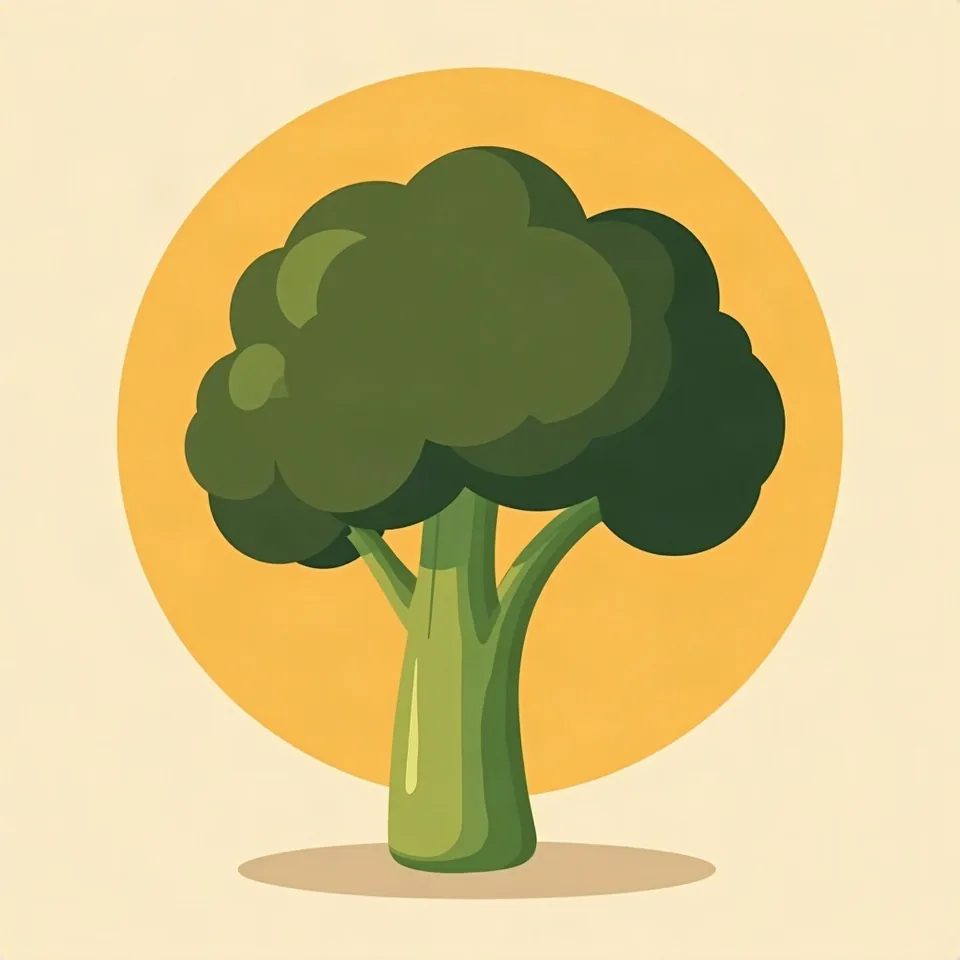
Can dogs eat broccoli?
Yes, broccoli is safe for dogs in small amounts. It contains isothiocyanates, which in larger doses irritate the digestive tract and cause gas. Stick to small pieces, raw or cooked, with no seasoning.
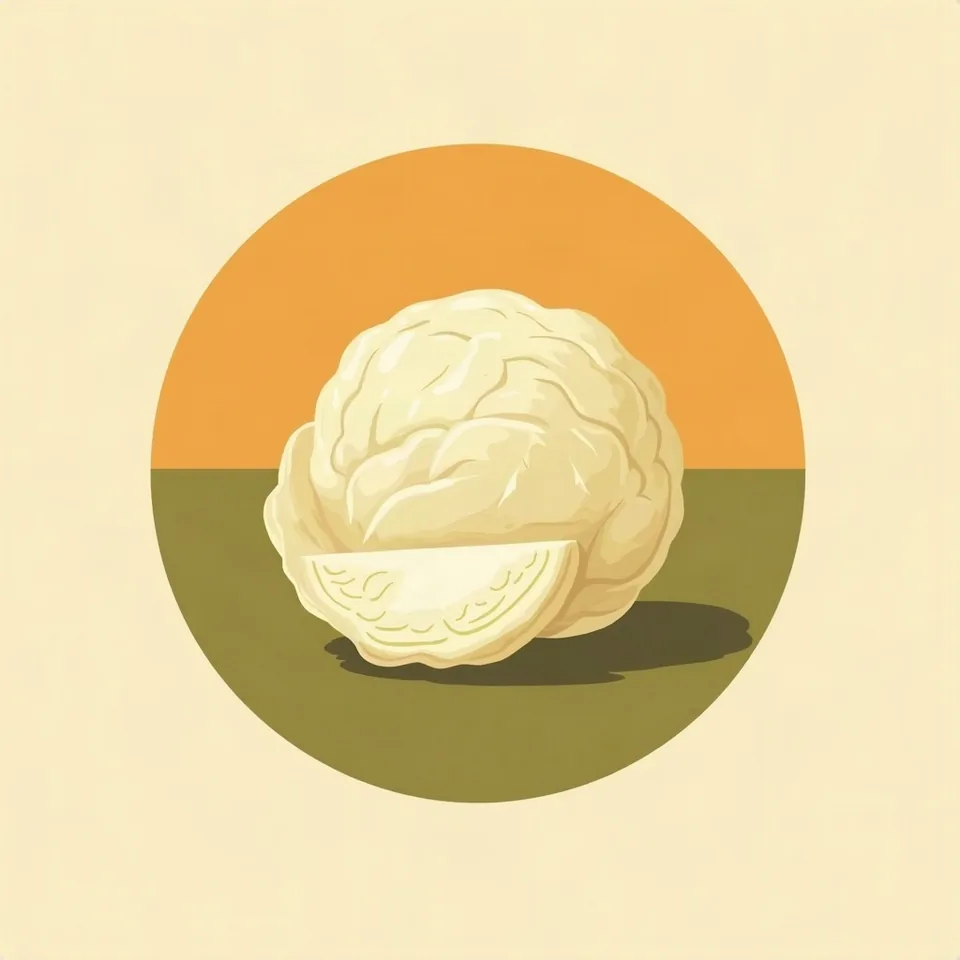
Can dogs eat cabbage?
Yes, raw or cooked cabbage is safe for dogs in small amounts. In larger portions it causes noticeable gas, and heavy long-term intake can affect thyroid function. Skip sauerkraut because of its salt content.
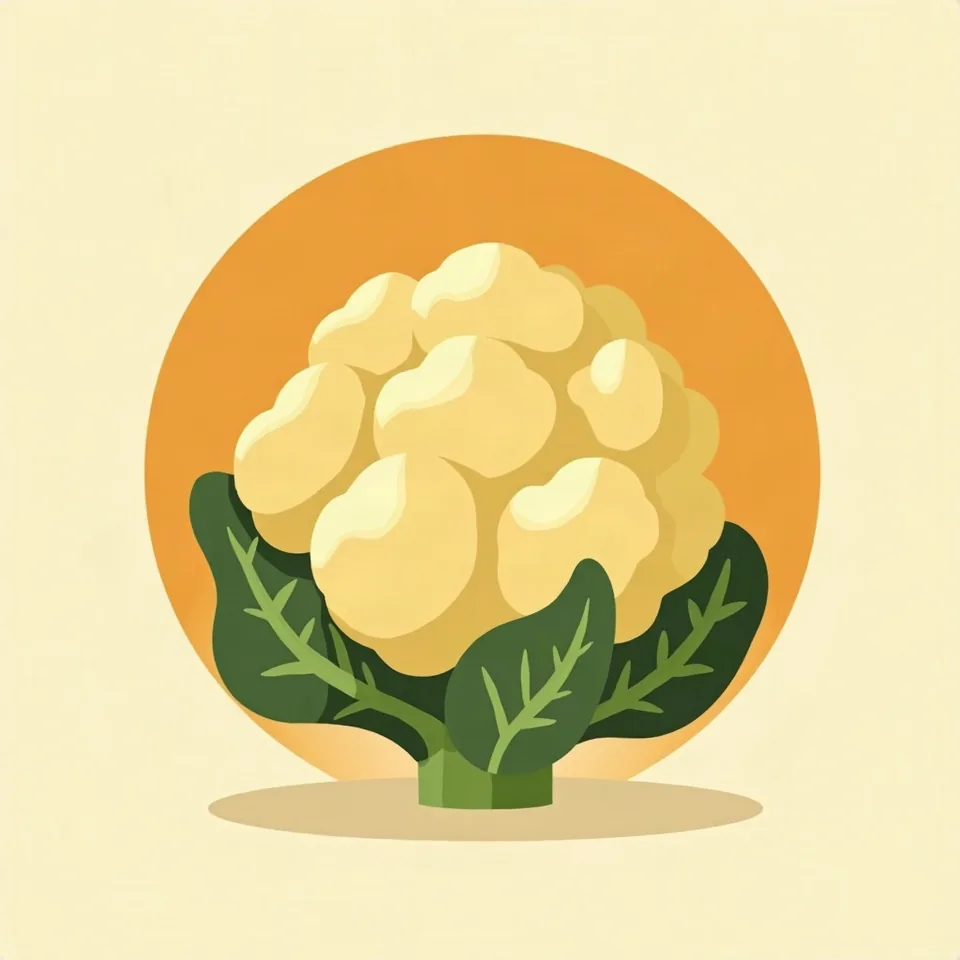
Can dogs eat cauliflower?
Yes, cauliflower is safe for dogs in small amounts. Like other cruciferous vegetables, larger portions can easily cause gas and bloating. Stick to a few small pieces, raw or cooked, with no seasoning.
Can dogs eat corn?
Yes, plain cooked corn kernels with no salt are fine for dogs in small amounts. The corn cob is dangerous, though; dogs can't digest it, and it can cause a serious intestinal blockage that requires surgery.
Can dogs eat eggplant?
Yes, but only cooked and in small amounts. Raw eggplant contains solanine and can upset a dog's stomach, though cooked, peeled eggplant is fine for most dogs in moderation.
Can dogs eat kale?
Yes, kale is healthy for dogs in small amounts; it contains vitamins and antioxidants. In larger amounts, though, its oxalates and isothiocyanates can irritate digestion or affect thyroid function, so serve it in moderation.
Can dogs eat kohlrabi?
Yes, dogs can eat kohlrabi. It's a safe vegetable that's high in fiber and vitamin C, but larger amounts can cause gas, so it's best kept as an occasional small-portion extra rather than a regular addition.
Can dogs eat lentils?
Yes, dogs can eat plain cooked lentils with no salt or seasoning, but only in small amounts as an occasional add-in. Raw lentils are a bad idea — they're hard to digest and cause gas.
Can dogs eat potatoes?
Yes, but only cooked, peeled, and unsalted. Raw and green potatoes, along with sprouted eyes, contain solanine, which is toxic to dogs. Even cooked potato isn't something your dog needs; it's more of a filler side dish than a healthy treat.
Can dogs eat radishes?
Yes, radishes are not toxic to dogs and are fine in small amounts. Their sharp, peppery taste is not a hit with most dogs, and larger amounts can irritate the stomach and cause gas.
Can dogs eat spinach?
Yes, spinach is safe for dogs only in small amounts. It contains oxalates, which in larger doses bind calcium and may contribute to urinary stones. An occasional small portion will not hurt a healthy dog.
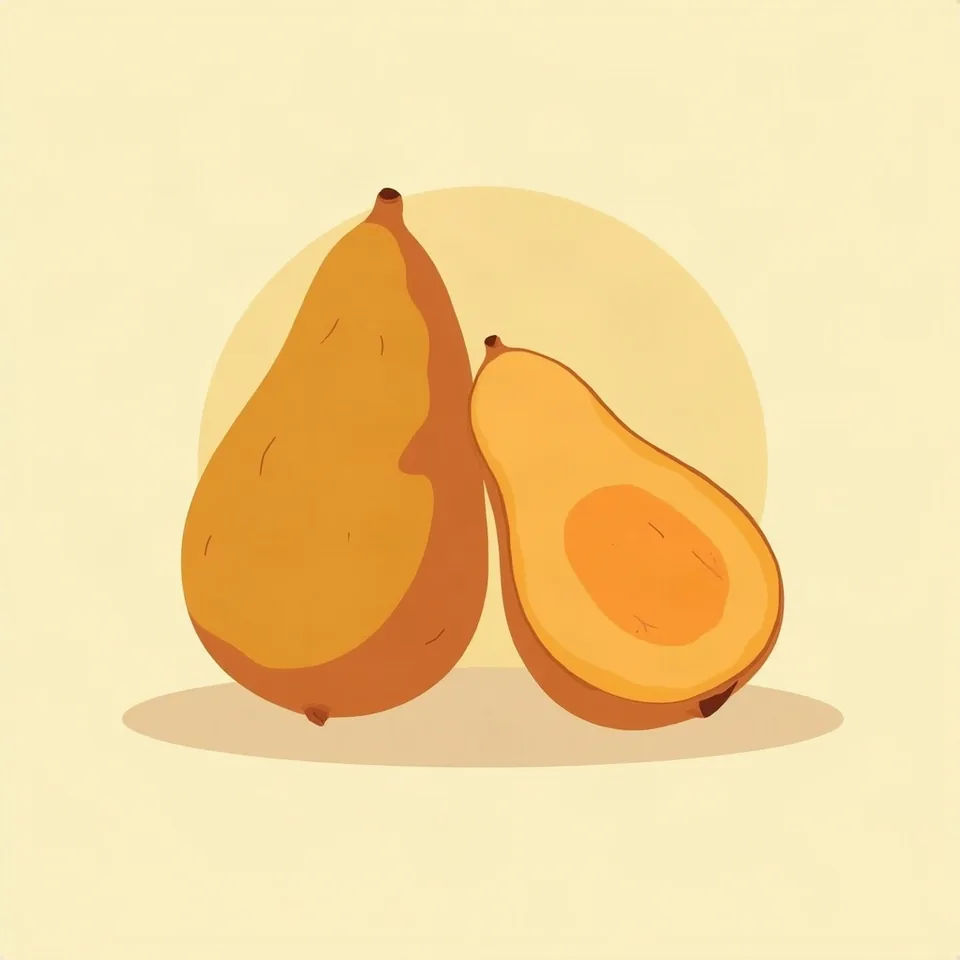
Can dogs eat sweet potatoes?
Yes, dogs can eat sweet potatoes, but only cooked and peeled, and in small amounts. Raw sweet potato is hard to digest, and larger portions strain digestion because of the high starch content.
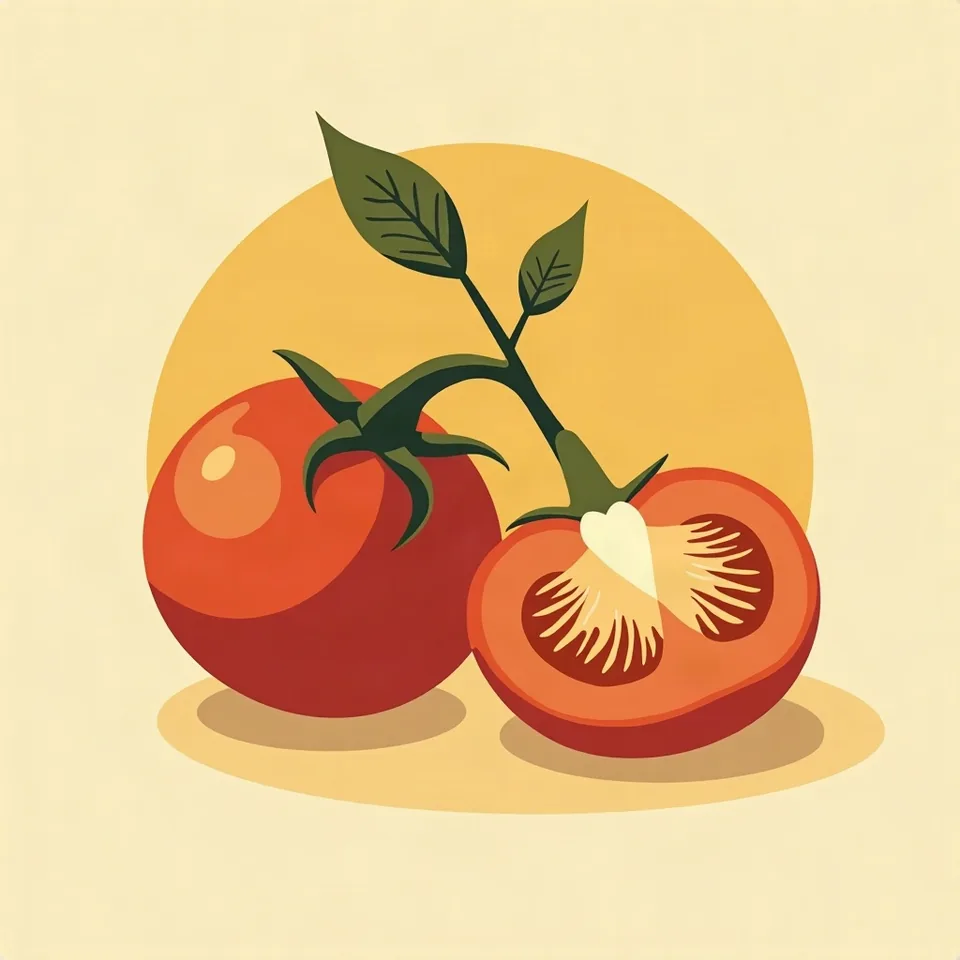
Can dogs eat tomatoes?
Yes, but only ripe red tomato flesh in small amounts, never the leaves or stems. Unripe green tomatoes and the plant's leaves and stems contain solanine and tomatine, which can cause digestive and even neurological problems.
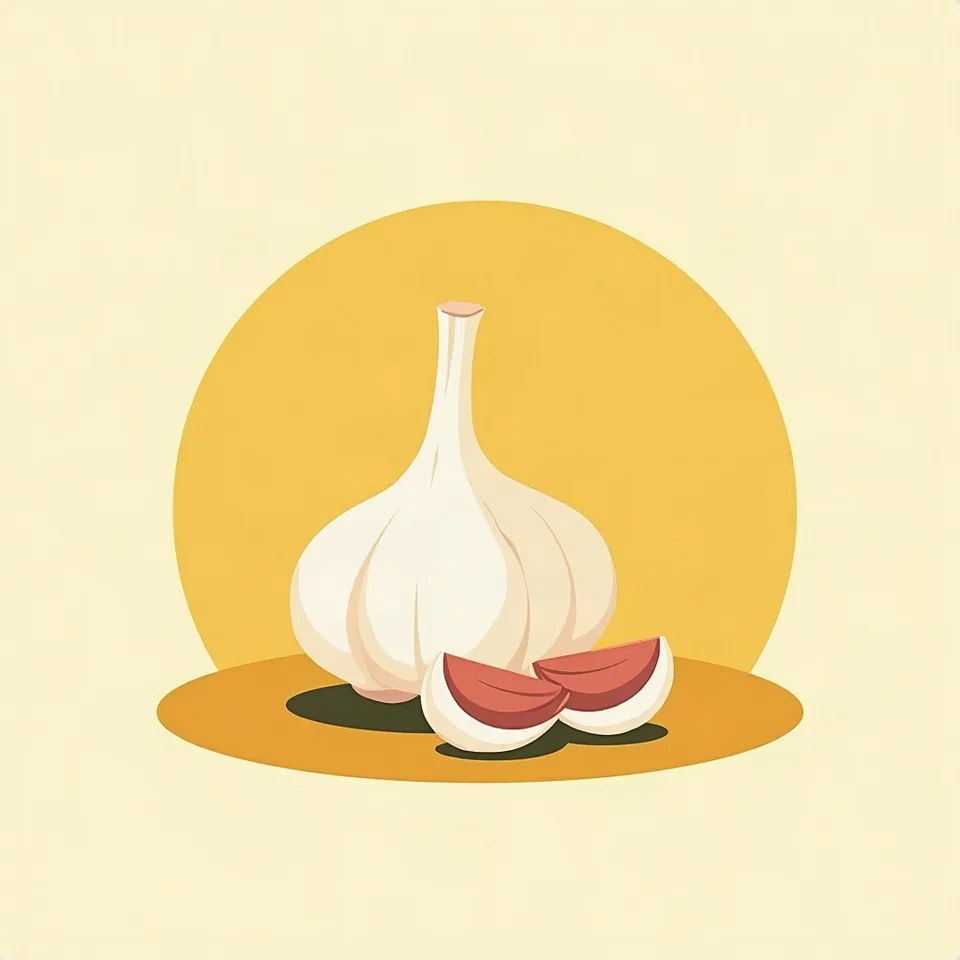
Can dogs eat garlic?
No, garlic is toxic to dogs in every form, raw, cooked, dried, powdered, or as a supplement. It's in the same family as onion but far more concentrated, and it damages red blood cells, causing hemolytic anemia.
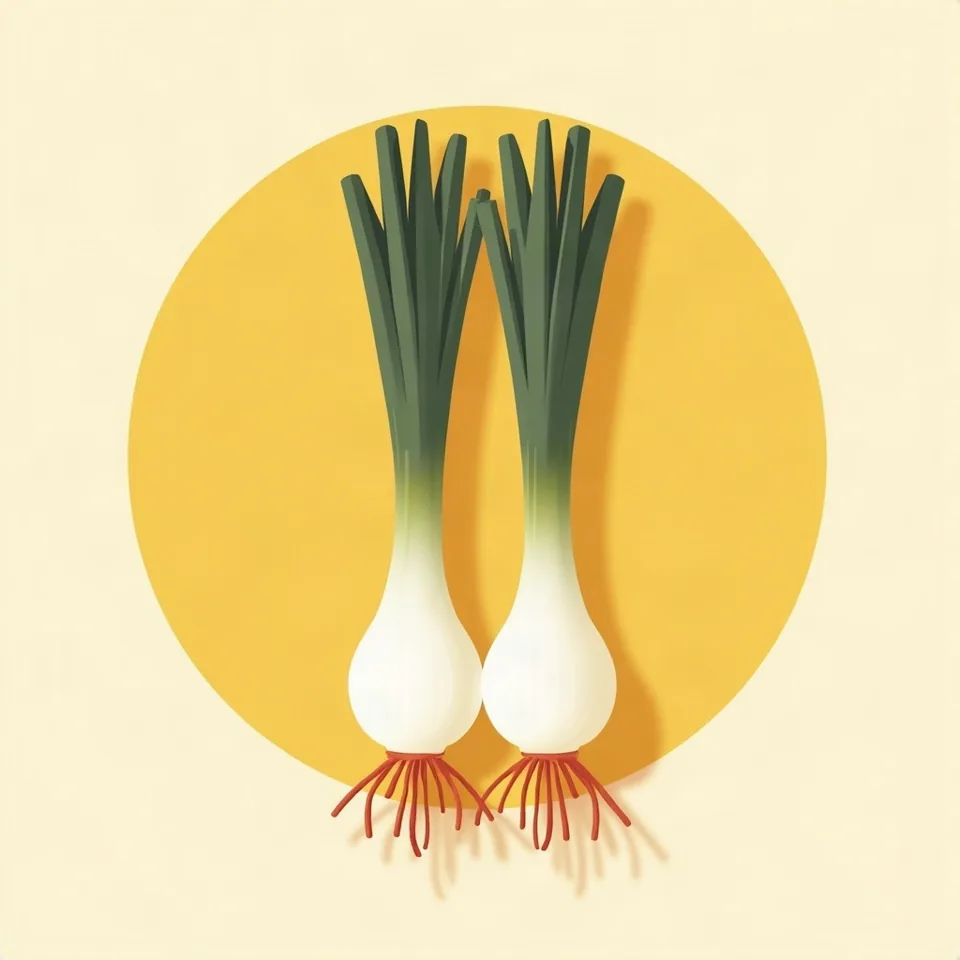
Can dogs eat leeks?
No, leeks are toxic to dogs. They belong to the Allium family along with onions, garlic, and chives, and contain compounds that damage red blood cells and can cause hemolytic anemia. Raw or cooked, leeks are equally dangerous.
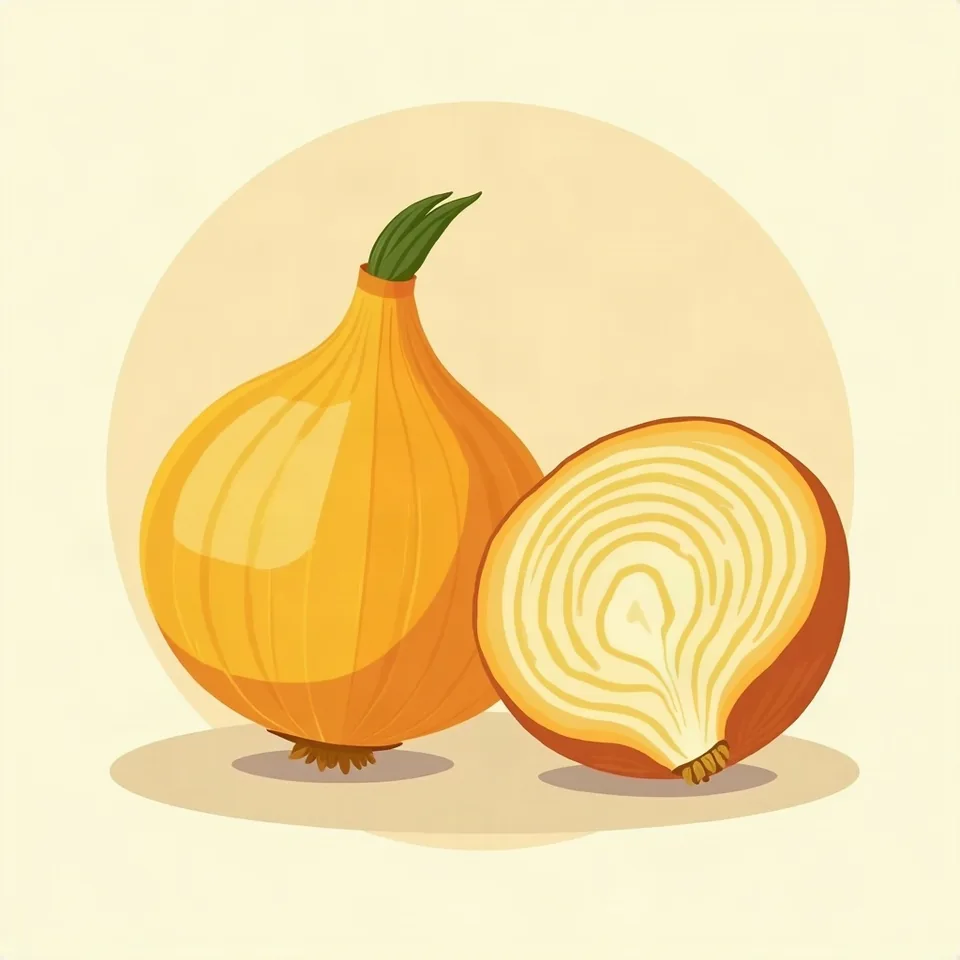
Can dogs eat onions?
No, onion is toxic to dogs in every form, raw, cooked, dried, or powdered. It damages red blood cells and causes hemolytic anemia. Symptoms often don't show up for a few days, so poisoning is easy to miss.
Key: Yes, safe · Yes, in moderation · No, better avoided · Dangerous, never.