Can dogs eat corn?
Short answer
Yes, plain cooked corn kernels with no salt are fine for dogs in small amounts. The corn cob is dangerous, though; dogs can't digest it, and it can cause a serious intestinal blockage that requires surgery.
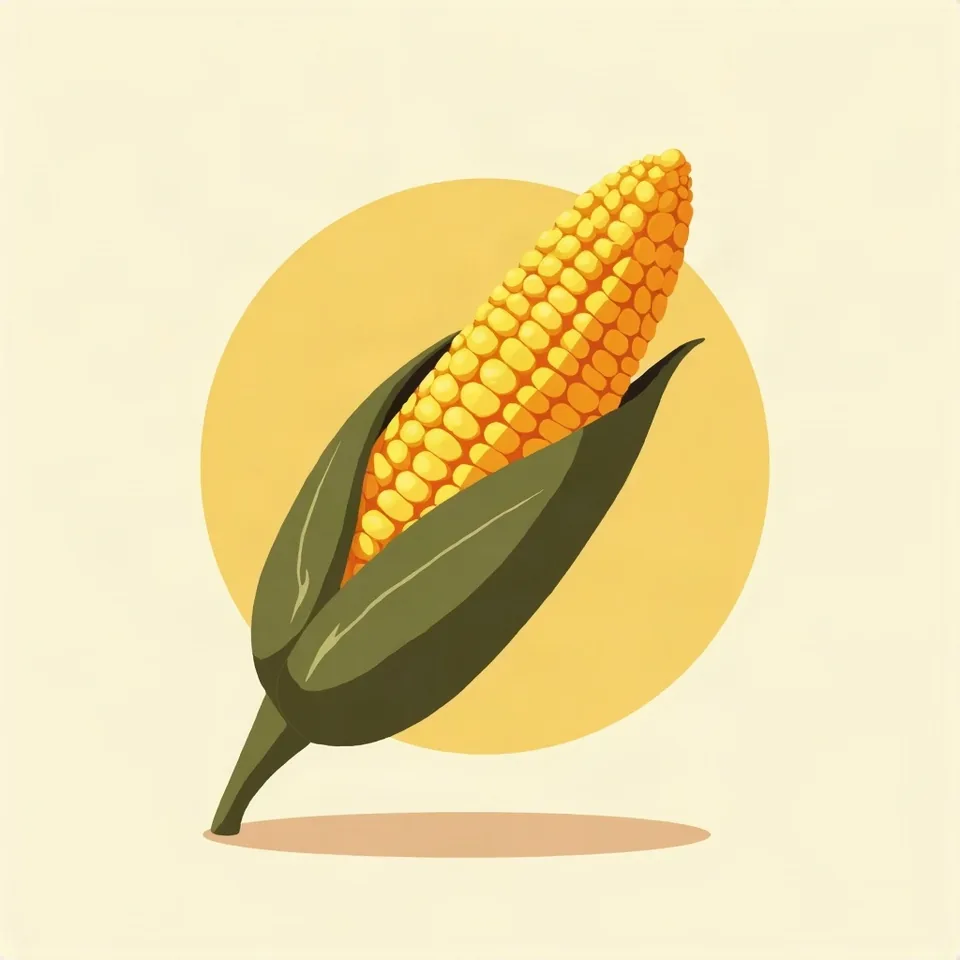
Corn kernels aren't toxic to dogs and are a common ingredient in kibble in small amounts. The cob is a different matter entirely, an indigestible chunk that often ends up requiring surgery to remove. Here's how to serve corn safely, and why the cob should never end up near the grill.
Why only in moderation
Corn kernels on their own aren't toxic to dogs and contain carbohydrates, fiber, and a modest amount of protein. Corn is a common ingredient in commercial kibble, and veterinary nutrition experts generally consider it an unproblematic part of a balanced diet in reasonable amounts.
The real danger is the corn cob, not the kernels themselves. Dogs often swallow pieces of cob that don't break down in the stomach or intestines. It's one of the most common causes of foreign-body obstructions requiring surgical removal in dogs.
Grilled or boiled corn with butter and salt, the way it's typically served at a summer barbecue, isn't suitable for dogs because of the fat and salt. Plain boiled kernels with nothing added, separated from the cob, are the safe option.
Popcorn is its own category: plain, unflavored popcorn is fine in small amounts, but buttered, salted, or caramel popcorn isn't, and unpopped kernels pose a choking hazard or can damage teeth.
Frozen and canned corn kernels are about as safe as fresh in small amounts, but with canned corn always check the added salt content and consider rinsing the kernels before serving.
How to serve corn
- Only loose, cooked kernels stripped from the cob, with no salt, butter, or seasoning.
- Serve in small amounts as an add-in to a meal, not as the main part of the portion.
- Always dispose of the cob thoroughly out of your dog's reach, even outdoors by the grill.
- Rinse canned corn under water before serving to reduce the salt content from the liquid.
- Never give corn with butter, salt, or from a can with added salt.
Rough portion
A tablespoon or two of cooked kernels depending on your dog's size, occasionally as an add-in to a meal. The cob should never reach your dog, in any amount or size.
Risks
- Dogs can't digest a corn cob, and swallowing one often leads to a serious intestinal blockage requiring surgery.
- Grilled or salted corn with butter strains digestion with fat and salt.
- Canned corn contains added salt.
- A large amount of loose kernels can cause looser stool in sensitive dogs.
Symptoms to watch for
- After swallowing a cob: vomiting, loss of appetite, lethargy
- Painful or bloated abdomen
- Straining to pass stool, or no stool at all
- Restlessness, whining when the abdomen is touched
Your dog already ate corn. What now?
- If your dog ate only a small amount of loose corn kernels, there's no cause for concern.
- If your dog swallowed a piece of cob or a whole cob, it's an emergency; contact your vet immediately, even if your dog still seems fine, since a cob doesn't break down in the digestive tract.
- Don't wait for signs of a blockage to develop, like repeated vomiting or a bloated abdomen; if you suspect your dog swallowed a cob, prompt evaluation is essential.
Common questions about dogs and corn
Can a dog chew on a corn cob?
No, never. The cob is one of the most dangerous everyday foods for dogs; pieces a dog bites off or a whole swallowed cob don't break down in the digestive tract and often cause a serious intestinal blockage that requires surgery.
Is corn in kibble okay for dogs?
Yes, ground corn kernels used as a kibble ingredient are safe, well digested, and a normal source of carbohydrate and protein in many recipes. It's an entirely different form from a whole cob, which is what actually carries the risk of a dangerous blockage.
What should I do if my dog swallowed a piece of corn cob?
Contact your vet as soon as possible, even if your dog seems fine. A cob doesn't break down in the stomach or intestines and can get lodged, leading to a blockage. The sooner the problem is caught, the simpler the fix tends to be.
Can dogs eat popcorn?
Plain, unflavored, unsalted popped popcorn is fine in small amounts as an occasional treat. Buttered, caramel, or salted popcorn isn't, since the fat and salt add up quickly, and unpopped or partially popped kernels can damage teeth or cause choking.
Is canned corn worse for dogs than fresh?
The main difference is the salt content added during canning as a preservative. If you're giving your dog canned corn, rinse it under water first and serve only a small amount. Fresh or frozen corn with nothing added is always the better choice.
Other good treats
Can dogs eat carrots?
Yes, carrots are safe for dogs and rank among the best treats you can give them. They're low in calories, full of fiber and beta-carotene, and raw carrots even help clean teeth. Cut them to a size that suits your dog.
Can dogs eat peas?
Yes, green peas are safe and nutritious for dogs. They provide plant protein, fiber, and vitamins, and plenty of quality kibble uses them as an ingredient. Serve fresh or frozen, never salted canned peas.
Can dogs eat pumpkin?
Yes, cooked or plain pumpkin flesh is very healthy for dogs, and vets often recommend it to help with digestive upset. Always choose plain pumpkin puree, never pie filling with added sugar and spices.
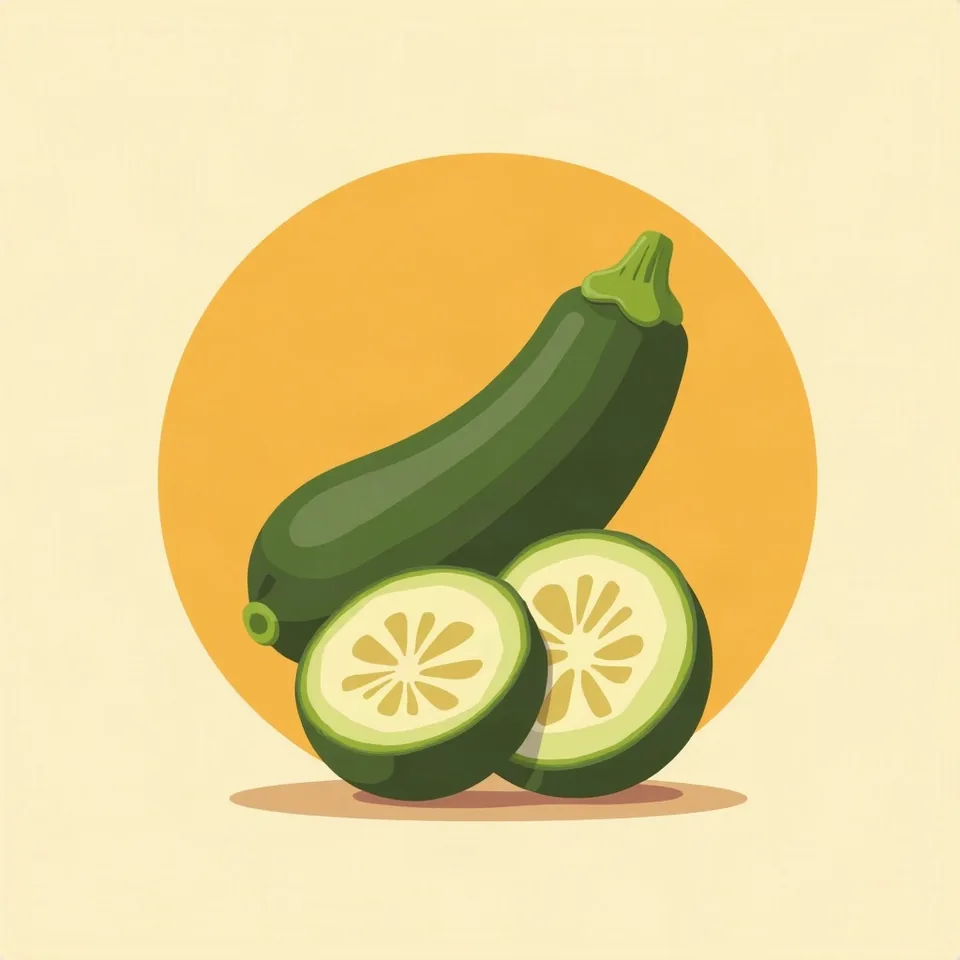
Can dogs eat zucchini?
Yes, zucchini is safe for dogs and low in calories. It's mostly water with a little fiber and vitamins, and makes a light treat even for dogs on a diet. Serve it raw or cooked, with no salt, oil, or seasoning.
More from vegetables
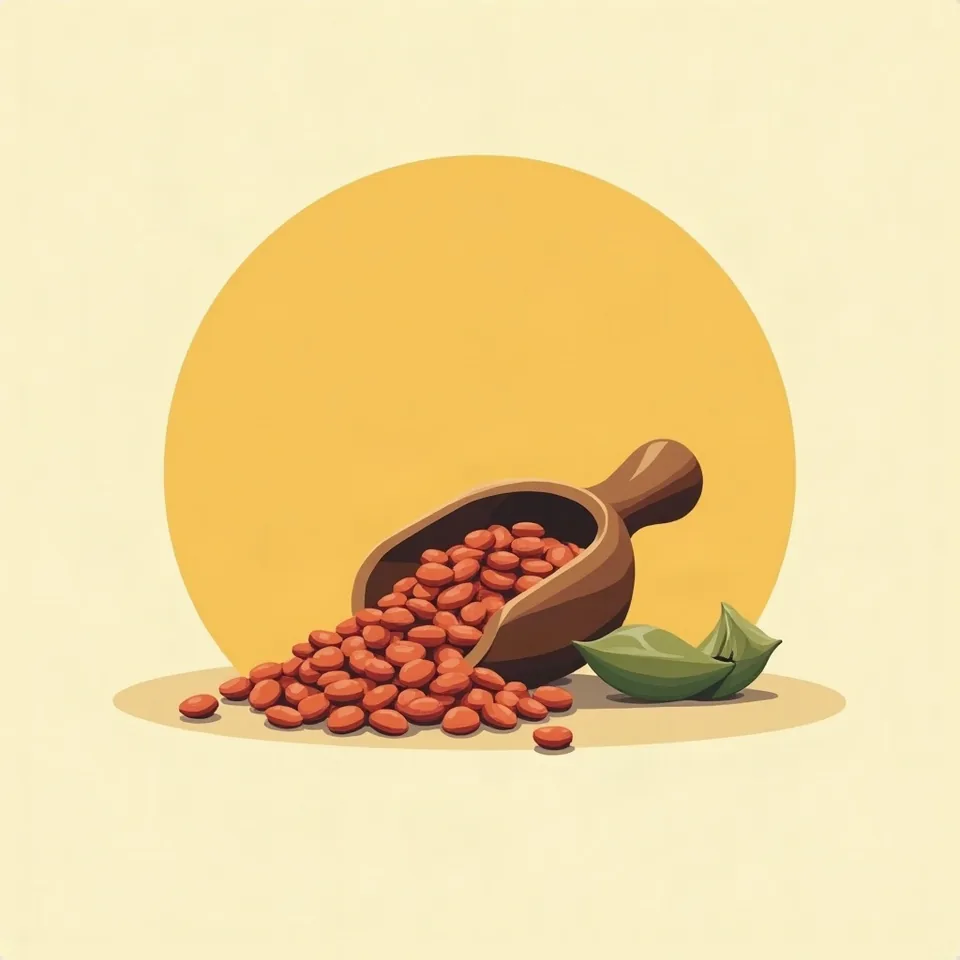
Can dogs eat beans?
Yes, plain beans that are cooked thoroughly and unsalted are safe for dogs in small amounts and offer a good dose of fiber and protein. Raw beans are toxic due to lectins, though, and canned or baked beans usually carry too much salt and sugar.
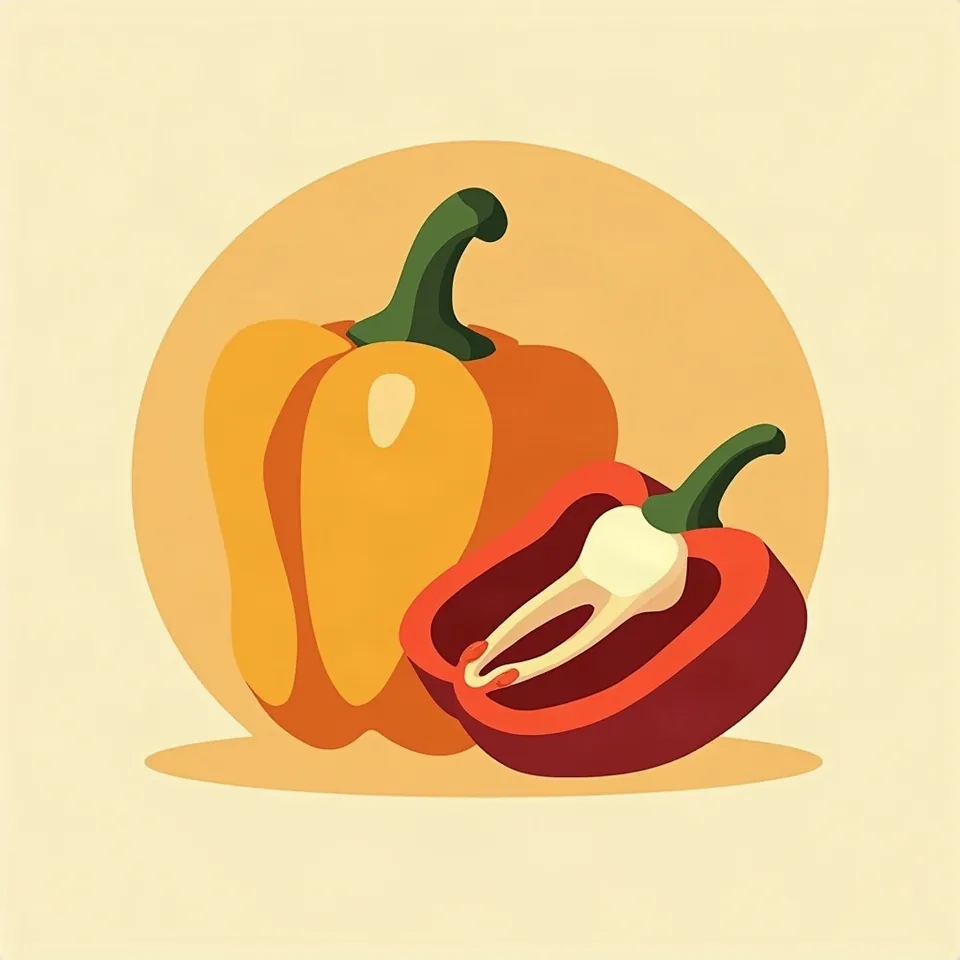
Can dogs eat bell peppers?
Yes, but only sweet bell peppers in small amounts. They aren't toxic and contain vitamin C, but hot varieties like chili peppers or jalapenos should never be given, capsaicin irritates the digestive tract and causes painful burning.
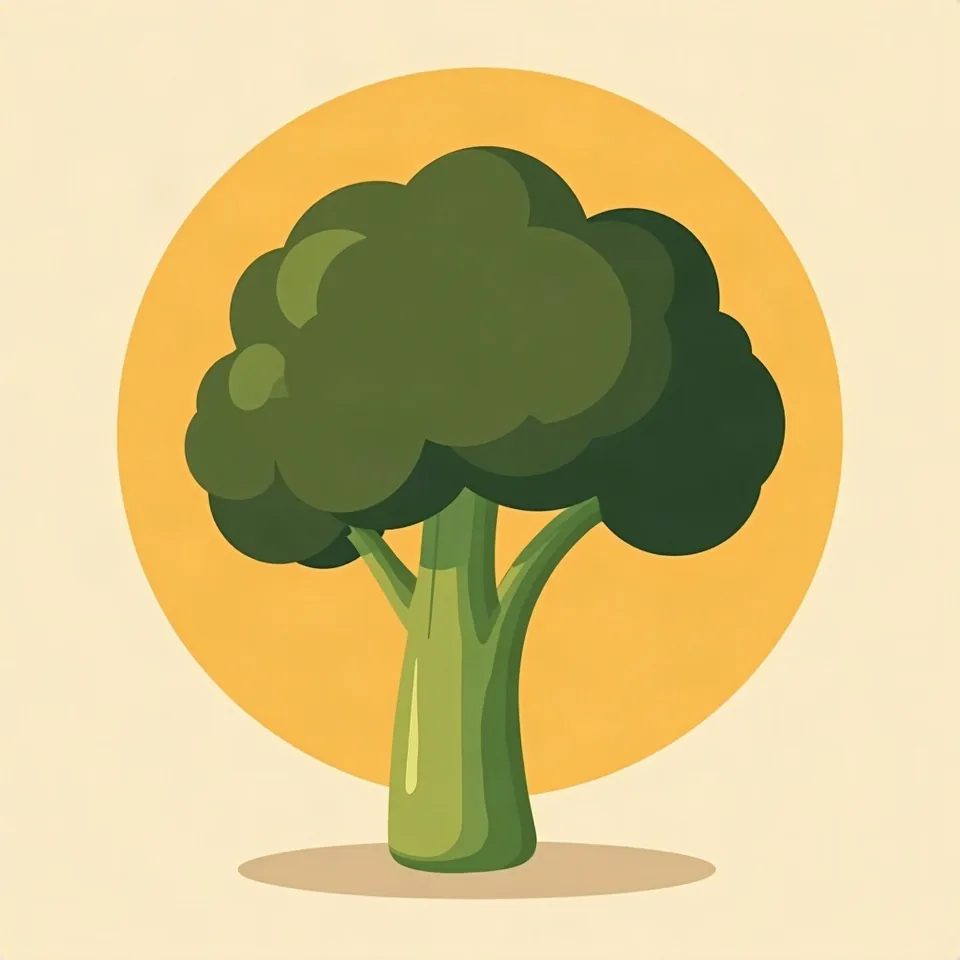
Can dogs eat broccoli?
Yes, broccoli is safe for dogs in small amounts. It contains isothiocyanates, which in larger doses irritate the digestive tract and cause gas. Stick to small pieces, raw or cooked, with no seasoning.
Sources
Last updated 2 September 2026.