Can dogs eat beans?
Short answer
Yes, plain beans that are cooked thoroughly and unsalted are safe for dogs in small amounts and offer a good dose of fiber and protein. Raw beans are toxic due to lectins, though, and canned or baked beans usually carry too much salt and sugar.
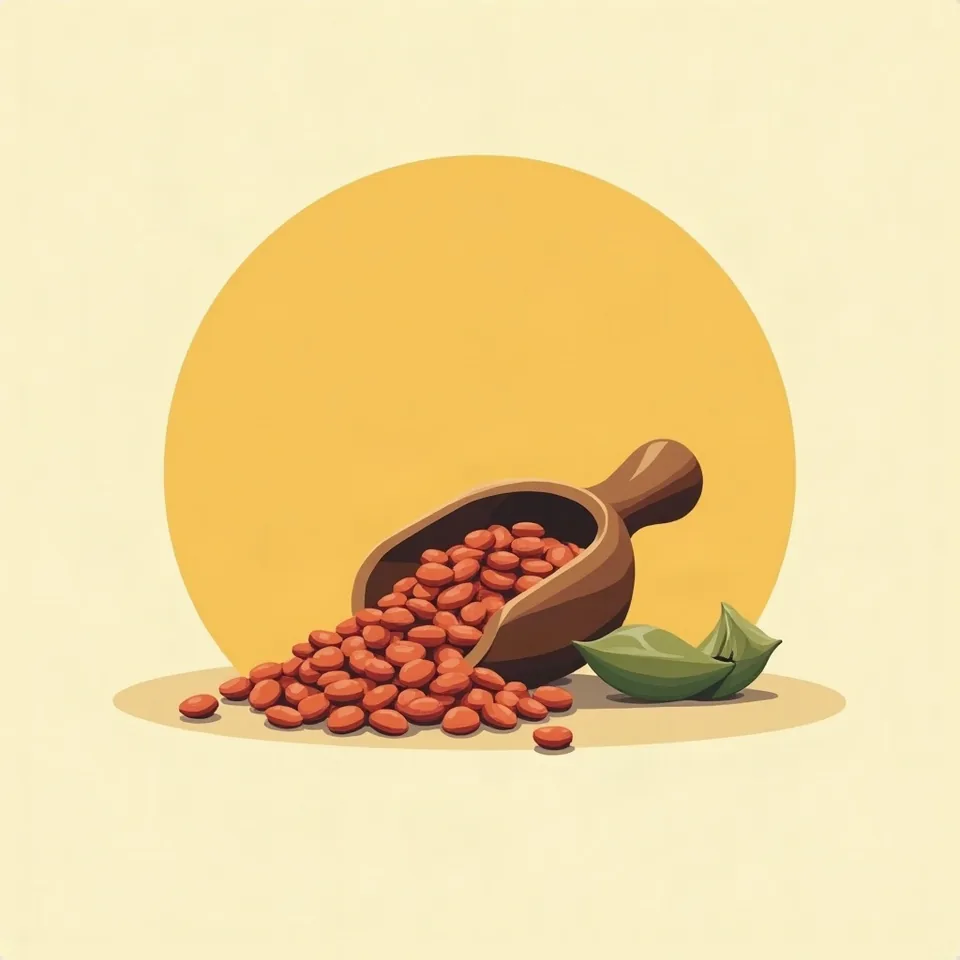
Beans can be a healthy addition to a dog's diet, but only cooked and unseasoned. Raw beans contain the toxic lectin phytohaemagglutinin, and canned varieties are often too salty or sweet. Here's how to serve beans to your dog safely.
Why only in moderation
Thoroughly cooked beans, such as black beans, kidney beans, chickpeas, and butter beans, provide plant protein, fiber, iron, and B vitamins. In small amounts they're a healthy addition that shows up in plenty of home-cooked dog food recipes.
Raw or undercooked beans, kidney beans especially, contain the lectin phytohaemagglutinin, which is toxic and causes serious digestive upset, including intense vomiting and diarrhea. Only a proper, extended boil, not just soaking, destroys this lectin, which is why raw beans should never be served.
Canned beans often contain added salt and sometimes sugar or preservatives, so rinse them thoroughly under water before serving, or better yet, cook your own from scratch at home. Beans pickled in sauce, sweet-and-sour or spiced varieties, aren't suitable at all.
Baked beans in tomato sauce pile on even more sugar and salt, and often onion or garlic too, a combination that's unsuitable for dogs and should be skipped entirely. The same goes for beans in chili with added spices.
How to serve beans
- Cook plain beans at home with no salt, sugar, or seasoning, and simmer them until fully soft.
- Or use canned beans packed in water, not sauce, rinsed thoroughly under running water to wash away excess salt.
- Serve mashed or whole as an add-in to your dog's regular food, not as a main meal.
- Introduce beans gradually in small amounts, since the high fiber content can cause gas.
Rough portion
Small dog: a teaspoon or two of cooked beans. Medium dog: 2-3 tablespoons. Large dog: a handful. Offer at most a few times a week as an extra, not a daily addition.
Risks
- Raw or undercooked beans contain the toxic lectin phytohaemagglutinin.
- Canned beans tend to be salty, and baked beans are often sweet and spiced on top of that.
- A large amount of fiber can cause bloating and gas.
- Beans in chili or other spiced sauces often contain onion or garlic.
Symptoms to watch for
- Intense vomiting and diarrhea after raw beans
- Bloating, gas
- Excessive thirst after salty canned beans
- Abdominal pain
Your dog already ate beans. What now?
- If your dog eats a small amount of well-cooked, plain beans, no action is usually needed.
- If your dog eats raw or undercooked beans, watch for intense vomiting and diarrhea, and contact your vet if symptoms persist.
- After canned or baked beans, watch for excessive thirst and digestive upset from the salt and sugar content.
- If you suspect your dog ate beans containing onion or garlic, such as chili or seasoned baked beans, watch for signs like pale gums and weakness, and check with your vet.
Common questions about dogs and beans
Can I give my dog canned beans?
Yes, but only beans packed in water with no added salt, sugar, or sauce, and it's still worth rinsing them under water before serving. Beans in tomato or spiced sauce, like baked beans or chili beans, aren't suitable at all.
Are raw beans poisonous to dogs?
Yes, raw or undercooked beans, kidney beans in particular, contain the lectin phytohaemagglutinin, which causes intense vomiting and diarrhea. Beans always need to be cooked thoroughly until soft; never serve them raw or merely soaked.
Are beans good for overweight dogs?
A small amount of cooked beans without fat or salt can be a helpful source of fiber in a weight-management diet, since it helps a dog feel full without adding many calories. It should always stay a supplement to a balanced diet, though, not a meal replacement.
Are chickpeas as safe for dogs as beans?
Yes, cooked chickpeas without salt or seasoning are about as safe as other legumes and offer similar nutrients. The same rules apply: never serve them raw, and skip canned versions with added salt or sauce.
Other good treats
Can dogs eat broccoli?
Yes, broccoli is safe for dogs in small amounts. It contains isothiocyanates, which in larger doses irritate the digestive tract and cause gas. Stick to small pieces, raw or cooked, with no seasoning.
Can dogs eat carrots?
Yes, carrots are safe for dogs and rank among the best treats you can give them. They're low in calories, full of fiber and beta-carotene, and raw carrots even help clean teeth. Cut them to a size that suits your dog.
Can dogs eat peas?
Yes, green peas are safe and nutritious for dogs. They provide plant protein, fiber, and vitamins, and plenty of quality kibble uses them as an ingredient. Serve fresh or frozen, never salted canned peas.
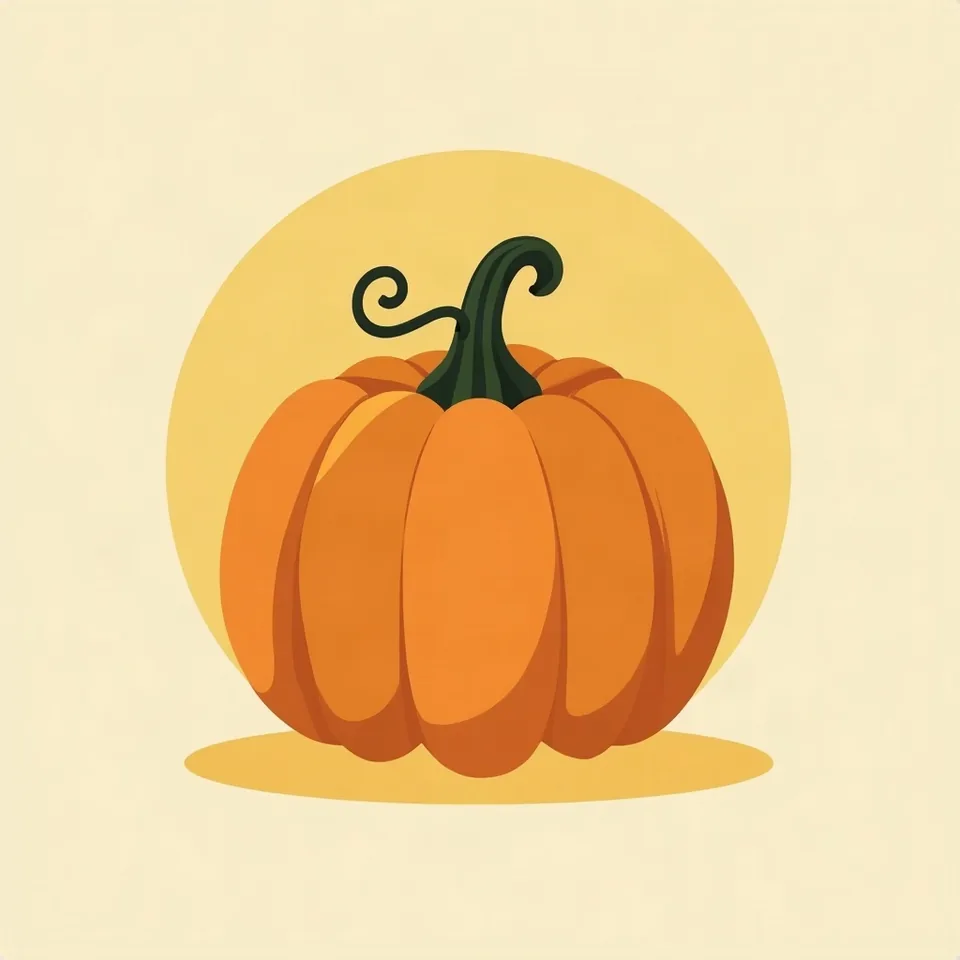
Can dogs eat pumpkin?
Yes, cooked or plain pumpkin flesh is very healthy for dogs, and vets often recommend it to help with digestive upset. Always choose plain pumpkin puree, never pie filling with added sugar and spices.
More from vegetables
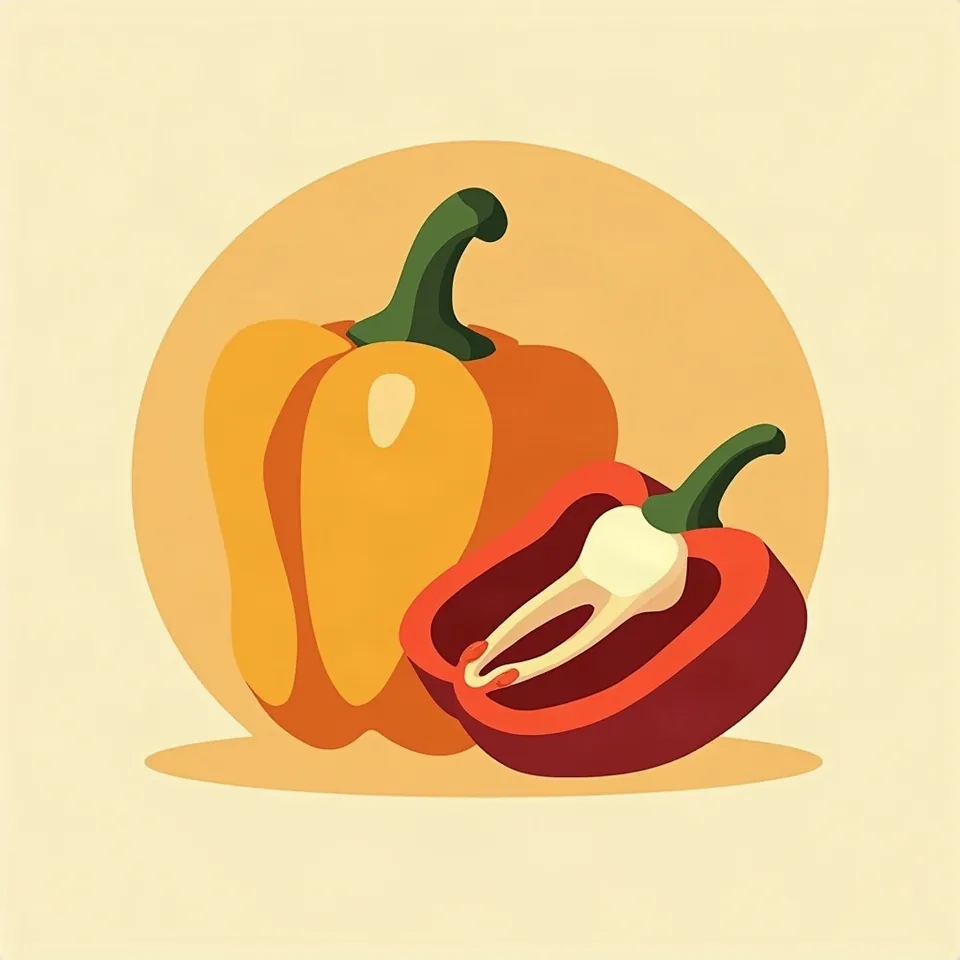
Can dogs eat bell peppers?
Yes, but only sweet bell peppers in small amounts. They aren't toxic and contain vitamin C, but hot varieties like chili peppers or jalapenos should never be given, capsaicin irritates the digestive tract and causes painful burning.
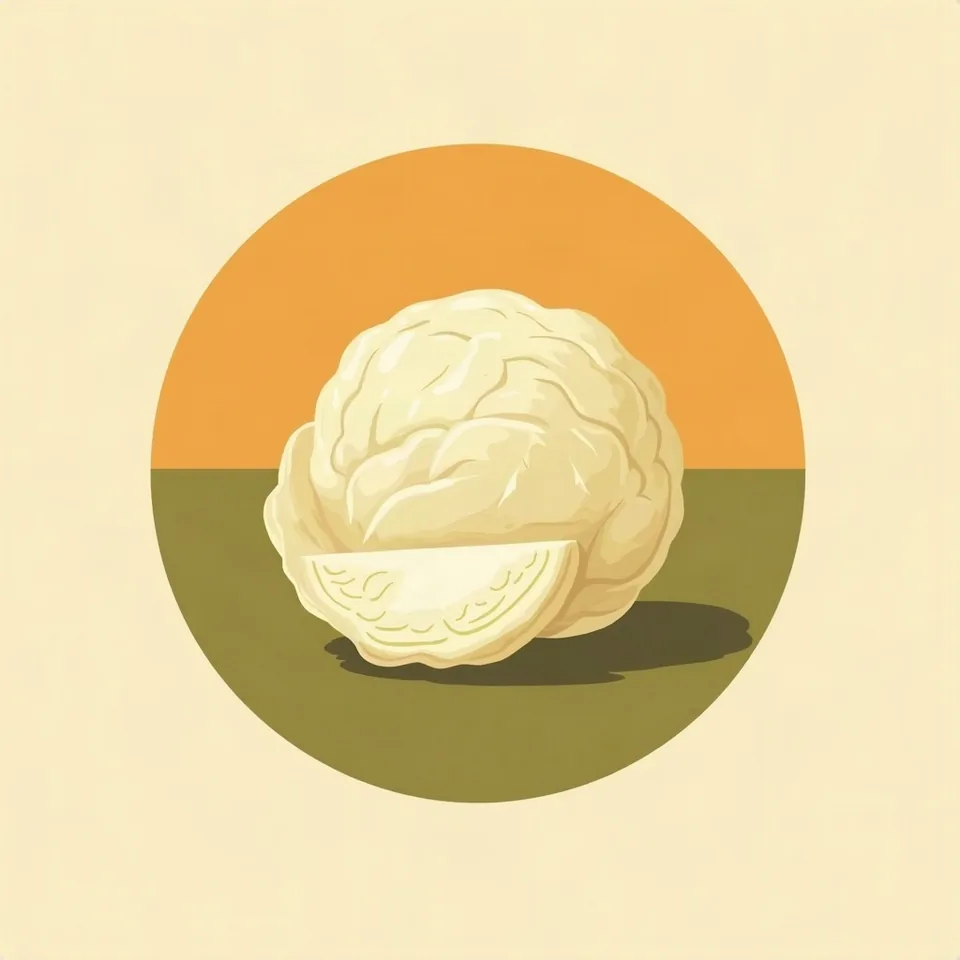
Can dogs eat cabbage?
Yes, raw or cooked cabbage is safe for dogs in small amounts. In larger portions it causes noticeable gas, and heavy long-term intake can affect thyroid function. Skip sauerkraut because of its salt content.
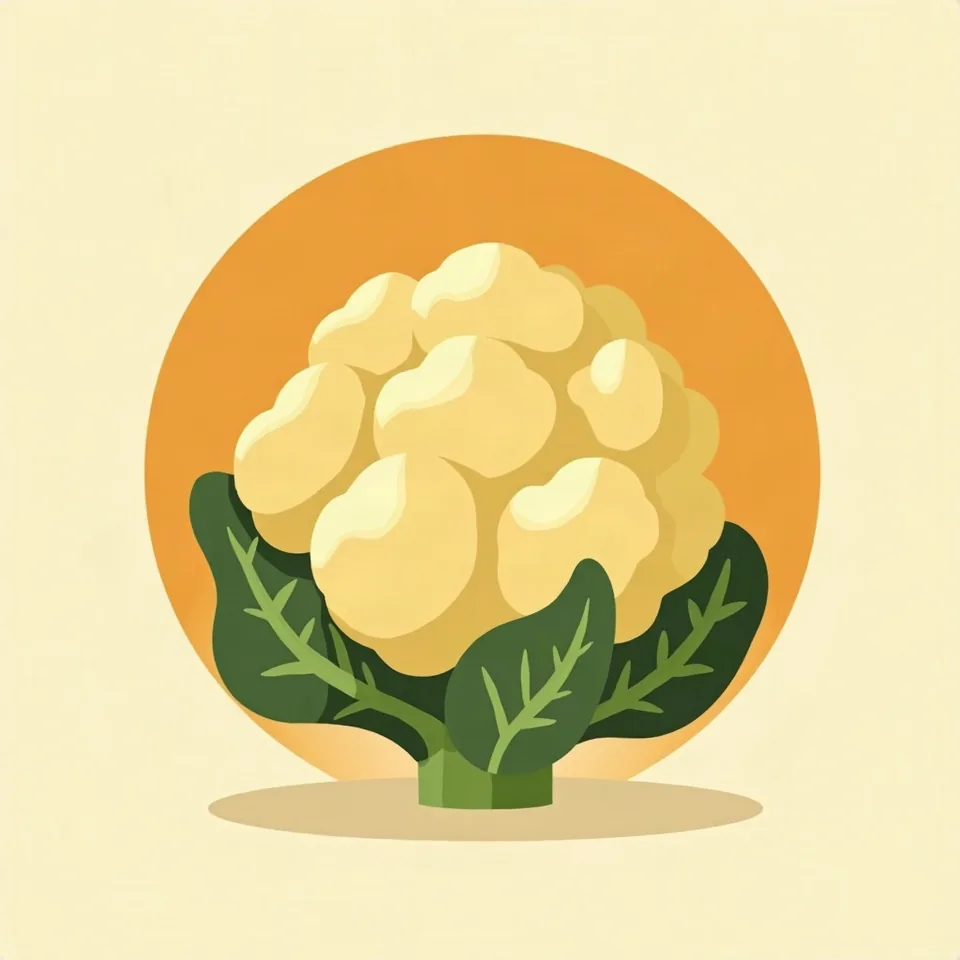
Can dogs eat cauliflower?
Yes, cauliflower is safe for dogs in small amounts. Like other cruciferous vegetables, larger portions can easily cause gas and bloating. Stick to a few small pieces, raw or cooked, with no seasoning.
Sources
- AKC: Can Dogs Eat Beans?
- ASPCA: People Foods to Avoid Feeding Your Pets
Last updated 2 September 2026.