Can dogs eat peas?
Short answer
Yes, green peas are safe and nutritious for dogs. They provide plant protein, fiber, and vitamins, and plenty of quality kibble uses them as an ingredient. Serve fresh or frozen, never salted canned peas.
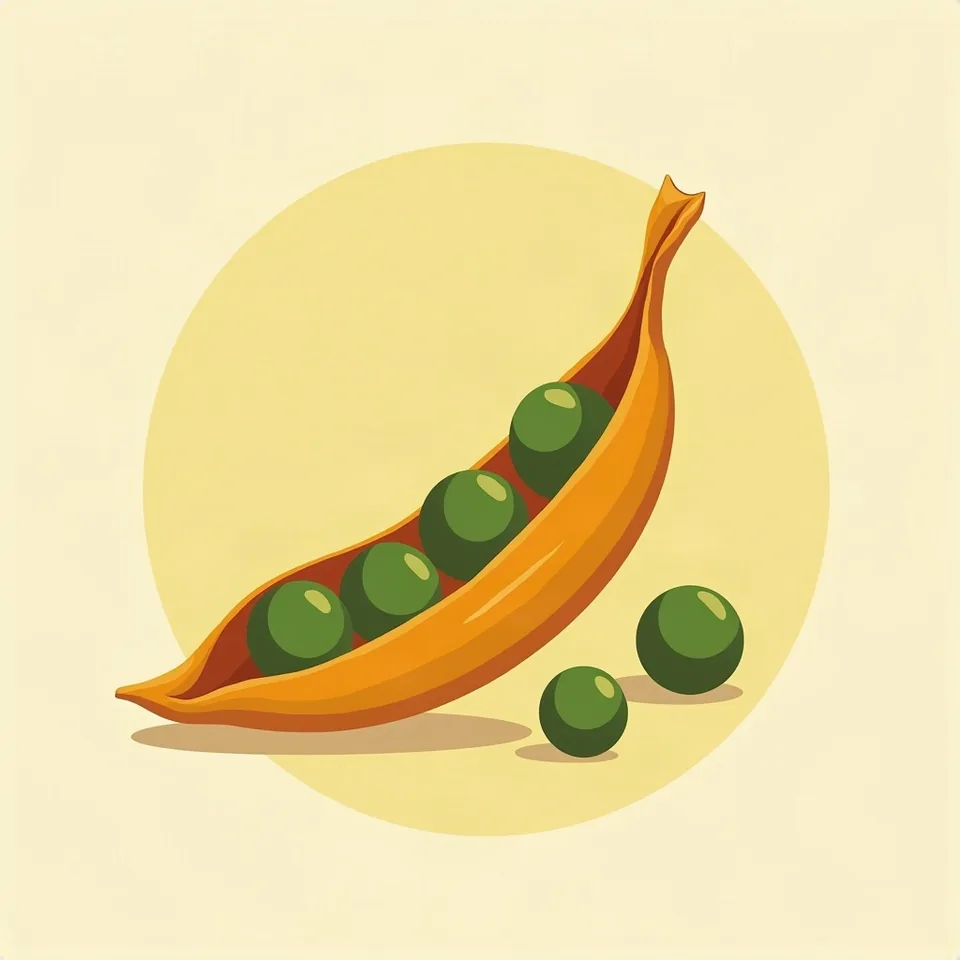
Peas are a vegetable dogs tolerate well, and they show up regularly in the ingredient list of commercial dog food. They provide plant protein, fiber, B vitamins, and antioxidants. Here's which form to choose and what to avoid.
Why it is fine
Green peas contain no substance that's toxic to dogs. They're a source of plant protein, fiber, vitamin K, B vitamins, and antioxidants like lutein, which is why they appear as an ingredient in plenty of commercial kibble, especially recipes with a higher vegetable content.
Fresh or frozen peas are the best choice; they retain the most nutrients and contain no added ingredients. A quick blanch or simply thawing is enough; cooking isn't strictly necessary.
Canned peas are a problem because of the added salt used as a preservative. Frozen vegetable mixes can also sometimes include onion or other Allium-family vegetables, so always check the ingredient list.
Peas contain purine compounds, which are entirely fine for healthy dogs, but for dogs with advanced kidney disease or a tendency toward gout, it's worth discussing the amount with your vet and not overdoing it.
Dried split peas or chickpeas from legume mixes aren't the same as green peas; they tend to be harder, less digestible, and often sold salted or seasoned, so don't feed them to your dog as a substitute.
How to serve peas
- Fresh or thawed frozen peas, raw or briefly blanched, with no salt.
- Mashed or whole, mixed into kibble or homemade food as an add-in.
- Never canned peas from a tin, because of the added salt.
- Check the ingredient list on frozen vegetable mixes; some contain onion.
- Pea puree also works well in a lick mat or homemade dog biscuits.
Rough portion
A teaspoon to a tablespoon of peas depending on your dog's size, added to meals a few times a week. As a dietary supplement it can be given more regularly too; for dogs with kidney disease, check with your vet first.
Risks
- Canned peas contain added salt.
- Frozen vegetable mixes may contain onion or garlic; always read the label.
- For dogs with advanced kidney disease or gout, it's worth discussing the amount with your vet because of the purine content.
Symptoms to watch for
- Usually none at a reasonable amount
- Looser stool after a large portion
- Bloating
Your dog already ate peas. What now?
- A reasonable amount of fresh or frozen peas needs no intervention.
- If your dog eats a larger amount of canned peas, watch for symptoms linked to higher salt intake, like excessive thirst.
- If your dog eats a frozen vegetable mix containing onion, treat it as possible onion poisoning and contact your vet.
Common questions about dogs and peas
Can dogs eat peas every day?
Yes, fresh or frozen peas without salt can be given fairly regularly as a food topper. It's not an issue for healthy dogs, but for dogs with advanced kidney disease, it's better to discuss the amount with your vet because of the purine content.
Are canned peas okay for a dog?
Not really. Canned peas contain added salt as a preservative, which puts strain on the kidneys and heart with regular feeding, and can lead to excessive thirst. Fresh or frozen peas with nothing added are the better choice, and if canned is all you have, rinse the kernels first.
Why do dog foods list peas as an ingredient?
Peas are a source of plant protein, fiber, and vitamins, and in kibble they serve as a quality source of carbohydrates and protein, often in grain-free recipes that skip cereal grains entirely. It's a common, well-studied, and safe ingredient in commercial dog food.
Can dogs eat pea pods, not just the peas themselves?
Young, soft snap pea pods are fine in small amounts, but tougher, mature pods can be harder to digest and pose a choking risk for smaller dogs who don't chew them well. The peas alone, shelled out of the pod, are the safer and easier option for most dogs.
Is there a difference between green peas and chickpeas or lentils for dogs?
Yes, green peas are more watery and easier to digest, while dried legumes like chickpeas or lentils are denser, higher in starch, and need long cooking. Both are fine in small, unseasoned amounts, but they aren't interchangeable.
Other good treats
Can dogs eat carrots?
Yes, carrots are safe for dogs and rank among the best treats you can give them. They're low in calories, full of fiber and beta-carotene, and raw carrots even help clean teeth. Cut them to a size that suits your dog.
Can dogs eat cucumber?
Yes, cucumber is safe for dogs and very low in calories. It's about 95% water, making it a refreshing summer treat and a good option for overweight dogs. Serve it raw, and peel it for dogs with sensitive digestion.
Can dogs eat pumpkin?
Yes, cooked or plain pumpkin flesh is very healthy for dogs, and vets often recommend it to help with digestive upset. Always choose plain pumpkin puree, never pie filling with added sugar and spices.
Can dogs eat zucchini?
Yes, zucchini is safe for dogs and low in calories. It's mostly water with a little fiber and vitamins, and makes a light treat even for dogs on a diet. Serve it raw or cooked, with no salt, oil, or seasoning.
More from vegetables
Can dogs eat beans?
Yes, plain beans that are cooked thoroughly and unsalted are safe for dogs in small amounts and offer a good dose of fiber and protein. Raw beans are toxic due to lectins, though, and canned or baked beans usually carry too much salt and sugar.
Can dogs eat bell peppers?
Yes, but only sweet bell peppers in small amounts. They aren't toxic and contain vitamin C, but hot varieties like chili peppers or jalapenos should never be given, capsaicin irritates the digestive tract and causes painful burning.
Can dogs eat broccoli?
Yes, broccoli is safe for dogs in small amounts. It contains isothiocyanates, which in larger doses irritate the digestive tract and cause gas. Stick to small pieces, raw or cooked, with no seasoning.
Sources
- AKC: Can Dogs Eat Peas? What to Know About This Ingredient
- WSAVA Global Nutrition Committee: Guidelines on selecting pet foods and treats
Last updated 2 September 2026.