Can dogs eat bell peppers?
Short answer
Yes, but only sweet bell peppers in small amounts. They aren't toxic and contain vitamin C, but hot varieties like chili peppers or jalapenos should never be given, capsaicin irritates the digestive tract and causes painful burning.
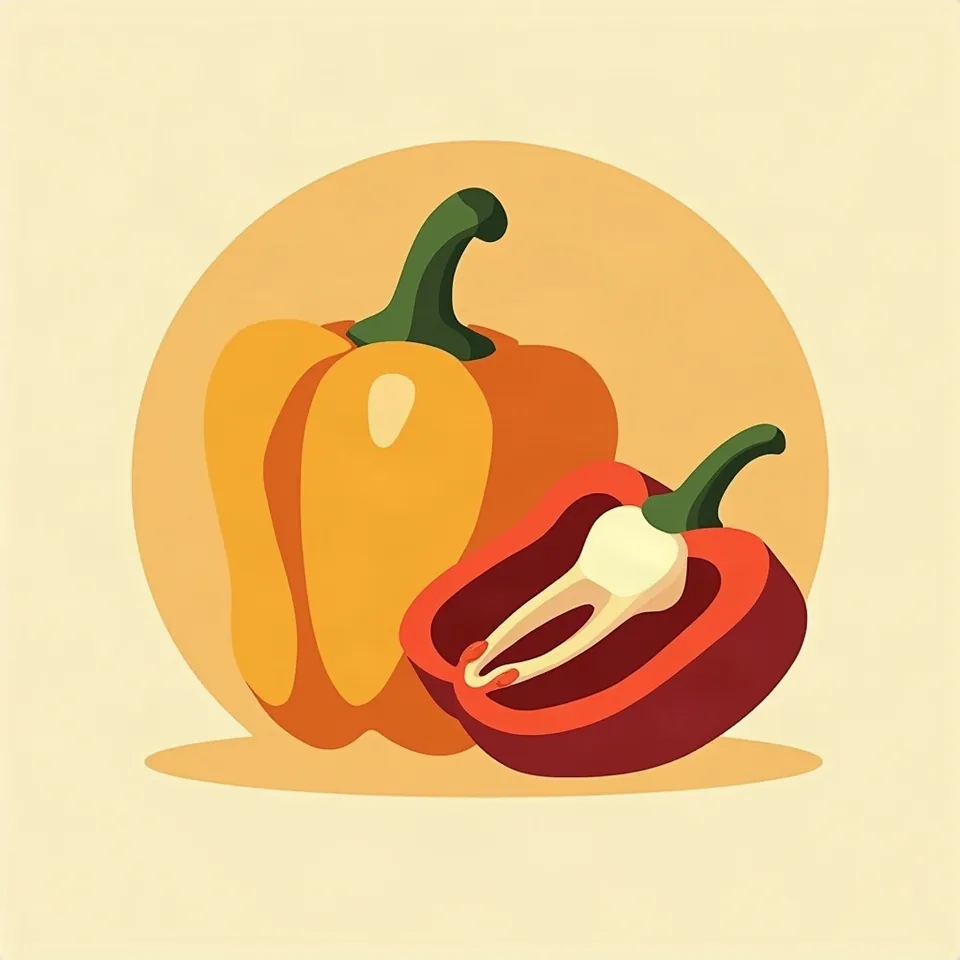
Sweet bell peppers, red, yellow, or orange, are safe for dogs in small amounts and low in calories. They must be the sweet variety only, with no seeds or stem, and never a hot chili pepper. Here's the difference and how to serve bell peppers safely.
Why only in moderation
Sweet bell peppers contain nothing toxic and provide vitamin C, beta-carotene, and antioxidants, all with few calories. Red bell peppers have the most vitamin C of the color varieties, since they're the most ripe.
It's essential not to confuse sweet bell peppers with hot varieties, chili peppers, cayenne, or jalapenos. These contain capsaicin, which strongly irritates the lining of the mouth, stomach, and intestines and causes painful burning, excessive drooling, and vomiting. Hot peppers should never be given to dogs.
The seeds and white pith inside aren't toxic, but they're harder to digest and slightly bitter, so it's better to remove them before serving, especially for smaller dogs. The skin is edible but tougher, so always cut raw bell pepper into smaller pieces.
Bell pepper cooked in oil, seasoned, or served as part of a dish with onion and sausage isn't suitable, it's not the vegetable itself that's the problem but the ingredients it's typically combined with in cooked dishes.
Dried ground paprika (the spice) shouldn't be added to food at all, even the sweet version, in larger amounts it irritates the stomach much like other concentrated spices and offers no benefit to a dog.
How to serve bell peppers
- Only sweet, colored bell peppers (red, yellow, orange, green), never hot chili peppers or jalapenos.
- Raw or lightly steamed, cut into small pieces, with the seeds and stem removed.
- No salt, oil, or seasoning.
- Small pieces also work well as a low-calorie training reward.
- Never give pepper from a cooked dish, a stew, or a jar with added seasoning.
Rough portion
A few thin strips or cubes of sweet bell pepper two to three times a week. Not a food a dog needs, more of an occasional taste.
Risks
- Hot peppers (chili, cayenne, jalapeno) contain capsaicin, which strongly irritates the digestive tract.
- Seeds and white pith are harder to digest, especially for smaller dogs.
- Bell pepper in a stew, chili, or seasoned jar contains ingredients unsuitable for dogs.
Symptoms to watch for
- With hot pepper: excessive drooling, burning in the mouth, restlessness
- Vomiting or diarrhea
- Abdominal pain
Your dog already ate bell peppers. What now?
- A small amount of sweet bell pepper requires no action.
- If your dog ate a piece of hot pepper, offer water or a bit of milk to ease the burning and watch for ongoing restlessness or vomiting.
- For severe vomiting, diarrhea, or signs of pain after a hot food incident, contact your vet.
Common questions about dogs and bell peppers
Can dogs eat chili peppers?
No, hot peppers contain capsaicin, which strongly irritates the lining of the mouth and digestive tract and causes painful burning, excessive drooling, and sometimes vomiting. Only sweet, non-spicy bell pepper is suitable for dogs.
Is green bell pepper as suitable as red?
Yes, all the color varieties of sweet bell pepper (green, yellow, orange, red) are non-spicy and safe. Red has the most vitamin C since it's the most ripe, but there's no real difference in safety between the colors.
Can dogs eat bell pepper seeds?
The seeds aren't toxic, but they're harder to digest and slightly bitter. For smaller dogs it's best to remove them before serving to avoid digestive upset or an unpleasant reaction to the bitter taste.
What should I do if my dog eats a piece of hot pepper?
Offer water or a bit of milk to help ease the burning in their mouth, and watch for restlessness, excessive drooling, or vomiting. Most dogs recover on their own within a short time. If symptoms persist, worsen, or your dog seems to be in real distress, contact your vet.
Is dried paprika spice dangerous for dogs?
Ground paprika spice added to food isn't recommended even in the sweet variety. In larger concentrations it can irritate the stomach and offers no nutritional benefit over fresh vegetables. A light dusting that ends up on a shared plate usually isn't an emergency, but it shouldn't be added to a dog's food on purpose.
Other good treats
Can dogs eat carrots?
Yes, carrots are safe for dogs and rank among the best treats you can give them. They're low in calories, full of fiber and beta-carotene, and raw carrots even help clean teeth. Cut them to a size that suits your dog.
Can dogs eat cucumber?
Yes, cucumber is safe for dogs and very low in calories. It's about 95% water, making it a refreshing summer treat and a good option for overweight dogs. Serve it raw, and peel it for dogs with sensitive digestion.

Can dogs eat pumpkin?
Yes, cooked or plain pumpkin flesh is very healthy for dogs, and vets often recommend it to help with digestive upset. Always choose plain pumpkin puree, never pie filling with added sugar and spices.
Can dogs eat zucchini?
Yes, zucchini is safe for dogs and low in calories. It's mostly water with a little fiber and vitamins, and makes a light treat even for dogs on a diet. Serve it raw or cooked, with no salt, oil, or seasoning.
More from vegetables
Can dogs eat beans?
Yes, plain beans that are cooked thoroughly and unsalted are safe for dogs in small amounts and offer a good dose of fiber and protein. Raw beans are toxic due to lectins, though, and canned or baked beans usually carry too much salt and sugar.
Can dogs eat broccoli?
Yes, broccoli is safe for dogs in small amounts. It contains isothiocyanates, which in larger doses irritate the digestive tract and cause gas. Stick to small pieces, raw or cooked, with no seasoning.

Can dogs eat cabbage?
Yes, raw or cooked cabbage is safe for dogs in small amounts. In larger portions it causes noticeable gas, and heavy long-term intake can affect thyroid function. Skip sauerkraut because of its salt content.
Sources
Last updated 2 September 2026.