Can dogs eat zucchini?
Short answer
Yes, zucchini is safe for dogs and low in calories. It's mostly water with a little fiber and vitamins, and makes a light treat even for dogs on a diet. Serve it raw or cooked, with no salt, oil, or seasoning.
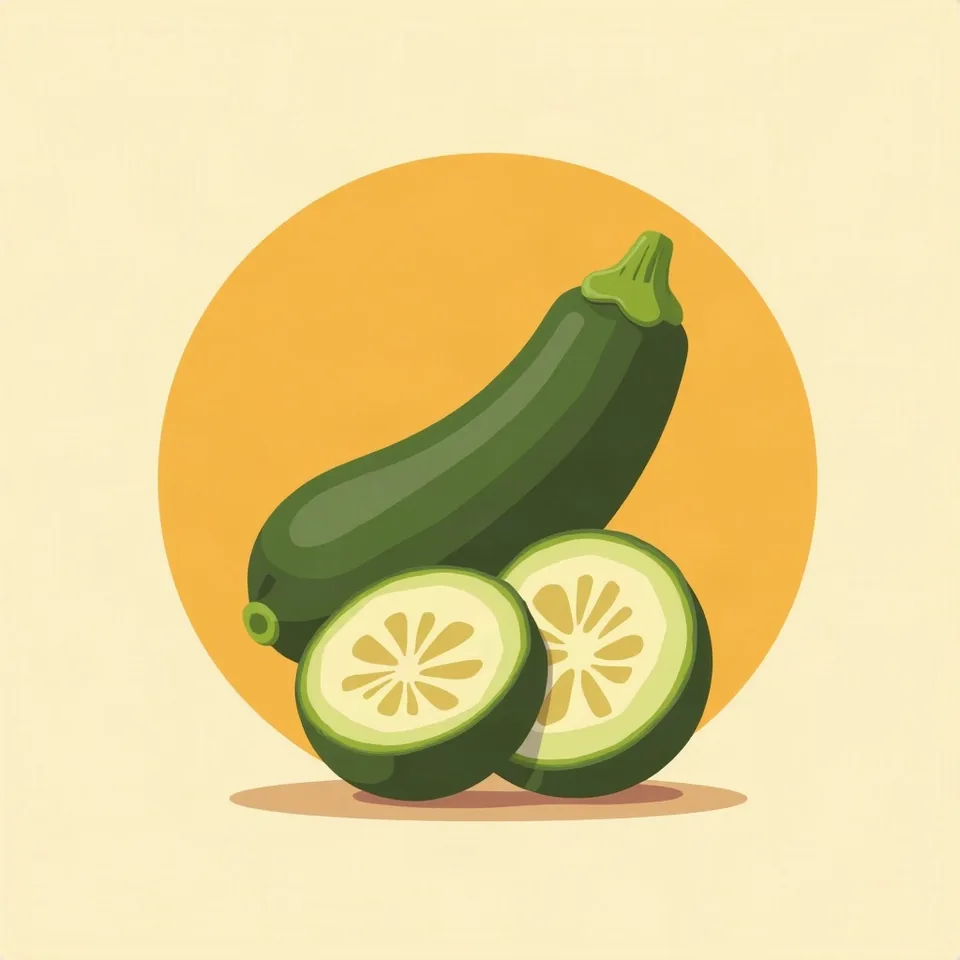
Zucchini is one of the gentlest vegetables a dog can eat regularly. It's low in calories, high in water, and provides a modest amount of fiber and potassium. Here's how to serve it and what to watch for with older, overgrown squash.
Why it is fine
Zucchini doesn't contain anything toxic to dogs. It's mostly water, low in calories, with a modest amount of fiber, potassium, and vitamin C, which makes it a light treat even for dogs on a weight-loss diet.
The skin is edible and not a risk; on a young, smaller zucchini there's no need to peel it. Older, overgrown squash that's starting to dry out has more fiber and seeds and tends to be harder to digest, so it's better to choose smaller, younger zucchini.
The vegetable itself isn't the problem, it's the preparation typical of Mediterranean cooking. Zucchini fried in oil with garlic and salt, the way people often eat it, is hard on a dog's digestion because of the fat, salt, and garlic, not because of the zucchini itself.
Thanks to its high water content and low calorie count, zucchini can be given fairly often; moderation mainly matters because a large single portion can loosen the stool.
Zucchini also works as a partial substitute for kibble in dogs that need bulkier but low-calorie food, typically as part of a weight-loss diet under a vet's guidance. The seeds in a young zucchini are soft and harmless; in an overgrown one, it's better to scoop them out along with the watery core.
How to serve zucchini
- Raw, cut into thin slices or cubes; the skin is fine on younger, smaller zucchini.
- Cooked, steamed, or grilled with no salt, oil, or seasoning.
- Grated raw zucchini can be mixed into kibble or homemade food.
- Frozen cubes make a nice summer treat; for dogs that gulp their food, mash them first so they can't be swallowed whole.
- Never serve zucchini fried in oil with garlic or salt, the way it's prepared for people.
Rough portion
Small dog: a few slices. Medium dog: a quarter of a zucchini. Large dog: half a smaller zucchini. Can be given several times a week thanks to its low calorie content.
Risks
- Older, overgrown zucchini is fibrous and harder to digest.
- Zucchini fried in oil, with garlic, or with salt is unsuitable because of what's added, not the vegetable itself.
- A larger single portion can loosen the stool because of the high water content.
Symptoms to watch for
- Looser stools after a larger portion
- Bloating
Your dog already ate zucchini. What now?
- A reasonable amount of plain zucchini doesn't call for any action.
- After a larger single portion, watch the stool the next day; mild changes resolve on their own.
- If your dog ate zucchini prepared with garlic or a lot of oil and salt, follow the guidance for that specific ingredient and contact your vet if you're concerned.
Common questions about dogs and zucchini
Can dogs eat zucchini skin?
Yes, the skin on a young, smaller zucchini is edible and not a risk, so there's no need to peel it. On older, overgrown squash, where the skin gets noticeably tougher, it's better to peel it first so it's easier for your dog to chew and digest.
Is raw or cooked zucchini better for a dog?
Both are safe. Raw zucchini makes a crunchy treat that most dogs enjoy, while steamed or boiled zucchini, served with no salt or oil, is softer and easier to digest for dogs with a sensitive stomach, seniors, or puppies just starting on solid treats.
Can dogs eat grilled or fried zucchini?
Zucchini fried in oil, with garlic or salt, the way it's typically prepared for people, doesn't agree with dogs because of the fat, salt, and possible garlic. If you want to give your dog zucchini, always prepare it plain, with no oil or seasoning.
How much zucchini can a dog eat?
Thanks to its low calorie content, it can be given several times a week, roughly a few slices for a small dog up to half a smaller zucchini for a large dog. A larger single portion can loosen the stool because of the high water content.
Is zucchini good for a dog on a diet?
Yes, zucchini is one of the best vegetables for a weight-loss diet. It has minimal calories while adding bulk and a feeling of fullness, so it's often used as a partial substitute for fattier treats or part of the kibble ration in overweight dogs under a vet's guidance.
Other good treats
Can dogs eat carrots?
Yes, carrots are safe for dogs and rank among the best treats you can give them. They're low in calories, full of fiber and beta-carotene, and raw carrots even help clean teeth. Cut them to a size that suits your dog.
Can dogs eat cucumber?
Yes, cucumber is safe for dogs and very low in calories. It's about 95% water, making it a refreshing summer treat and a good option for overweight dogs. Serve it raw, and peel it for dogs with sensitive digestion.
Can dogs eat peas?
Yes, green peas are safe and nutritious for dogs. They provide plant protein, fiber, and vitamins, and plenty of quality kibble uses them as an ingredient. Serve fresh or frozen, never salted canned peas.
Can dogs eat pumpkin?
Yes, cooked or plain pumpkin flesh is very healthy for dogs, and vets often recommend it to help with digestive upset. Always choose plain pumpkin puree, never pie filling with added sugar and spices.
More from vegetables
Can dogs eat beans?
Yes, plain beans that are cooked thoroughly and unsalted are safe for dogs in small amounts and offer a good dose of fiber and protein. Raw beans are toxic due to lectins, though, and canned or baked beans usually carry too much salt and sugar.
Can dogs eat bell peppers?
Yes, but only sweet bell peppers in small amounts. They aren't toxic and contain vitamin C, but hot varieties like chili peppers or jalapenos should never be given, capsaicin irritates the digestive tract and causes painful burning.
Can dogs eat broccoli?
Yes, broccoli is safe for dogs in small amounts. It contains isothiocyanates, which in larger doses irritate the digestive tract and cause gas. Stick to small pieces, raw or cooked, with no seasoning.
Sources
Last updated 2 September 2026.