Can dogs eat cauliflower?
Short answer
Yes, cauliflower is safe for dogs in small amounts. Like other cruciferous vegetables, larger portions can easily cause gas and bloating. Stick to a few small pieces, raw or cooked, with no seasoning.
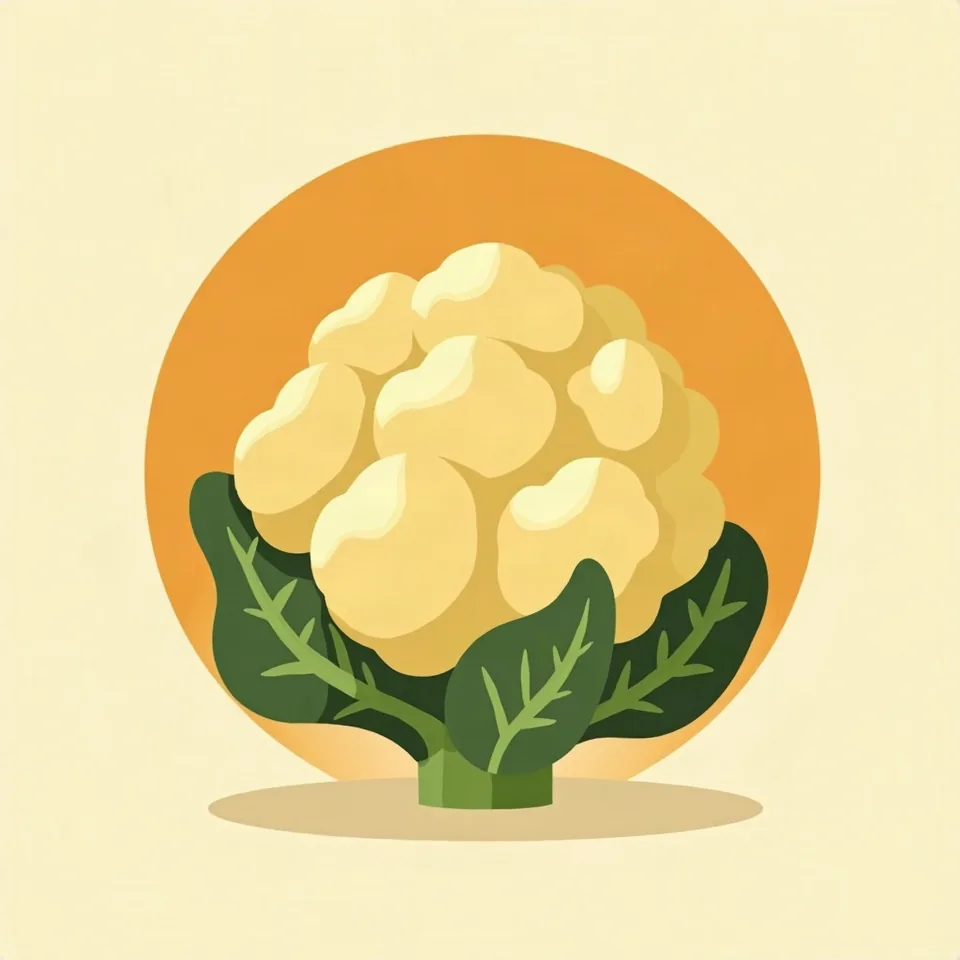
Cauliflower isn't toxic to dogs, and in small portions it offers fiber, vitamin C, and antioxidants. But it's a cruciferous vegetable, and larger amounts can irritate the digestive tract and cause gas. Here's how much cauliflower is safe and how to serve it.
Why only in moderation
Cauliflower belongs to the same family as broccoli, cabbage, and kale. It contains nothing toxic, but like other cruciferous vegetables it has compounds that can irritate the digestive tract in larger amounts and trigger gas or loose stool.
In small doses it's a source of vitamin C, fiber, and antioxidants, and many veterinary sources rate it a fine occasional addition to the diet, especially for overweight dogs as a lower-calorie stand-in for fattier treats.
Raw cauliflower is firmer and harder to digest, so smaller or older dogs may struggle with it more than with a lightly cooked or steamed version. Cooking also slightly reduces the level of the irritating compounds.
The vegetable itself isn't the problem, it's how it's usually prepared for people. Cauliflower in cheese sauce, battered and fried, or cooked in butter brings fat and salt that are hard on a dog's digestion.
The core (the thick stem in the middle of the head) is the toughest and least digestible part, and for small dogs it raises the choking risk. It's safer to stick to the softer florets and leave the core out of the bowl.
How to serve cauliflower
- Small florets, raw or lightly steamed or boiled, with no salt, oil, or seasoning.
- For smaller or older dogs, go with the cooked version, it's easier to digest.
- Never give cauliflower in cheese sauce, battered and fried, or cooked in butter.
- Introduce any new vegetable gradually: a floret or two to start, then watch the stool.
- Skip the tough core, or chop it very finely, to avoid the choking risk.
Rough portion
A few small florets two to three times a week, a bit less for small breeds. Total treats shouldn't make up more than about 10% of daily food intake.
Risks
- Larger amounts irritate the digestive tract and cause bloating and gas.
- Raw, firmer cauliflower is harder to digest, especially for smaller or older dogs.
- Cauliflower in cheese sauce, fried, or buttered is unsuitable because of the fat and salt.
Symptoms to watch for
- Bloating and gas
- Loose stool
- Stomach discomfort after a large portion
Your dog already ate cauliflower. What now?
- A small amount of plain cauliflower usually causes nothing worse than temporary gas, just keep an eye on your dog.
- After a larger portion, watch your dog for 24 hours for loose stool or bloating.
- If your dog ate cauliflower in a cheese or cream sauce, watch for digestive upset and contact your vet if symptoms persist.
Common questions about dogs and cauliflower
Can dogs eat raw cauliflower?
Yes, raw cauliflower isn't toxic, but it's firmer and harder to digest than the cooked version. For smaller or older dogs, a lightly steamed or boiled version with no salt or seasoning is the better choice.
Why does my dog get so gassy after eating cauliflower?
Cauliflower is a cruciferous vegetable that contains sulfur compounds and a lot of fiber, both of which produce gas during digestion. It's a harmless reaction that you can reduce with a smaller portion or by cooking it instead of serving it raw.
How much cauliflower can a dog eat?
A few small florets two to three times a week is a good guideline, staying within roughly 10% of daily food intake overall. Larger amounts raise the risk of bloating and loose stool, so it's best kept as an occasional extra rather than a daily habit.
Is broccoli or cauliflower better for dogs?
Nutritionally they're similar, and both are safe in small amounts. The difference is minor, it mostly comes down to which one your dog tolerates better, since some dogs are more prone to gas from one than the other.
Can dogs eat cauliflower with curry powder or turmeric?
A small amount of plain turmeric usually isn't a problem, but premade curry blends often contain onion, garlic, or a lot of salt. The safest approach is to serve cauliflower completely plain, with no seasoning or sauce at all.
Other good treats
Can dogs eat carrots?
Yes, carrots are safe for dogs and rank among the best treats you can give them. They're low in calories, full of fiber and beta-carotene, and raw carrots even help clean teeth. Cut them to a size that suits your dog.
Can dogs eat peas?
Yes, green peas are safe and nutritious for dogs. They provide plant protein, fiber, and vitamins, and plenty of quality kibble uses them as an ingredient. Serve fresh or frozen, never salted canned peas.
Can dogs eat pumpkin?
Yes, cooked or plain pumpkin flesh is very healthy for dogs, and vets often recommend it to help with digestive upset. Always choose plain pumpkin puree, never pie filling with added sugar and spices.
Can dogs eat zucchini?
Yes, zucchini is safe for dogs and low in calories. It's mostly water with a little fiber and vitamins, and makes a light treat even for dogs on a diet. Serve it raw or cooked, with no salt, oil, or seasoning.
More from vegetables
Can dogs eat beans?
Yes, plain beans that are cooked thoroughly and unsalted are safe for dogs in small amounts and offer a good dose of fiber and protein. Raw beans are toxic due to lectins, though, and canned or baked beans usually carry too much salt and sugar.
Can dogs eat bell peppers?
Yes, but only sweet bell peppers in small amounts. They aren't toxic and contain vitamin C, but hot varieties like chili peppers or jalapenos should never be given, capsaicin irritates the digestive tract and causes painful burning.
Can dogs eat broccoli?
Yes, broccoli is safe for dogs in small amounts. It contains isothiocyanates, which in larger doses irritate the digestive tract and cause gas. Stick to small pieces, raw or cooked, with no seasoning.
Sources
- AKC: Fruits and Vegetables Dogs Can and Can't Eat
- ASPCA Animal Poison Control: People Foods to Avoid Feeding Your Pets
Last updated 2 September 2026.