Can dogs eat potatoes?
Short answer
Yes, but only cooked, peeled, and unsalted. Raw and green potatoes, along with sprouted eyes, contain solanine, which is toxic to dogs. Even cooked potato isn't something your dog needs; it's more of a filler side dish than a healthy treat.
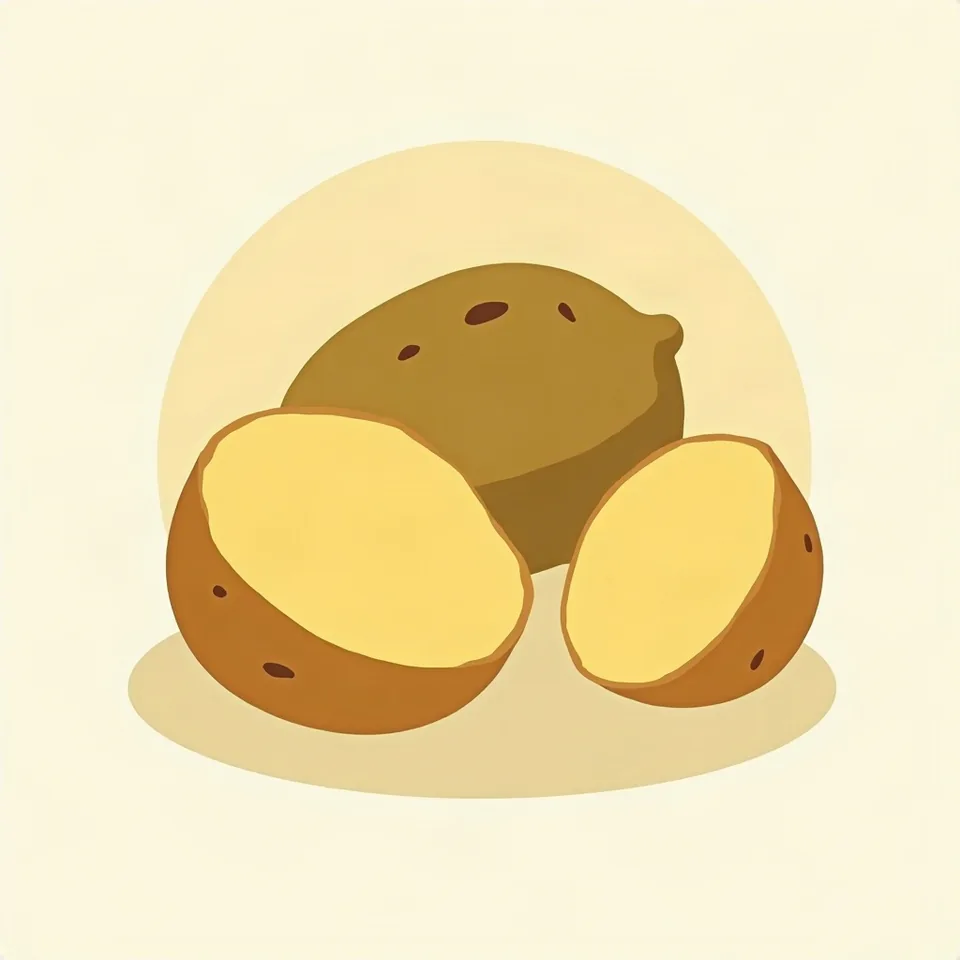
A plain cooked, peeled potato is harmless for dogs in small amounts, but raw or green potato contains toxic solanine. Here's the difference between raw and cooked, why potatoes aren't a nutritional must-have, and what to watch out for.
Why only in moderation
Potatoes belong to the nightshade family, along with tomatoes, and in their raw state contain solanine, a glycoalkaloid that irritates the digestive tract and, in larger amounts, affects the nervous system too. Solanine is most concentrated in the skin, the sprouted eyes, and the green patches on the tuber that form when it's exposed to light.
Boiling, baking, or steaming significantly reduces the solanine content, so a peeled, thoroughly cooked potato with no green spots is safe for a dog in small amounts. That said, it's not a food your dog needs for a balanced diet: it's an extra source of carbohydrates, not a vitamin or protein they'd otherwise be missing.
Potatoes have a high glycemic index and a lot of starch. Regular, larger portions can contribute to weight gain or cause problems for diabetic dogs. French fries, mashed potato loaded with butter and cream, or salted chips are also high in fat and salt, on top of whatever risk the potato itself carries.
Extra caution is needed with sprouted or green potatoes and with raw peels; these contain enough solanine to cause real poisoning, even after cooking, if the green parts weren't removed first.
How to serve potatoes
- Only thoroughly cooked or baked, peeled, with no green spots or sprouted eyes.
- No salt, butter, cream, or seasoning, just a plain cooked potato, ideally mashed or cut into small pieces.
- Never raw potato, raw peel, or restaurant-style fries, chips, or mashed potato.
- Serve only occasionally as a side to a main meal, not as a regular part of the diet.
Rough portion
A few small pieces of cooked potato once or twice a week; skip it altogether for dogs with weight problems or diabetes. Potatoes aren't a nutritional necessity for dogs, just an occasional side dish.
Risks
- Raw potato, the skin, and sprouted eyes contain solanine, a toxic glycoalkaloid.
- A green tinge on the tuber signals higher solanine levels even after cooking, if the green parts aren't removed.
- High starch content contributes to weight gain with regular feeding and is a problem for diabetic dogs.
- Fries, chips, and salted mashed potato contain excess salt and fat.
Symptoms to watch for
- Vomiting and diarrhea
- Excessive drooling
- Drowsiness, confusion
- Weakness
- Tremors or an irregular heartbeat in severe cases
Your dog already ate potatoes. What now?
- If your dog ate a piece of cooked, peeled potato, there's no cause for concern.
- If your dog ate raw potato, the skin, or sprouted eyes, watch them for several hours for digestive or neurological symptoms.
- Contact your vet for vomiting, diarrhea, drowsiness, or tremors, especially after a larger amount or a green, sprouted potato.
Common questions about dogs and potatoes
Can dogs eat raw potatoes?
No, raw potatoes contain solanine, which is toxic to dogs and irritates both the digestive and nervous systems. The skin, sprouted eyes, and green parts of the tuber are the most dangerous. Only offer your dog a thoroughly cooked, peeled potato with no green spots.
Are cooked potatoes healthy for dogs?
A plain cooked, peeled potato isn't toxic and a small amount is fine, but it's more of an extra carbohydrate than a needed nutrient. Regular, larger portions can contribute to weight gain, so it's best kept occasional.
Can dogs eat french fries?
No, fries are high in salt and fat and are often cooked in oil that's hard on a dog's digestion. Regular feeding can lead to weight gain and pancreatitis. If you want to give your dog potato, stick with a plain cooked, unseasoned version.
What should I do if my dog eats a sprouted potato?
Sprouted, green potatoes contain elevated solanine levels, which are toxic. Watch your dog for several hours for vomiting, diarrhea, or drowsiness, and contact your vet if symptoms appear or your dog ate a larger amount.
Other good treats
Can dogs eat carrots?
Yes, carrots are safe for dogs and rank among the best treats you can give them. They're low in calories, full of fiber and beta-carotene, and raw carrots even help clean teeth. Cut them to a size that suits your dog.
Can dogs eat peas?
Yes, green peas are safe and nutritious for dogs. They provide plant protein, fiber, and vitamins, and plenty of quality kibble uses them as an ingredient. Serve fresh or frozen, never salted canned peas.
Can dogs eat pumpkin?
Yes, cooked or plain pumpkin flesh is very healthy for dogs, and vets often recommend it to help with digestive upset. Always choose plain pumpkin puree, never pie filling with added sugar and spices.
Can dogs eat zucchini?
Yes, zucchini is safe for dogs and low in calories. It's mostly water with a little fiber and vitamins, and makes a light treat even for dogs on a diet. Serve it raw or cooked, with no salt, oil, or seasoning.
More from vegetables
Can dogs eat beans?
Yes, plain beans that are cooked thoroughly and unsalted are safe for dogs in small amounts and offer a good dose of fiber and protein. Raw beans are toxic due to lectins, though, and canned or baked beans usually carry too much salt and sugar.
Can dogs eat bell peppers?
Yes, but only sweet bell peppers in small amounts. They aren't toxic and contain vitamin C, but hot varieties like chili peppers or jalapenos should never be given, capsaicin irritates the digestive tract and causes painful burning.
Can dogs eat broccoli?
Yes, broccoli is safe for dogs in small amounts. It contains isothiocyanates, which in larger doses irritate the digestive tract and cause gas. Stick to small pieces, raw or cooked, with no seasoning.
Sources
Last updated 2 September 2026.