Can dogs eat radishes?
Short answer
Yes, radishes are not toxic to dogs and are fine in small amounts. Their sharp, peppery taste is not a hit with most dogs, and larger amounts can irritate the stomach and cause gas.
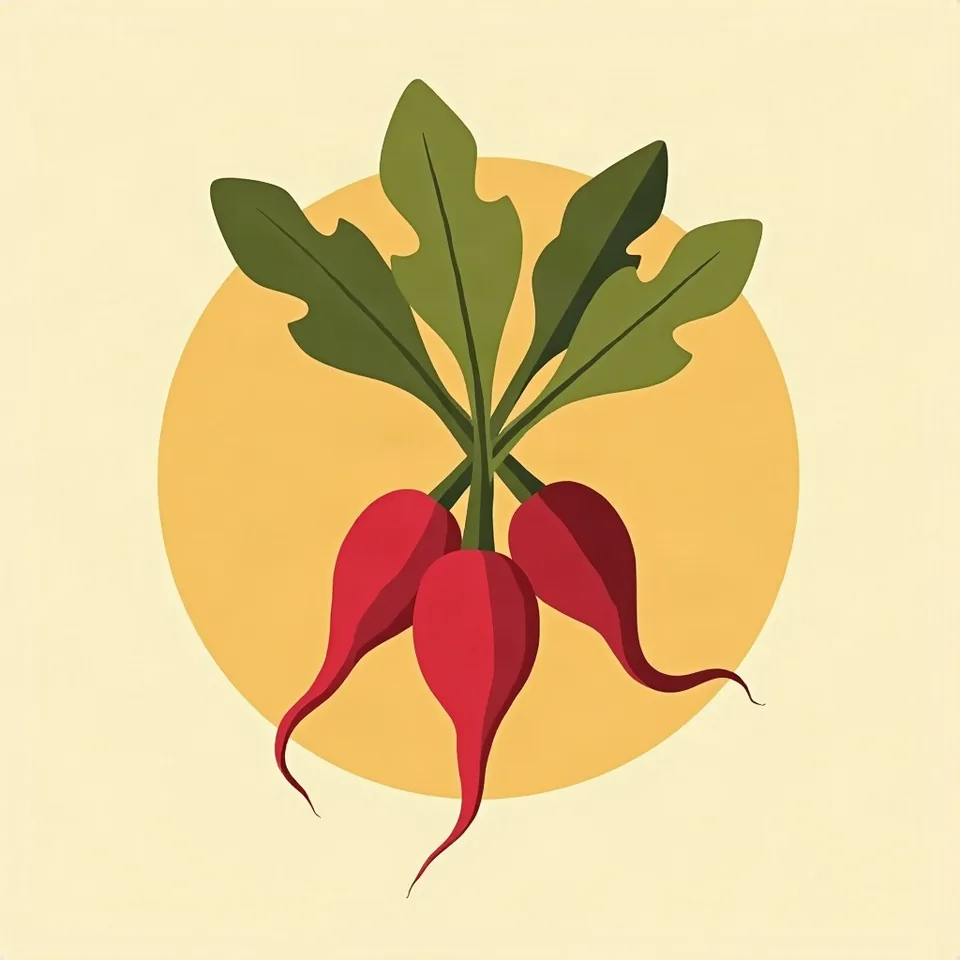
Radishes are not poisonous to dogs and provide some vitamin C and fiber, but their peppery taste puts many dogs off, and larger amounts can irritate the stomach. Here is how to offer them safely and why they are more of a curiosity than a diet staple.
Why only in moderation
Radishes are not toxic to dogs. They contain vitamin C, a little fiber, and very few calories, but nutritionally they are not a major contribution, more of an interesting taste than a needed part of the diet.
Their signature peppery, mustard-like flavor comes from sulfur compounds similar to those in horseradish or mustard. Many dogs will turn a radish down after one bite, which is not cause for concern, just a matter of taste.
In larger amounts, those same sulfur compounds can irritate the stomach and cause gas or looser stools, similar to other pungent vegetables. A small piece to try, though, usually is not a problem.
Pickled or fermented radishes contain salt and vinegar and are not suitable, and neither is radish salad with dressing. Dogs should only get fresh, plain raw or cooked radish.
Radishes belong to the same brassica family as cabbage and broccoli, so they share a similar effect on digestion. A small amount is fine, but it is not a vegetable dogs should get in large quantities or regularly as a main treat.
How to serve radishes
- Raw, cut into thin slices or small cubes, and well washed.
- Cooked or steamed without salt; easier on sensitive stomachs than raw.
- Offer just a small piece at first and watch how your dog handles the peppery taste and digestion.
- Rinse and finely chop the leafy tops if you want to add them, though they are tough and most dogs will not eat them anyway.
- Never give pickled or fermented radishes, or radish salad with dressing.
Rough portion
1-2 thin slices for a small dog, a few slices for a larger dog, as an occasional treat only. Radishes are not something a dog needs on a regular basis.
Risks
- In larger amounts, sulfur compounds can irritate the stomach and cause gas or looser stools.
- Pickled or fermented radishes contain salt and vinegar.
- The peppery taste can make some dogs refuse the food or cause mild mouth irritation.
Symptoms to watch for
- Refusing to eat it because of the peppery taste (harmless)
- Gas or mild bloating
- Looser stool after a larger amount
Your dog already ate radishes. What now?
- A small piece of fresh radish needs no follow-up.
- After a larger portion, watch your dog's stool and behavior; mild digestive upset usually resolves on its own.
- If your dog ate pickled or fermented radishes in a larger amount, watch for signs linked to higher salt intake and contact your vet if you are concerned.
Common questions about dogs and radishes
Why does my dog refuse radish?
Radishes have a strong, peppery, mustard-like flavor from sulfur compounds that many dogs simply do not enjoy. It is purely a matter of taste, not a digestibility problem. If your dog does not want it, there is no need to push it.
Are radishes healthy for dogs?
They are not toxic and provide a bit of vitamin C and fiber, but the nutritional benefit is modest. Think of them as a low-calorie taste test rather than a food your dog actually needs, since most of their nutrition should still come from a complete, balanced diet.
Can dogs eat radish greens too?
The leafy tops are not toxic, but they are tough and bitter, and dogs typically will not eat them anyway. If you would like to offer them, chop them finely and give just a small amount, though it is not necessary.
Are radishes hard on a dog's stomach?
In larger amounts, the sulfur compounds can irritate the stomach and cause gas or looser stool, similar to other pungent vegetables like cabbage or broccoli. A small taste usually does not bother a healthy dog, so there is no need to avoid radishes entirely, just keep the portion small and occasional.
Can I use radish as a training treat?
Because of its strong peppery taste and lower appeal to most dogs, radish does not work especially well as a training reward. Carrot or cucumber tends to be a better choice; dogs usually go for those more readily.
Other good treats
Can dogs eat carrots?
Yes, carrots are safe for dogs and rank among the best treats you can give them. They're low in calories, full of fiber and beta-carotene, and raw carrots even help clean teeth. Cut them to a size that suits your dog.
Can dogs eat cucumber?
Yes, cucumber is safe for dogs and very low in calories. It's about 95% water, making it a refreshing summer treat and a good option for overweight dogs. Serve it raw, and peel it for dogs with sensitive digestion.

Can dogs eat pumpkin?
Yes, cooked or plain pumpkin flesh is very healthy for dogs, and vets often recommend it to help with digestive upset. Always choose plain pumpkin puree, never pie filling with added sugar and spices.
Can dogs eat zucchini?
Yes, zucchini is safe for dogs and low in calories. It's mostly water with a little fiber and vitamins, and makes a light treat even for dogs on a diet. Serve it raw or cooked, with no salt, oil, or seasoning.
More from vegetables

Can dogs eat beans?
Yes, plain beans that are cooked thoroughly and unsalted are safe for dogs in small amounts and offer a good dose of fiber and protein. Raw beans are toxic due to lectins, though, and canned or baked beans usually carry too much salt and sugar.
Can dogs eat bell peppers?
Yes, but only sweet bell peppers in small amounts. They aren't toxic and contain vitamin C, but hot varieties like chili peppers or jalapenos should never be given, capsaicin irritates the digestive tract and causes painful burning.
Can dogs eat broccoli?
Yes, broccoli is safe for dogs in small amounts. It contains isothiocyanates, which in larger doses irritate the digestive tract and cause gas. Stick to small pieces, raw or cooked, with no seasoning.
Sources
Last updated 2 September 2026.