Can dogs eat kohlrabi?
Short answer
Yes, dogs can eat kohlrabi. It's a safe vegetable that's high in fiber and vitamin C, but larger amounts can cause gas, so it's best kept as an occasional small-portion extra rather than a regular addition.
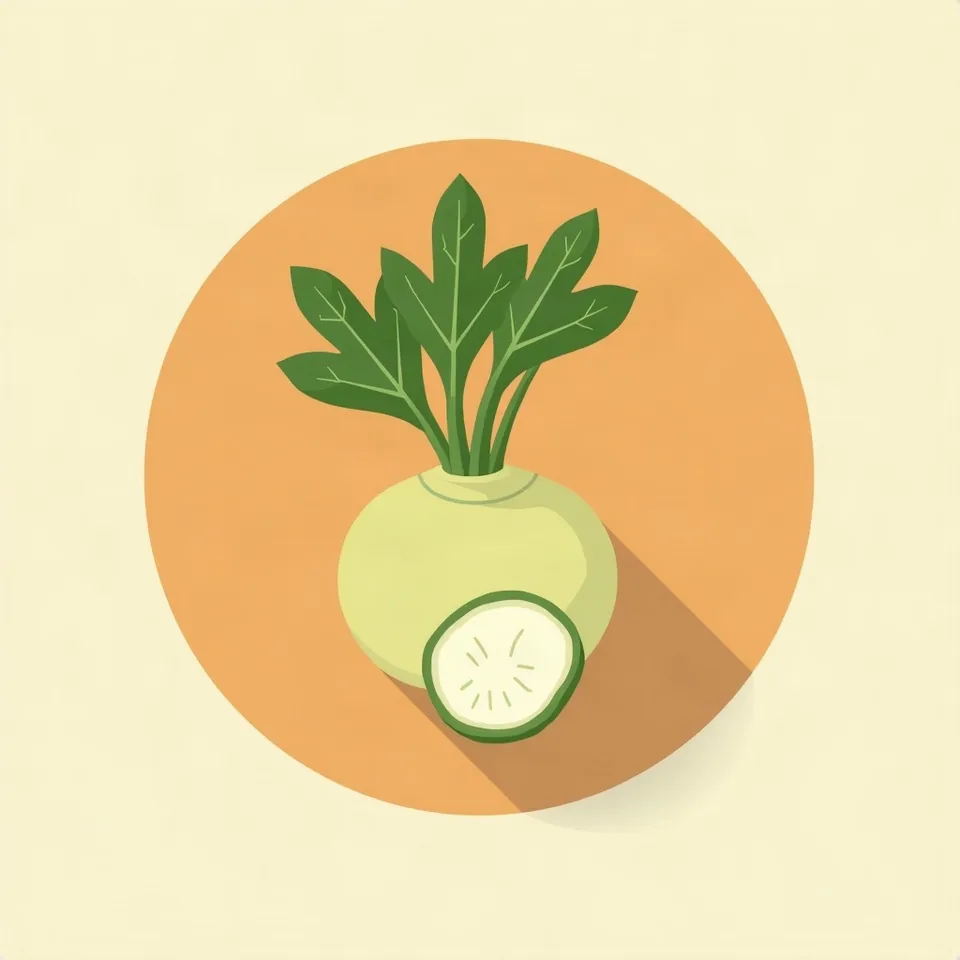
Kohlrabi is a cruciferous vegetable dogs can eat raw or cooked. It offers fiber, vitamin C, and few calories, but too much can cause bloating and gas. Here's how much kohlrabi is appropriate and how to prepare it for your dog.
Why only in moderation
Kohlrabi belongs to the same cruciferous family as broccoli and cabbage. It contains fiber, vitamin C, potassium, and small amounts of B vitamins. It's low in calories, which makes it a decent swap for fattier treats in dogs that need to watch their weight.
Raw kohlrabi is fairly hard and fibrous. In small dogs or dogs that gulp their food without chewing, there's a real risk of choking or a piece getting stuck in the throat. Cooked and cut into smaller pieces, it's easier to digest and safer to feed.
Cruciferous vegetables contain glucosinolates, compounds that in high doses can interfere with thyroid function and produce gas when fermented in the gut. Small portions of kohlrabi aren't a concern, but dogs with a thyroid condition should be fed it cautiously and only after checking with a vet.
Kohlrabi's skin is tough and harder to digest, so it's best to peel it before giving it to your dog, the same way you would with other firm vegetables like this.
How to serve kohlrabi
- Peel the kohlrabi and cut it into small cubes or thin slices sized appropriately for your dog.
- Boiled or steamed with no salt or seasoning is easier to digest than raw and lowers the risk of gas.
- Only give raw kohlrabi in small pieces, and only to dogs that chew well, not ones that swallow food whole.
- Introduce a new portion gradually, starting with just a few small cubes on the first day and watching how your dog's stool and digestion respond.
- You can also add raw, grated kohlrabi to your dog's regular food as a small fiber boost.
Rough portion
Small dog (under 22 lb): 1-2 small cubes; medium dog (22-55 lb): a handful of cubes or about a quarter kohlrabi; large dog (over 55 lb): about half a kohlrabi, cooked and chopped. Feed only occasionally as an extra, not as a regular large-quantity addition.
Risks
- Bloating and gas with larger amounts due to fiber and glucosinolate content.
- Choking risk from a tougher raw piece getting stuck in the throat, especially in small breeds or dogs that gulp food.
- Possible negative effect on thyroid function if large amounts are fed long-term.
- The skin is tough and poorly digested, and can irritate the digestive tract.
Symptoms to watch for
- Bloating, gas
- Loose stool or diarrhea after a larger portion
- Coughing or gagging if a raw piece gets stuck
- Loss of appetite from overfeeding
Your dog already ate kohlrabi. What now?
- If your dog eats a small piece of kohlrabi, it's usually not a problem, just watch stool and behavior.
- If a piece gets stuck in the throat or your dog suddenly starts choking or gagging, see a vet immediately.
- If repeated vomiting or severe diarrhea occurs, contact your vet.
Common questions about dogs and kohlrabi
Can dogs eat raw kohlrabi?
Yes, raw kohlrabi isn't harmful to dogs, but it's hard and fibrous. Small dogs or dogs that gulp their food risk choking on a larger piece, so cut it into small cubes or serve it cooked instead.
How much kohlrabi can a dog eat?
A small dog only needs one or two small cubes, a medium dog a handful of pieces, and a large dog about half a kohlrabi. It should be given only occasionally as an addition to regular food, not as a routine part of the diet.
Can kohlrabi affect a dog's thyroid?
Kohlrabi contains glucosinolates, which in large amounts can interfere with thyroid function. This isn't a concern with typical small portions, but dogs with a thyroid condition should have their intake discussed with a vet.
Does kohlrabi need to be cooked for dogs?
It doesn't have to be, but cooked kohlrabi is easier to digest and lowers the risk of gas and choking. If feeding it raw, peel it and cut it into small pieces first.
Other good treats
Can dogs eat broccoli?
Yes, broccoli is safe for dogs in small amounts. It contains isothiocyanates, which in larger doses irritate the digestive tract and cause gas. Stick to small pieces, raw or cooked, with no seasoning.
Can dogs eat cabbage?
Yes, raw or cooked cabbage is safe for dogs in small amounts. In larger portions it causes noticeable gas, and heavy long-term intake can affect thyroid function. Skip sauerkraut because of its salt content.
Can dogs eat carrots?
Yes, carrots are safe for dogs and rank among the best treats you can give them. They're low in calories, full of fiber and beta-carotene, and raw carrots even help clean teeth. Cut them to a size that suits your dog.
Can dogs eat cauliflower?
Yes, cauliflower is safe for dogs in small amounts. Like other cruciferous vegetables, larger portions can easily cause gas and bloating. Stick to a few small pieces, raw or cooked, with no seasoning.
More from vegetables
Can dogs eat beans?
Yes, plain beans that are cooked thoroughly and unsalted are safe for dogs in small amounts and offer a good dose of fiber and protein. Raw beans are toxic due to lectins, though, and canned or baked beans usually carry too much salt and sugar.
Can dogs eat bell peppers?
Yes, but only sweet bell peppers in small amounts. They aren't toxic and contain vitamin C, but hot varieties like chili peppers or jalapenos should never be given, capsaicin irritates the digestive tract and causes painful burning.
Can dogs eat celery?
Yes, celery is safe and healthy for dogs and low in calories. Cut it into smaller pieces first, since the stringy stalks can cause choking in dogs that gulp their food.
Sources
- ASPCA: People Foods to Avoid Feeding Your Pets
- Merck Veterinary Manual: Food Hazards in Dogs and Cats
Last updated 10 September 2026.