Can dogs eat tomatoes?
Short answer
Yes, but only ripe red tomato flesh in small amounts, never the leaves or stems. Unripe green tomatoes and the plant's leaves and stems contain solanine and tomatine, which can cause digestive and even neurological problems.
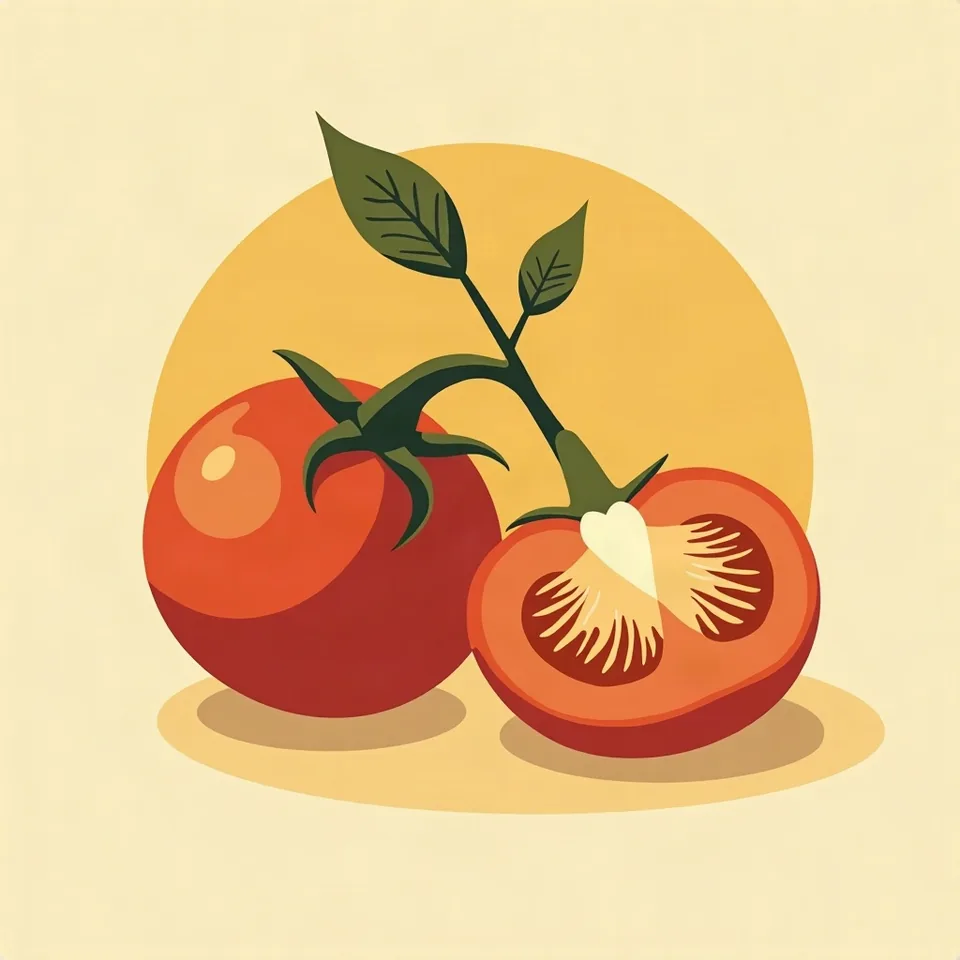
A ripe red tomato is harmless for dogs in small amounts, but the tomato plant as a whole belongs to the nightshade family and contains the glycoalkaloids solanine and tomatine. Here is the difference between the ripe fruit and the green parts, and why caution matters.
Why only in moderation
Tomatoes belong to the nightshade family (Solanaceae), along with potatoes and eggplant. A ripe red tomato contains only trace amounts of solanine and tomatine, so it is safe for dogs in small quantities and provides some vitamin C, lycopene, and fiber.
Unripe green tomatoes, and especially the plant's leaves, stems, and flowers, contain much higher concentrations of solanine and tomatine. These compounds irritate the digestive tract and, in larger amounts, can even affect the nervous system, which is why dogs should only get the ripe, fleshy fruit, never the plant itself from the garden.
As tomatoes ripen, their glycoalkaloid content drops, so a fully ripe, soft tomato is the safest option. Tomato sauce, ketchup, and paste often contain salt, sugar, onion, or garlic too, which are problems in their own right, regardless of the tomato itself.
The acidity of tomatoes can upset a sensitive dog's stomach even when the fruit is ripe, so tomato is better suited to an occasional taste than a regular part of the diet.
How to serve tomatoes
- Only ripe, soft, red tomato, with the stem, leaves, and vine removed.
- Cut into small pieces, raw or lightly cooked, without salt or seasoning.
- Never give ketchup, tomato sauce, or paste from the store; they typically contain salt, sugar, onion, or garlic.
- Introduce it gradually, starting with one small piece, and watch how your dog's stomach reacts.
Rough portion
A few small pieces of ripe tomato once or twice a week as a taste, not a regular part of the diet. Dogs do not need tomato for good health; it is strictly an occasional treat.
Risks
- Unripe green tomatoes and the plant's leaves or stems contain solanine and tomatine, which can cause digestive and even neurological problems.
- Ketchup, paste, and tomato sauces often contain onion, garlic, salt, or sugar, dangerous regardless of the tomato itself.
- Even ripe tomato's acidity can upset a sensitive dog's stomach in larger amounts.
Symptoms to watch for
- Vomiting and diarrhea
- Excessive drooling
- Drowsiness, weakness
- Loss of appetite
- In rare, more severe cases, tremors or an irregular heart rhythm
Your dog already ate tomatoes. What now?
- If your dog ate a piece of ripe red tomato, there is no cause for concern, just keep an eye on their stool.
- If they ate a green tomato, leaves, or stem from a garden plant, watch them for the next few hours for digestive or neurological symptoms.
- Contact your vet if you see vomiting, diarrhea, unusual drowsiness, or tremors, especially if your dog ate a large amount of the plant.
Common questions about dogs and tomatoes
Can dogs eat tomatoes from the garden?
A ripe red tomato in small amounts is fine, but watch that your dog does not also help themselves to the leaves, stem, or unripe green fruit still on the vine. Those contain far more solanine and tomatine and can cause digestive or neurological problems.
Is ketchup dangerous for dogs?
Yes, ketchup and tomato pastes are not suitable. They are high in sugar and salt, and many recipes include onion or garlic, which are toxic to a dog's red blood cells. The issue is not the tomato itself but what is added to it.
What should I do if my dog eats a green tomato?
A green, unripe tomato contains more solanine than a ripe red one, but eating just one usually causes no more than mild digestive upset. Watch your dog for a few hours, and contact your vet if you see vomiting, diarrhea, or unusual drowsiness.
Can dogs eat tomato sauce with pasta?
Usually not. Prepared sauces tend to be salted, sweetened, and often contain onion, garlic, or herbs that are harmful to dogs. If you want to share tomato with your dog, use plain cooked or raw ripe tomato with no additions.
Are cherry tomatoes safer for dogs than large tomatoes?
Nutritionally there is no real difference as long as both are fully ripe. Small cherry tomatoes are easier to swallow whole, though, which raises the choking risk in smaller dogs, so always cut or halve them first.
Other good treats
Can dogs eat carrots?
Yes, carrots are safe for dogs and rank among the best treats you can give them. They're low in calories, full of fiber and beta-carotene, and raw carrots even help clean teeth. Cut them to a size that suits your dog.
Can dogs eat cucumber?
Yes, cucumber is safe for dogs and very low in calories. It's about 95% water, making it a refreshing summer treat and a good option for overweight dogs. Serve it raw, and peel it for dogs with sensitive digestion.
Can dogs eat pumpkin?
Yes, cooked or plain pumpkin flesh is very healthy for dogs, and vets often recommend it to help with digestive upset. Always choose plain pumpkin puree, never pie filling with added sugar and spices.
Can dogs eat zucchini?
Yes, zucchini is safe for dogs and low in calories. It's mostly water with a little fiber and vitamins, and makes a light treat even for dogs on a diet. Serve it raw or cooked, with no salt, oil, or seasoning.
More from vegetables
Can dogs eat beans?
Yes, plain beans that are cooked thoroughly and unsalted are safe for dogs in small amounts and offer a good dose of fiber and protein. Raw beans are toxic due to lectins, though, and canned or baked beans usually carry too much salt and sugar.
Can dogs eat bell peppers?
Yes, but only sweet bell peppers in small amounts. They aren't toxic and contain vitamin C, but hot varieties like chili peppers or jalapenos should never be given, capsaicin irritates the digestive tract and causes painful burning.
Can dogs eat broccoli?
Yes, broccoli is safe for dogs in small amounts. It contains isothiocyanates, which in larger doses irritate the digestive tract and cause gas. Stick to small pieces, raw or cooked, with no seasoning.
Sources
Last updated 2 September 2026.