Can dogs eat garlic?
Short answer
No, garlic is toxic to dogs in every form, raw, cooked, dried, powdered, or as a supplement. It's in the same family as onion but far more concentrated, and it damages red blood cells, causing hemolytic anemia.
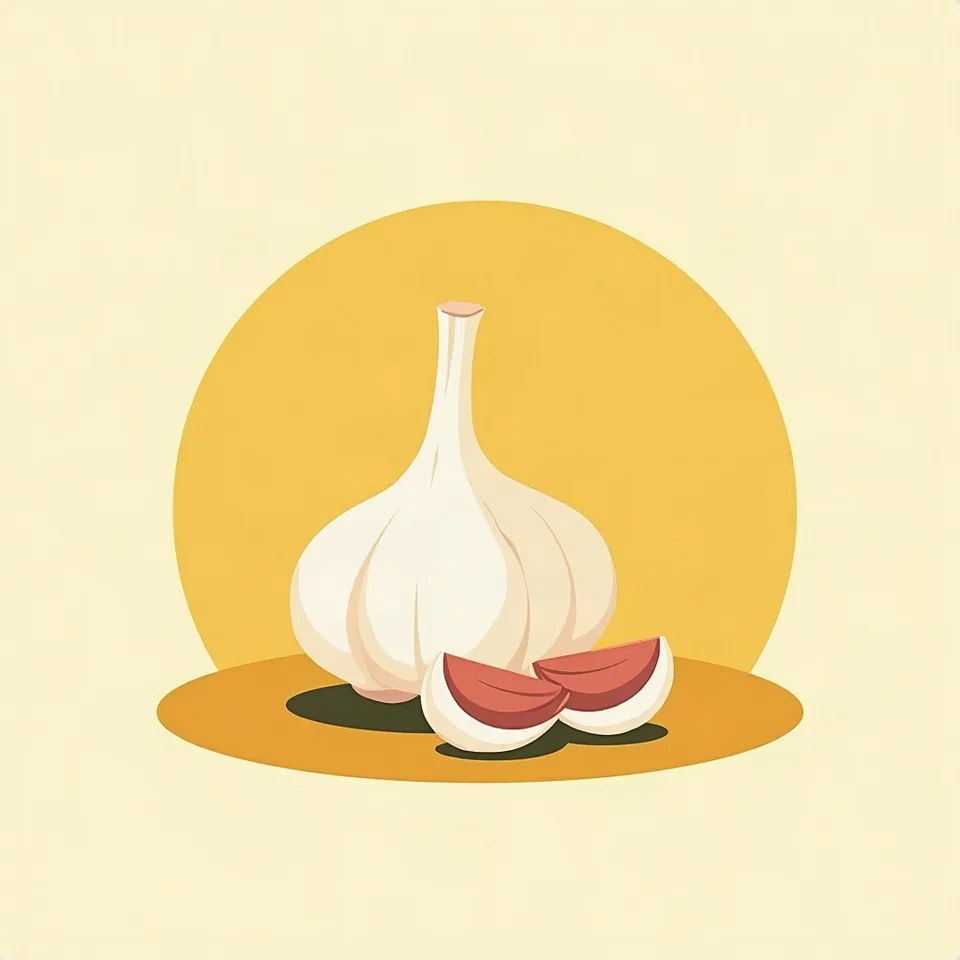
Garlic belongs to the same Allium family as onion and contains the same organosulfur compounds that damage a dog's red blood cells, just in a much higher concentration. It's dangerous raw, cooked, or dried, including garlic powder and supplements marketed against ticks. Here are the risks and what to do if your dog eats some.
Why not
Toxic compound: Thiosulfates and other organosulfur compounds (roughly 3 to 5 times more concentrated than in onion).
Garlic contains organosulfur compounds similar to onion, mainly thiosulfates, which cause oxidative damage to a dog's red blood cells and lead to hemolytic anemia. According to veterinary literature, garlic is roughly 3 to 5 times more concentrated than onion, so it takes a much smaller amount relative to a dog's body weight to cause the same level of harm.
Every form is toxic: a raw clove, cooked garlic in food, dried flakes, and garlic powder. Cooking doesn't break down the toxic compound. Garlic supplements are also dangerous, even though they're sometimes sold as a natural flea and tick repellent; their effectiveness isn't scientifically supported, and the poisoning risk remains.
There's no established safe dose in veterinary toxicology, and sensitivity varies between individual dogs and breeds. Some Japanese breeds, such as the Akita and Shiba Inu, have been reported to show increased sensitivity to this kind of red blood cell damage, but every dog is at risk regardless of breed.
The risk is cumulative: repeated small doses of garlic, say, regularly added to homemade food, add up in the body the same way one larger dose would. That's why no amount of garlic is recommended, even as a supposedly “healthy” seasoning.
Rough portion
There's no established safe dose. Avoid even small, regular amounts in food scraps, marinades, or supplements.
Risks
- Hemolytic anemia from oxidative damage to red blood cells (Heinz bodies), the same mechanism as onion, only stronger.
- Garlic supplements marketed against ticks and fleas lack solid evidence of effectiveness and still carry a poisoning risk.
- Toxicity is cumulative: repeated small amounts are just as risky as one large dose.
- Some breeds, such as the Akita or Shiba Inu, may have increased sensitivity, but every dog is at risk.
Symptoms to watch for
- Weakness, lethargy
- Pale or yellowish gums
- Dark or red-brown urine
- Rapid breathing and heart rate
- Vomiting, diarrhea, loss of appetite
- Collapse in severe cases
Your dog already ate garlic. What now?
- Contact your vet or an emergency vet right away, even if your dog still seems fine; symptoms can take several days to appear.
- Tell your vet roughly how much garlic and in what form (clove, powder, supplement), along with your dog's weight.
- Don't try to induce vomiting at home without your vet's guidance.
- Your vet will likely recommend monitoring blood counts over the following days because of the risk of delayed hemolytic anemia.
Common questions about dogs and garlic
Is garlic more dangerous for dogs than onion?
Yes, according to veterinary literature garlic is roughly 3 to 5 times more concentrated a source of toxic organosulfur compounds than onion. That means a smaller amount, relative to body weight, carries the same poisoning risk.
Are garlic supplements for ticks safe?
No. Even though they're sometimes sold as a natural flea and tick repellent, their effectiveness isn't reliably proven, and the poisoning risk is the same as with a raw clove. Using these supplements isn't recommended.
How much garlic is dangerous for a dog?
There's no established safe dose, and sensitivity varies between individual dogs. Given the high concentration of toxic compounds and the cumulative effect, no amount is recommended, not even small regular amounts mixed into food.
How long does it take for garlic poisoning to show up in a dog?
As with onion, the more obvious signs of hemolytic anemia, like pale gums, weakness, or dark urine, often appear 2 to 5 days after your dog eats it, even though changes in the blood start within the first 24 hours.
Is it a problem if my dog licks a little garlic sauce off a plate?
A one-time lick of a trace amount usually won't cause serious symptoms in a large, healthy dog, but the risk isn't zero, and it climbs with repeated exposure. For small dogs, puppies, or if you're unsure of the amount, always contact your vet.
Safer alternatives
Can dogs eat carrots?
Yes, carrots are safe for dogs and rank among the best treats you can give them. They're low in calories, full of fiber and beta-carotene, and raw carrots even help clean teeth. Cut them to a size that suits your dog.
Can dogs eat cucumber?
Yes, cucumber is safe for dogs and very low in calories. It's about 95% water, making it a refreshing summer treat and a good option for overweight dogs. Serve it raw, and peel it for dogs with sensitive digestion.
Can dogs eat pumpkin?
Yes, cooked or plain pumpkin flesh is very healthy for dogs, and vets often recommend it to help with digestive upset. Always choose plain pumpkin puree, never pie filling with added sugar and spices.
Can dogs eat zucchini?
Yes, zucchini is safe for dogs and low in calories. It's mostly water with a little fiber and vitamins, and makes a light treat even for dogs on a diet. Serve it raw or cooked, with no salt, oil, or seasoning.
More from vegetables
Can dogs eat beans?
Yes, plain beans that are cooked thoroughly and unsalted are safe for dogs in small amounts and offer a good dose of fiber and protein. Raw beans are toxic due to lectins, though, and canned or baked beans usually carry too much salt and sugar.
Can dogs eat bell peppers?
Yes, but only sweet bell peppers in small amounts. They aren't toxic and contain vitamin C, but hot varieties like chili peppers or jalapenos should never be given, capsaicin irritates the digestive tract and causes painful burning.
Can dogs eat broccoli?
Yes, broccoli is safe for dogs in small amounts. It contains isothiocyanates, which in larger doses irritate the digestive tract and cause gas. Stick to small pieces, raw or cooked, with no seasoning.
Sources
- AKC: Can Dogs Eat Garlic? Why Garlic Isn't Safe for Dogs
- Merck Veterinary Manual: Garlic and Onion (Allium spp) Toxicosis in Animals
Last updated 2 September 2026.