Can dogs eat kale?
Short answer
Yes, kale is healthy for dogs in small amounts; it contains vitamins and antioxidants. In larger amounts, though, its oxalates and isothiocyanates can irritate digestion or affect thyroid function, so serve it in moderation.
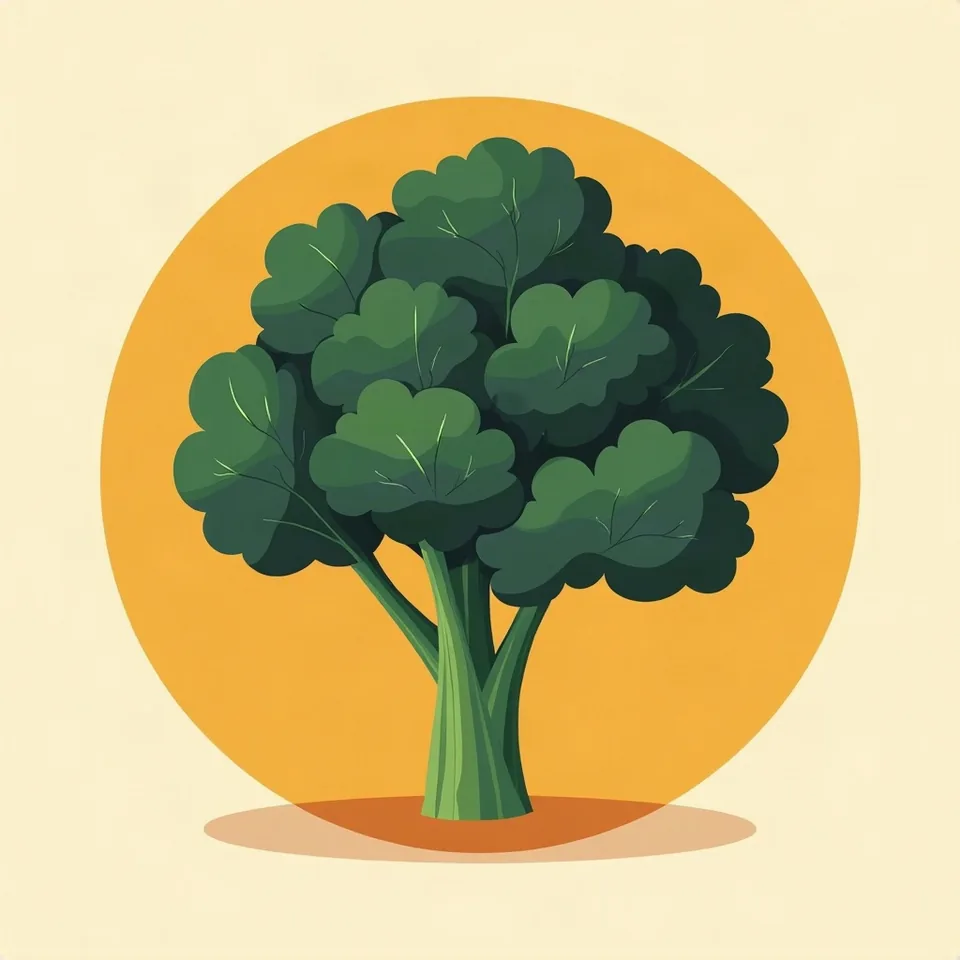
Kale is a leafy green rich in vitamins and fiber that dogs can eat in small amounts. In large amounts, though, it contains compounds that can irritate digestion or place long-term strain on the thyroid. Here's a safe amount and how to prepare it.
Why only in moderation
Kale is rich in vitamins K, C, and A, fiber, and antioxidants. In small, occasional amounts it's a healthy addition to the diet, and it shows up in the recipes of some commercial dog foods and home-cooked meals.
It also contains oxalates and isothiocyanates (glucosinolates), which in large amounts can contribute to bladder stone formation (oxalates) or irritate the digestive tract and cause gas. These compounds are more concentrated in raw kale than cooked.
Kale and other cabbage-family vegetables are considered goitrogenic foods, meaning that in large, ongoing amounts they can interfere with iodine absorption and thyroid function. For a healthy dog getting an occasional portion, this isn't an issue, but caution is warranted for dogs with thyroid disease.
Raw kale is tougher and harder to digest, so lightly steamed or briefly boiled kale with no salt or seasoning is gentler on a dog's digestion and also lowers the level of irritating compounds. Always serve it without onion, garlic, bacon, or other seasonings commonly used when cooking kale for people.
How to serve kale
- Chop finely or lightly steam with no salt, fat, or seasoning.
- Serve as an add-in to regular food, not as the main part of a meal.
- Skip recipes with bacon, onion, or garlic, which kale is typically cooked with for people.
- Introduce it gradually in small amounts and watch for gas or loose stool.
Rough portion
Small dog: a couple of leaves once or twice a week. Medium and large dog: a handful of cooked kale on the same schedule. Don't serve it daily or make it the main vegetable in the diet.
Risks
- In large amounts, contributes to oxalate bladder stone formation.
- Consistently large amounts over time may affect thyroid function (goitrogenic effect).
- Raw kale can cause bloating and gas.
- Recipes with bacon, onion, or garlic aren't suitable for dogs.
Symptoms to watch for
- Bloating, gas
- Loose stool after a larger portion
- Changes in urination with prolonged excessive intake (rare)
Your dog already ate kale. What now?
- A small amount of kale usually needs no action; just monitor digestion.
- If your dog eats a large amount at once, watch for bloating and loose stool the next day.
- For dogs prone to oxalate bladder stones or with thyroid disease, check with your vet about feeding kale regularly.
- Seek veterinary care for digestive upset lasting more than a day.
Common questions about dogs and kale
Is kale better raw or cooked for dogs?
Lightly boiled or steamed kale is gentler on a dog's digestion and contains fewer irritating compounds than raw. Always cook it with no salt, fat, or seasoning, and serve it in small amounts as an add-in, not the main part of a meal.
Can I give my dog kale every day?
It's not recommended. Kale contains oxalates and thyroid-affecting compounds that can have a negative effect in large, regular amounts. It's better to serve it just occasionally, once or twice a week in a small portion.
Is kale okay for dogs with thyroid problems?
Caution is warranted for dogs with thyroid disease, since kale is a goitrogenic food that can interfere with iodine absorption and thyroid function over time. An occasional small taste is unlikely to matter, but discuss feeding it regularly or in larger amounts with your vet first.
Can kale cause kidney stones in dogs?
In large amounts, yes, because of its oxalate content, which contributes to oxalate bladder stone formation. For dogs prone to these stones, it's best to skip kale entirely or serve it only occasionally after checking with your vet.
Other good treats
Can dogs eat broccoli?
Yes, broccoli is safe for dogs in small amounts. It contains isothiocyanates, which in larger doses irritate the digestive tract and cause gas. Stick to small pieces, raw or cooked, with no seasoning.
Can dogs eat carrots?
Yes, carrots are safe for dogs and rank among the best treats you can give them. They're low in calories, full of fiber and beta-carotene, and raw carrots even help clean teeth. Cut them to a size that suits your dog.

Can dogs eat pumpkin?
Yes, cooked or plain pumpkin flesh is very healthy for dogs, and vets often recommend it to help with digestive upset. Always choose plain pumpkin puree, never pie filling with added sugar and spices.

Can dogs eat zucchini?
Yes, zucchini is safe for dogs and low in calories. It's mostly water with a little fiber and vitamins, and makes a light treat even for dogs on a diet. Serve it raw or cooked, with no salt, oil, or seasoning.
More from vegetables
Can dogs eat beans?
Yes, plain beans that are cooked thoroughly and unsalted are safe for dogs in small amounts and offer a good dose of fiber and protein. Raw beans are toxic due to lectins, though, and canned or baked beans usually carry too much salt and sugar.
Can dogs eat bell peppers?
Yes, but only sweet bell peppers in small amounts. They aren't toxic and contain vitamin C, but hot varieties like chili peppers or jalapenos should never be given, capsaicin irritates the digestive tract and causes painful burning.
Can dogs eat cabbage?
Yes, raw or cooked cabbage is safe for dogs in small amounts. In larger portions it causes noticeable gas, and heavy long-term intake can affect thyroid function. Skip sauerkraut because of its salt content.
Sources
- AKC: Can Dogs Eat Kale?
- ASPCA: People Foods to Avoid Feeding Your Pets
Last updated 2 September 2026.